
No products in the basket.

As energy costs continue to rise across the UK, the demand for sustainable solutions has never been more urgent in 2026. One of the most effective ways to combat these growing expenses is by investing in thermal solar panels for your home or business.
This expert guide will explain how thermal solar panels work, their key benefits, and the latest technological advancements. You will also learn about system types, installation best practices, costs, available government incentives, and the most important trends for 2026.
Discover how adopting this renewable technology can help you save money, reduce your carbon footprint, and ensure reliable hot water and heating. Ready to take control of your energy future? Read on to find out how.
Thermal solar panels are at the forefront of the renewable energy revolution, offering a smart way to harness the sun’s power for heating water and supporting home heating systems. Unlike photovoltaic panels that generate electricity, thermal solar panels focus on capturing solar energy to heat water efficiently. They are made up of a few key components, working together to deliver reliable hot water and heating for homes and businesses.
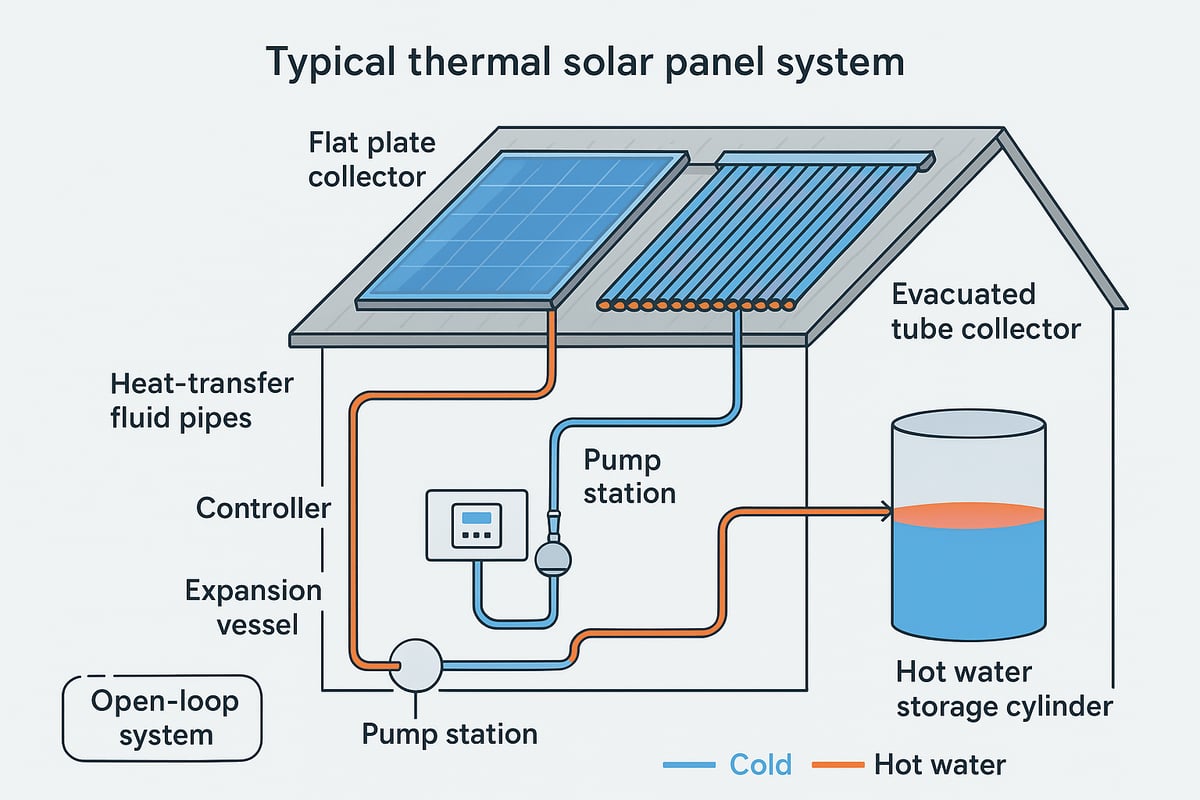
Thermal solar panels are specialised systems designed to absorb sunlight and convert it directly into heat for water. This makes them different from photovoltaic panels, which generate electricity. The core function of thermal solar panels is to heat water using solar collectors, a heat transfer fluid, and a storage cylinder.
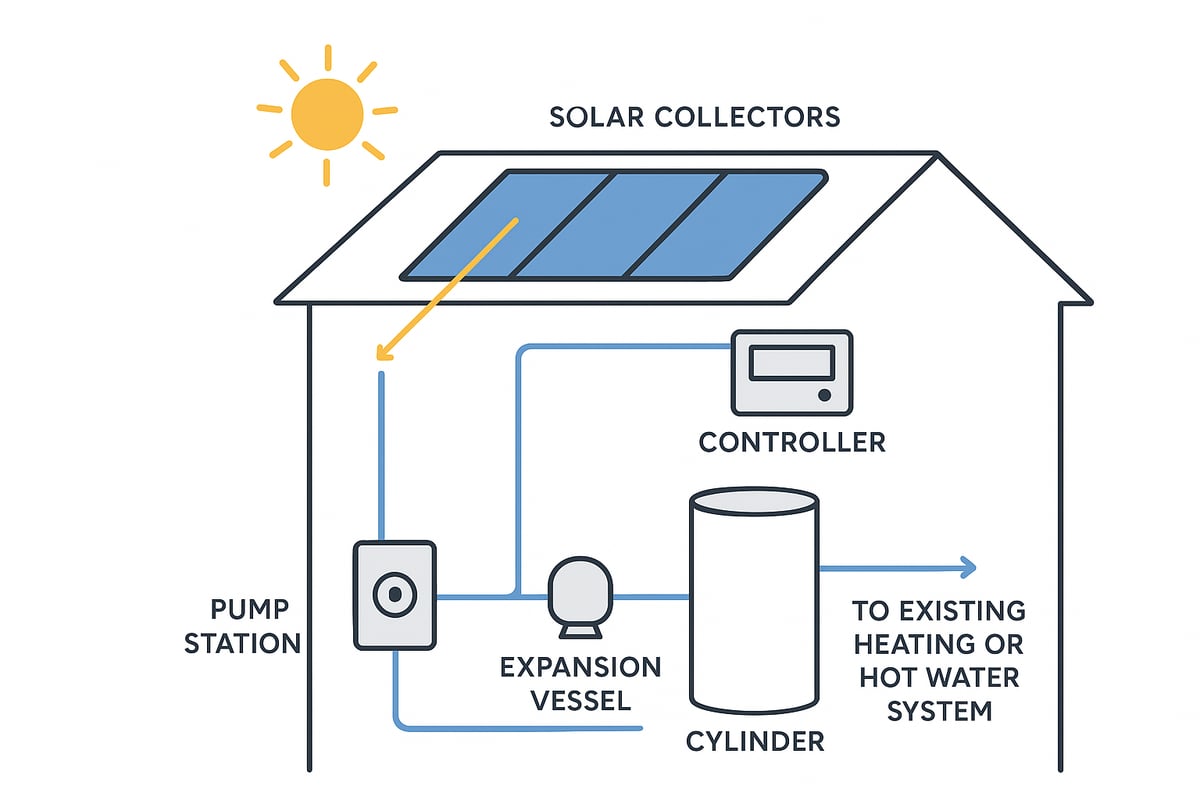
Key components include:
For example, Joule’s high-efficiency evacuated tube and flat plate systems are widely used in the UK, delivering reliable performance even on cloudy days.
Thermal solar panels operate through a straightforward process. Sunlight strikes the collectors, where it is absorbed and transferred to a heat transfer fluid. This fluid circulates to a storage cylinder, releasing heat for domestic hot water or heating. There are two main system types: closed-loop (indirect), which uses antifreeze fluid, and open-loop (direct), where mains water passes through the collectors.
These systems often integrate with existing boilers or heat pumps, ensuring continuous hot water supply. In a typical UK home, thermal solar panels can support both hot water and space heating needs. If you want a deeper dive into system operation, see this Solar thermal heating system overview.
The two main types of collectors used in thermal solar panels are flat plate and evacuated tube collectors.
Efficiency rates vary, with some evacuated tube collectors achieving up to 85% zero-loss efficiency. The choice of collector depends on property needs, roof space, and climate conditions.
| Collector Type | Structure | Typical Efficiency | Best Use Cases |
|---|---|---|---|
| Flat Plate | Box with absorber | 70–80% | Standard roofs, new builds |
| Evacuated Tube | Glass vacuum tubes | Up to 85% | Colder climates, retrofits |
A well-designed thermal solar panels system includes several important parts:
Mounting options include on-roof and in-roof installations, making thermal solar panels suitable for a variety of properties.
Innovation is rapidly advancing in the world of thermal solar panels. Recent improvements include:
A notable case study from Northern Europe highlights how these advancements are leading to more reliable and effective systems, even in less sunny climates. With ongoing research and new materials, thermal solar panels are set to play an even bigger role in sustainable heating solutions.
Rising energy costs and the urgent need for greener solutions have put thermal solar panels in the spotlight for UK households and businesses. Choosing this technology in 2026 delivers a host of benefits, from slashing carbon emissions to saving money on bills. Below, we break down the key advantages that make thermal solar panels a smart investment this year.
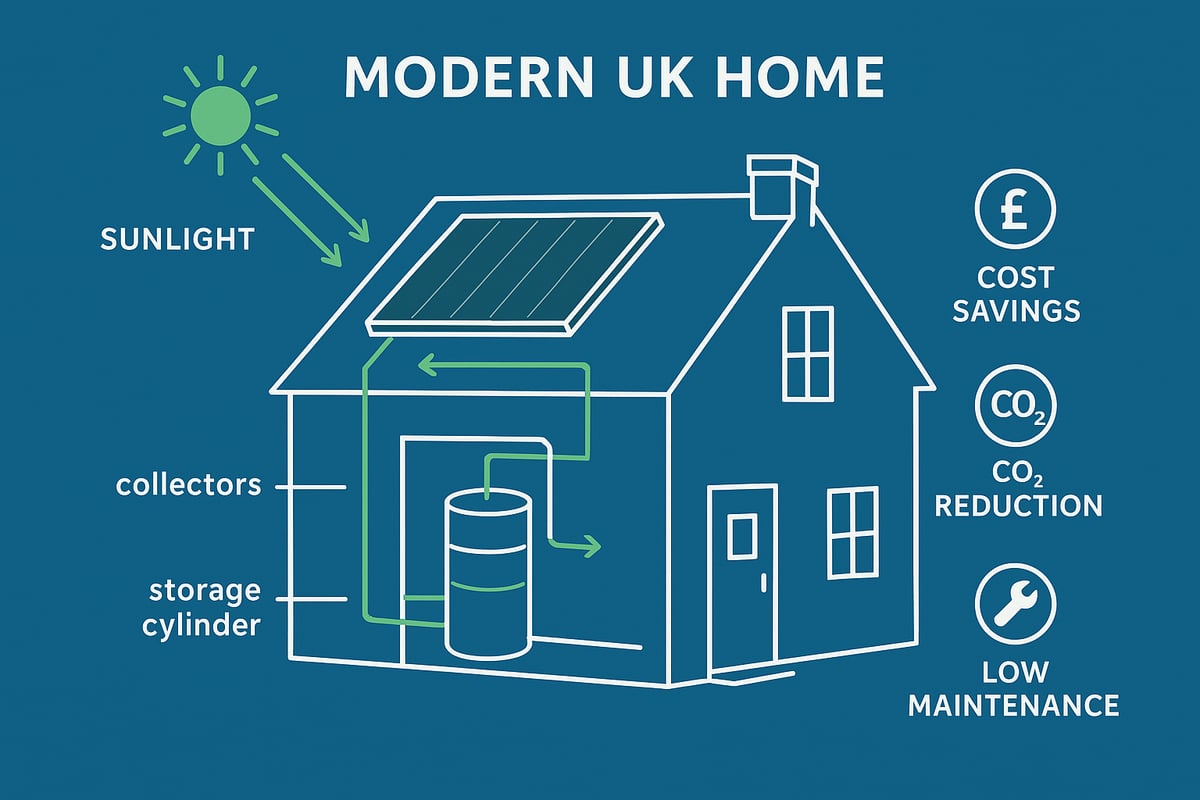
Thermal solar panels play a vital role in reducing reliance on fossil fuels for domestic hot water and heating. By harnessing solar energy, these systems can cut household CO₂ emissions by up to 60% for hot water use, directly supporting the UK’s net zero targets for 2050.
Every installation helps drive down the nation’s carbon footprint. For example, a typical family home using thermal solar panels could save over 300kg of CO₂ per year. This makes them a practical choice for anyone looking to contribute to a more sustainable future.
One of the standout features of thermal solar panels is their exceptional energy efficiency. In the UK climate, these systems can provide up to 70% of a home’s annual hot water requirements, with up to 90% coverage during the summer months.
Modern collector designs achieve impressive efficiency rates, often reaching 80–85% under optimal conditions. Even during cloudy weather, thermal solar panels continue to deliver reliable performance, making them suitable for year-round use across the country.
Installing thermal solar panels leads to significant reductions in energy bills. Homeowners can expect to save between £300 and £500 annually, depending on hot water demand and system size. Over the lifetime of the system, these savings quickly offset the initial investment.
Payback periods typically range from 5 to 10 years. With rising energy prices, the return on investment for thermal solar panels becomes even more attractive. Systems from top brands like Joule are designed to maximise financial benefits through high efficiency and durability.
One of the often-overlooked benefits of thermal solar panels is their low maintenance requirements. Most systems require only an annual inspection and occasional cleaning to remain in peak condition. Leading manufacturers offer warranties of 10–25 years, ensuring long-term peace of mind.
To keep your system efficient and reliable, follow expert thermal solar panel servicing tips for routine upkeep and troubleshooting. With proper care, thermal solar panels can provide decades of clean, affordable hot water.
Thermal solar panels offer remarkable versatility, making them suitable for both new builds and retrofitting existing properties. They can integrate seamlessly with conventional boilers or modern heat pumps, giving homeowners flexibility in system design.
These panels can be installed on a wide range of roof types and sizes, from small terraced houses to large detached homes. This adaptability ensures that thermal solar panels can meet the unique needs of nearly any UK household or business.
Choosing the right system type is vital for maximising the efficiency and benefits of thermal solar panels. Whether for domestic hot water, combined heating, large-scale commercial use or hybrid applications, each solution is designed to meet specific needs. Here is a clear breakdown of the main system types available in the UK market.
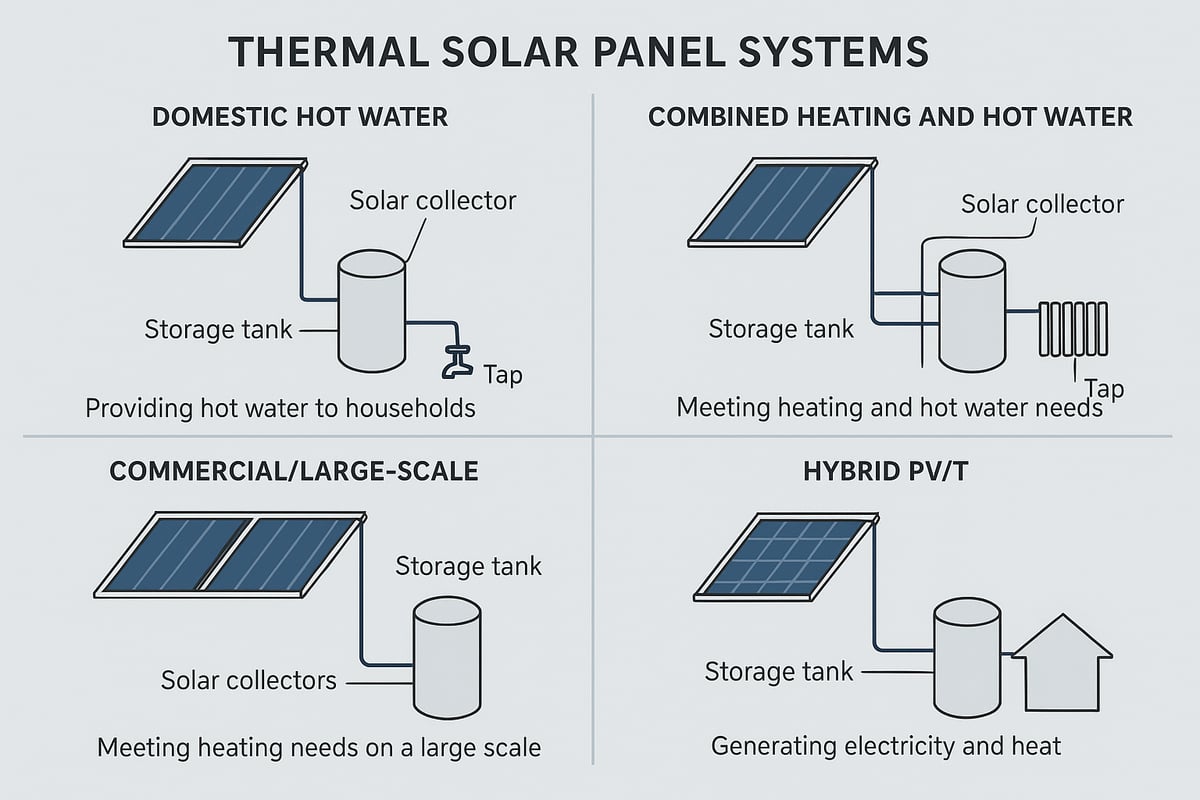
Domestic hot water systems are the most common application of thermal solar panels in UK homes. These systems use roof-mounted collectors to capture solar energy, which is then transferred via a heat transfer fluid to a dedicated hot water cylinder.
Typical configurations include one or two flat plate or evacuated tube collectors, sized to meet the daily hot water needs of a family. For example, a single or twin panel system can comfortably supply a four-person household with most of their annual hot water, especially during spring and summer.
Domestic systems are straightforward to install and can be retrofitted to many existing homes. For a comprehensive comparison of available options, see this solar system for water heating options guide.
Combined heating and hot water systems offer a more integrated solution, supporting both hot water and space heating requirements. These thermal solar panels work alongside buffer tanks and intelligent controls to distribute heat efficiently throughout the property.
A typical setup will include additional storage capacity and plumbing to supply radiators or underfloor heating. In practice, this means you can enjoy solar-powered hot water and also reduce reliance on fossil fuels for space heating.
For example, integrating thermal solar panels with underfloor heating in a well-insulated home maximises renewable energy use and enhances year-round comfort.
Commercial and large-scale systems are designed for buildings with higher hot water or heating demand, such as apartment blocks, hotels, leisure centres and care homes. These installations typically use modular arrays of thermal solar panels, allowing for scalable solutions tailored to each site.
Large storage tanks and advanced control systems ensure that solar energy is optimally distributed and stored for peak usage periods. Performance data from UK commercial projects show significant energy savings and rapid return on investment for organisations adopting this technology.
The versatility of thermal solar panels makes them suitable for both new builds and upgrades to existing facilities.
Hybrid and PV/T (photovoltaic thermal) systems combine the strengths of traditional thermal solar panels with electricity generation. These advanced panels capture both heat and power from the same surface area, making them ideal for properties with limited roof space.
Hybrid systems are gaining traction in the UK, particularly where maximising renewable output is a priority. By producing both hot water and electricity, they offer dual benefits and improved overall efficiency.
Recent trends show growing adoption of hybrid solutions, especially in homes aiming for net zero performance and in commercial settings where space is at a premium.
Professionally installing thermal solar panels is essential for long-term efficiency and reliability. Understanding each phase, from initial assessment to aftercare, ensures you maximise system benefits and returns.
A successful thermal solar panels project starts with a thorough site assessment. Installers evaluate your roof’s orientation, pitch, and shading to determine solar gain potential. Structural suitability is checked to ensure safe mounting.
System sizing is tailored to your household’s hot water demand. For instance, homes in northern UK may require larger collector areas than those in the south, due to lower solar irradiance. Installers will consider available roof space, preferred collector type, and whether on-roof or in-roof options are best.
A detailed assessment is vital for optimal performance and future savings with thermal solar panels.
The installation of thermal solar panels involves a precise sequence. First, roof mounting frames are fitted, followed by careful placement of collectors. Next, insulated pipework connects the collectors to the pump station and storage cylinder, minimising heat loss.
Plumbing and electrical controls are installed to ensure safe operation. A typical domestic setup is completed in two to three days, including thorough safety checks and system commissioning. For a comprehensive overview of hot water integration, see the Heat water with solar panels guide.
Professional installation guarantees your thermal solar panels deliver reliable, long-lasting results.
Thermal solar panels are highly versatile and compatible with a wide range of heating systems. They can be integrated with combi, system, or regular boilers using dual-coil cylinders. When paired with heat pumps, they provide an efficient, renewable energy solution for both hot water and space heating.
Best practice involves configuring controls so that solar energy is prioritised, reducing reliance on fossil fuels. Installers ensure seamless operation and minimal disruption, maximising the benefits of your thermal solar panels.
Ongoing maintenance is straightforward with thermal solar panels. An annual inspection typically covers checks of the heat transfer fluid, pressure levels, and collector cleanliness. Regular servicing prevents issues such as airlocks or pump failures.
Most manufacturers recommend a professional check once a year. Troubleshooting common problems, like reduced heat output, is usually simple for certified engineers. With proper care, thermal solar panels can last over 20 years, offering peace of mind and sustained savings.
Selecting an accredited installer is crucial for quality assurance. Look for MCS certification and government-approved status, which guarantee compliance with industry standards for thermal solar panels.
Verify credentials, read customer reviews, and compare installation quotes. A professional service should include a clear schedule, warranty coverage, and post-installation support. Expect a detailed handover, system demonstration, and advice on maximising efficiency from your chosen provider.
U&I Renewables specialises in the design, installation, and maintenance of thermal solar panels across the UK. With over 17 years’ experience, they help homeowners cut energy costs and reduce their carbon footprint.
Their fully certified engineers offer access to government grants of up to £7,500 for eligible green upgrades. U&I Renewables provides comprehensive warranties and tailored aftercare, ensuring your system operates flawlessly for years.
Trust U&I Renewables for expert advice, seamless installation, and ongoing support for your thermal solar panels.
Making the switch to thermal solar panels involves a range of financial considerations, from initial investment to long-term savings. In 2026, understanding the costs, available incentives, and return on investment is essential for making an informed decision.
The upfront cost of thermal solar panels varies depending on system size, type of collector, and installation complexity. Domestic systems typically range from £2,000 to £5,000, while larger commercial installations may exceed this. Key factors influencing price include the number of collectors, storage cylinder size, and integration with existing heating systems.
| System Type | Typical Price Range |
|---|---|
| Domestic (2–3 beds) | £2,000–£4,000 |
| Large Domestic | £3,000–£5,000 |
| Commercial | £5,000+ |
Leading brands may offer premium features or longer warranties, which can affect cost. Comparing suppliers and securing multiple quotes ensures you get the best value for your thermal solar panels.
Thermal solar panels require minimal ongoing expenditure. Annual maintenance, which includes system checks and cleaning, is often less than £100. With efficient operation, households can save up to 60 percent on hot water energy bills, translating to £300–£500 in annual savings for a typical family home.
Over the 20+ year lifespan, these savings accumulate significantly. Factoring in rising energy prices, the long-term financial outlook for thermal solar panels is increasingly attractive, especially for those seeking to futureproof their energy costs.
In 2026, the UK government continues to support renewable energy adoption through grants and incentives. The Boiler Upgrade Scheme offers up to £7,500 for eligible homeowners installing approved systems. Additional schemes, such as the ECO4 programme, help low-income households access energy-efficient technologies.
For a comprehensive overview of available support, including the Smart Export Guarantee and the ECO4 scheme, see the UK Solar Grants and Incentives 2026. These incentives can reduce the net cost of thermal solar panels, making them more accessible for a wide range of households.
Affordability is a key concern, but several financing options are available for thermal solar panels. Green home finance schemes and interest-free loans can spread the cost, while some installers offer payment plans starting from £15 per week.
Compare different finance options to find one that matches your budget and home improvement goals. Transparent payment structures and competitive rates make it easier than ever to invest in renewable energy.
The payback period for thermal solar panels typically ranges from 5 to 10 years, depending on usage patterns and system size. Online calculators and installer-provided tools can estimate your expected return on investment and lifetime savings.
Consider this example: a family home with average hot water demand installs a £3,500 system and receives a £7,500 grant, reducing upfront costs substantially. With annual savings of £400, the system pays for itself within the estimated timeframe, offering decades of low-cost, sustainable energy.
The future of thermal solar panels in the UK looks bright, with ongoing innovation, growing policy support, and a strong focus on sustainability. As 2026 approaches, several key trends are set to shape how households and businesses adopt and benefit from this renewable technology.
The adoption of thermal solar panels is accelerating across the UK and Europe. Rising energy costs, ambitious climate targets, and improved system performance are driving more homeowners and businesses to invest in solar thermal technology.
According to recent data, the UK market is expected to see a steady increase in installations through 2026. Policy measures such as net zero commitments and stricter building standards are also playing a significant role. As more people seek cost-effective, low-carbon solutions, thermal solar panels are becoming a mainstream choice for both new builds and retrofits.
Innovation is at the heart of the next generation of thermal solar panels. Smart monitoring, remote diagnostics, and AI-driven optimisation are making system management more intuitive and efficient. New collector materials, such as advanced coatings and improved insulation, are enhancing year-round performance.
A notable trend is the rise of hybrid systems that combine electricity and heat generation. For instance, photovoltaic thermal hybrid collectors are gaining traction, allowing properties to maximise roof space and energy output. These advancements ensure that thermal solar panels remain a leading solution for sustainable energy needs.
The regulatory landscape for thermal solar panels is evolving quickly. Updates to Part L of the Building Regulations are setting higher energy efficiency standards for both new constructions and major renovations.
From 2026, stricter requirements will make renewable heating solutions a necessity in many projects. Homeowners and developers will need to ensure compliance, which may include mandatory renewable integration. These changes are expected to further boost demand for thermal solar panels, supporting the UK's decarbonisation strategy.
Sustainability is a core consideration in the design and deployment of thermal solar panels. Manufacturers are increasingly focused on eco-friendly materials, reducing waste, and enabling recycling at the end of a system's life.
Thermal solar panels are also being integrated into whole-house decarbonisation strategies, often alongside battery storage and heat pumps. By supporting a circular economy approach, these systems help create greener homes and contribute to the UK's net zero ambitions. The future promises even greater synergy between thermal solar panels and other renewable technologies.