No products in the basket.
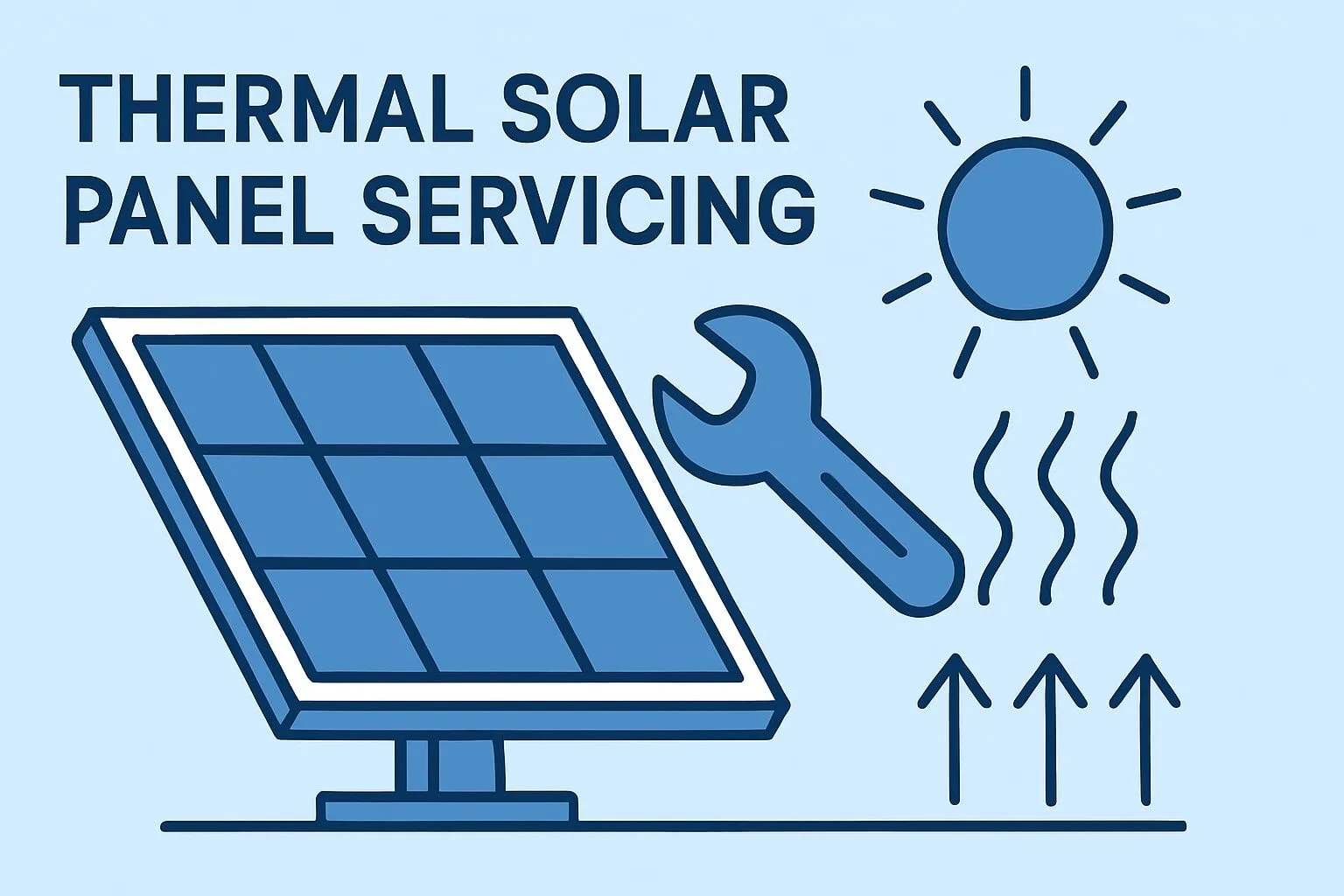
With energy bills on the rise and climate concerns growing, keeping your thermal solar panel servicing up to date is more important than ever. Well-maintained panels can help you cut your hot water heating costs by as much as 60 percent, making a real difference to your household budget.
In this guide, you will discover the essential tips and latest servicing practices you need for effective thermal solar panel servicing in 2025. We will show you why regular servicing matters, highlight common issues to watch for, and walk you through step-by-step maintenance and cleaning best practices.
Imagine maximising your solar investment and enjoying reliable performance year-round. Ready to get started? Follow our expert advice to keep your system running efficiently in 2025 and beyond.
Keeping your thermal solar panels in top condition is not just about saving money, it is about taking an active role in the future of energy. As we move towards 2025, the need for effective thermal solar panel servicing is more crucial than ever. Let us explore why regular attention to your system delivers long-term value and peace of mind.
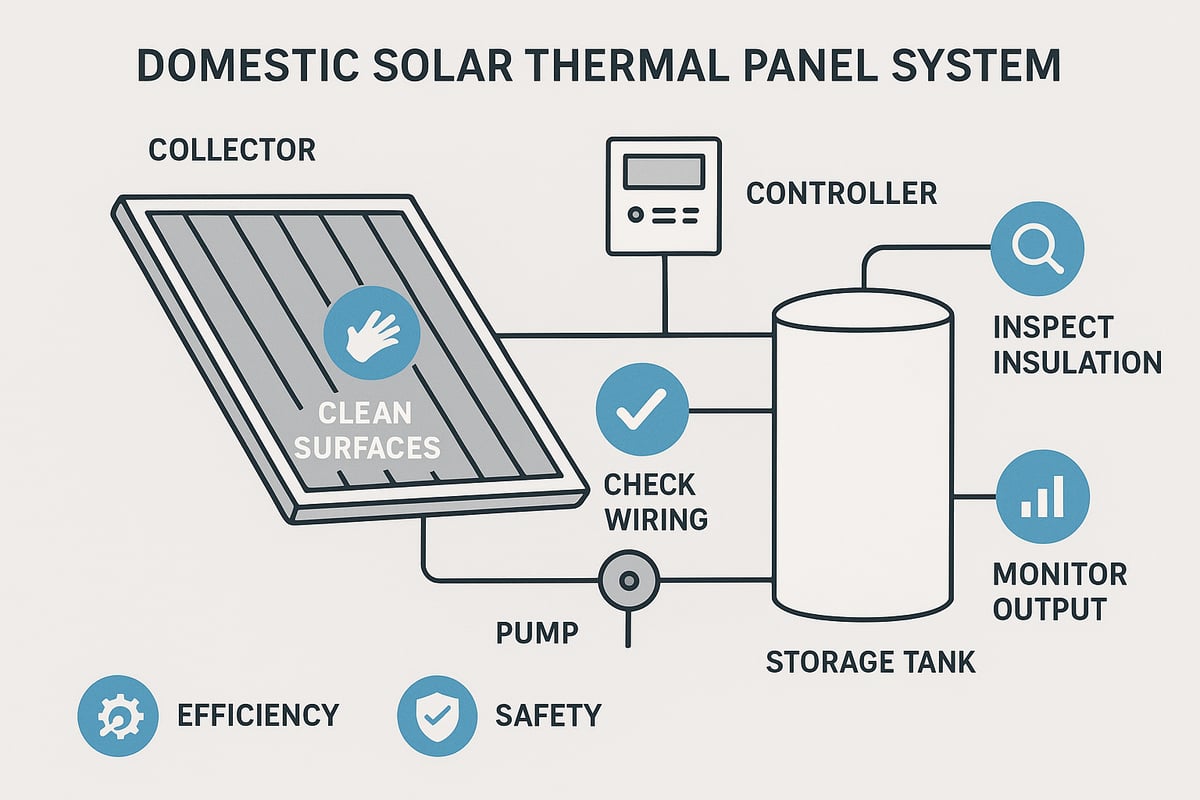
The UK’s focus on renewable heating is intensifying, with solar thermal technology playing a vital role in the national push for reduced carbon emissions. Government targets demand cleaner energy, and as a result, more homeowners and businesses are turning to solar thermal panels for efficient hot water generation.
Thermal solar panel servicing is now a fundamental part of responsible energy management. With rising energy bills, an efficiently maintained system can provide significant cost relief, cutting hot water heating expenses by up to 60 percent according to U&I Renewables. Panels that receive proper care often last over 25 years, a fact supported by industry warranties and long-term case studies.
Environmental gains are just as compelling. Regular servicing reduces your carbon footprint and eases reliance on fossil fuels. In 2025, new regulations and standards for solar servicing are being introduced to ensure optimal system performance and safety. There is also an increase in government grants and incentives, making it easier and more affordable to keep your system in top shape.
As the UK works towards Net Zero targets, the role of thermal solar panel servicing becomes even more pronounced. If you would like to understand the full scope of these systems, the Solar thermal systems overview provides excellent background and details.
Failing to prioritise thermal solar panel servicing can quickly undermine your investment. Dirty or damaged panels may lose up to 50 percent efficiency, as highlighted by Skylamp Solar. This means less hot water, higher bills, and more frequent reliance on backup heating.
Neglected servicing shortens the lifespan of your panels, allowing minor faults such as micro-cracks or delamination to worsen unnoticed. Small issues can escalate into costly repairs or even require complete panel replacement. Safety is also at risk, with faulty wiring or leaking pipes posing hazards to both property and occupants.
Another key consideration is warranty and compliance. Most manufacturers require routine servicing to maintain coverage, and missed appointments may result in lost eligibility for grants or incentives. During peak demand months, reduced system performance can be especially frustrating, making regular checks essential for uninterrupted service.
When you invest in thermal solar panel servicing, you ensure your system operates at peak efficiency and delivers the best possible return. Homeowners with well-maintained panels have reported annual savings of up to £1,200, demonstrating the tangible impact of regular care. Businesses using serviced systems and battery storage are achieving up to 90 percent self-sufficiency, significantly reducing their reliance on the grid.
Financial incentives like Feed-In Tariffs and export payments depend on optimal panel output, which only regular servicing can guarantee. Maintaining your system also helps you qualify for government grants, with some schemes offering up to £7,500 for upgrades or improvements. The result is a shorter payback period and increased property value, especially when maintenance records are well documented.
On the environmental side, thermal solar panel servicing directly contributes to lower carbon emissions and improved air quality. Reliable hot water production for decades not only benefits your household but also supports community health and sustainability goals. By keeping your panels in top condition, you are actively supporting the UK’s transition to renewable energy and a cleaner future.
Across the UK, more households rely on renewable heating, making thermal solar panel servicing a top priority. Understanding the typical faults that affect these systems helps you prevent costly repairs and maximise efficiency. Below, we break down the most common issues and what to watch for during maintenance.
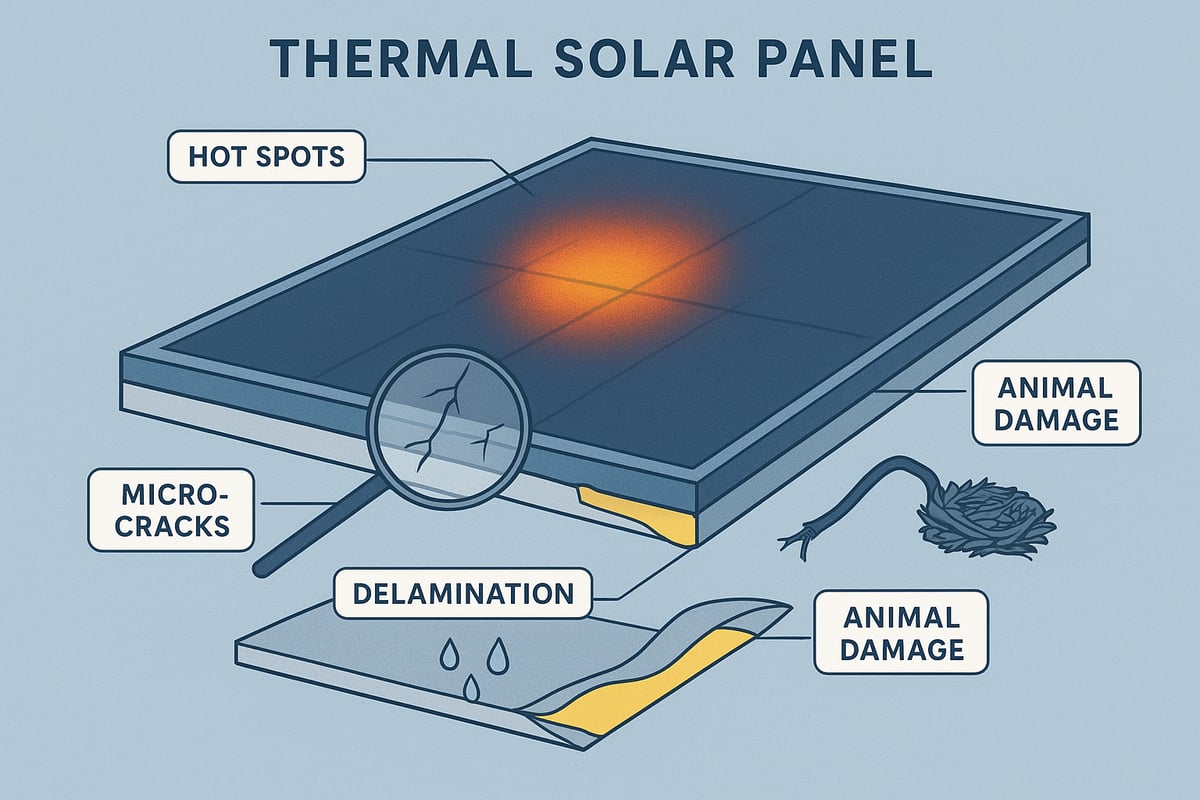
Hot spots occur when parts of a solar panel become significantly hotter than others, usually due to dirt, shade, or manufacturing defects. This localised heating can severely reduce panel output and even cause permanent cell damage.
For instance, bird droppings or moss on the glass block sunlight, creating areas of excessive heat. Data shows that dirty panels can lose up to 50% efficiency, highlighting why regular thermal solar panel servicing is crucial.
Infrared thermography during inspections quickly detects these hot spots. To prevent overheating, schedule frequent cleaning and professional checks. If hot spots persist, professional cleaning or replacement may be required.
Micro-cracks are tiny fractures in the panel’s surface, often invisible to the naked eye. They typically result from poor handling, extreme weather, or manufacturing flaws. Over time, these cracks can expand, reducing efficiency by up to 20%.
Panels exposed to hail or strong winds are especially vulnerable. Most panels will develop some micro-cracks during their lifespan, which is why thermal solar panel servicing must include close visual inspection and output testing.
If severe cracks are found, replacing the affected panel is best. Minor cracks need regular monitoring to ensure they do not worsen.
Delamination happens when the protective layers of a solar panel start to peel away, exposing inner components to moisture. This allows water to seep inside, causing oxidation, rust, and potentially complete failure.
Cheaper panels or those with poor-quality lamination are more susceptible. During thermal solar panel servicing, look for signs like bubbling, peeling, or fogging under the glass.
Prompt replacement of affected panels prevents further damage. Regular servicing ensures early detection, protecting your investment and system efficiency.
Potential Induced Degradation, or PID, is a complex issue caused by voltage differences between the solar panel and the earth. This can lead to a sudden and significant loss of output as well as a shortened lifespan.
A common sign is a sharp drop in energy generation with no obvious physical damage. PID is best identified through system performance monitoring and comprehensive checks during thermal solar panel servicing.
Professional intervention is essential. A qualified technician can reconfigure the system to resolve PID and restore proper function.
Wildlife and environmental factors pose real risks to solar panels. Birds may nest under arrays, rodents can chew through wiring, and falling branches can damage the surface.
Ground-mounted panels are especially at risk. Installing wire mesh or bird spikes helps prevent animal intrusion. During thermal solar panel servicing, always inspect wiring and panel integrity for early signs of trouble.
Taking swift action after spotting damage limits repair costs and avoids system downtime. For more detailed information on these issues and how regular maintenance can help, see this Common faults in solar panels guide.
Keeping your solar thermal system in top condition requires a structured approach. A comprehensive thermal solar panel servicing routine ensures every component is checked, cleaned, and maintained for maximum efficiency and longevity. Follow these essential steps for reliable performance throughout the year.
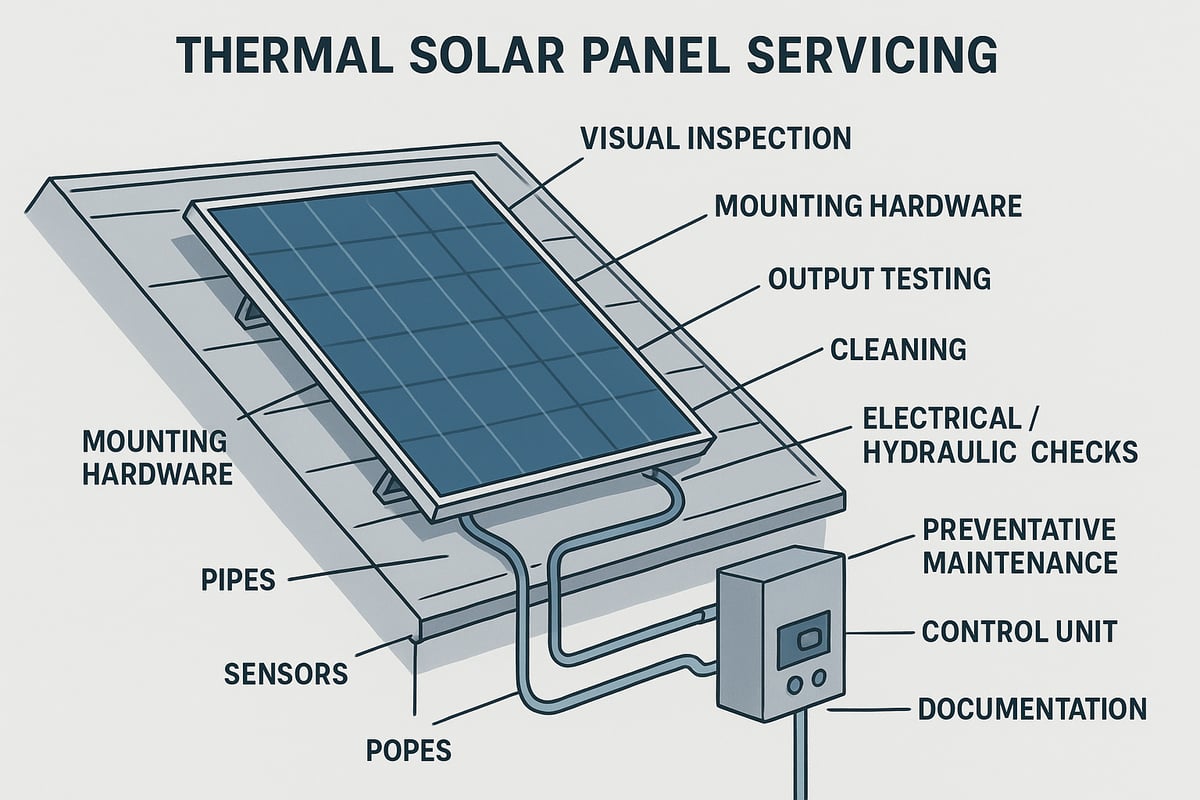
Begin your thermal solar panel servicing with a thorough visual assessment. Walk around your property and check each panel for dirt, debris, cracks, or signs of delamination. Inspect mounting brackets and frames to ensure panels remain securely fastened and correctly angled for optimal sunlight.
Carefully examine wiring, connectors, and insulation for wear, corrosion, or animal damage. Look for any exposed cables or chewed insulation, especially if you have seen birds or rodents near your system. Use a telescopic camera or drone for hard-to-reach panels, especially on larger or multi-storey buildings.
Record your findings in a maintenance log, as most manufacturers require documented inspections to uphold warranty terms. According to industry specialists, annual inspections by a trained eye can catch issues invisible to homeowners. This step forms the foundation for reliable thermal solar panel servicing and helps prevent minor faults from escalating.
After your visual inspection, move on to performance and output testing. Compare the current energy generation of your panels with the manufacturer's specifications and past performance records. Use system monitoring software or generation meters to track real-time data.
Look for any unexpected dips or fluctuations in output. A sudden decrease might signal a micro-crack, potential induced degradation, or another developing issue. Document all readings, noting any discrepancies or patterns that repeat over time.
Regular performance checks are a vital part of thermal solar panel servicing, as they help identify faults early. Reliable output ensures you are maximising savings and meeting household hot water needs. If results seem lower than expected, arrange a professional assessment to pinpoint the cause.
Cleaning is a critical step in thermal solar panel servicing. Begin by gently brushing away loose debris such as leaves or dust using a soft brush or leaf blower. For more stubborn grime, use purified water and a non-abrasive cloth or squeegee. Avoid harsh chemicals or pressure washers, as these can damage the panel surface and seals.
Aim to clean your panels at least once a year, or every six months if your property is prone to bird droppings, heavy pollen, or nearby trees. Remember, rain alone does not clean panels effectively, as dirt accumulates in corners and can cause hot spots.
Prioritise safety: use appropriate access equipment, and never attempt rooftop cleaning in wet or windy conditions. For systems that are difficult to reach, consider hiring a professional. Regular cleaning as part of thermal solar panel servicing can restore up to 50 percent lost efficiency due to soiling.
Next, carry out electrical and hydraulic checks. Tighten all electrical connections and inspect terminals for corrosion or signs of overheating. Test sensors, controllers, and safety devices to ensure accurate system operation. If your system uses a pump, listen for unusual noises that might indicate wear or impending failure.
Check all pipes, joints, and insulation for leaks, blockages, or signs of frost damage. Even small leaks can reduce system efficiency and lead to water damage inside your property. Replace worn-out components promptly to avoid larger faults.
This step of thermal solar panel servicing is crucial for both safety and performance. If you are unsure about any electrical or hydraulic issue, consult a certified technician. Professional servicing, as outlined in the General servicing for renewables guide, ensures complex problems are resolved safely and efficiently.
Preventative care is the key to extending the life of your solar thermal system. Address minor faults before they escalate by repairing cracked seals, tightening loose fittings, and replacing worn gaskets. Trim back any overhanging branches or vegetation that might shade the panels or drop debris.
Review the surrounding area for new obstructions, such as recently planted trees or nearby construction. Update any software or firmware associated with your monitoring system to benefit from the latest efficiency improvements and security features.
Integrating preventative steps into your thermal solar panel servicing schedule can add years to your system's lifespan. Regular optimisation ensures you continue to benefit from reliable, high-output renewable heating year after year.
Finally, document every action taken during your thermal solar panel servicing. Record inspection results, cleaning dates, performance readings, and any repairs or part replacements. Keep these records in a dedicated file, as they are essential for warranty claims and insurance coverage.
Set reminders for your next scheduled service, adjusting frequency based on your system's environment and usage levels. Many manufacturers require annual servicing for warranty validity, so staying organised protects your investment.
By maintaining comprehensive documentation and a consistent servicing schedule, you ensure your solar thermal system remains efficient, safe, and compliant with industry standards.
Keeping your thermal solar panel servicing routine up-to-date is vital for maintaining system efficiency and reliability. With the UK’s growing commitment to renewable energy, proper cleaning and maintenance have never been more relevant. Well-serviced panels not only deliver higher energy yields but also protect your investment for years to come.
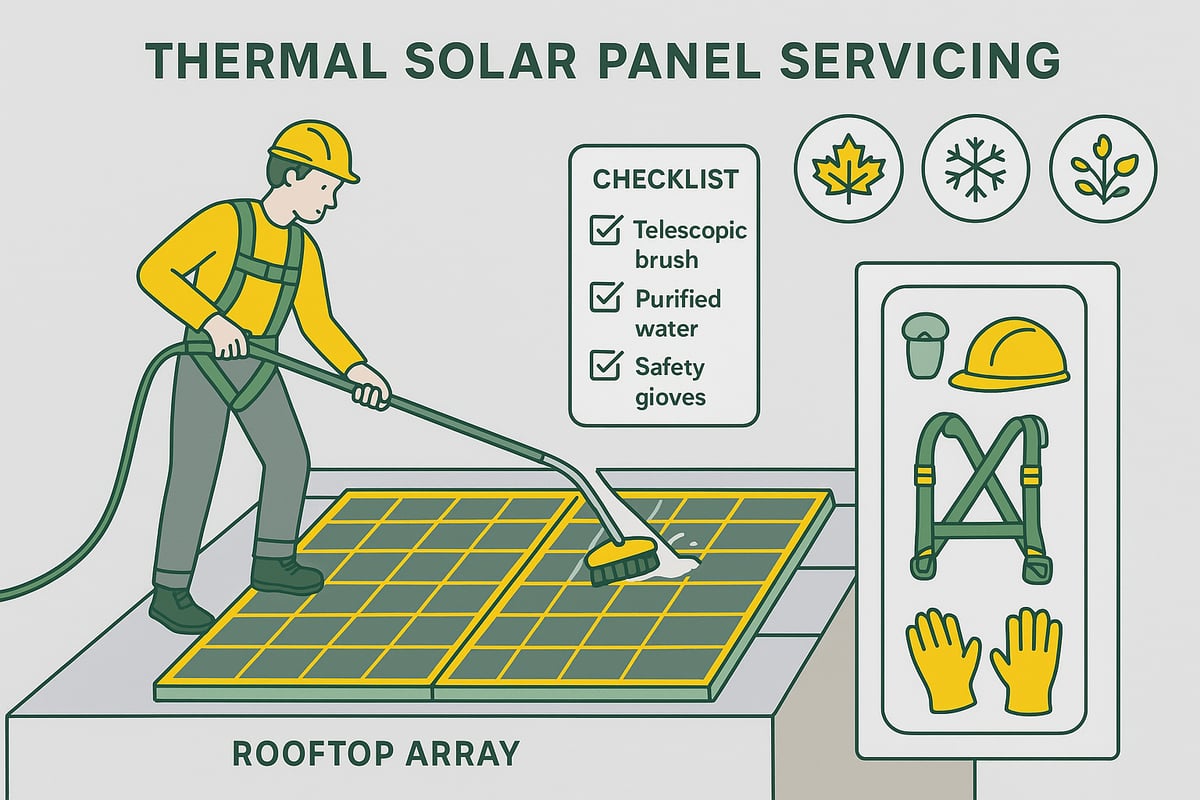
A regular cleaning schedule is central to effective thermal solar panel servicing. For most UK homes, panels should be cleaned at least once per year. In areas prone to dust, bird droppings, or tree sap, increase this frequency to every six months.
Use purified water and a soft brush or microfiber cloth. This prevents mineral deposits and scratches that can lower efficiency. Avoid abrasive pads or rough sponges, as these can damage the glass surface. Rural and wooded locations often demand more frequent attention due to increased debris.
Consistent cleaning ensures your panels absorb maximum sunlight. Remember, panels left dirty can lose up to 50 percent efficiency, making thermal solar panel servicing an essential part of energy management.
Using the correct tools is a critical part of thermal solar panel servicing. Telescopic poles and soft-bristled brushes allow safe cleaning from the ground or a secure platform. Squeegees help remove excess water for a streak-free finish.
Commercially available solar panel cleaning kits contain everything needed for a thorough job. Specialist companies often use deionised water, which leaves no streaks or residue. Steer clear of household detergents, as these may leave film that reduces sunlight absorption.
Safety is paramount. For rooftop installations, always use appropriate harnesses or consider hiring a professional. A well-equipped toolkit is a valuable asset for anyone committed to regular thermal solar panel servicing.
Many homeowners can tackle basic thermal solar panel servicing tasks themselves, especially on ground-mounted or easily accessible systems. DIY cleaning allows for quick response to obvious soiling and can help maintain efficiency between professional visits.
However, professional cleaners bring expertise and specialist equipment. Their services are often bundled with annual maintenance contracts, ensuring comprehensive care. Professionals are trained to identify underlying issues that might escape an untrained eye.
Attempting complex cleaning or repairs without proper knowledge can risk both personal safety and your panel warranty. For peace of mind, consider professional thermal solar panel servicing at least once a year.
Seasonal changes impact your thermal solar panel servicing needs. Spring and autumn are the best times for a full service, as mild weather makes cleaning safer and more effective. In autumn, remove fallen leaves and organic debris. Spring is ideal for clearing pollen and winter grime.
Before peak summer, check that your system is ready to deliver optimal performance. In winter, ensure no snow or ice is blocking sunlight. Most UK panels benefit from one or two services per year, keeping them efficient throughout changing seasons.
Planning ahead with seasonal thermal solar panel servicing ensures you always get the best return from your investment.
Prioritising safety during thermal solar panel servicing is essential. Always switch off your system before starting any work. Use ladders with care and avoid working in wet or windy conditions. If cleaning from a height, wear a harness and never work alone.
Choose eco-friendly cleaning products to prevent chemical runoff into local waterways. With no moving parts, maintenance is usually straightforward, but taking shortcuts can lead to accidents or long-term damage.
For a comprehensive approach to renewable heating and maintenance, review the Renewable heating system guide for additional insights on system care.
By following these best practices, you ensure your thermal solar panel servicing routine is safe, effective, and environmentally responsible.
Thermal solar panel servicing is essential for maintaining peak performance, but even the best systems can run into issues. Knowing how to troubleshoot your solar thermal setup, and when to bring in a professional, saves time, money, and stress. This section guides you through the process, helping you make the right decisions for your home or business.
The first step in thermal solar panel servicing is recognising when your system is not performing as it should. Monitor your daily and annual energy generation figures using built-in meters or monitoring apps. Compare these numbers to the estimates on your system’s MCS certificate or previous years’ output.
If you notice a sudden drop in hot water temperature or a 20% reduction in output, it could signal a developing fault. Look for visible signs such as leaks, damaged insulation, or error messages on the controller. These indicators often mean your thermal solar panel servicing is overdue.
Regular monitoring helps you spot trends and address minor issues before they escalate. By keeping a log of performance data, you create a valuable resource for both DIY troubleshooting and professional diagnostics.
Some problems with thermal solar panel servicing can be tackled without specialist help, provided you follow safety guidelines. Start by visually inspecting the panels for obvious debris, such as leaves, bird droppings, or snow. Use a soft brush or cloth to remove surface dirt.
Reset system controls after a power cut and ensure all isolation switches are in the correct position. Check for loose pipe connections or visible leaks. These basic steps can often restore normal function and improve efficiency.
However, always consult your system’s manual and warranty terms before attempting any fixes. Simple cleaning or resetting is usually safe, but anything beyond that could impact your warranty coverage. For a comparison with other maintenance types, see Solar PV servicing and maintenance.
There are situations where only a qualified engineer should handle your thermal solar panel servicing. If you detect micro-cracks, delamination, or persistent leaks, professional expertise is vital. Electrical issues, potential induced degradation, or inverter faults also require specialist knowledge.
Physical damage from storms, animal interference, or water ingress poses significant risks if ignored. Attempting to fix these problems yourself can be dangerous and may void your warranty. For system shutdowns, unexplained drops in output, or error codes, always call a certified technician.
Professional diagnostics ensure not only safe repairs but also compliance with industry standards. These experts have the tools and experience to restore your system’s performance and longevity.
Choosing the right company for thermal solar panel servicing makes all the difference in system reliability and warranty protection. Look for providers certified by MCS, RECC, or NAPIT, as these accreditations signal adherence to UK industry standards.
Assess companies based on their track record, clarity of pricing, and responsiveness. Trusted providers offer fixed-price callouts, emergency repairs, and full documentation of all work performed. Ask about service contracts that include annual inspections and cleaning.
Below is a quick comparison table for selecting service providers:
| Criteria | What to Look For |
|---|---|
| Certification | MCS, RECC, NAPIT |
| Experience | Proven track record |
| Pricing | Transparent, fixed rates |
| Documentation | Detailed service reports |
Regular professional servicing is recommended by leading UK installers, ensuring your system meets both performance and warranty requirements.
Thermal solar panel servicing costs typically range from £100 to £200 per year. Check if you qualify for government grants or local incentives, which can offset expenses and fund upgrades.
Maintaining thorough service records is essential for warranty claims. Missing an annual service may jeopardise your manufacturer coverage, so always schedule routine checks.
Thermal solar panel servicing is a topic many homeowners and businesses have questions about. Below, we answer the most common queries to help you keep your system running smoothly and efficiently.
Most experts recommend thermal solar panel servicing once every year. This ensures your system stays efficient and safe, with issues caught early before they escalate. In areas with high debris or heavy use, checks every six months are wise for maximum reliability.
Routine maintenance includes cleaning the panel surfaces, inspecting for dirt, and checking for leaks or damaged wiring. Technicians also test system controls and hydraulic components. Keeping up with these tasks helps avoid unexpected breakdowns and maintains high performance.
Basic cleaning and visual checks can be done by many owners, especially for ground-level panels. However, professional thermal solar panel servicing is essential for electrical, hydraulic, and more complex issues. Trained engineers can spot hidden faults and ensure compliance with warranty requirements.
Absolutely. Regular servicing helps panels last 25 years or more, as most industry warranties confirm. By catching small issues early, you prevent them from becoming costly faults, ensuring your investment delivers returns for decades.
Look out for a noticeable drop in hot water output, visible dirt or debris, leaks around pipes, or error messages from your monitoring system. If your system’s performance is 20 percent below expectations, schedule thermal solar panel servicing promptly to restore efficiency.
Rain helps remove loose dust, but it does not eliminate all residues or the grime that accumulates in panel corners. Manual cleaning is still needed for optimal results. Regular thermal solar panel servicing ensures deep cleaning that rain cannot provide.
Spring and autumn are ideal, offering mild weather for accurate checks and cleaning. Avoid extreme heat or cold for safety and best results. Scheduling thermal solar panel servicing at these times keeps your system ready for seasonal energy demands.
Yes, several grants and incentives exist for system upgrades and maintenance. Eligibility often depends on regular servicing and documentation. For the latest updates on available schemes and statistics, check resources like UK solar energy statistics 2025 to maximise your benefits.