No products in the basket.
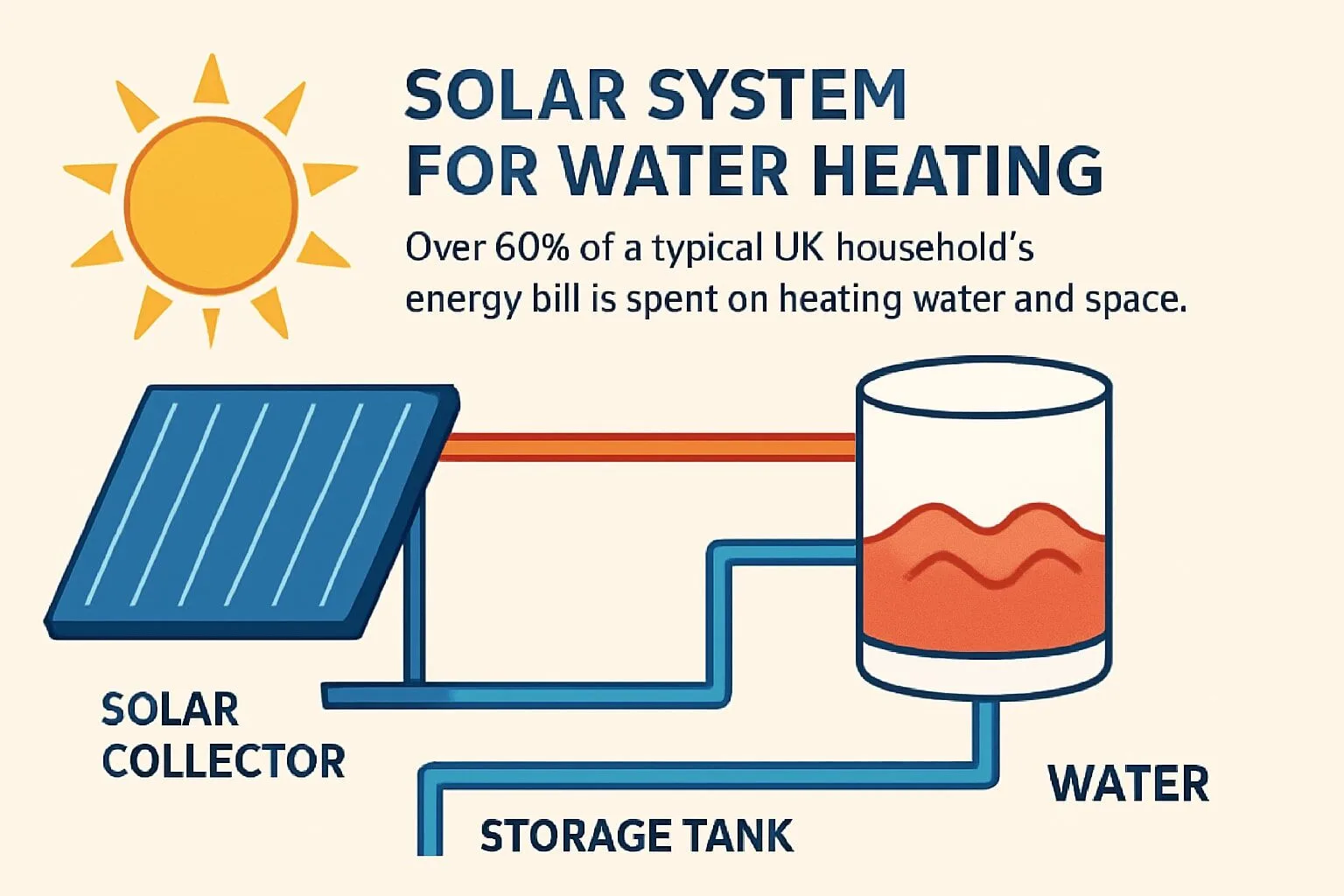
Did you know that over 60% of a typical UK household’s energy bill is spent on heating water and space? With rising energy prices and increasing environmental concerns, more homeowners are searching for sustainable and cost-effective solutions.
A solar system for water heating can offer dramatic reductions in both energy bills and carbon emissions, making it an essential investment as we approach 2026.
This guide will provide you with everything you need to know to choose, install, and benefit from a solar system for water heating in your home.
You will discover how these systems work, the types available, step-by-step installation advice, costs and savings, government incentives, and essential maintenance tips.
A solar system for water heating is an efficient, eco-friendly solution that uses the sun’s energy to provide hot water for your home. At its core, this technology captures solar radiation and transforms it into heat, significantly reducing the need for gas or electricity to warm water.
What is a Solar System for Water Heating?
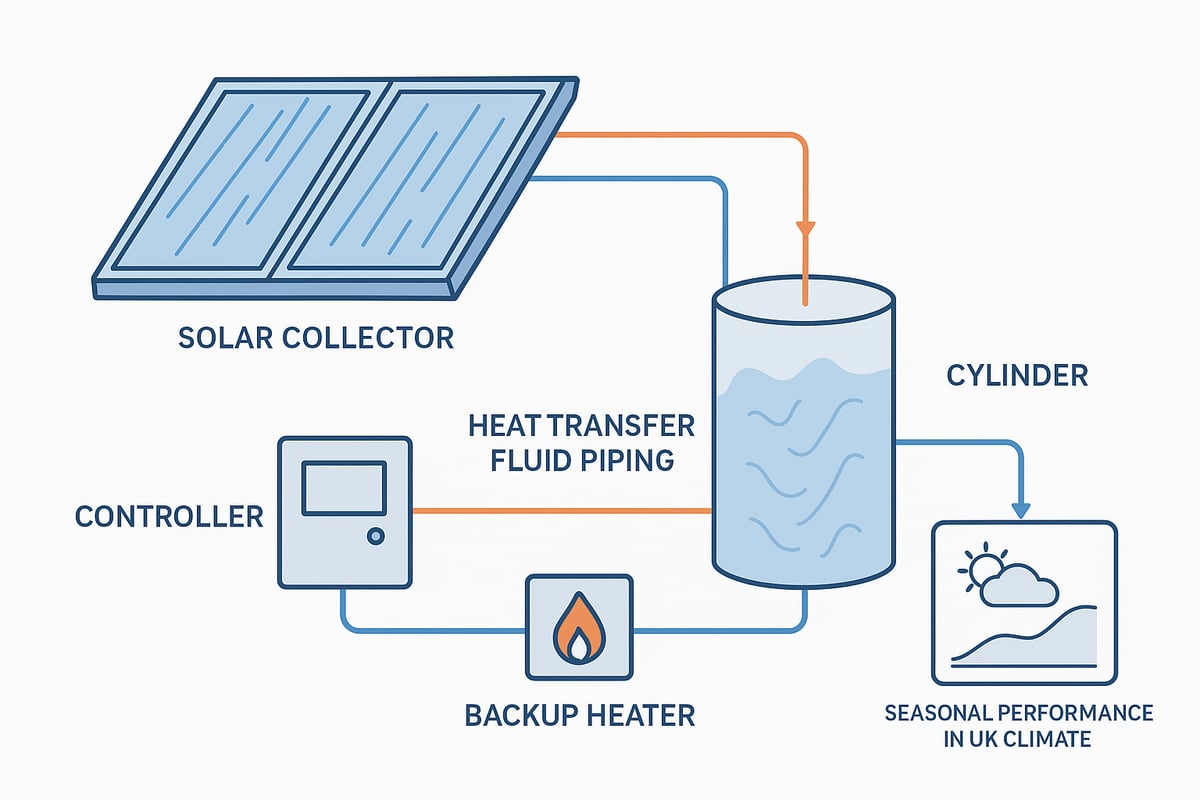
A solar system for water heating relies on solar collectors, usually installed on a roof, to absorb sunlight and convert it into usable heat. This energy heats a fluid (typically a mix of water and antifreeze), which is then circulated through pipes to a well-insulated hot water cylinder. From there, the stored hot water is available for showers, taps, and appliances.
Core Components Explained
There are five primary parts in a solar system for water heating:
These elements work in concert to ensure you always have access to hot water, even on cloudy days.
The Science: Harnessing Solar Energy
The process begins as solar collectors soak up sunlight. This energy heats the transfer fluid, which is pumped or flows naturally to the storage cylinder, releasing its heat into the water. A controller ensures the system operates only when solar input is sufficient. For a detailed walk-through, see How solar energy heats water.
A well-designed solar system for water heating can supply up to 60% of a typical UK household’s annual hot water needs. The remaining requirement is handled by the backup heater, ensuring reliability year-round.
Collector Types: Flat Plate vs Evacuated Tube
There are two main types of collectors:
| Collector Type | Efficiency (UK) | Pros | Cons |
|---|---|---|---|
| Flat Plate | 50–60% | Cheaper, robust | Less efficient in winter |
| Evacuated Tube | Up to 80% | High efficiency, good in low light | More expensive, fragile |
Evacuated tube collectors are up to 20% more efficient than flat plate models, making them ideal for the UK's often overcast climate. Choosing the right collector depends on your budget, space, and performance needs.
UK Performance: Seasons and Weather
The effectiveness of a solar system for water heating varies with the seasons. Peak performance is achieved from April to September, when sunlight hours are longest. During winter, systems still contribute, but backup heating becomes more important. Proper insulation and sizing help maximise year-round benefits.
System Integration
Modern solar system for water heating setups integrate seamlessly with existing combi boilers, immersion heaters, and smart home controls. This flexibility ensures compatibility with most UK homes, whether upgrading an older property or fitting a new build.
Common Myths Debunked
Some believe a solar system for water heating only works in hot climates, but UK systems are specifically designed for our weather. Others worry about maintenance, yet most systems require only annual checks. Finally, concerns about installation disruption are largely unfounded, with most domestic setups completed in two to three days.
With robust design, technological advances, and proper planning, a solar system for water heating offers a reliable way to cut energy bills and carbon emissions while supporting a sustainable future.
Choosing the right solar system for water heating is vital for efficiency, reliability, and long-term savings. Understanding the different types ensures your investment matches your property and lifestyle.
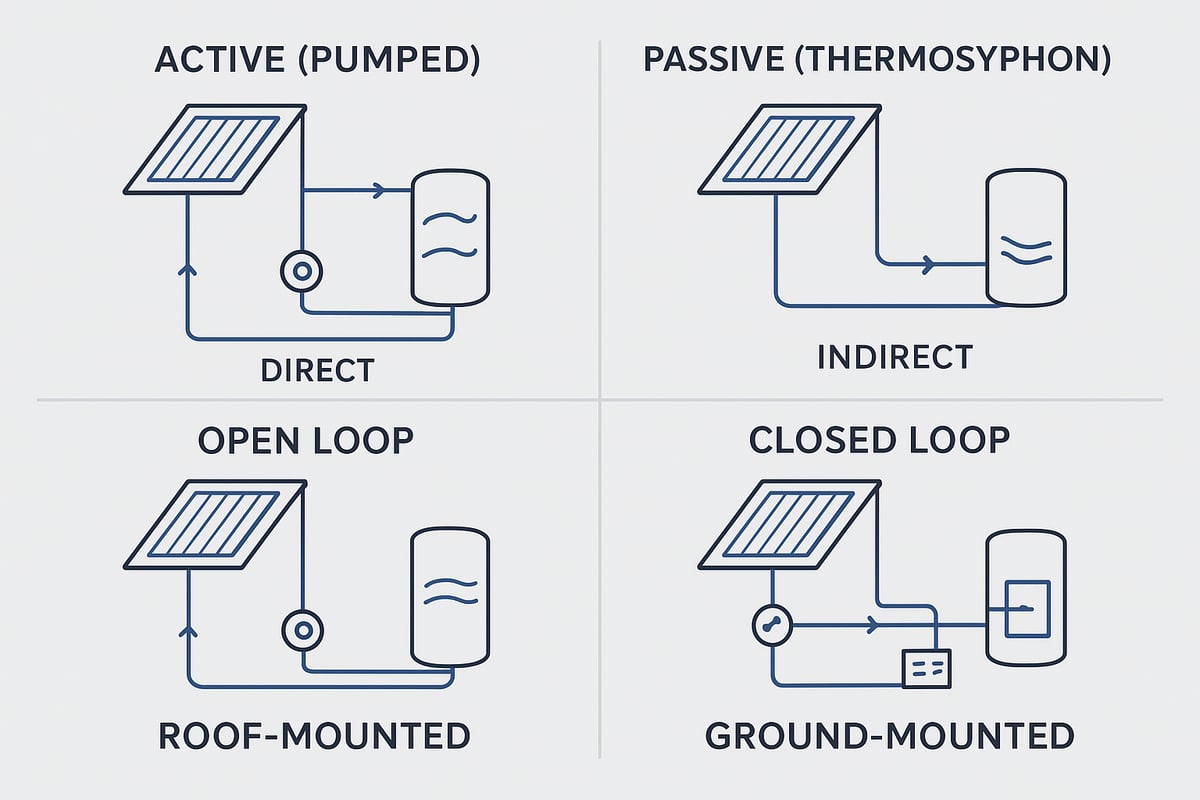
Solar system for water heating designs fall into two main categories: active (pumped) and passive (thermosyphon).
| Type | How It Works | Pros | Cons |
|---|---|---|---|
| Active | Uses a pump to circulate fluid | Greater control, flexible install | Needs electricity, more parts |
| Passive | Relies on natural convection | No moving parts, lower maintenance | Less efficient, needs good layout |
Active systems use electric pumps to move heat transfer fluid between the collectors and storage cylinder. They provide better control and can be installed in a wider range of properties. Passive systems depend on gravity and natural circulation, meaning fewer parts and lower maintenance, but they require careful positioning and are generally less efficient in the UK climate.
A solar system for water heating can be direct or indirect. In direct systems, the water you use flows straight through the collectors. This method is simple and efficient but only suitable in areas without hard water or frost risk. Indirect systems use a heat transfer fluid, often antifreeze, which circulates through the collectors and transfers heat to the domestic water via a coil. This protects against freezing and limescale, making it ideal for most UK homes.
Open loop systems allow the heat transfer fluid (or potable water) to be in contact with the atmosphere. These are less common in the UK due to contamination risks and freezing. Closed loop systems are sealed and pressurised, preventing contamination and improving safety. Most UK installations use indirect, closed loop designs for reliability and protection.
For a deeper dive, the Solar thermal heating systems guide offers detailed comparisons and advice for selecting the right type.
Where you place your collectors affects the performance of your solar system for water heating. Roof-mounted collectors are most popular, using minimal space and blending with the building. Ground-mounted systems are an alternative if roof space is limited, but they need more land and can affect garden aesthetics.
System sizing is crucial. As a rule of thumb, allow 1.5 square metres of collector area per person in your household. Cylinder volume should match your hot water demand. For example, a four-person family might install a 6m² collector and a 200-litre cylinder, while a small flat may need just 2m² and an 80-litre tank. This ensures your solar system for water heating meets your needs without oversizing or wasting energy.
Looking ahead to 2026, solar system for water heating technology includes smart controllers, better insulation, and seamless integration with heat pumps. These advances improve efficiency and future-proof your investment.
Safety and environmental features are essential. Anti-scald devices prevent hot water burns, while regular pasteurisation cycles guard against legionella bacteria. Choosing a solar system for water heating with these safeguards ensures comfort and peace of mind.
Selecting the right solar system for water heating involves weighing system type, sizing, placement, and the latest technology. With careful planning, you can enjoy reliable hot water, lower bills, and a greener home.
Planning and installing a solar system for water heating is a practical way to cut energy bills and reduce your environmental footprint. By following a structured approach, you can ensure your system suits your home, budget, and long-term needs.
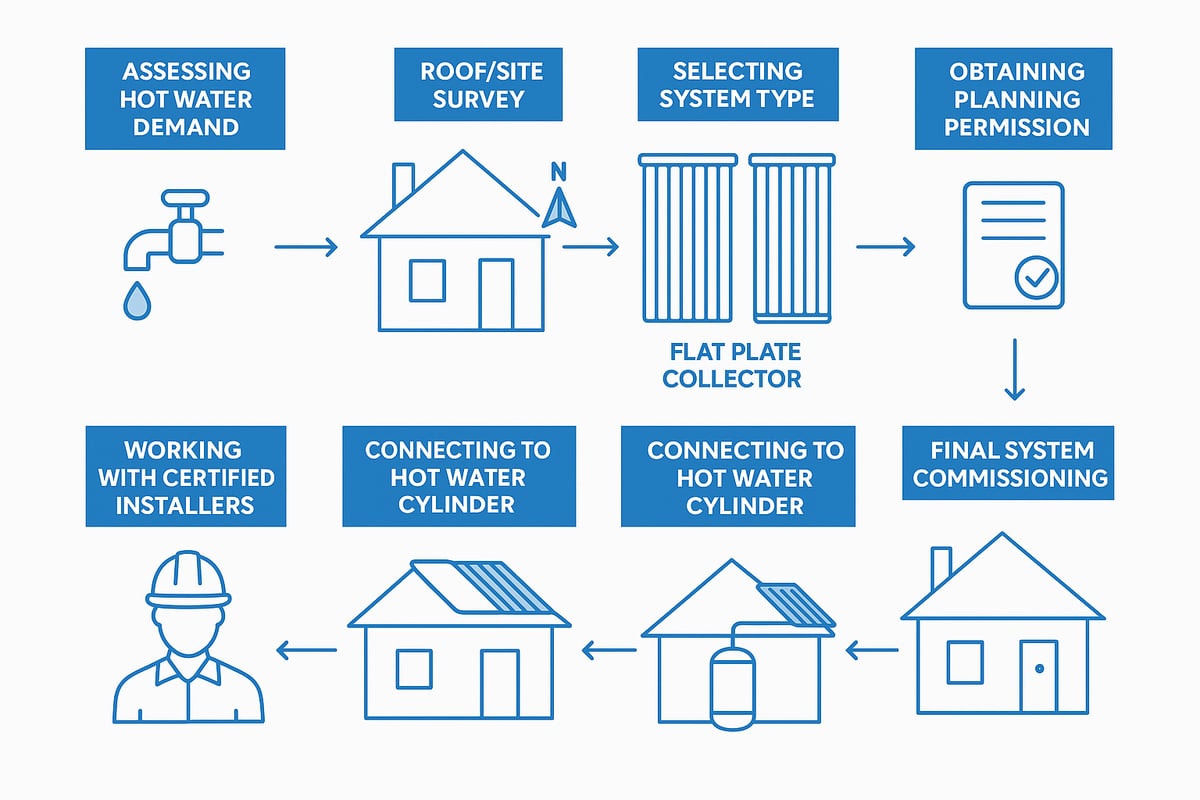
Begin by understanding your household’s hot water usage. Consider the number of occupants, daily routines, and typical demand for showers, baths, and appliances. Accurate assessment ensures your solar system for water heating is correctly sized, maximising efficiency and comfort.
Typical demand can be estimated by calculating litres of hot water needed per person daily. For most UK households, this ranges from 40–60 litres per person.
A site survey is essential. Examine your roof’s orientation—south-facing roofs are ideal for solar collection. Check for shading from trees or nearby buildings, as this affects performance. Assess the roof’s structural integrity to handle the weight of collectors and mounting frames.
If a roof is unsuitable, ground-mounted options may be considered. This step ensures your solar system for water heating operates at peak efficiency throughout the year.
Select a system that fits your property’s needs. Decide between flat plate and evacuated tube collectors, considering efficiency, space, and budget. Evacuated tubes often outperform in the UK’s variable climate.
Choose between direct and indirect systems, factoring in water hardness and frost risk. Match the collector area and cylinder size to your demand—1.5m² per person is a common guideline. For more detail on system types and selection, consult the Solar Water Heating in 2025 Guide.
Most domestic solar thermal systems are classed as permitted development but always check with your local planning authority. Listed buildings or conservation areas may require special approval.
Ensure compliance with building regulations on structural safety, plumbing, and energy efficiency. Proper documentation protects your investment and supports future property sales.
Choose a certified installer accredited by recognised UK bodies such as MCS (Microgeneration Certification Scheme). Experienced professionals ensure your solar system for water heating meets the highest standards.
Ask for references, check insurance, and request a detailed quote. Installation for most homes takes 2–3 days, but timelines can vary based on property complexity.
The installation process begins with mounting the collectors—typically on the roof, using robust brackets. Next, pipework is installed to connect collectors to the hot water cylinder. An insulated cylinder stores the heated water, while a control panel manages system operation.
Backup heaters, such as immersion elements or combi boilers, are integrated for cloudy days. All electrical and plumbing work must be completed by qualified professionals.
Commissioning involves checking the system for leaks, correct pressure, and optimal operation. Installers will test the sensors, pumps, and controllers.
They will also explain the system’s controls and maintenance schedule. A well-commissioned solar system for water heating provides reliable year-round performance.
A typical domestic installation follows this timeline:
| Stage | Timeframe | Key Milestone |
|---|---|---|
| Assessment & Survey | 1–2 weeks | Demand analysis, roof check |
| System Selection | 1 week | Type and size finalised |
| Permissions/Planning | 2–4 weeks | Approvals and paperwork |
| Installation | 2–3 days | Collectors and cylinder fitted |
| Commissioning | 1 day | System tested and handed over |
Efficient planning ensures your solar system for water heating is up and running with minimal disruption.
Avoid undersizing the hot water cylinder, poor insulation, and incorrect collector orientation. These issues reduce efficiency and increase costs. Always use certified installers and adhere to manufacturer guidelines.
Key statistics:
With careful planning, the right system choice, and professional installation, you will enjoy reliable savings and reduced carbon emissions for years to come.
Understanding the costs and savings of a solar system for water heating is essential before making an investment. In 2026, most UK homeowners can expect upfront costs between £3,000 and £6,000 for a domestic system. The final price depends on several factors, including the size of the system, the type of solar collectors, and the complexity of installation.
Larger systems designed for bigger households will naturally cost more. Flat plate collectors tend to be more affordable, but evacuated tube collectors offer higher efficiency, especially in the UK's variable climate. Installation costs may rise if roof access is difficult or if structural reinforcements are required.
For a detailed breakdown of these factors and current price ranges, see the Solar Thermal Heating Systems: Benefits, Costs & Grants guide.
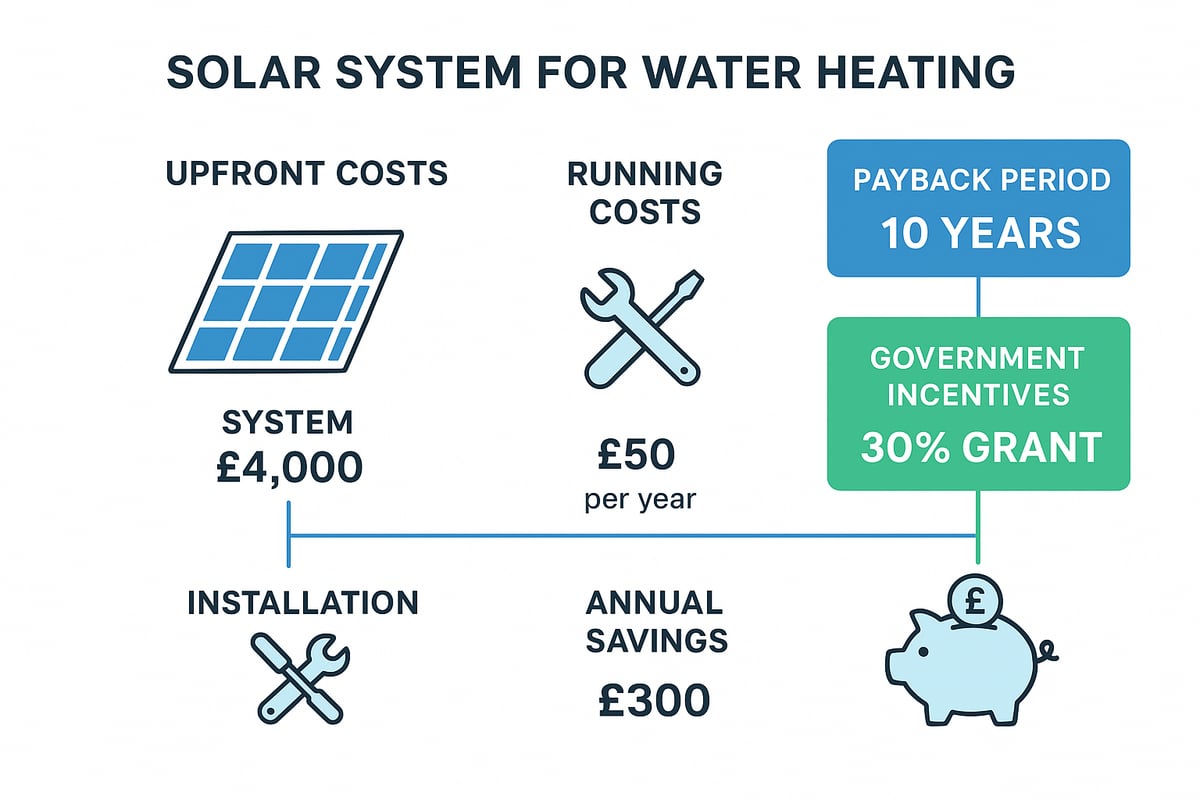
Running costs for a solar system for water heating remain low after installation. Once set up, the only ongoing expenses are periodic maintenance, such as annual servicing, antifreeze checks, and occasional part replacements. Most homeowners pay between £100 and £150 per year for upkeep.
The main financial benefit comes from significant energy savings. A well-sized solar system for water heating can reduce hot water bills by up to 60 percent. For an average UK home, this translates to yearly savings of £200 to £300. These figures mean that, over time, the system effectively pays for itself while also protecting against future energy price rises.
Government incentives play a crucial role in improving the return on investment for a solar system for water heating. In 2026, homeowners may be eligible for grants such as the Boiler Upgrade Scheme, which can offer up to £7,500 towards installation. Additional incentives include VAT relief on renewable technologies and, in some regions, extra local grants or tax credits.
A typical payback period ranges from seven to twelve years, depending on system size, household demand, and the value of any incentives claimed. For example, a 3-bedroom home installing a £4,500 system that saves £250 per year, and receives a £5,000 grant, could see a payback in just under eight years.
To help visualise the financial landscape, consider the following comparison:
| System Type | Upfront Cost | Annual Savings | Payback Period | Incentives Available |
|---|---|---|---|---|
| Solar system for water heating | £3,000–£6,000 | £200–£300 | 7–12 years | Grants, VAT relief |
| Gas Boiler | £2,000–£4,000 | £0–£50 | N/A | Limited |
| Electric Immersion | £1,000–£2,000 | £0 | N/A | None |
For a comprehensive look at the advantages, drawbacks, and costs associated with solar water heating panels, visit Solar Water Heating Panels (UK): Pros, Cons, & Costs.
Choosing a solar system for water heating is not just a financial decision, but a long-term investment in energy independence and sustainability. With rising energy prices and generous grants available, 2026 is set to be a milestone year for renewable water heating in the UK.
A well-maintained solar system for water heating delivers reliable hot water and maximises your investment. Understanding how to care for your system, spot issues early, and plan routine servicing will ensure it meets your needs for decades. With the right approach, you can enjoy consistent savings and strong performance throughout your system's lifespan.
Routine care is the foundation for a durable solar system for water heating. Annual servicing is highly recommended. This includes checking antifreeze levels in indirect systems, inspecting pipe insulation, and cleaning the collector surfaces to remove debris or limescale. A periodic visual inspection helps spot leaks, corrosion, or shading from overgrown trees.
Common issues can arise, such as airlocks in the pipework, pump failures, or faulty temperature sensors. If hot water output drops suddenly, the problem could be as simple as a blocked filter or as complex as a malfunctioning controller. To address these, prompt troubleshooting is essential. For a comprehensive guide on servicing and resolving typical problems, see these solar thermal system servicing tips.
Most issues are straightforward to identify. For example, a gurgling sound may indicate trapped air, while a cold storage tank could point to a failed pump. Early intervention prevents small faults from turning into expensive repairs and helps maintain the efficiency of your solar system for water heating.
With proper care, a solar system for water heating can last over 20 years, making it a wise long-term investment. Most solar collectors come with warranties of 10 to 15 years, and many systems continue to perform efficiently beyond that with regular upkeep. Professional servicing is recommended annually, with typical costs ranging from £100 to £150. This includes system flushing, antifreeze replacement, and a thorough inspection of all components.
Knowing when to seek expert help is vital. If you notice persistent leaks, unusually high energy bills, or repeated system shutdowns, it is time to call a certified technician. Attempting complex repairs yourself can void warranties and risk further damage.
For answers to common longevity and troubleshooting questions, refer to these Solar Thermal Hot Water Systems FAQs. Investing in professional maintenance ensures your solar system for water heating delivers optimal performance year after year.
To get the most from your solar system for water heating, follow a few best practices. Keep external collectors clear of dirt and shade. Insulate all pipework thoroughly to minimise heat loss, especially in unheated spaces. Check system controls regularly and update software if smart controllers are installed.
A real-world case study shows that a 10-year-old system, serviced annually and cleaned seasonally, continues to meet over half of a family’s hot water needs. This demonstrates how consistent care leads to long-term savings and reliability.
Remember, combining DIY tasks like visual inspections with annual professional servicing is the most effective way to maintain your solar system for water heating. This approach protects your investment and ensures sustainable comfort for years to come.