No products in the basket.
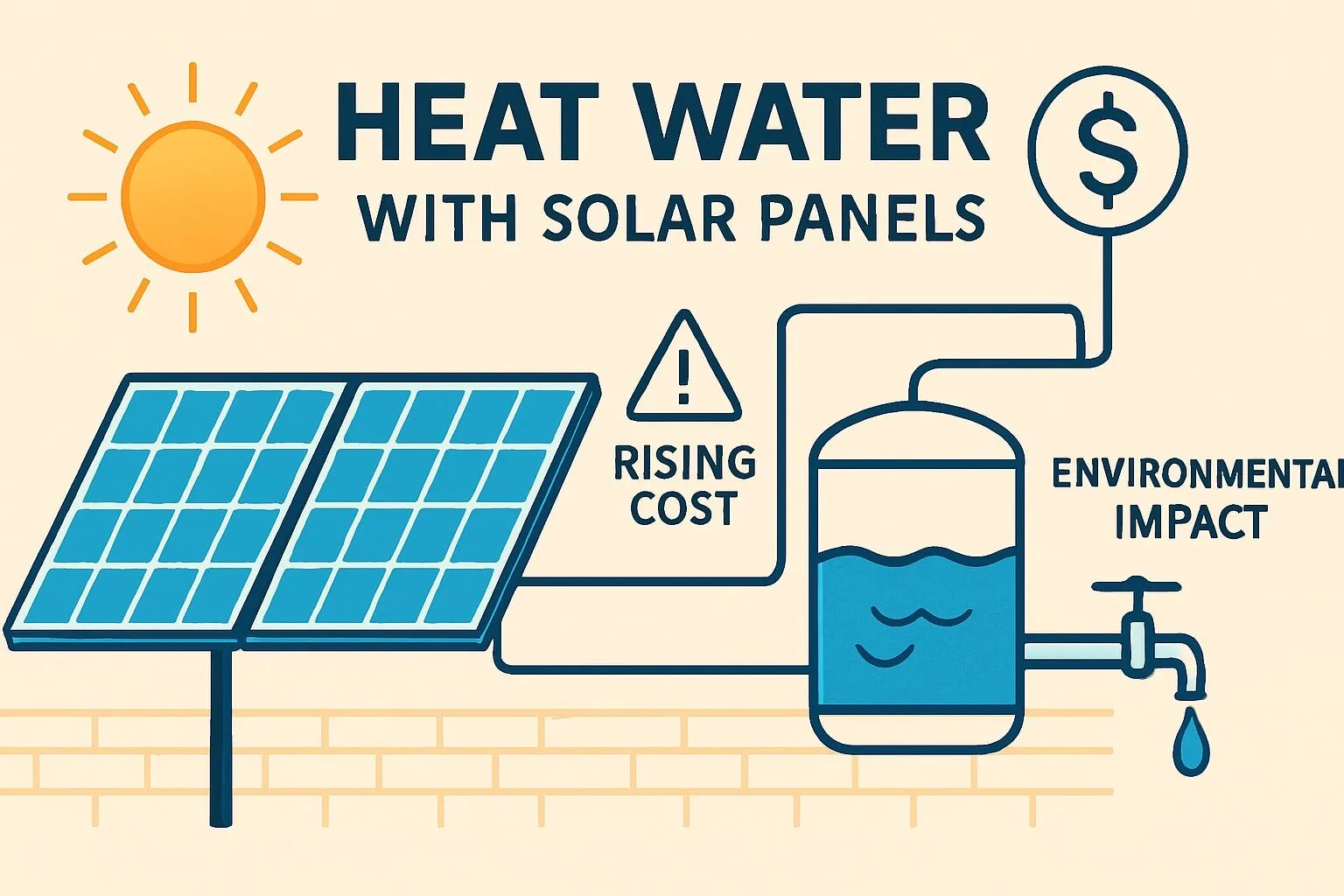
The cost to heat water with solar panels in the UK is rising, placing pressure on household budgets and the environment. Traditional methods rely on fossil fuels, which contribute to carbon emissions and climate change.
Across the UK, more homeowners are exploring solar energy, encouraged by attractive government incentives for renewable heating. These schemes make it easier to adopt cleaner technologies at home.
By choosing to heat water with solar panels, you can significantly reduce your energy bills and lower your carbon footprint. This transition supports both financial savings and environmental goals.
In this essential guide, you will discover everything you need to know about heating water with solar panels in 2026. We cover system types, installation steps, costs, and ongoing maintenance.
Our aim is to help UK homeowners make informed decisions, so you can maximise efficiency, savings, and sustainability when you heat water with solar panels.
Heating water is one of the largest energy demands in UK homes. Many households are now looking to heat water with solar panels, not only to control rising bills but also to reduce their carbon footprint. Understanding how these systems work is the first step to making an informed investment in solar water heating.
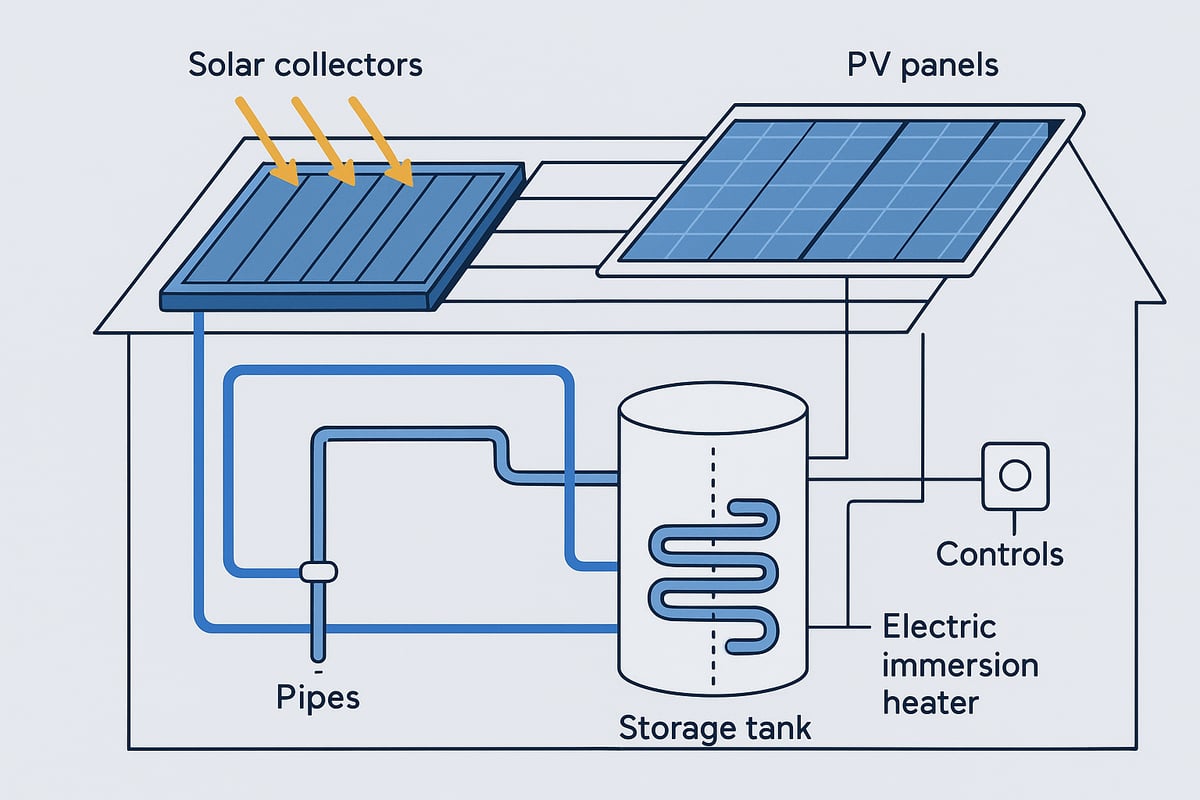
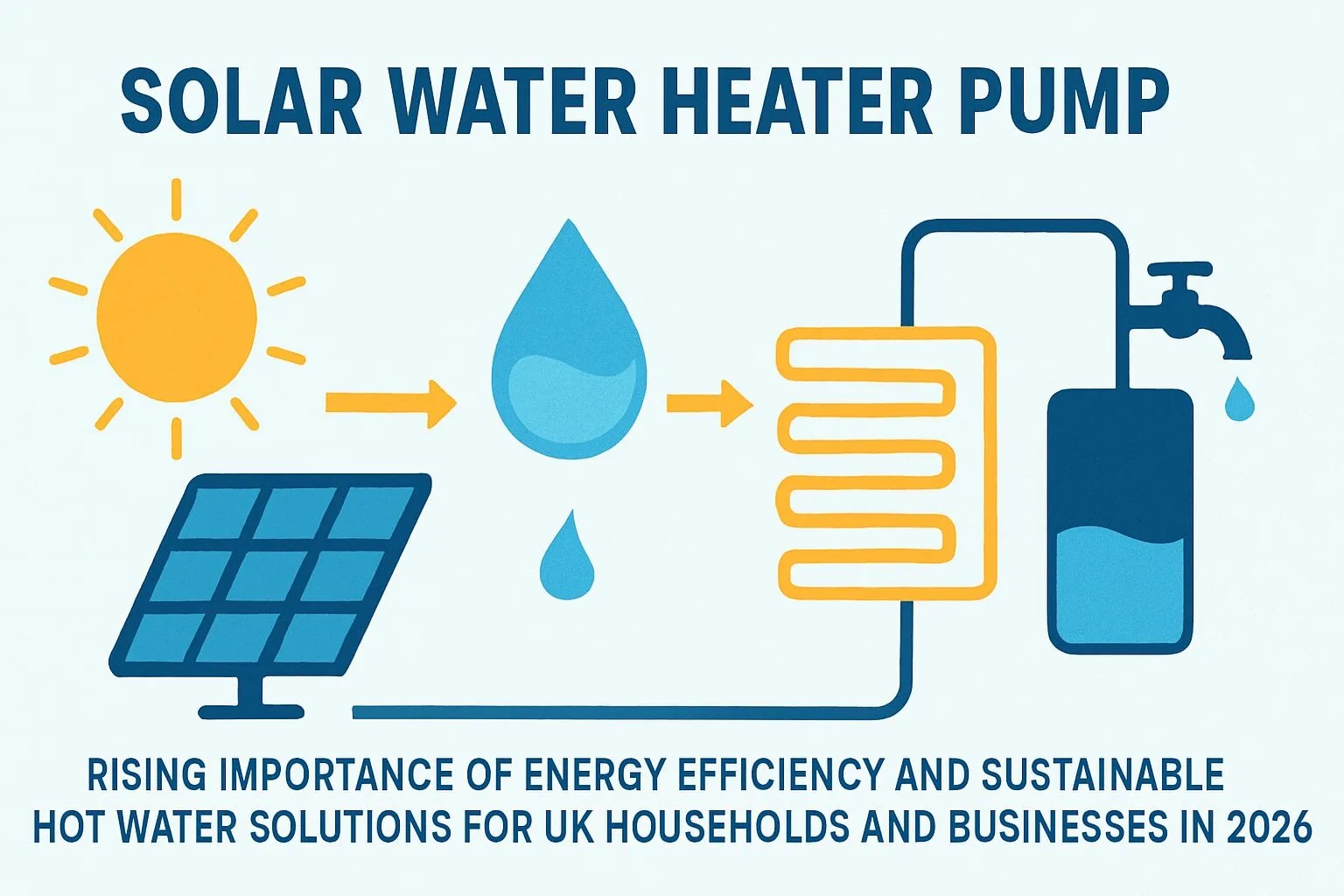
Solar water heating works by capturing the sun’s energy and transferring it to your domestic hot water supply. To heat water with solar panels, you can use either solar thermal or solar PV systems. Solar thermal collectors directly absorb sunlight, heating a fluid that circulates through pipes to a well-insulated cylinder. A heat exchanger then transfers this energy to your water.
Solar PV panels, on the other hand, convert sunlight into electricity, which can then be used to power an immersion heater for water. Typically, solar thermal systems are more efficient for water heating, achieving up to 70% efficiency. For a typical UK household, daily hot water demand is around 100–150 litres, making solar water heating a practical solution.
When you choose to heat water with solar panels, you’ll encounter several system types. Direct (open-loop) systems circulate water straight from the collectors to the cylinder, ideal in mild climates. Indirect (closed-loop) systems use a heat transfer fluid, protecting against freezing, making them more suitable for the UK.
Active systems rely on pumps and controllers, while passive systems use gravity and natural convection. Collectors come as flat plate panels or evacuated tubes. Flat plates are robust and affordable, while evacuated tubes offer higher efficiency in colder weather. Integration with existing boilers or immersion heaters ensures reliable hot water. The table below summarises the main options:
| System Type | Pros | Cons |
|---|---|---|
| Flat Plate | Cheaper, durable | Less efficient in winter |
| Evacuated Tube | High efficiency, compact | Higher cost |
These systems can be adapted for all UK property types, including terraced and detached homes.
Another way to heat water with solar panels is by using solar PV to power your immersion heater. PV panels generate electricity, which smart diverters can automatically direct to your hot water tank when surplus is available. This maximises the self-use of solar energy and minimises reliance on the grid.
Efficiency for water heating is typically lower with PV than with thermal systems, but a 4kW PV setup can still provide a significant portion of a household’s hot water needs during sunnier months. In the UK climate, PV offers flexibility and year-round electricity generation, though thermal systems tend to outperform for dedicated water heating. For a detailed overview, see Solar PV for hot water systems.
Choosing to heat water with solar panels delivers both environmental and financial rewards. On average, UK households can cut carbon emissions by 300–500 kg per year and reduce water heating bills by up to 60%. The government aims to decarbonise domestic heating by 2035, making renewable upgrades increasingly attractive.
Key benefits include:
A recent case study found UK homes using solar water heating systems consistently reported high satisfaction and significant cost reductions.
Careful planning is essential if you want to heat water with solar panels efficiently and cost-effectively. This phase helps you understand your needs, property features, technology options, and available financial support, all of which influence system performance and savings.
To successfully heat water with solar panels, start by evaluating your household's daily and seasonal hot water demand. Think about the number of occupants, frequency of showers, baths, and appliance use. For example, a typical UK household of four uses about 120–160 litres of hot water daily.
Consider how your usage fluctuates throughout the year. Identify peak times, such as mornings or evenings, when demand is highest. This data helps size your solar system accurately, ensuring you have enough hot water during busy periods.
Next, examine whether your home is well positioned to heat water with solar panels. Roof orientation is crucial; south-facing roofs capture the most sunlight, but east or west can also work. Check the roof angle, ideally between 30 and 40 degrees, for optimal performance.
Assess for shading from trees, chimneys, or nearby buildings, as these can reduce efficiency. Make sure there's enough space for collectors and a storage tank. Review your current plumbing and heating system to ensure compatibility, and verify if you need planning permission or must meet building regulations, especially in conservation areas or listed buildings.
Selecting the right system is vital to efficiently heat water with solar panels. Decide between solar thermal and solar PV water heating, each with distinct benefits. Solar thermal systems directly warm water using collectors, while PV panels generate electricity for an immersion heater.
Compare upfront costs, expected payback periods, and maintenance needs. Always choose MCS-certified products and installers for quality assurance. For a more detailed overview of system options and what to consider, read this Solar Water Heating Systems Overview.
In 2026, several financial incentives can help you heat water with solar panels more affordably. The Boiler Upgrade Scheme offers grants of up to £7,500 for eligible homes. You may also benefit from the Energy Company Obligation (ECO) and targeted local council programmes.
Check eligibility criteria, which often include property type, existing heating system, and installer certification. The application process usually involves submitting evidence of ownership, a professional survey, and quotes from approved installers. These incentives significantly reduce upfront costs and improve your return on investment.
U&I Renewables provides MCS-certified solar thermal and PV systems tailored for UK homeowners. With over 17 years of experience, their government-approved installations ensure you can heat water with solar panels efficiently, access grants, and receive expert advice.

Free consultations and no-obligation quotes are available nationwide, making it easy to start your journey toward renewable hot water.
Embarking on the journey to heat water with solar panels is a strategic investment in both sustainability and savings. Below, you will find a clear, step-by-step guide tailored for UK homeowners, ensuring you understand every stage of the process.
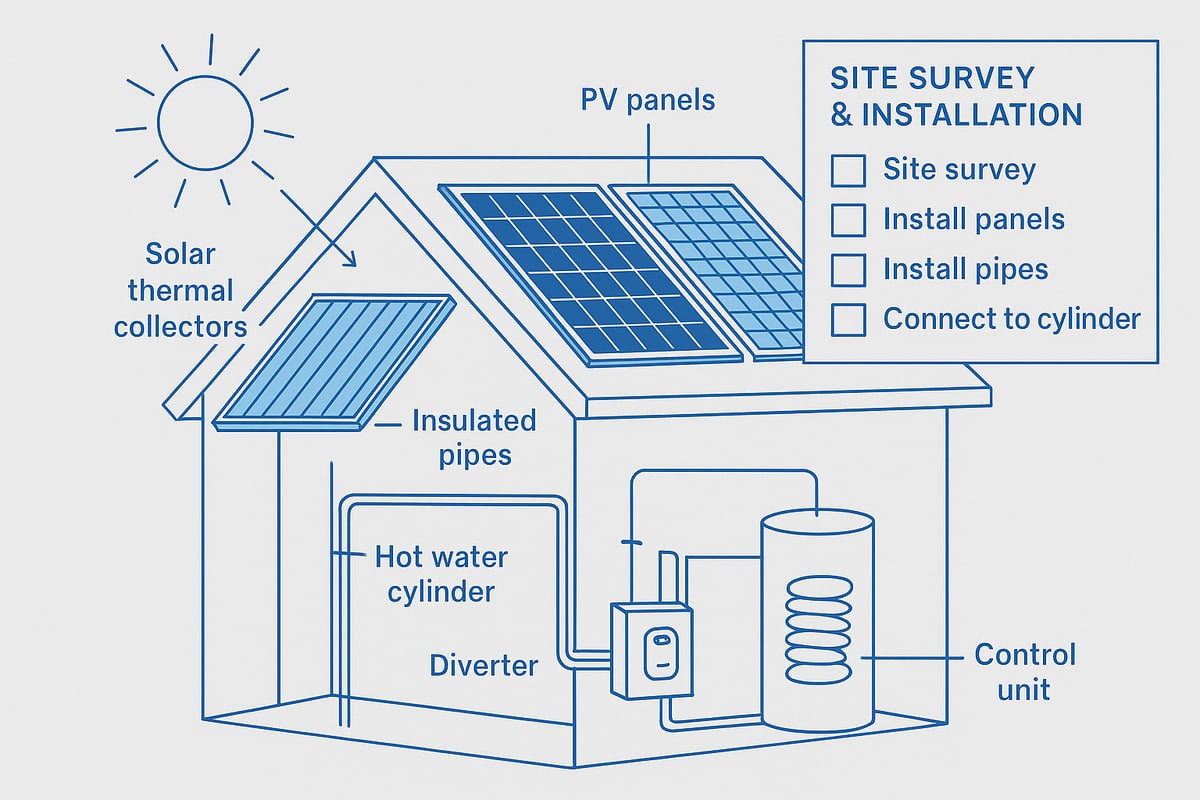
The first step to heat water with solar panels is a comprehensive site survey conducted by a professional installer. This determines whether your property is suitable for solar water heating.
Key factors assessed include:
The surveyor will also evaluate your current plumbing and heating setup, ensuring compatibility. A detailed checklist typically covers roof integrity, access for installation, and available space for system components. This ensures your investment in solar technology will deliver the anticipated performance.
Once feasibility is confirmed, the next stage is custom system design. Specialists calculate the collector and cylinder size based on your household's water usage, ensuring you can efficiently heat water with solar panels year-round.
Choices include:
For an in-depth overview of system types and how to tailor them to your home, consult the Solar system for water heating guide. This resource is invaluable when comparing options and understanding integration with existing heating.
Before you heat water with solar panels, it is vital to ensure all permissions and funding are in place. Most UK homes do not require planning consent for roof-mounted solar collectors, but listed properties or conservation areas may have restrictions.
Key steps include:
The timeline for approvals can vary, so start early. Grant funding can significantly reduce upfront costs, making solar water heating more accessible.
With permissions secured, the installation phase begins. Qualified engineers will prepare the site, erect scaffolding if needed, and undertake pre-installation safety checks.
Installation involves:
Once installed, the system is filled, tested, and commissioned to ensure it will reliably heat water with solar panels from day one.
Effective integration is crucial for maximising efficiency. Your new solar system must work seamlessly with your existing boiler or immersion heater, providing hot water even during cloudy periods.
Common integration methods:
This step ensures you can heat water with solar panels while maintaining comfort and convenience regardless of weather.
After installation, the installer will guide you through system operation. Understanding how to use and monitor the setup is vital to consistently heat water with solar panels.
You will receive:
This thorough handover empowers you to maximise savings and system lifespan.
Ongoing support is essential for continued performance. Regular servicing and prompt troubleshooting help you heat water with solar panels efficiently year after year.
Support includes:
A typical maintenance plan covers cleaning collectors, checking for leaks, and ensuring all components operate as designed. This keeps your solar water heating system running smoothly and reliably.
Understanding the financial side is crucial when deciding to heat water with solar panels. Let us explore the upfront investment, ongoing savings, maintenance requirements, and real-world results for UK homeowners in 2026.
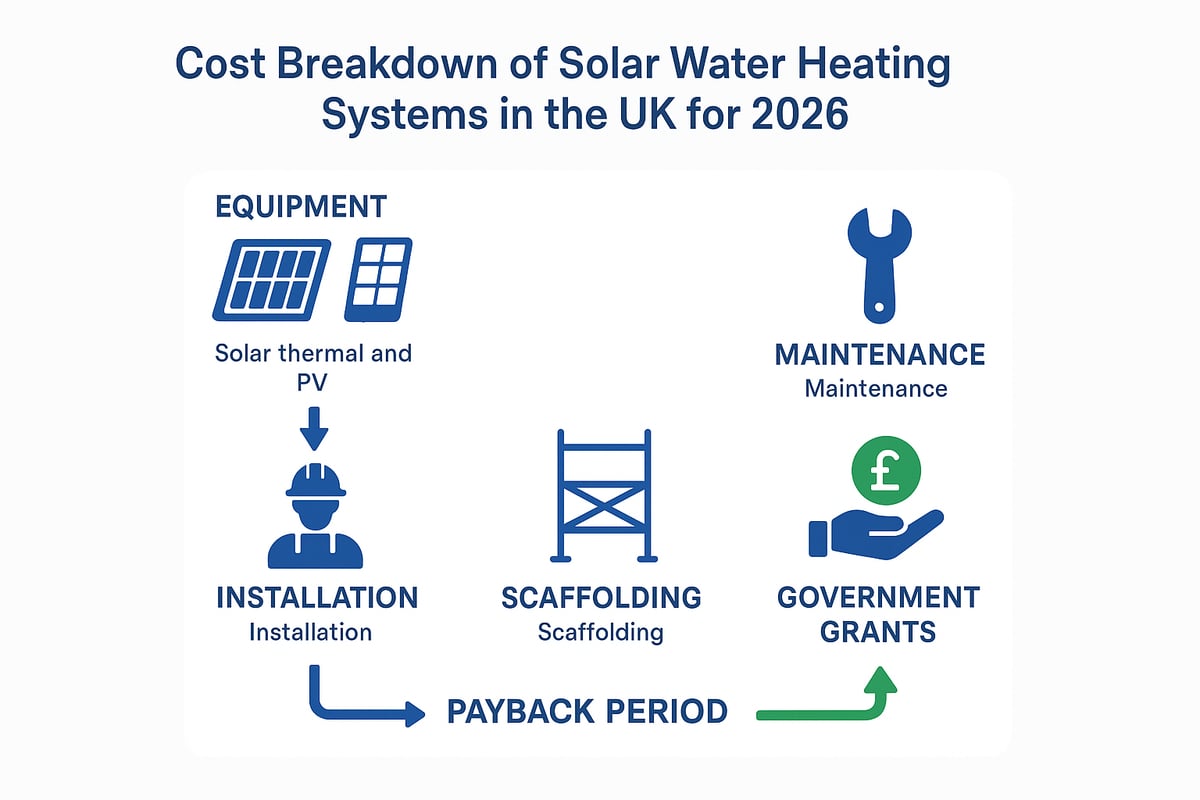
The initial cost to heat water with solar panels varies by system type and property. In 2026, solar thermal systems typically cost between £3,500 and £6,000, while solar PV with smart diverters may range from £4,500 to £7,500. These figures include equipment, professional installation, scaffolding, and VAT.
Here is a quick comparison:
| System Type | Typical Cost (2026) | Grants Avail. |
|---|---|---|
| Solar Thermal | £3,500–£6,000 | Yes |
| Solar PV + Diverter | £4,500–£7,500 | Yes |
Equipment makes up about 60 percent of the total, with installation and scaffolding covering the rest. Choosing to heat water with solar panels can be more cost-effective for larger households or those with high hot water demand. For an in-depth look at system efficiencies, see this Solar PV vs. Solar Thermal Efficiency Comparison.
Once you heat water with solar panels, you can expect to save between £300 and £500 per year on your hot water bills. The exact figure depends on your household size, water usage, and whether you receive government grants.
Payback periods for these systems in 2026 typically range from 7 to 12 years. Rising energy prices and improved system efficiencies are shortening the time it takes to recover your investment. Households that heat water with solar panels and qualify for grants can see even faster returns.
Regular monitoring and adjusting usage patterns can help maximise your savings, especially in homes with high daytime hot water needs.
Maintaining your system is vital for long-term performance. To heat water with solar panels efficiently over the years, expect annual servicing costs of £100 to £200. This includes checks on pumps, antifreeze levels, and insulation.
Most solar water heating systems have a lifespan of 20 to 25 years, with warranties covering key components for up to a decade. Investing to heat water with solar panels can also boost your property’s EPC rating and resale value, making it a smart long-term choice.
Upkeep is generally straightforward, and many issues can be prevented through routine servicing by MCS-certified professionals.
UK homeowners who heat water with solar panels report high satisfaction and consistent savings. For example, a family in Leeds installed a solar thermal system for £5,200 and now saves £400 annually, expecting full payback in 10 years.
Government data shows that by 2026, over 7 percent of UK homes will heat water with solar panels. Common lessons include the importance of proper sizing, choosing experienced installers, and planning for seasonal variations in sunlight.
Learning from these examples helps you set realistic expectations and maximise the benefits for your own property.
Optimising the way you heat water with solar panels is essential for both energy savings and environmental impact. By following proven strategies and leveraging technology, UK homeowners can achieve outstanding results and make the most of their investment.
To efficiently heat water with solar panels, regular maintenance is crucial. Clean collectors at least twice a year to remove dirt, moss, or debris. Insulate all hot water pipes and storage cylinders to prevent heat loss, especially during winter months.
Install a high-quality controller to automate system operation and monitor performance. Schedule annual professional servicing to check for leaks or pressure issues. According to Solar thermal heating system details, following these steps can improve system efficiency by up to 15 percent.
| Best Practice | Benefit |
|---|---|
| Clean collectors | Maximises sunlight use |
| Insulate pipes/cylinder | Reduces heat loss |
| Annual servicing | Extends lifespan |
Combining technologies is a smart way to further enhance how you heat water with solar panels. Pairing solar panels with an air source heat pump can provide year-round hot water, even during cloudy periods. Hybrid systems allow you to use renewable energy for both heating and electricity, maximising your system’s potential.
Consider adding battery storage to capture excess PV output for later use. For detailed integration guidance, see Heat pump and solar panels integration. This approach is particularly effective for larger households or those with high hot water demand.
Smart controls play a vital role in how you heat water with solar panels efficiently. Automated switching between solar and backup heating ensures hot water is always available, without unnecessary energy use.
Many modern systems offer remote monitoring via mobile apps or web dashboards. These tools help you track daily performance and identify any issues promptly. Data-driven optimisation, such as adjusting system settings based on weather forecasts, can further enhance efficiency.
Some of the top-rated solar monitoring tools in 2026 offer real-time alerts and energy usage analytics. This empowers homeowners to make informed decisions and maximise savings.
Heating water with solar panels in the UK sometimes means facing low sunlight, shaded roofs, or winter performance dips. Solutions include installing evacuated tube collectors, which perform better in diffuse light, or adding extra panels to compensate for reduced output.
If your roof space is limited, consider wall-mounted collectors or integrate solar with other renewables. Retrofitting older homes may require upgrading plumbing or adding insulation, but modular systems make this easier.
Urban homeowners have found success by combining compact collectors with smart controls, ensuring reliable hot water throughout the year.
Regular maintenance is the cornerstone of any reliable system designed to heat water with solar panels. By taking a proactive approach, homeowners can ensure their solar water heating operates efficiently for decades, maximising both savings and sustainability.
To reliably heat water with solar panels, annual maintenance is essential. This typically involves checking system pressure, topping up antifreeze, and ensuring all pipework is properly insulated. Clean collectors maximise sunlight absorption and prevent efficiency losses due to dirt or debris.
Homeowners should schedule professional servicing with an MCS-certified installer. This ensures that all safety checks are completed and warranties remain valid. Many UK providers offer annual plans covering inspection, cleaning, and system optimisation.
A typical maintenance checklist includes:
By following these steps, you can maintain optimal performance and extend the lifespan of your system designed to heat water with solar panels.
Even with regular maintenance, issues can occasionally arise with systems that heat water with solar panels. The most common problems include leaks, airlocks, or pump failures. Early detection is key to minimising downtime and repair costs.
Warning signs of system underperformance include a noticeable drop in hot water temperature, unusual noises from the pump, or visible leaks near joints and connections. If you notice these symptoms, check the system pressure and look for obvious blockages or airlocks in the pipework.
While some minor issues, such as resetting controls or bleeding airlocks, can be managed by confident homeowners, more complex faults require professional attention. Always consult your installer if you are unsure or if the system fails to heat water with solar panels effectively after basic troubleshooting.
The technology used to heat water with solar panels is evolving rapidly. New collector materials, improved insulation, and integrated smart controls are delivering higher efficiency and easier monitoring. Home energy management systems now allow for real-time performance tracking and automated adjustments.
Hybrid systems that combine solar thermal with PV panels—or use PV diverters—are gaining popularity, offering greater flexibility and optimised energy use. For a deeper understanding, see this comparison of Solar Thermal vs. Solar PV: Key Differences, which highlights the strengths of each approach for UK homes.
Looking ahead to 2026 and beyond, expect further integration with smart grids, modular system designs, and government policies focused on decarbonising domestic hot water.
As your household’s needs change, it may become necessary to expand or upgrade your ability to heat water with solar panels. Many modern systems are modular, allowing additional collectors or larger storage tanks to be added as required.
When planning an upgrade, consult your installer to ensure compatibility with new technologies and future policy requirements. For growing families or changing lifestyles, expanding your system can help maintain efficiency and maximise your investment in solar water heating.