No products in the basket.
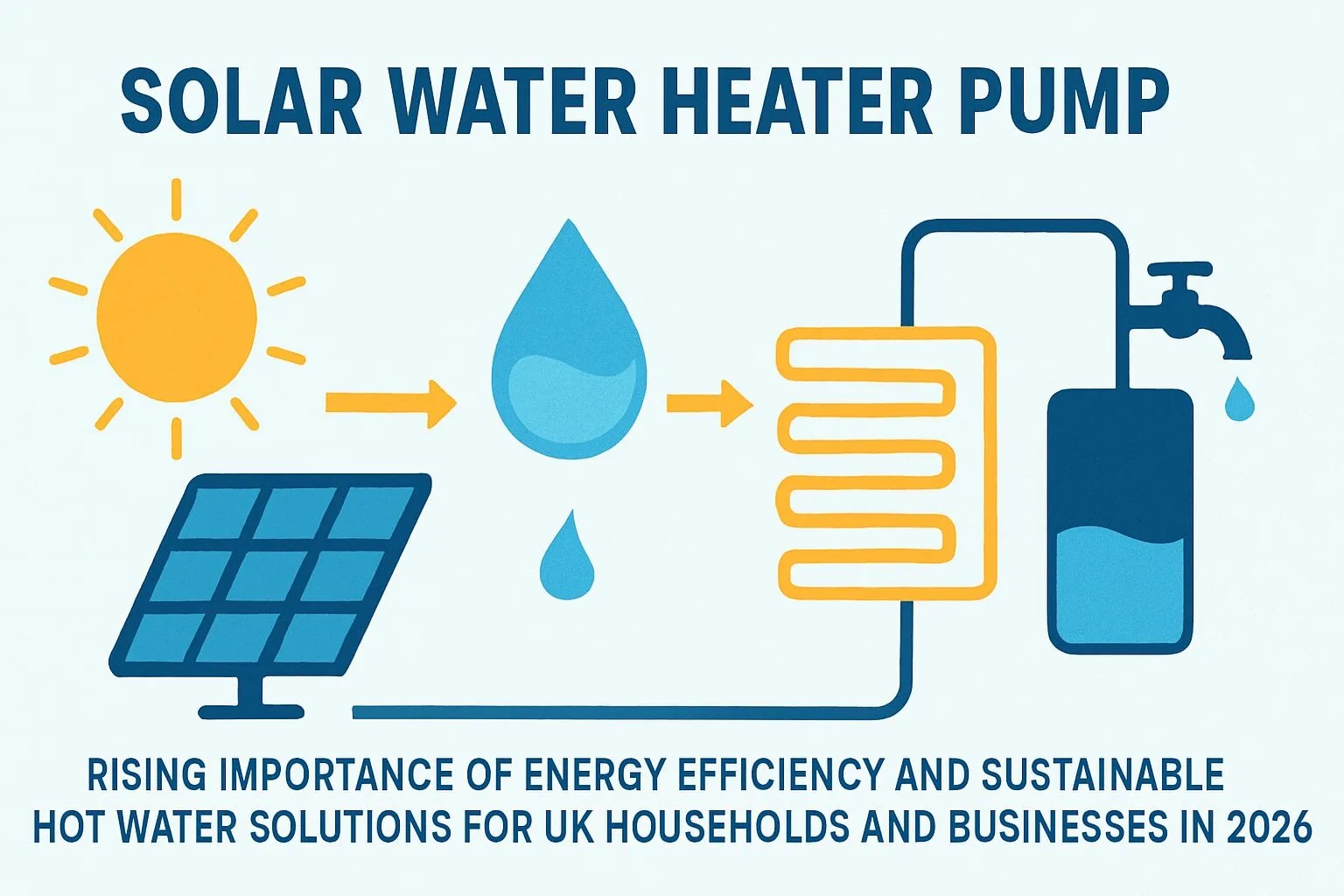
Rising energy bills and the urgent need for sustainable solutions are making hot water efficiency a top priority for UK homes and businesses in 2026. With heating accounting for a significant share of household expenses, finding smarter ways to cut costs has never been more important.
This guide explores the solar water heater pump, an innovative technology that harnesses solar energy to provide reliable and eco-friendly hot water. Whether you’re looking to reduce your carbon footprint, save money, or stay ahead of UK energy regulations, this article will give you the essential insights you need.
You’ll discover how solar water heater pumps work, their key benefits, how to choose the right system, step-by-step installation advice, maintenance tips, and a look at the latest trends shaping 2026. Let’s get started on your journey to energy savings and sustainability.
Solar water heater pumps are at the heart of modern solar thermal systems, making sustainable hot water solutions both practical and efficient. For UK homes and businesses, understanding how these pumps work and their role within the system is essential for making informed decisions.
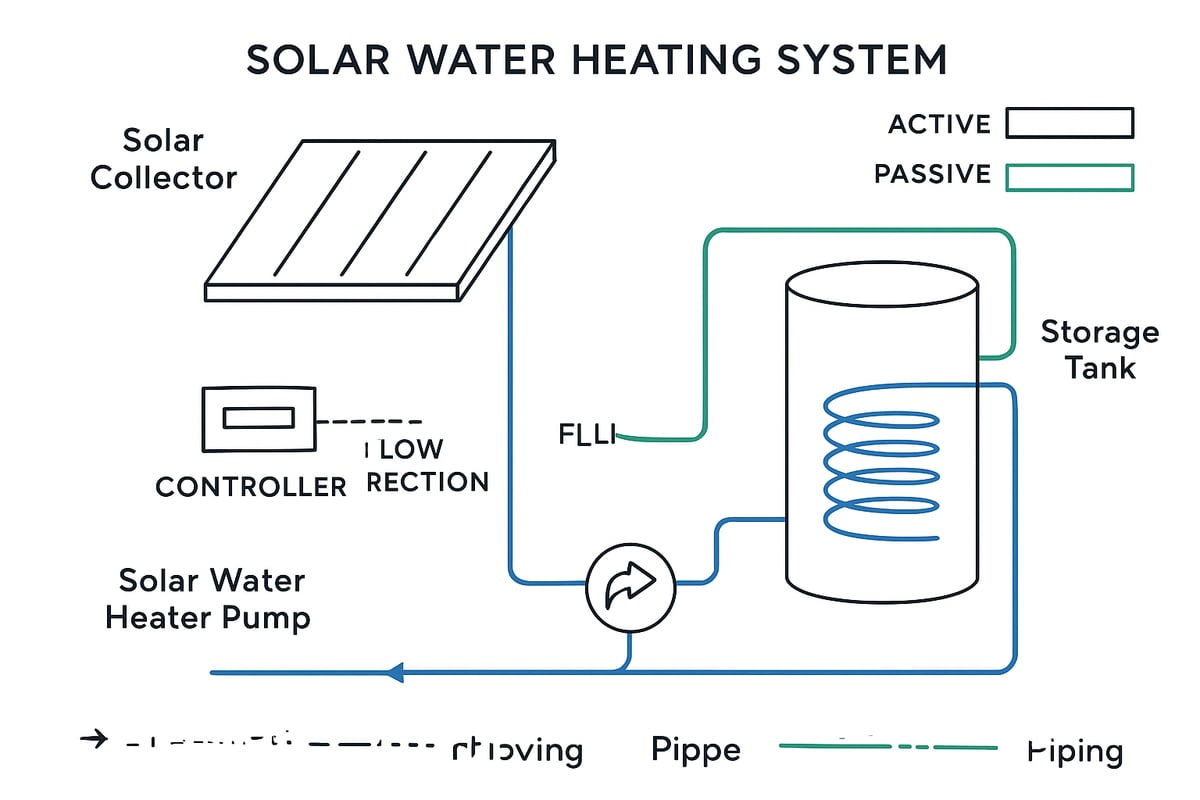
A solar water heater pump is a key component in solar thermal systems, responsible for circulating water or heat transfer fluid between the solar collector and the storage tank. In active systems, the pump provides the necessary force to move heated water, ensuring efficient energy transfer. Passive systems, in contrast, rely on gravity or convection and do not use a pump.
The pump is vital for maintaining optimal flow rates and maximising the efficiency of a solar water heater pump. Typical domestic setups in the UK include a solar collector on the roof, a pump, a well-insulated storage tank, and a controller to manage system operation. Without the pump, active systems would struggle to deliver consistent hot water, particularly in larger or multi-storey properties.
Several types of solar water heater pump are available, each tailored to different system designs and applications.
The right choice depends on whether the system is for residential or commercial use, climate considerations, and integration needs. For a more detailed overview of pump options, visit the Hot water solar pump solutions page.
The operation of a solar water heater pump follows a step-by-step process. First, solar energy is absorbed by the collector, which heats the fluid inside. The pump then moves this heated fluid toward the storage tank, transferring the captured energy for later use.
A solar water heater pump plays a crucial role in maintaining the necessary flow rate and temperature. Modern systems integrate thermostats and sensors to monitor conditions and activate the pump only when needed, minimising energy consumption. In closed-loop systems, a controller manages fluid circulation, ensuring safe and efficient operation regardless of external temperatures. This process guarantees a steady supply of hot water throughout the year.
A solar water heater pump system comprises several essential parts:
Common terminology includes:
| Term | Meaning |
|---|---|
| Head height | The vertical distance the pump must overcome |
| Flow rate | Volume of fluid moved per minute or hour |
| Differential controller | Activates pump when temperature difference is met |
Each component is vital for the overall performance and reliability of a solar water heater pump system. Proper understanding of these terms helps in system selection and troubleshooting.
Measuring the efficiency of a solar water heater pump involves several factors:
The Seasonal Performance Factor (SPF) is a key metric, showing the ratio of useful energy delivered to energy consumed over a year. In 2026, modern pumps typically achieve efficiencies between 65% and 80%, with leading models meeting strict UK and EU benchmarks. Certifications such as Solar Keymark or MCS provide assurance of quality and performance for any solar water heater pump installation.
Solar water heater pump systems are transforming the way UK households and businesses manage hot water. The advantages extend well beyond simple energy savings, impacting finances, the environment, comfort, and long-term property value. Let us explore the core benefits that make these systems a wise investment.
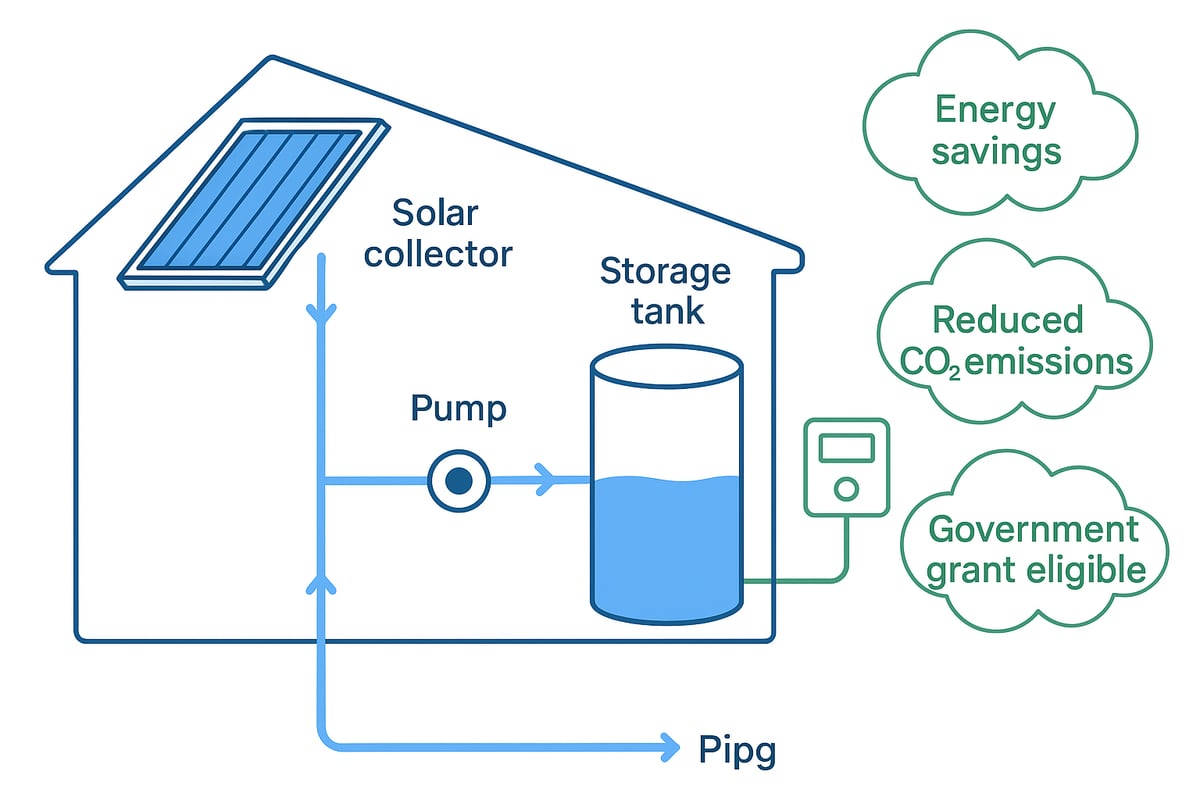
One of the most compelling reasons to install a solar water heater pump is the significant reduction in energy bills. By harnessing solar power, these systems can cut hot water heating costs by 40% to 70%, depending on usage and system size.
| System Type | Annual Energy Cost (2026) | Typical Savings |
|---|---|---|
| Conventional Gas | £400 | – |
| Electric Boiler | £550 | – |
| Solar Water Heater Pump | £150–£240 | 40–70% |
A well-sized solar water heater pump quickly pays for itself. Most UK households report a payback period between 5 and 8 years, making it a financially prudent choice. Over the lifespan of the system, the accumulated savings can be substantial, especially as energy prices continue to rise.
Switching to a solar water heater pump dramatically lowers your household’s carbon footprint. On average, each installation can reduce annual CO2 emissions by up to 1 tonne compared to gas or oil systems.
This saving contributes directly to the UK’s Net Zero targets for 2026. By replacing fossil-fuel-based heating, a solar water heater pump not only conserves energy but also ensures cleaner air and a healthier environment for future generations.
According to recent studies, solar water heater pump systems are among the most effective ways to decarbonise domestic hot water, especially when paired with other renewables. Making the switch supports national sustainability goals and aligns with global climate commitments.
A solar water heater pump is engineered for long-term performance. By maintaining optimal water circulation, the pump helps prevent scaling and corrosion inside the system.
This proactive approach means fewer breakdowns and a longer lifespan for both collectors and storage tanks. Many users report that their systems remain efficient for over 20 years with routine maintenance, providing peace of mind and dependable service.
With a solar water heater pump, you benefit from a consistently reliable hot water supply. These systems are designed to handle peak demand periods, ensuring that hot water is available even during busy mornings or evenings.
Recovery times are much faster compared to passive solar systems. Multi-user households, in particular, notice a marked improvement in comfort, as hot water is replenished promptly and efficiently.
The UK government offers a range of incentives to encourage the adoption of solar water heater pump technology. Schemes like the Boiler Upgrade Scheme and ECO4 provide financial support for eligible households.
Grants can cover a significant portion of installation costs, making solar water heater pump solutions more accessible than ever. To find out if you qualify and to see the latest grant amounts, visit this ECO4 scheme details resource for application information and eligibility criteria.
Taking advantage of these programmes not only reduces your upfront investment but also accelerates your return on investment, making a solar water heater pump an even more attractive proposition.
Selecting the ideal solar water heater pump is a crucial step for both performance and long-term satisfaction. Each property has unique requirements, so taking a methodical approach ensures you maximise efficiency and return on investment.
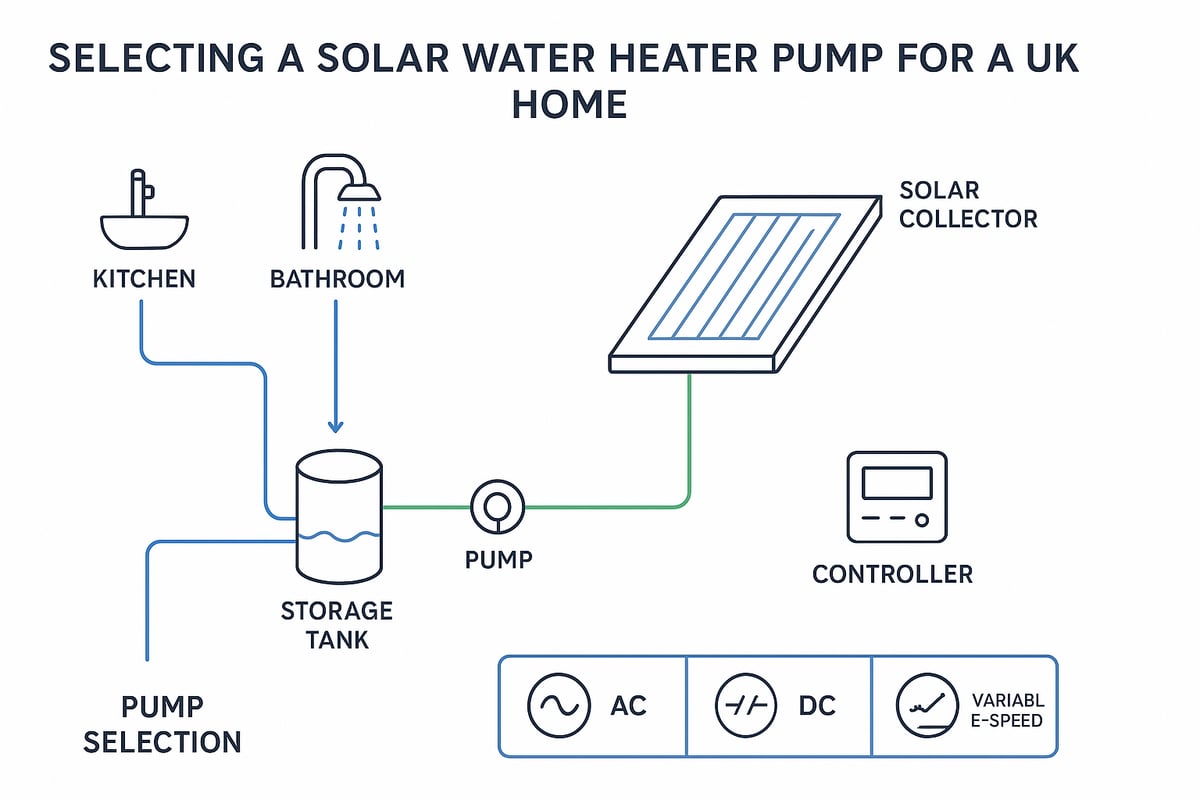
Before choosing a solar water heater pump, start by calculating your daily hot water demand. Consider the number of occupants, typical usage patterns, and peak times. For businesses, factor in operational hours and simultaneous usage.
Climate also affects system sizing. Properties in colder regions may require larger collectors and more robust pumps. Use online calculators or consult with an installer to estimate your needs accurately.
For a comprehensive understanding of system integration and component sizing, consult this Solar system for water heating resource. By aligning pump capacity with your requirements, you set the foundation for an efficient and reliable solar water heater pump system.
When selecting a solar water heater pump, match the pump's flow rate and head pressure to your system's needs. Assess compatibility with your chosen solar collector and storage tank. An undersized pump can cause inadequate circulation, while an oversized model wastes energy.
Prioritise pumps with high energy efficiency ratings and recognised certifications. Look for features such as quiet operation, corrosion-resistant materials, and smart controls for better performance.
Consider the controllability of the pump. Variable-speed models can adapt to changing conditions, optimising energy use. By focusing on these criteria, you ensure your solar water heater pump delivers consistent results.
The UK market in 2026 offers a range of reputable solar water heater pump brands. Key differences include durability, noise levels, warranty terms, and after-sales support. Below is a comparison of leading models:
| Brand | Durability | Noise Level | Warranty | Support |
|---|---|---|---|---|
| Brand A | High | Low | 5 years | Excellent |
| Brand B | Medium | Medium | 3 years | Good |
| Brand C | Very High | Very Low | 7 years | Outstanding |
Reviewing these attributes helps you select a solar water heater pump that balances reliability with value. Always check user reviews and independent test results before making your final decision.
The upfront cost of a solar water heater pump varies, typically ranging from £150 to £500 for residential units. Full system installations can extend from £2,500 to £6,000, depending on complexity and scale.
Account for ongoing maintenance and running costs, which remain modest if the pump is well matched to the system. Most UK households achieve payback within 5 to 10 years, thanks to substantial energy savings.
When evaluating your investment, factor in available incentives and grants. Over the system's lifespan, a well-chosen solar water heater pump can offer a strong return and reduced utility bills.
Common mistakes when selecting a solar water heater pump include oversizing or undersizing the unit and ignoring compatibility with existing plumbing. These errors can lead to inefficiency and higher maintenance costs.
Neglecting future expansion, such as integrating with additional renewables, is another pitfall. Always plan for scalability and ensure your pump can handle increased demand.
To avoid these issues:
By taking these precautions, you will maximise the performance and longevity of your solar water heater pump.
Installing a solar water heater pump is a significant step towards energy efficiency and sustainable hot water in your home or business. Careful planning, correct material sourcing, and adherence to best practices are crucial for a successful installation. This guide breaks down each stage, ensuring clarity and confidence throughout the process.
Before starting your solar water heater pump project, conduct a thorough site assessment. Evaluate roof orientation to maximise solar gain, check for shading from trees or nearby buildings, and ensure there is adequate space for the storage tank. Consider the structural integrity of your roof, especially if you plan to mount collectors there.
Next, review local planning permissions and building regulations. In many parts of the UK, solar water heater pump installations fall under permitted development, but listed buildings or conservation areas may require additional consent. Always consult your local council and ensure compliance with safety standards.
Prepare a detailed checklist. Include all required permits, building codes, and a timeline for each stage. For a deeper understanding of the system as a whole, refer to the Solar thermal heating system guide, which outlines the broader context and essential considerations for solar water heater pump setups.
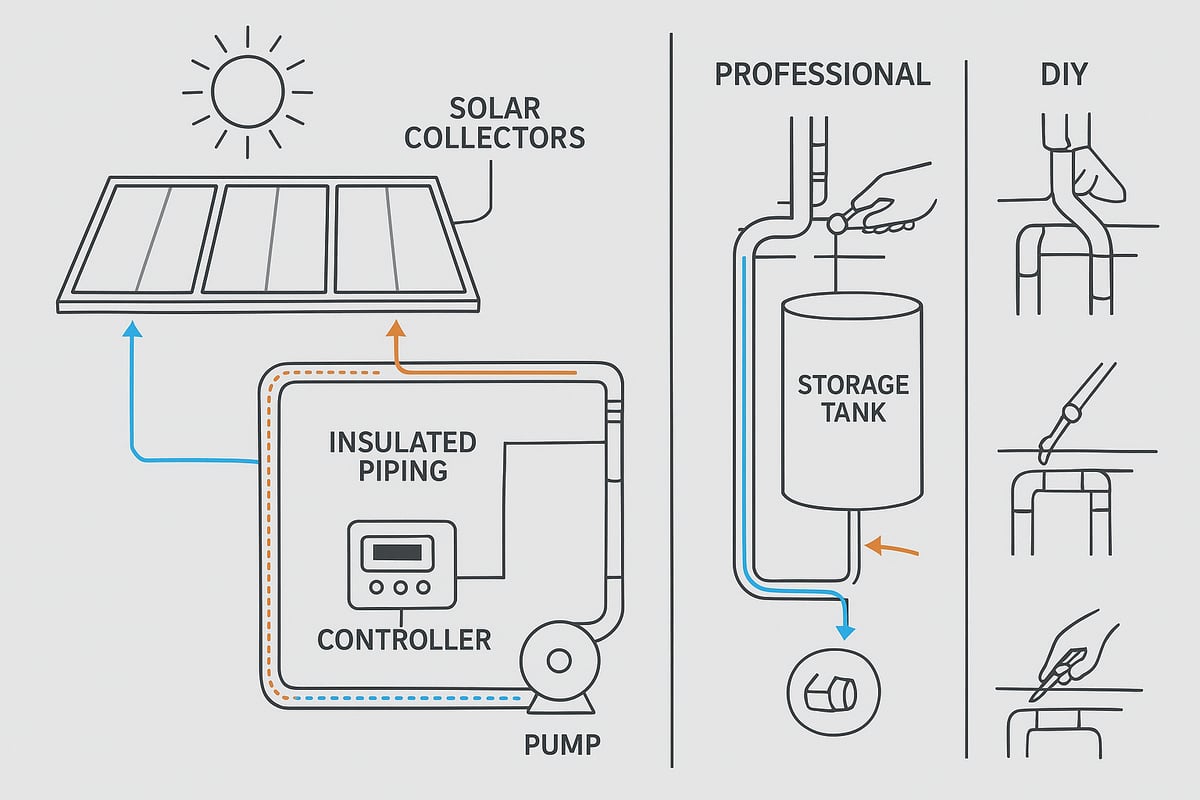
Gathering the correct materials is essential for a smooth installation. You will need the solar water heater pump, solar collectors, insulated piping, a storage tank, a pump controller, check valves, and quality insulation. It is advisable to source materials from reputable suppliers who offer robust warranties and after-sales support.
When selecting a solar water heater pump, check for compatibility with your collector type and storage tank. Brands like Wilo, Grundfos, and DAB are popular in the UK for their durability and efficiency. Essential tools include pipe cutters, spanners, insulation tape, and a multimeter for electrical connections.
Estimate your total costs before purchase. Factor in not only the price of the solar water heater pump but also mounting hardware, electrical components, and any scaffolding or safety equipment required for roof work. This preparation helps avoid delays and ensures you stay within budget.
Begin by mounting the solar collectors on your roof or a suitable ground frame. Secure them according to manufacturer guidelines, ensuring optimal tilt and orientation for maximum sun exposure.
Next, install the storage tank close to the collectors to minimise heat loss. Connect insulated piping between the collectors and the tank, ensuring all joints are watertight. Position the solar water heater pump at the lowest point in the loop for effective circulation, then connect it to the system using appropriate fittings.
Wire the pump controller and sensors, following the supplied wiring diagrams. Carefully fill the system with the recommended heat transfer fluid, then flush to remove air and debris. Test for leaks at each connection point. Once satisfied, commission the system by starting the solar water heater pump, monitoring flow rates and temperatures to confirm optimal operation.
Deciding between professional and DIY installation depends on your experience, budget, and time constraints. Hiring a certified installer offers peace of mind, as professionals are versed in UK standards and can ensure your solar water heater pump is installed safely and efficiently.
DIY installation can save on labour costs, but it requires strong technical skills and familiarity with plumbing and electrics. Note that incorrect installation may void warranties or affect eligibility for government incentives. In 2026, average professional installation costs for a complete solar water heater pump system in the UK typically range from £2,000 to £4,000, depending on system size and complexity.
Consider the long-term implications. Professional work often includes a commissioning certificate, which may be required for grant applications or home insurance. Weigh these factors carefully before making your decision.
Safety is paramount when installing a solar water heater pump. Adhere to all relevant UK building codes, such as Part L for energy efficiency and Part P for electrical safety. Always isolate electrical circuits before working on pump wiring, and use a qualified electrician if unsure.
Ensure all plumbing connections are secure and pressure-tested. Insulate all hot water pipes to prevent heat loss and protect against freezing. After installation, it is essential to commission the system according to manufacturer instructions and obtain any necessary certification.
Regularly review compliance requirements, as regulations may evolve. Proper commissioning not only guarantees safety but also helps maximise the performance and lifespan of your solar water heater pump system.
Keeping your solar water heater pump in peak condition ensures reliable hot water and long-term savings. Routine maintenance, proactive troubleshooting, and timely upgrades all contribute to optimal system performance. Let’s look at best practices for maintaining your solar water heater pump, common issues to watch for, and how to get the most from your investment.
Regular upkeep is essential for the longevity of any solar water heater pump system. Begin with an annual inspection, focusing on the pump, valves, insulation, and sensors. Check for leaks, unusual noises, and signs of wear.
A typical maintenance checklist includes:
Properly lubricate components as specified by the manufacturer. Replace worn parts promptly to avoid larger issues. This routine helps your solar water heater pump maintain its efficiency and ensures consistent hot water supply.
Even the best-maintained solar water heater pump can experience problems. Common symptoms include excessive noise, reduced flow, overheating, or visible leaks. These often point to issues such as airlocks, debris in the system, or electrical faults.
Troubleshooting steps:
Use the system’s manual to guide diagnostics. If problems persist, professional servicing is recommended. Prompt attention to issues keeps your solar water heater pump running smoothly.
Efficiency is key to maximising savings with any solar water heater pump. Adjust system settings seasonally to account for changes in sunlight and water demand. Upgrading to a variable-speed pump or integrating a smart controller can boost performance by up to 20 percent, according to recent market analysis.
Clean collectors and filters regularly to ensure maximum heat transfer. Monitor performance data if your system is equipped with smart features. For more on technological advancements and efficiency trends, see this solar water heater market analysis.
By staying proactive, you ensure your solar water heater pump delivers optimal results throughout the year.
Knowing when to replace or upgrade your solar water heater pump is crucial. Signs include persistent noise, frequent breakdowns, or declining efficiency. Newer models often feature quieter operation, improved energy ratings, and better compatibility with modern controllers.
A cost-benefit analysis can help you decide if an upgrade is worthwhile. Consider factors like reduced running costs, improved reliability, and potential eligibility for government incentives. Investing in a new pump can extend your system’s lifespan and boost overall performance.
Access to reliable support makes maintaining a solar water heater pump much easier. Many UK manufacturers offer professional servicing and extended warranties. Consult your installer for recommended service intervals and troubleshooting advice.
Online forums, manufacturer guides, and industry websites are valuable resources for tips and troubleshooting. Professional maintenance ensures compliance with warranty terms and UK safety standards, safeguarding your investment in a solar water heater pump.
The solar water heater pump market is evolving rapidly in 2026, with new innovations transforming both domestic and commercial applications. These trends are reshaping how UK households achieve energy efficiency, comfort, and cost savings. Let us explore the major advancements driving the next generation of solar water heater pump solutions.
Smart controls are revolutionising the solar water heater pump sector. In 2026, most new systems feature IoT-enabled pumps that connect seamlessly with home automation platforms. Homeowners can now monitor and adjust their solar water heater pump performance through dedicated apps, receiving alerts for maintenance or efficiency drops.
This connectivity allows for real-time optimisation, ensuring the solar water heater pump maintains ideal flow rates and temperature. As a result, households benefit from improved comfort and lower energy bills. In fact, smart pump adoption is estimated to be standard in new UK builds, reflecting the growing demand for intelligent, user-friendly solutions.
Advancements in motor technology and impeller design are delivering significant gains in solar water heater pump efficiency. New models released in 2026 use brushless DC motors and precision-engineered impellers, reducing energy consumption and noise.
Manufacturers are also prioritising durable, corrosion-resistant materials such as advanced polymers and stainless steel. These innovations extend the lifespan of each solar water heater pump and make recycling at end-of-life much simpler. Recent data shows modern pumps achieve 10 to 15 percent higher efficiency compared to those from 2023, setting a new benchmark for the industry.
The integration of solar thermal systems with other renewables is a defining trend for 2026. Many UK households now opt for hybrid setups that combine a solar water heater pump with a heat pump and photovoltaic panels. This approach maximises hot water availability all year round, particularly during colder months when solar input is lower.
For a deeper look at these hybrid systems, see this guide on heat pump and solar panels integration. Such solutions offer increased flexibility and resilience, giving users a reliable and low-carbon hot water supply.
UK government support for low-carbon heating continues to grow, with new incentives and stricter energy standards shaping the solar water heater pump landscape. Programmes encouraging the adoption of efficient pumps and hybrid systems drive market growth.
Recent reports highlight that over 180,000 heat pump installations have been backed by the government, underlining the shift towards sustainable solutions. Read more about these statistics at UK government heat pump installations. Smart metering and carbon reduction targets are also influencing product development and consumer choices.
Looking ahead, the solar water heater pump is expected to become even more affordable and accessible. Industry experts predict rising adoption rates as technology improves and costs fall. Consumers are increasingly motivated by the combination of sustainability, energy savings, and smart features, making 2026 a pivotal year for this sector.