No products in the basket.
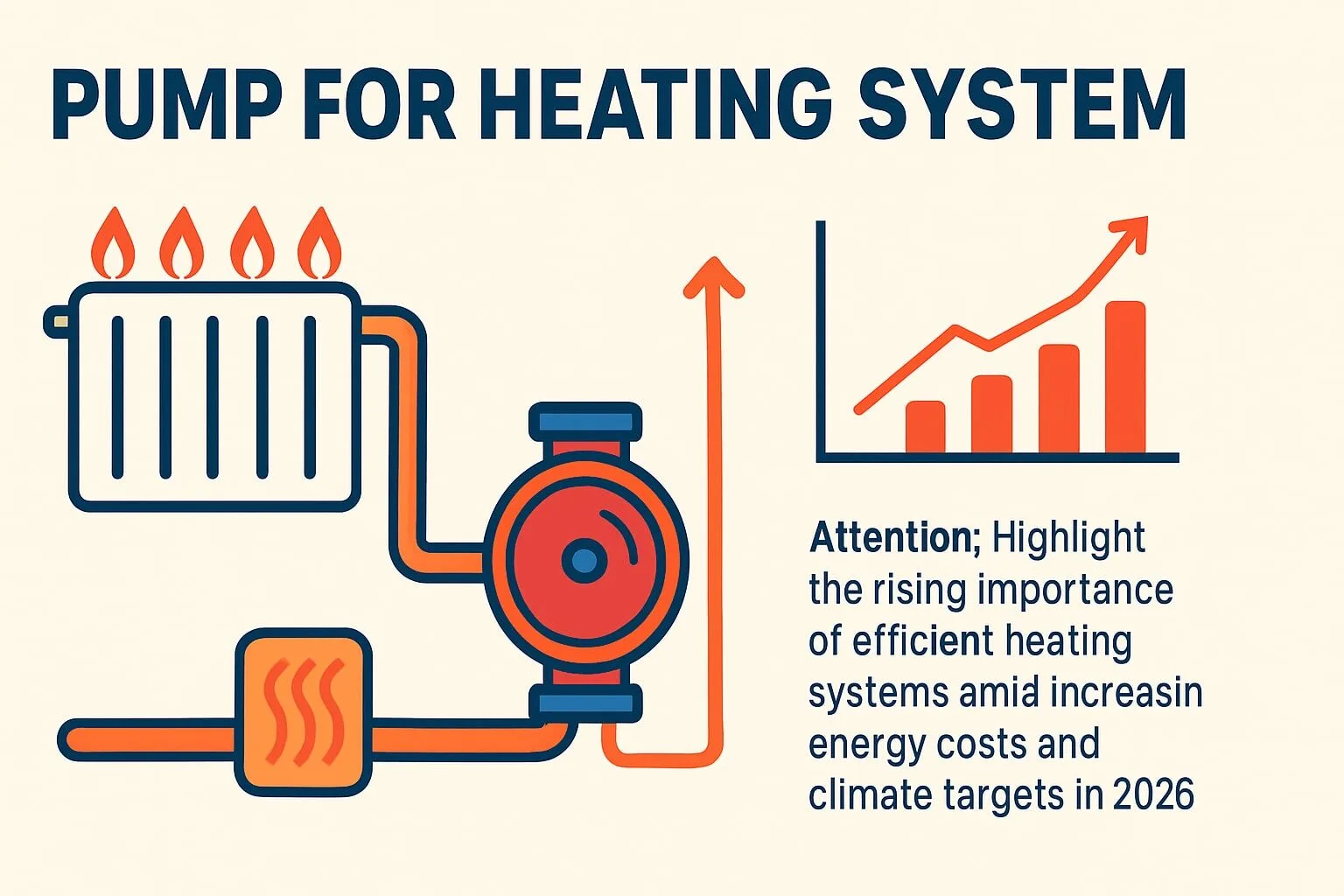
With energy costs climbing and the UK’s climate targets tightening for 2026, the efficiency of your heating system has never mattered more. At the heart of modern heating lies the pump for heating system, a small but powerful component that keeps warmth circulating efficiently throughout your home or business.
Choosing the right pump can transform your comfort, lower your energy bills, and reduce your carbon footprint. In this expert guide, we will demystify heating system pumps, exploring types, selection, installation, maintenance, and emerging trends so you can make informed choices for a sustainable future.
Modern heating systems rely on efficient water circulation to provide consistent warmth and comfort. At the core of this process is the pump for heating system, which ensures heat is distributed evenly throughout a property. To make informed choices, it's essential to understand the types, operation, components, and typical applications of these pumps.
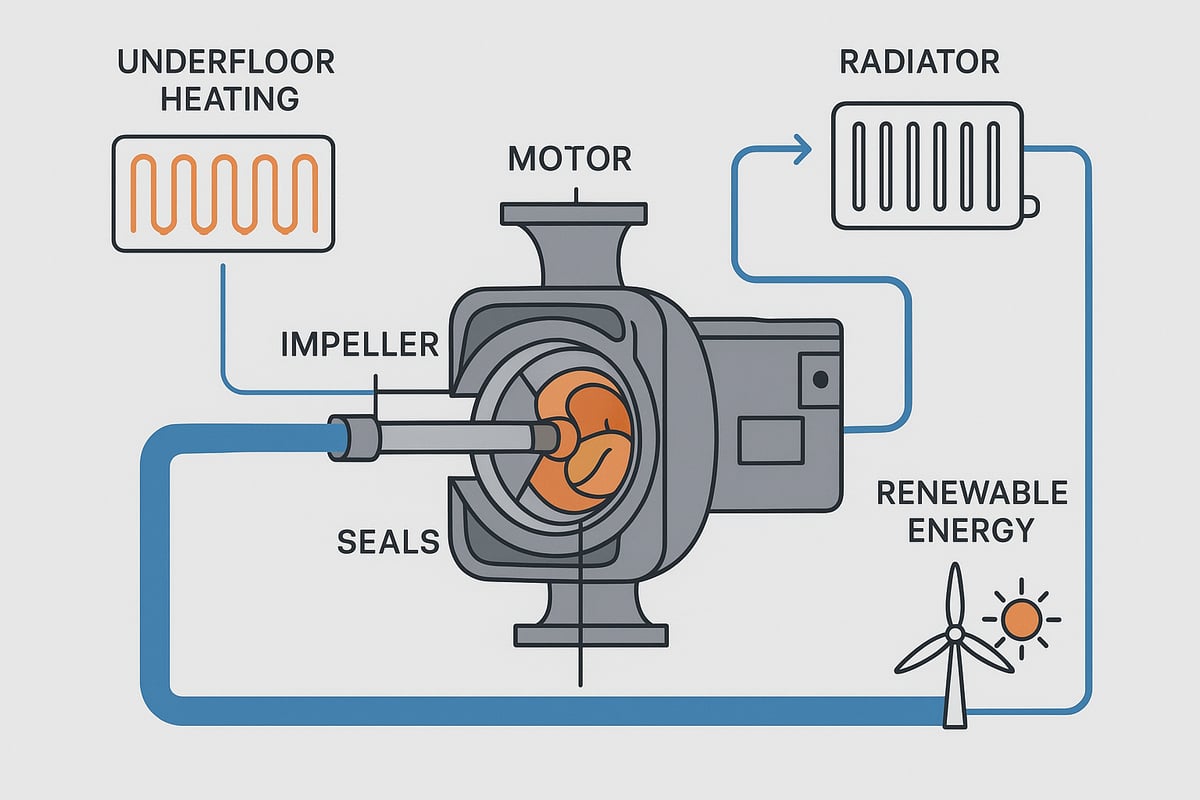
A pump for heating system is an electrically powered device designed to circulate water or a heat transfer fluid through pipes and radiators. Its main function is to move heated water from the boiler or heat source, ensuring every part of the system receives warmth.
This component is vital in central heating, underfloor heating, and renewable energy systems. Without a reliable pump for heating system, hot water would not reach all radiators or zones, reducing comfort and efficiency.
In the UK, most domestic setups feature circulator pumps that maintain continuous flow, helping homes stay warm even on the coldest days.
Several pump types serve heating applications. The most common is the circulator pump for heating system, which keeps water moving in a closed loop. Booster pumps are used to increase pressure in larger properties or commercial buildings. Secondary pumps may support separate zones or renewable integrations.
Pumps are also classified by speed and control:
| Pump Type | Speed Control | Typical Application |
|---|---|---|
| Single-speed | Fixed | Small domestic systems |
| Multi-speed | 2–3 preset levels | Medium-sized properties |
| Smart/Variable-speed | Automatic adjustment | Large homes, businesses, eco-homes |
A smart pump for heating system can adapt its speed to demand, reducing energy use and noise. The right type depends on system size, heating load, and desired efficiency.
A pump for heating system operates by creating pressure that drives water around a closed-loop or open-loop circuit. In closed-loop systems, water recirculates between the heat source and emitters (like radiators), maintaining constant temperature and flow.
Open-loop systems, less common in the UK, draw in fresh water and expel used water. The pump regulates pressure and flow rate, which directly affects how quickly radiators heat up and how evenly warmth is distributed throughout the building.
When a pump for heating system is properly sized, it prevents cold spots and ensures every room receives adequate heat.
Each pump for heating system consists of several key parts:
Materials are chosen for durability and efficiency. Brass and stainless steel resist corrosion, while modern composites offer lightweight strength. These features help ensure a long service life for the pump for heating system.
The pump for heating system is central to many UK heating solutions. It is used in:
Recent data shows that over 80% of UK homes use pumped central heating (BEIS, 2023). As renewable options grow, pumps play a critical role in these innovative setups. For a broader view of how pumps support eco-friendly heating, see this Renewable energy heating systems overview.
Whether in a compact home or a large business, the right pump for heating system ensures reliable comfort, efficiency, and adaptability to future energy trends.
Selecting the most suitable pump for heating system upgrades is a crucial step in achieving optimal energy efficiency and comfort. This process requires careful consideration of your property’s unique requirements, system design, and future sustainability goals.
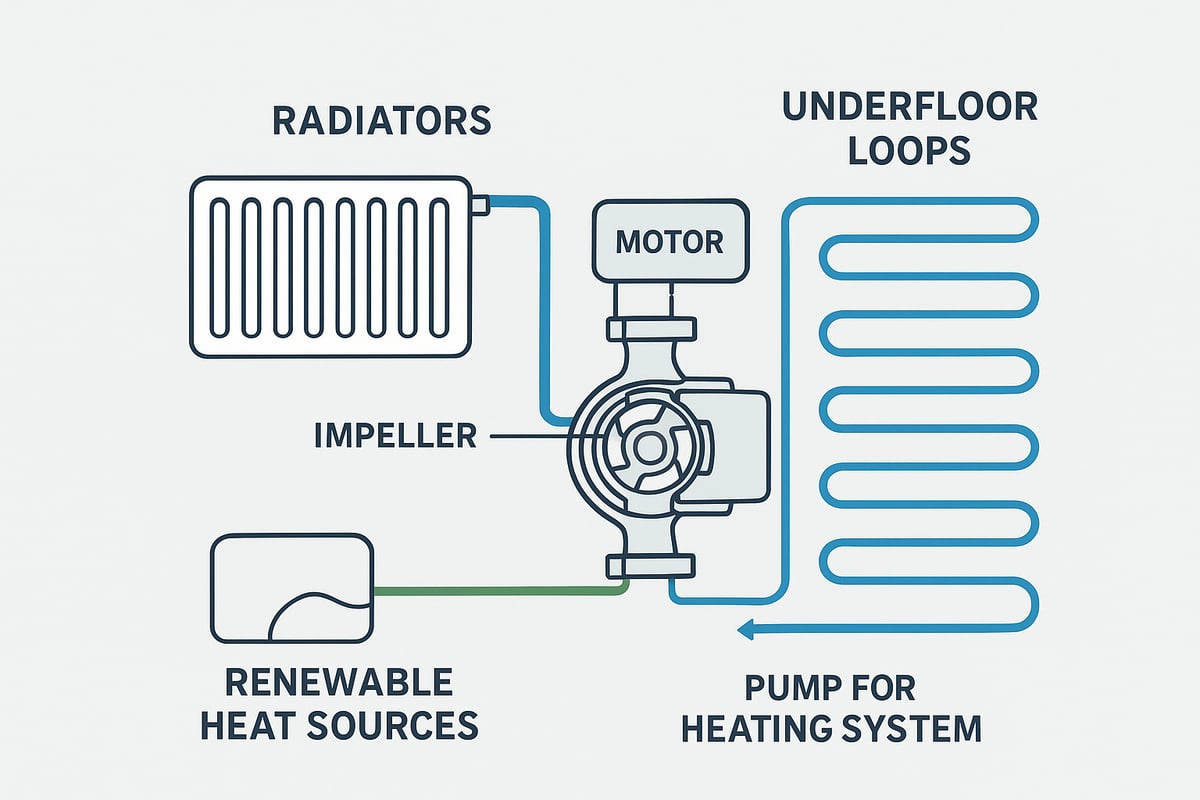
The first step in choosing a pump for heating system upgrades is to evaluate the specific heating demands of your home or business. Start by determining your heating load, which depends on the size of the property, insulation levels, and local climate.
Check your system’s layout, including the number of radiators or underfloor circuits. Calculate the required flow rate and head pressure, as these figures ensure the pump can circulate water effectively throughout the system.
For example, a typical 3-bedroom semi-detached house in the UK with moderate insulation might require a pump capable of delivering 0.3 to 0.5 litres per second at a head of 4 to 6 metres. Proper sizing is essential for both performance and energy savings.
When selecting a pump for heating system efficiency, review the energy labelling and performance ratings. Look for models with high ErP (Energy-related Products Directive) labels, which indicate superior seasonal efficiency and lower power consumption.
Modern A-rated pumps use up to 80% less electricity compared to older, fixed-speed models, according to the Energy Saving Trust (2024). In addition to energy labels, check the manufacturer’s data on standby consumption and variable-speed capabilities.
Choosing a pump that meets or exceeds current standards will help you reduce long-term running costs and carbon emissions, supporting wider energy efficiency targets.
Smart and variable-speed technology is transforming how a pump for heating system adapts to changing demands. These advanced pumps automatically adjust their speed and output based on real-time system requirements, resulting in lower running costs and quieter operation.
Benefits of smart pumps include:
By investing in a smart pump, you not only future-proof your heating system but also enjoy measurable savings and improved comfort.
If you are integrating renewable solutions like air source or ground source heat pumps, or solar thermal panels, selecting the right pump for heating system upgrades becomes even more important. Renewable heating systems often operate at lower temperatures and require pumps that can maintain steady flow rates under these conditions.
Check compatibility with low-temperature systems, as not all pumps are suitable for the pressure and flow demands of modern renewables. Some pumps are specifically designed to work with variable heat sources, ensuring reliable performance and maximising efficiency.
Proper pump selection is key to unlocking the full potential of renewable heating, helping you move towards a more sustainable and cost-effective system.
Noise can be a significant factor when choosing a pump for heating system upgrades, especially in residential settings. Modern domestic pumps typically operate in the 25 to 45dB range, which is comparable to a quiet conversation.
Consider the following to minimise noise impact:
Assess any installation constraints, such as available space or access for maintenance, to guarantee a smooth and trouble-free setup.
The total cost of a pump for heating system upgrade includes the initial purchase, professional installation, and ongoing running expenses. While high-efficiency and smart pumps may have a higher upfront price, they deliver significant savings over their lifespan through reduced energy use and lower maintenance needs.
In the UK, government incentives and grants are available to support upgrades to efficient heating system pumps. For more information on funding opportunities and how to access support, visit the Heat pump grants and incentives page.
Carefully weighing your budget, expected savings, and available financial support will help you make a sound investment in your property’s heating future.
Upgrading or replacing a pump for heating system can dramatically boost efficiency and comfort in your property. The following step-by-step guide ensures you approach installation or replacement with confidence, safety, and the right knowledge.
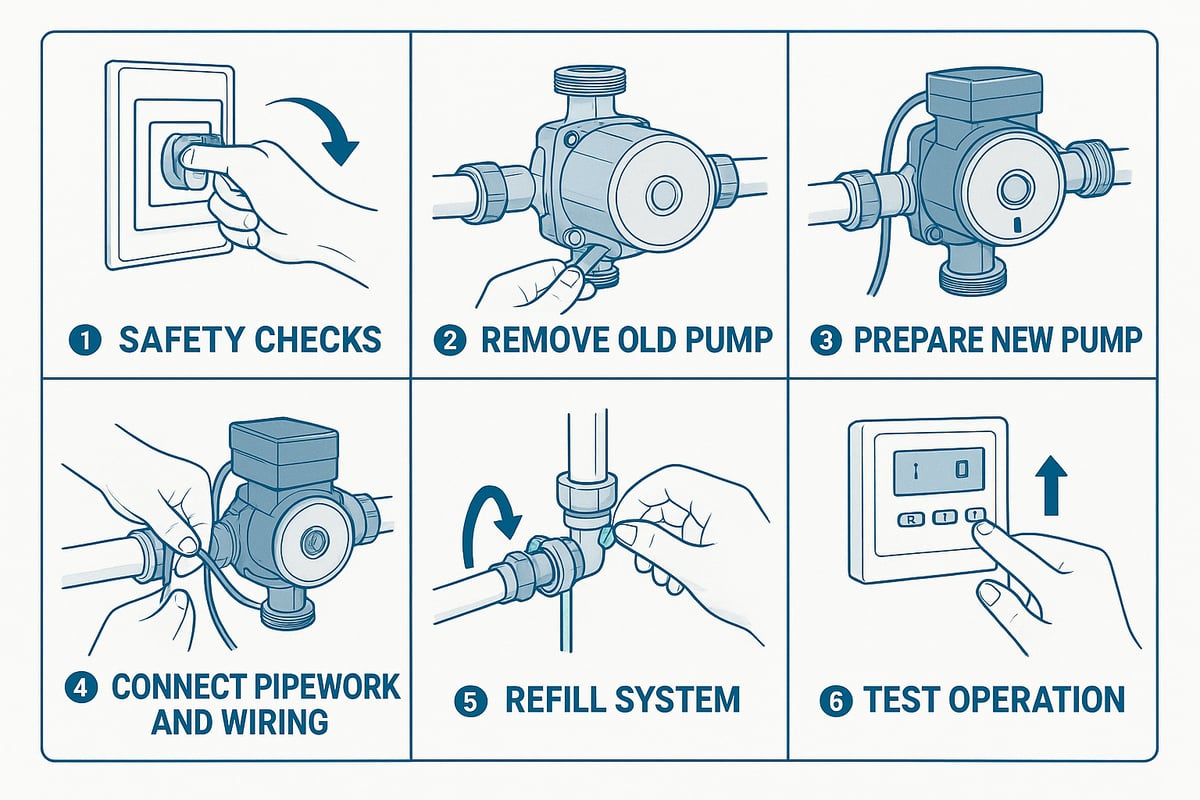
Before you start, proper preparation is essential for a safe and successful pump for heating system installation. Begin by switching off the electrical supply at the consumer unit and isolating the relevant circuit. Next, shut off the water supply to the heating system and allow the system to cool completely.
Gather all necessary tools and personal protective equipment (PPE). You will typically need adjustable spanners, screwdrivers, a bucket, towels, an electrical tester, and gloves. Always verify with a voltage tester that there is no power present before proceeding. These checks help prevent accidents and protect both you and your pump for heating system investment.
With the system safely isolated, you can start removing the old pump for heating system. Place towels or a tray beneath the pump to catch any residual water. Loosen the pump unions using a spanner, being careful to support the pipework and avoid unnecessary strain.
Disconnect the electrical wiring, noting the connections for later reference. Remove the pump from its mounting brackets or securing clamps. If water leaks occur, be prepared to mop up and ensure no electrical components become wet. Dispose of the old pump for heating system responsibly, following local recycling or waste guidelines.
Choosing the right replacement pump for heating system is crucial for performance and efficiency. Ensure the new pump matches the required flow rate, head pressure, and system type. Double-check the orientation of the pump to guarantee correct flow direction, usually indicated by an arrow on the pump body.
Before installation, inspect the new pump for any visible damage. Fit new gaskets or washers to the pump unions to prevent leaks. Some manufacturers provide pre-assembled units, but always confirm that all components are secure. Preparing the pump for heating system thoroughly now prevents issues later.
Now it is time to fit the new pump for heating system in place. Align the pump with the existing pipework, ensuring the arrow points in the correct flow direction. Secure the unions by hand, then tighten them with a spanner, taking care not to overtighten.
Reconnect the electrical wiring, matching the live, neutral, and earth wires as previously noted. If you are installing a smart or variable-speed pump, follow the manufacturer’s instructions for connecting any control wiring. For a comprehensive walkthrough, refer to the Thermo pump installation guide for additional support. Ensuring the pump for heating system is properly fitted is key to long-term reliability.
Once the pump for heating system is securely installed, refill the heating circuit with water. Open the isolation valves and slowly allow water back into the system. Monitor for leaks around the new pump and tighten connections if necessary.
Bleed the radiators and the pump itself to release trapped air, starting with the lowest points in the system. Use a radiator key or bleed screw as required. Maintain the correct system pressure, typically between 1 and 1.5 bar for domestic setups. Completing this step ensures your pump for heating system operates at optimal efficiency.
With the system refilled and bled, restore power to the pump for heating system. Set the pump speed according to system requirements, starting at the manufacturer’s recommended setting. Observe the pump in operation, listening for unusual noises and checking for vibrations or leaks.
Measure flow rates and verify that all radiators or underfloor circuits are heating evenly. If adjustments are needed, refer to the pump’s manual for speed or control settings. Proper commissioning confirms your pump for heating system is delivering reliable performance and energy savings.
Proper care of your pump for heating system is essential for reliable operation and long-term efficiency. Routine attention reduces unexpected breakdowns, preserves energy savings, and sustains comfort throughout your property.
Regular maintenance keeps your pump for heating system running smoothly and efficiently. Begin with annual inspections, ideally before the heating season starts. These checks often include:
Follow the service intervals recommended by your pump manufacturer to maintain warranty coverage. Preventative care reduces the risk of sudden failures and helps maintain stable heating performance.
Even a well-maintained pump for heating system can develop issues over time. Common symptoms include:
| Symptom | Possible Cause | Example Diagnosis |
|---|---|---|
| Unusual noise | Airlock, worn parts | Air trapped in system |
| Leaks | Damaged seals | Perished gasket |
| Overheating | Blocked impeller | Debris in pump housing |
| Low flow | Impeller blockage | Sludge build-up |
For instance, if you notice a noisy pump, it might be due to trapped air or a failing bearing. Distinguishing between airlocks and mechanical blockages is key to effective troubleshooting.
Understanding what you can safely tackle on your pump for heating system is important. Homeowners can often:
More complex issues, such as persistent leaks, electrical faults, or internal pump damage, require a certified heating engineer. Attempting repairs beyond your expertise can void warranties and compromise safety, so always consult a professional when unsure.
With proper care, a pump for heating system can last 10 to 15 years. Key practices to extend lifespan include:
Manufacturers provide specific guidance for their models, so always refer to the user manual. Consistent attention helps avoid premature failures and ensures your heating remains efficient.
Optimising your pump for heating system not only saves energy but also lowers running costs. Consider these strategies:
Smart pumps can adapt automatically for further savings. For more practical advice, see these energy-saving heat pump tips to maximise efficiency and comfort.
The landscape for the pump for heating system is evolving rapidly as we approach 2026. Homeowners and businesses are seeking smarter solutions, driven by stricter regulations, environmental goals, and a desire for lower running costs. In this section, we explore the latest innovations and trends shaping the future of efficient heating.
Technology is transforming the pump for heating system into a highly intelligent device. The latest models now feature IoT connectivity, allowing remote monitoring and diagnostics. This means potential faults can be detected and addressed before they become major issues.
Predictive maintenance is another breakthrough, using data analytics to anticipate wear and optimise performance. Many pumps integrate seamlessly with smart home systems, enabling users to control heating remotely and set schedules for optimal comfort.
Smart pumps can automatically adjust speed and flow, responding to real-time heating demands. These features result in significant energy savings and quieter operation. As the pump for heating system becomes more advanced, it is set to play a pivotal role in efficient, low-carbon buildings.
Regulatory changes are reshaping the pump for heating system market in the UK and across Europe. From 2026, new mandates will require all heating pumps to meet higher energy efficiency standards, further reducing emissions and running costs.
Manufacturers are responding by phasing out less efficient models and focusing on A-rated or higher pumps. These regulations affect both product availability and installation requirements, ensuring only the most efficient pump for heating system solutions are installed in new and existing properties.
Installers and homeowners must stay informed about these changes to remain compliant and maximise long-term savings. The shift towards greener technology is accelerating the adoption of advanced pumps in both domestic and commercial settings.
Sustainability is at the heart of the latest pump for heating system developments. Manufacturers are increasingly using recyclable materials and eco-design principles to minimise environmental impact. New pumps are compatible with low-GWP refrigerants, making them ideal for integration with renewable heating systems.
The energy efficiency of modern pumps also plays a crucial role in reducing the carbon footprint of buildings. According to How Efficient Are Heat Pumps? A Comprehensive Guide (2026), these systems can deliver impressive energy savings compared to traditional heating methods.
By choosing a sustainable pump for heating system, property owners contribute to the UK’s climate targets. This move supports both environmental stewardship and lower utility bills.
Market trends indicate a strong shift towards smart, silent, and ultra-efficient solutions. Consumers are increasingly choosing pumps with advanced controls and minimal noise output. There has been a surge in the adoption of smart heating controls, with a 40% increase reported in recent years.
One major driver is the rising popularity of heat pumps and efficient heating upgrades. In fact, UK heat pump sales grew 63% in 2024, highlighting the momentum behind this market shift.
As the pump for heating system becomes more integrated with digital platforms, users enjoy greater convenience, control, and peace of mind.
Consider a recent installation in a UK home where an outdated unit was replaced with a variable-speed pump for heating system. The new pump offered smart scheduling, remote access, and automatic speed adjustment based on heating demand.
Following the upgrade, the homeowner reported more even heat distribution and a significant drop in energy bills. Noise levels were reduced, and maintenance requirements became minimal. This case demonstrates the real-world benefits and measurable savings achievable with a modern pump for heating system.
Professional support is essential when installing or upgrading a pump for heating system. Certified installers ensure every component is fitted safely, efficiently, and in accordance with the latest regulations. This not only protects your investment but also guarantees the system delivers optimal performance, reliability, and energy savings for years to come. Choosing a certified installer is a crucial step in achieving both compliance and peace of mind.
Selecting a certified professional to install a pump for heating system is vital for several reasons. First, it ensures all work complies with safety and building regulations, reducing the risk of accidents or faults. Certified installers are trained to the highest standards and keep up to date with the latest industry developments. Their expertise also means your warranty remains valid and you avoid costly mistakes. Accreditation schemes such as Gas Safe, MCS, and RECC provide assurance that your installer is qualified for the job.
A professional installation begins with a full system assessment to determine the most suitable pump for heating system. The installer will evaluate your property’s heating requirements, recommend the right pump size, and explain the installation process. Expect a transparent quote detailing all costs upfront. After installation, you will receive guidance on operating your new system and information about aftercare support. This approach ensures your system is tailored to your needs and set up for maximum efficiency.
Partnering with renewable heating specialists ensures your pump for heating system integrates seamlessly with modern technologies such as heat pumps and solar thermal. These experts have specific knowledge in designing and upgrading hybrid systems for optimal efficiency. Professional support is especially important when installing renewable heating, as it involves unique challenges and regulatory requirements. Notably, over 80 percent of UK households report satisfaction with their heat pump systems, highlighting the benefits of expert installation and support (Heat pumps: more than 80% of households in Great Britain ‘satisfied with system’).
U and I Renewables stands out as a leading provider for pump for heating system upgrades and renewable integration. With over 17 years of experience, they are government-approved for air source heat pump installations and efficient heating solutions. Clients benefit from access to grants of up to £7,500, flexible finance options, and expert local support. U and I Renewables prioritises certified, customer-focused service, ensuring every installation meets the highest eco-friendly and safety standards.

After installing a pump for heating system, ongoing aftercare is essential for long-term performance. Professional providers offer tailored maintenance plans, regular efficiency checks, and 24/7 emergency repair services. Scheduled servicing helps prevent unexpected breakdowns and extends the lifespan of your pump. Investing in professional aftercare safeguards your system, maintains energy efficiency, and protects your warranty, ensuring you enjoy consistent comfort and cost savings.