No products in the basket.
As UK households confront soaring energy prices and stricter environmental rules, demand for energy-efficient home heating is reaching new heights. This guide to thermo pump installation gives you expert, step-by-step advice for 2026, ensuring your system delivers top performance, meets all regulations, and provides lasting savings.
You will discover the latest advances in technology, learn how to plan your project, follow each key installation step, and get practical tips on compliance, troubleshooting, and maintenance.
Ready to cut costs, embrace 2026’s innovations, and achieve reliable results? Start your journey with this actionable, professional guide.
Thermo pump installation is at the forefront of the UK’s heating revolution, promising a cleaner and more efficient future for homeowners. With the government’s net zero ambitions driving innovation, understanding the fundamentals and latest trends is essential for anyone considering this technology. Let’s explore what sets modern thermo pumps apart, how the market is evolving, and why these systems are fast becoming the preferred choice for sustainable heating.
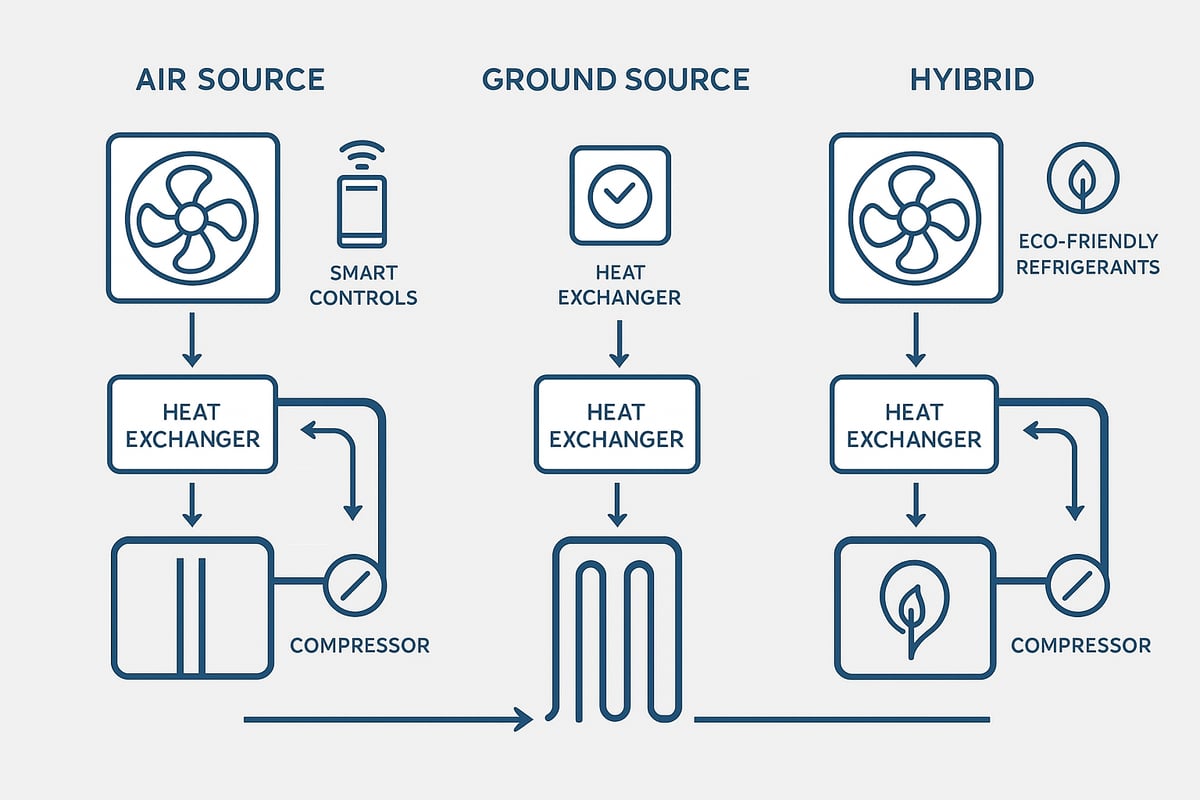
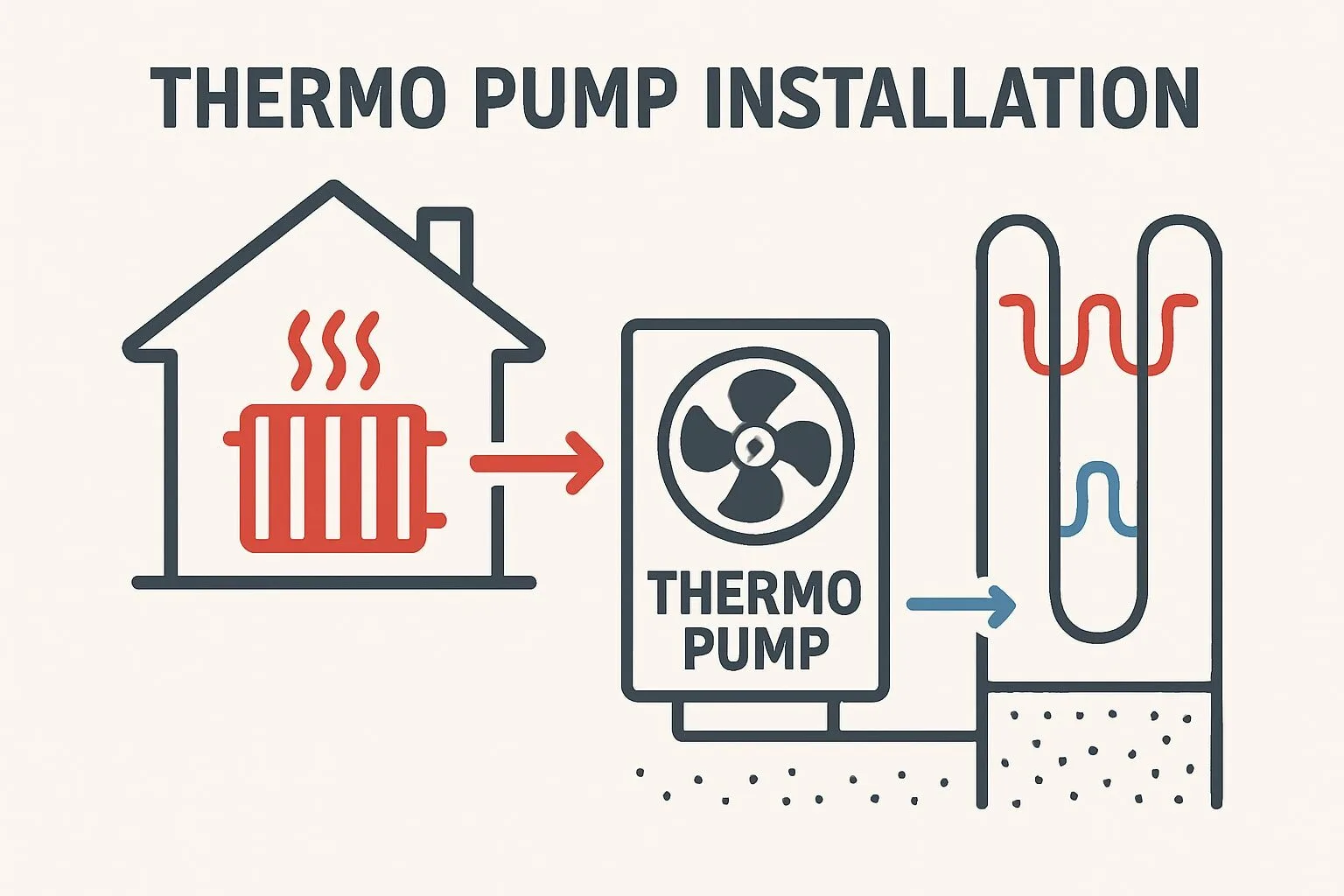
A thermo pump is a device that transfers heat from one place to another using a refrigeration cycle, making it highly efficient for both heating and cooling. There are three main types:
Thermo pump installation adapts to various property needs, providing domestic heating, cooling, and hot water. By absorbing and releasing heat, these systems deliver comfort throughout the year, making them a versatile solution for modern homes.
The pace of innovation in thermo pump installation is accelerating rapidly. In 2026, the latest models feature Seasonal Coefficient of Performance (SCOP) ratings above 4.0, meaning they can deliver over 400% efficiency compared to the energy consumed. Integration with smart home and IoT systems allows remote monitoring and automated control, optimising energy use and comfort.
Eco-friendly refrigerants are now standard, significantly lowering carbon footprints. These advancements not only meet stricter environmental regulations but also ensure long-term savings and reliability for those investing in thermo pump installation.
Thermo pump installation is seeing unprecedented growth in the UK. By 2026, over 1 million homes are projected to use heat pumps, driven by government incentives and the phase-out of gas boilers. The Energy Saving Trust highlights a strong upward trend as more households seek sustainable solutions.
With generous grants and clear net zero targets, consumers are embracing thermo pump installation for both environmental and financial reasons. This shift signals a major transformation in the UK’s approach to home heating.
Choosing thermo pump installation over conventional systems delivers a range of benefits:
Modern systems are designed for optimal efficiency and minimal emissions, helping homeowners cut both bills and carbon. For a deeper dive into how these systems boost efficiency and comfort, see energy-saving heat pump benefits. The financial and environmental advantages make thermo pump installation a smart long-term investment.
Despite the clear benefits, some myths persist around thermo pump installation. Many believe these systems are noisy, ineffective in cold climates, or complex to fit. However, modern units operate below 40dB, making them suitable for urban areas.
Today’s pumps are engineered for reliable performance even during UK winters. Installation, when handled by certified professionals, is straightforward and unobtrusive. Understanding the facts ensures informed decisions and maximises the value of thermo pump installation.
Embarking on a thermo pump installation is a multi-stage process that requires careful planning, technical expertise, and attention to regulatory standards. Each step, from property assessment to post-installation checks, plays a vital role in ensuring efficiency, comfort, and compliance. By following this guide, homeowners and professionals can achieve optimal results and long-term savings.
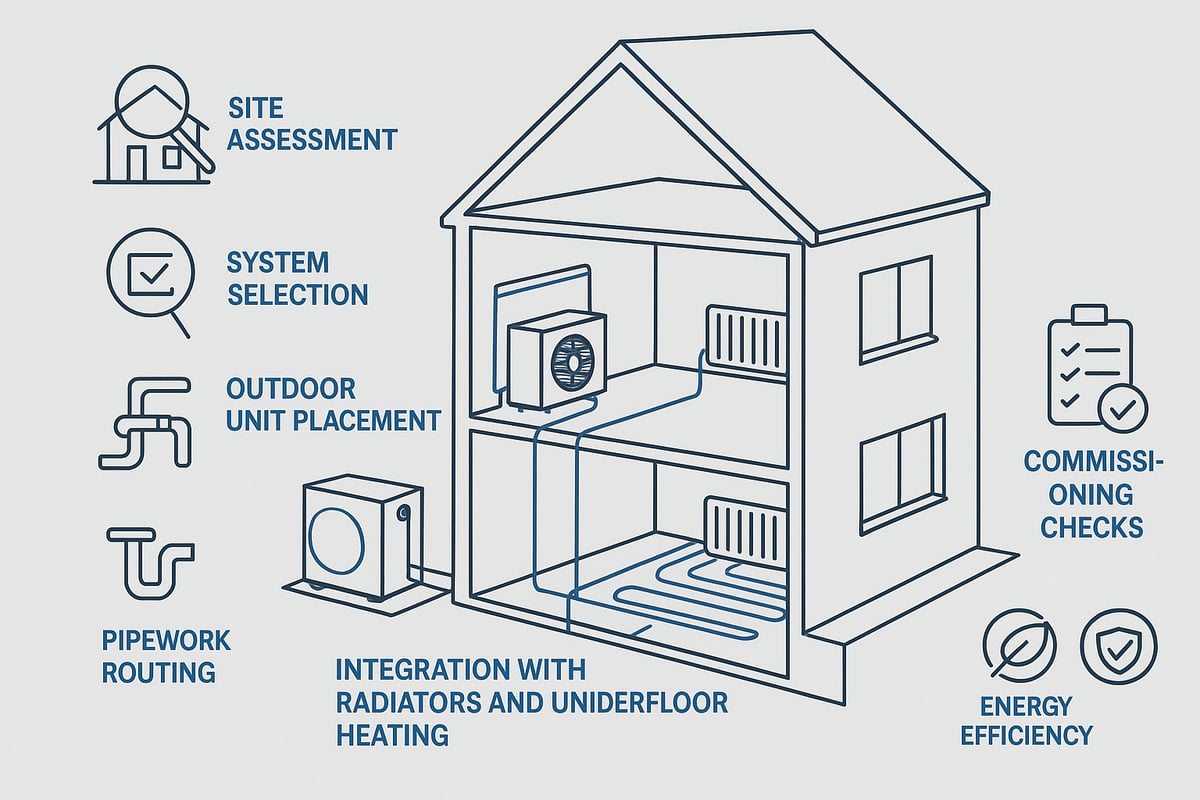
A successful thermo pump installation begins with a thorough site assessment. Evaluating the property's suitability is essential, as factors like available outdoor space, insulation levels, and building orientation can impact both performance and efficiency.
Professionals start by conducting detailed heat loss calculations. These calculations ensure the chosen system matches the heating and cooling demands of the property. System sizing is crucial, as an undersized or oversized unit can lead to inefficiency and higher running costs.
Legal and planning permissions must also be considered. In the UK, most installations fall under permitted development rights, but exceptions exist, especially for listed buildings or conservation areas. Always check local planning requirements and, if necessary, obtain approval before proceeding.
For accuracy, many installers use SAP (Standard Assessment Procedure) assessments. This step verifies that the proposed thermo pump installation meets both regulatory and efficiency standards. A well-executed assessment sets the foundation for a high-performing system and ensures compliance from the outset.
Choosing the appropriate system is a pivotal part of the thermo pump installation process. The main options are air source, ground source, and hybrid systems. Each type has distinct benefits and is suited to different property types and heating requirements.
Matching the system to your specific needs involves evaluating the size of your home, insulation levels, and existing heating infrastructure. Proper sizing is essential for comfort and efficiency. An oversized thermo pump installation can lead to unnecessary cycling, while an undersized system may struggle in colder months.
Brand reliability, warranty terms, and aftercare support are also critical. It is wise to compare brands and opt for models with robust warranties and proven performance records. Smart controls and integration with home automation systems can further enhance efficiency and user experience.
For retrofits, hybrid systems are often recommended. They combine a traditional boiler with a heat pump, offering flexibility and improved performance in older homes. For more on professional air source heat pump installation, see Air source heat pump installation.
Proper preparation is key to a seamless thermo pump installation. Begin with any necessary groundworks, such as creating a solid base for the external unit or drilling boreholes for ground source systems. The outdoor area should be accessible, well-ventilated, and free from obstructions.
Next, assess the electrical supply. Most systems require a dedicated circuit and adequate fuse rating to handle the load safely. Upgrading the consumer unit may be necessary, particularly in older properties.
Pipework and cylinder considerations are equally important. Plan the routing for refrigerant lines, water pipes, and, if needed, a hot water cylinder. The goal is to minimise heat loss and ensure easy access for future maintenance. Safe access for installers and future servicing is vital to avoid complications during or after the thermo pump installation.
The professional phase of thermo pump installation involves several precise steps. First, the external unit is mounted in a location that balances airflow, noise minimisation, and accessibility. Installers ensure the base is level and secure, which prevents vibrations and prolongs equipment life.
Next, refrigerant and water lines are carefully connected. This stage requires specialist tools and expertise to prevent leaks and ensure proper insulation. Integrating the heat pump with existing heating systems, such as radiators or underfloor heating, is handled with care to optimise performance.
Electrical wiring is completed by a qualified electrician, who ensures all connections meet safety standards. Commissioning follows, where the installer tests pressure, flow rates, and electrical integrity. Initial performance is verified, and adjustments are made as needed.
A typical installation can take between two and five days for an air source system. This period may vary based on property complexity and system size. Throughout the process, professionals adhere to manufacturer guidelines and UK regulations, ensuring every thermo pump installation is safe, compliant, and efficient.
Upon completion of the physical installation, the system is commissioned. This begins with setting up the controls and user interface, allowing homeowners to manage heating schedules and monitor performance.
Final checks are performed, including pressure testing, flow rate measurements, and leak detection. These checks are essential to confirm the system operates as designed and meets efficiency targets.
Homeowners receive user training, covering daily operation, basic troubleshooting, and maintenance routines. All necessary documentation, including warranties and compliance certificates, is provided during handover. A well-documented handover ensures the thermo pump installation delivers ongoing value and peace of mind.
The first 30 days after thermo pump installation are crucial for monitoring performance. Installers may remotely track system data or schedule in-person visits to address any teething issues promptly.
Common early concerns include minor noise, fluctuating temperatures, or system alerts. Most issues are easily resolved through adjustments or user guidance.
Lastly, scheduling the first annual service is important. Regular maintenance and early intervention help maintain system efficiency, protect the warranty, and ensure the thermo pump installation continues to perform optimally for years to come.
As you consider thermo pump installation for your home, understanding compliance, available grants, and financial options is essential. Navigating regulations, incentives, and costs in 2026 will help ensure your investment is both future-proof and cost-effective.
Thermo pump installation in 2026 must comply with updated UK building standards. All systems require MCS certification, ensuring products and installers meet stringent quality benchmarks.
The latest Part L Building Regulations focus on improved energy efficiency and carbon reduction. Homeowners must notify local authorities and obtain necessary documentation before starting work.
SAP assessments are often required to verify compliance and support grant applications. Following these steps guarantees that your thermo pump installation meets both safety and performance standards.
The UK government continues to support thermo pump installation through substantial grants in 2026. The Boiler Upgrade Scheme (BUS) remains active, offering up to £7,500 for eligible homeowners.
You can check your eligibility and application process through official resources, such as the UK heat pump grants 2026 page, which provides up-to-date information on available funding.
Paperwork typically includes proof of property ownership, installer certification, and compliance with energy standards. These incentives make thermo pump installation more accessible for many households.
Switching to thermo pump installation can yield significant savings on annual heating bills. On average, running costs are 30-50% lower than traditional gas boilers, depending on property efficiency and usage patterns.
For a typical UK home, this means savings of £500 to £1,200 per year. The payback period for thermo pump installation ranges from 5 to 10 years, influenced by system type, grant values, and energy tariffs.
Investing in high-efficiency models and smart controls maximises long-term returns and supports environmental goals.
Thermo pump installation is a significant investment, but various finance options make it manageable. Green finance products, such as low-interest loans, are available from banks and energy suppliers.
Many installers offer payment plans starting from £20 per week, spreading the cost over several years. Flexible finance helps homeowners act now, benefitting from grants and lower running costs without upfront financial strain.
Review terms carefully and seek independent advice to choose the best option for your situation.
Selecting a qualified professional is vital for a successful thermo pump installation. Look for MCS and TrustMark accreditation, which ensure compliance with industry standards.
Verify installer credentials online and request details of warranty and aftercare provisions. Reliable installers provide clear documentation, user training, and ongoing support.
A certified installer not only guarantees safe and efficient operation but also helps secure grant funding and warranty protection.
U&I Renewables stands out as a trusted choice for thermo pump installation, with over 17 years of experience in renewable heating solutions. As a government-approved installer, they offer access to grants up to £7,500 for eligible homeowners.

Clients benefit from whole-house advice, flexible finance, and 24/7 emergency support. Thousands across Yorkshire and the UK have chosen U&I Renewables for their commitment to quality and compliance with the latest 2026 standards.
Their expertise ensures your thermo pump installation delivers lasting value, comfort, and peace of mind.
Thermo pump installation is only the first step in ensuring reliable, efficient home heating. To maximise long-term performance, it is essential to understand common issues, adopt a proactive maintenance routine, and know when to seek professional assistance. This section outlines practical strategies for homeowners looking to protect their investment and enjoy year-round comfort.
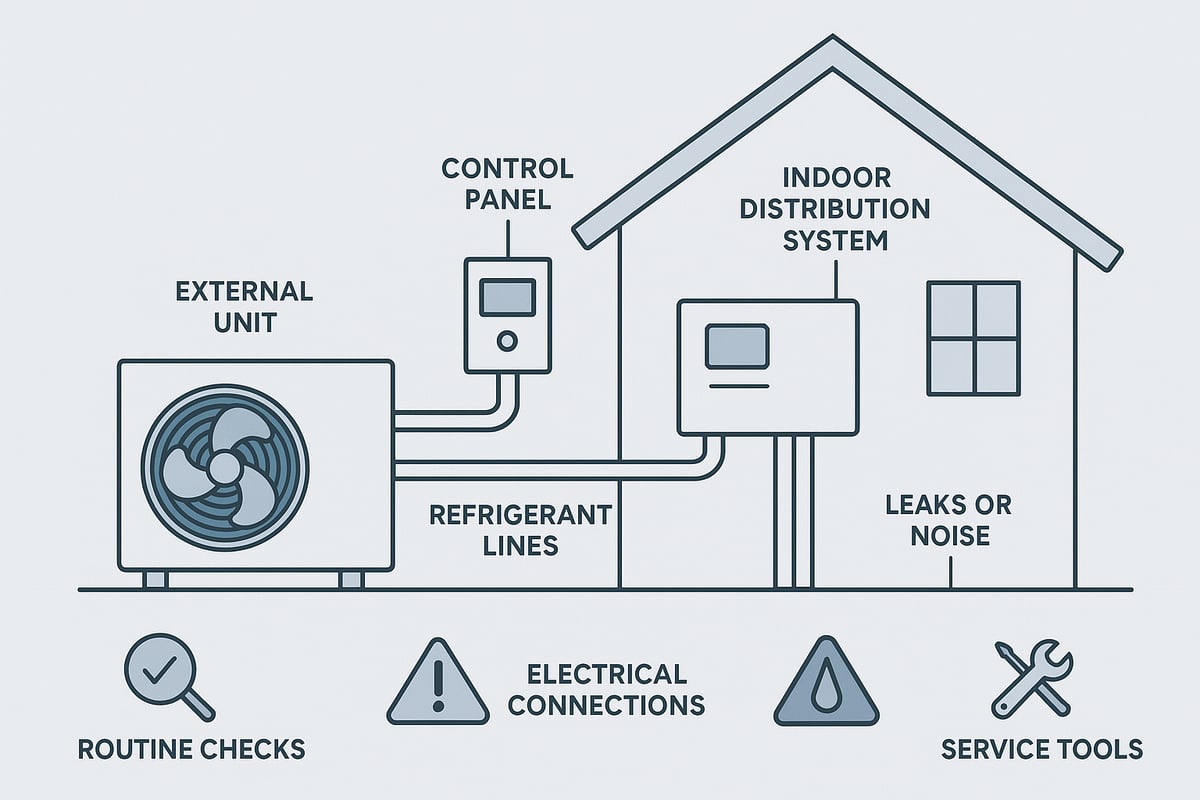
A successful thermo pump installation depends on correct system sizing and placement. Undersized pumps struggle to meet demand, while oversized units cycle inefficiently, increasing wear. Poor placement can lead to noise complaints or blocked airflow, especially in compact urban settings.
Frequent issues include:
According to MCS data, 20 percent of early failures are linked to installation errors. Always use certified professionals for thermo pump installation and request a detailed commissioning report to prevent these problems.
Regular maintenance is crucial for extending the lifespan of any thermo pump installation. Key tasks include:
Scheduling an annual service with a certified technician ensures safe operation and keeps warranties valid. Simple maintenance steps help maintain efficiency and reduce the risk of unexpected breakdowns.
To get the most from your thermo pump installation, tailor system controls for the changing seasons. Adjust heating curves and thermostat settings as outdoor temperatures fluctuate.
Smart thermostats and weather compensation features automatically optimise performance. Reduce standby consumption by switching off auxiliary heaters when not needed.
Practical tips for efficiency include:
Small adjustments can deliver significant savings and keep comfort levels high.
Certain issues require prompt attention from a qualified expert. Warning signs include:
Handling refrigerants or electrical components can be hazardous without proper training. For any complex faults, always contact an MCS-certified engineer to maintain safety and compliance.
Knowing when to seek help protects your investment and ensures your thermo pump installation continues to meet UK standards.
Most thermo pump installation warranties last 5 to 7 years, covering parts and labour for manufacturing faults. However, exclusions often apply to issues caused by poor maintenance or unauthorised repairs.
Typical warranty coverage includes:
Not covered:
Consider upgrading controls or adding solar integration as technology evolves. Keeping documentation and service records up to date will help with future claims or system enhancements.
Preparing for the future is essential when considering thermo pump installation. With evolving technology and regulations, making the right choices today can ensure your system remains efficient, compliant, and valuable for years to come.
Combining thermo pump installation with other renewable systems maximises energy independence and cost savings. One of the most effective strategies is pairing your heat pump with solar PV panels. This setup allows you to generate your own electricity, which can directly power your heating and hot water.
Adding battery storage further increases efficiency. Excess solar energy can be stored and used during peak hours, reducing reliance on the grid. Many homeowners find that integrating these technologies can reduce overall energy bills by more than 70 percent.
When planning your thermo pump installation, consider future compatibility with renewables. Look for systems designed to support solar and battery integration, ensuring seamless upgrades as your needs evolve.
Staying up to date with changing regulations is vital for any thermo pump installation. As the UK moves toward its 2030 net zero targets, new standards and incentives will shape the market. Selecting a system with smart grid compatibility ensures your investment remains compliant and benefits from future energy schemes.
Smart-enabled heat pumps can participate in demand response, adjusting operation based on grid needs and tariffs. Firmware updates keep your system in line with the latest requirements. For a broader perspective on the UK’s heat pump strategy, review the Heat Pump Investment Roadmap.
Before finalising your thermo pump installation, confirm with your installer that your chosen system supports future regulatory changes and integration with smart technologies.
Many UK homes, especially older properties, may benefit from upgrading existing heating infrastructure alongside thermo pump installation. Retrofitting can involve replacing undersized radiators, improving pipework, and enhancing insulation to maximise system efficiency.
Hybrid systems are a popular choice for challenging properties. They combine a heat pump with a traditional boiler, offering flexibility and reliability during colder periods. Upgrades may also include adding advanced controls or zoning for precise temperature management.
Case studies have shown that even Victorian homes can achieve excellent results with thoughtful planning. Always assess the full property to ensure your thermo pump installation delivers optimal performance.
Investing in a high-quality thermo pump installation can significantly boost your property’s value and appeal. Improved Energy Performance Certificates (EPC) make homes more attractive to buyers focused on sustainability and lower running costs.
Market trends indicate growing demand for low-carbon homes. Properties with heat pumps not only sell faster but often command a premium. For example, recent data shows homes with these systems sell up to 14 percent quicker compared to those with traditional heating.
By choosing a future-proofed thermo pump installation, you position your home for long-term savings, environmental benefits, and enhanced resale potential.