No products in the basket.
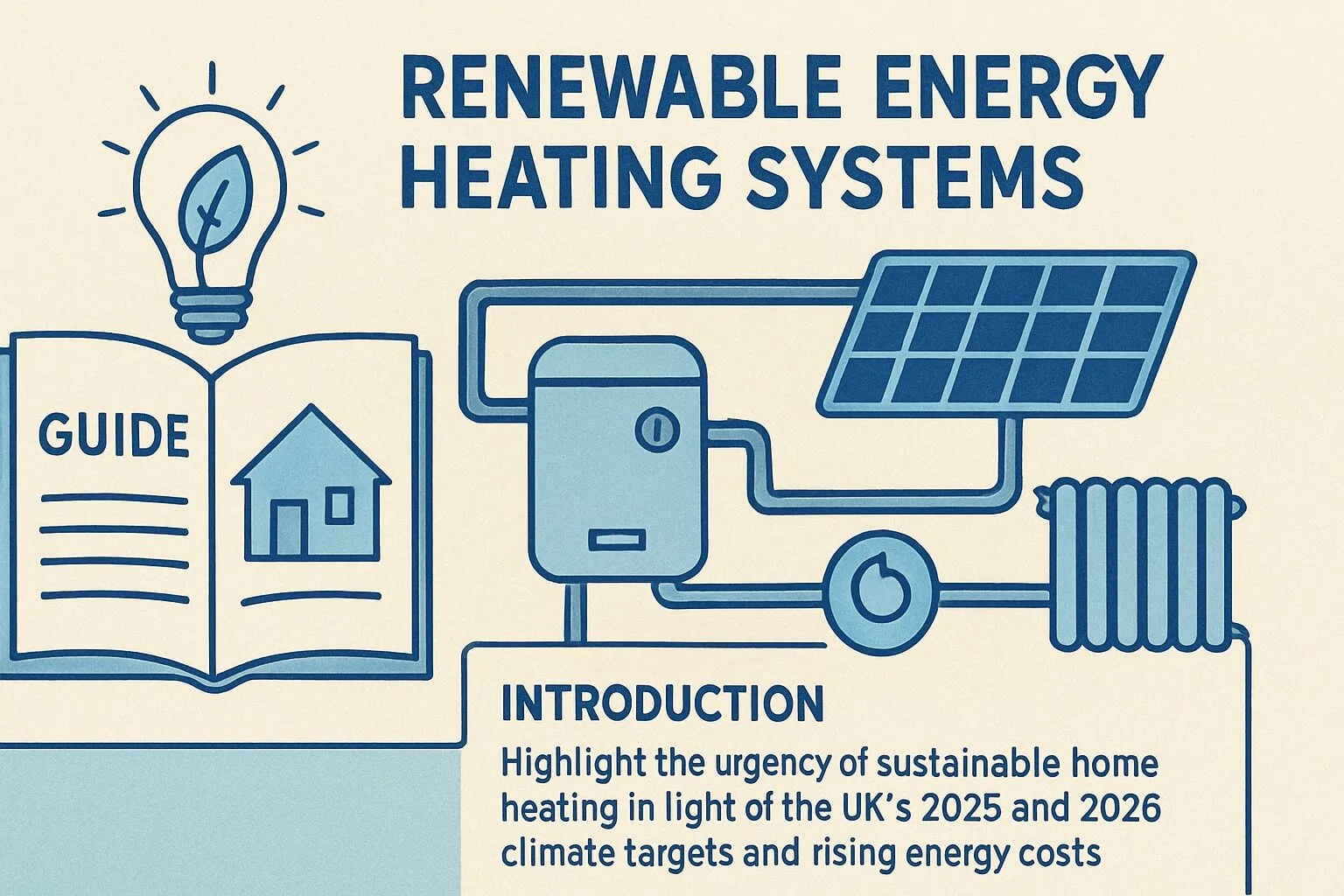
With 2025 and 2026 climate targets fast approaching and energy costs rising, the need for sustainable home heating has never been more urgent. Today, renewable energy heating systems are not only accessible but also offer impressive efficiency and financial appeal for UK homeowners. By choosing these systems, you can reduce your energy bills, lower your carbon footprint, increase your property’s value, and benefit from strong government support. This guide offers a comprehensive, up-to-date overview for anyone considering renewable energy heating systems in 2026. Explore types of systems, their operation, costs, incentives, how to choose, and future trends.
The way we heat our homes in the UK is undergoing a profound transformation. For decades, gas boilers dominated the market, but these traditional systems are now widely recognised for their inefficiency and significant carbon emissions. As environmental awareness grows, the need to transition from fossil fuels to renewable energy heating systems has never been more urgent.
Government action is accelerating this shift. The UK’s commitment to Net Zero by 2050 is shaping policy, with 2026 set as a landmark year for home heating. New regulations will further restrict the installation of gas and oil boilers in both new builds and existing properties. This regulatory pressure is making renewable energy heating systems a practical necessity for homeowners who want to future-proof their properties.
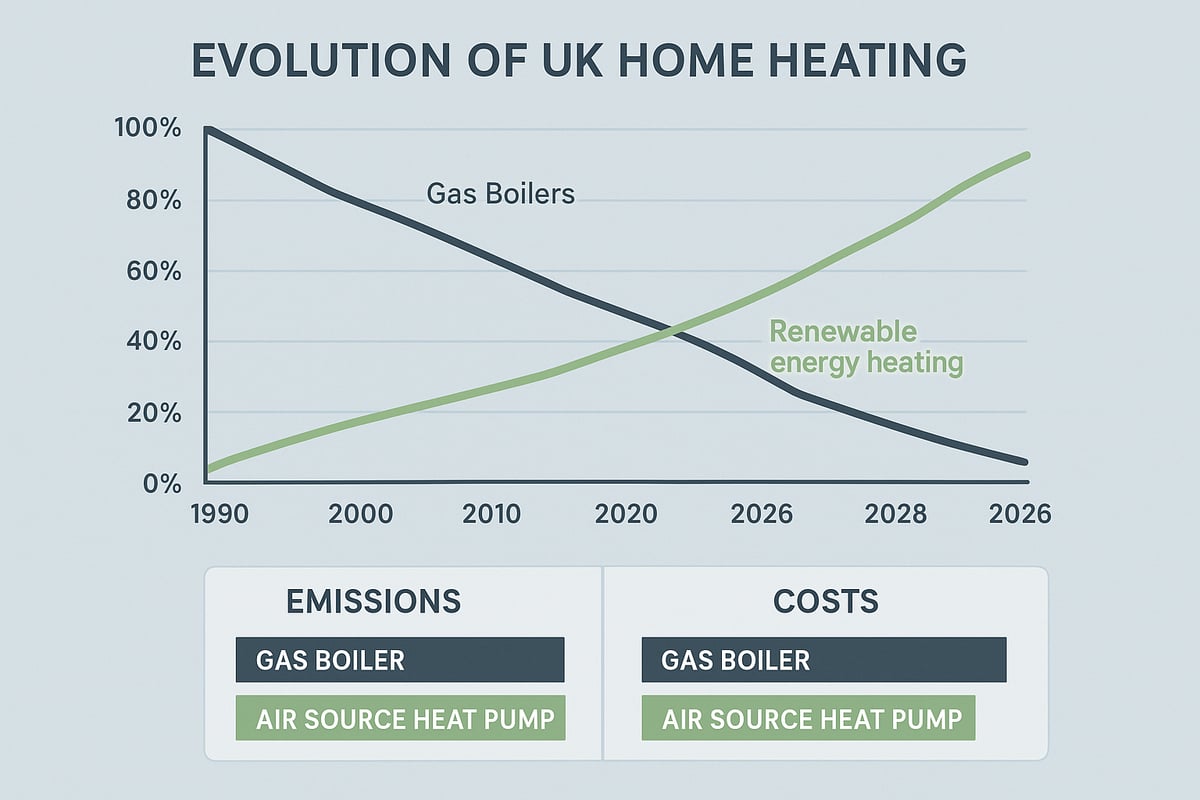
Consumer behaviour is also changing rapidly. Over 85% of UK homes relied on gas heating in 2023, but projections for 2026 indicate a sharp rise in the adoption of renewable energy heating systems. Increased awareness of climate change, energy price volatility, and the desire for lower bills are driving this trend. According to the latest record number of renewables installed in UK homes report, installations of technologies like heat pumps and solar thermal have surged, reflecting a clear market shift.
Energy performance certificates (EPC) and minimum efficiency standards are becoming critical for property sales and rentals. Homes equipped with renewable energy heating systems not only achieve higher EPC ratings but also appeal to eco-conscious buyers. This is making renewables a smart investment for increasing property value and ensuring compliance with future regulations.
To illustrate the benefits, consider a typical UK semi-detached home. Switching from a gas boiler to an air source heat pump can reduce annual energy bills by up to 50% and cut carbon emissions by over 60%. The table below summarises the comparison:
| System | Annual Energy Bill | Annual CO2 Emissions |
|---|---|---|
| Gas Boiler | £1,200 | 2.5 tonnes |
| Air Source Heat Pump | £600 | 1.0 tonne |
As we approach 2026, the UK is reaching a tipping point. The combination of policy, technology, and consumer demand is making renewable energy heating systems the new standard for British homes. Early adopters are already reaping the rewards, while laggards risk higher costs and regulatory obstacles in the near future.
Choosing the right renewable energy heating systems is essential for homeowners seeking comfort, efficiency, and sustainability in 2026. With advancing technology and government incentives, a range of solutions now fit UK homes of all shapes and sizes. Below, we explore the main options, their benefits, and what to expect from each system. For a comprehensive summary, see this renewable heating system overview.
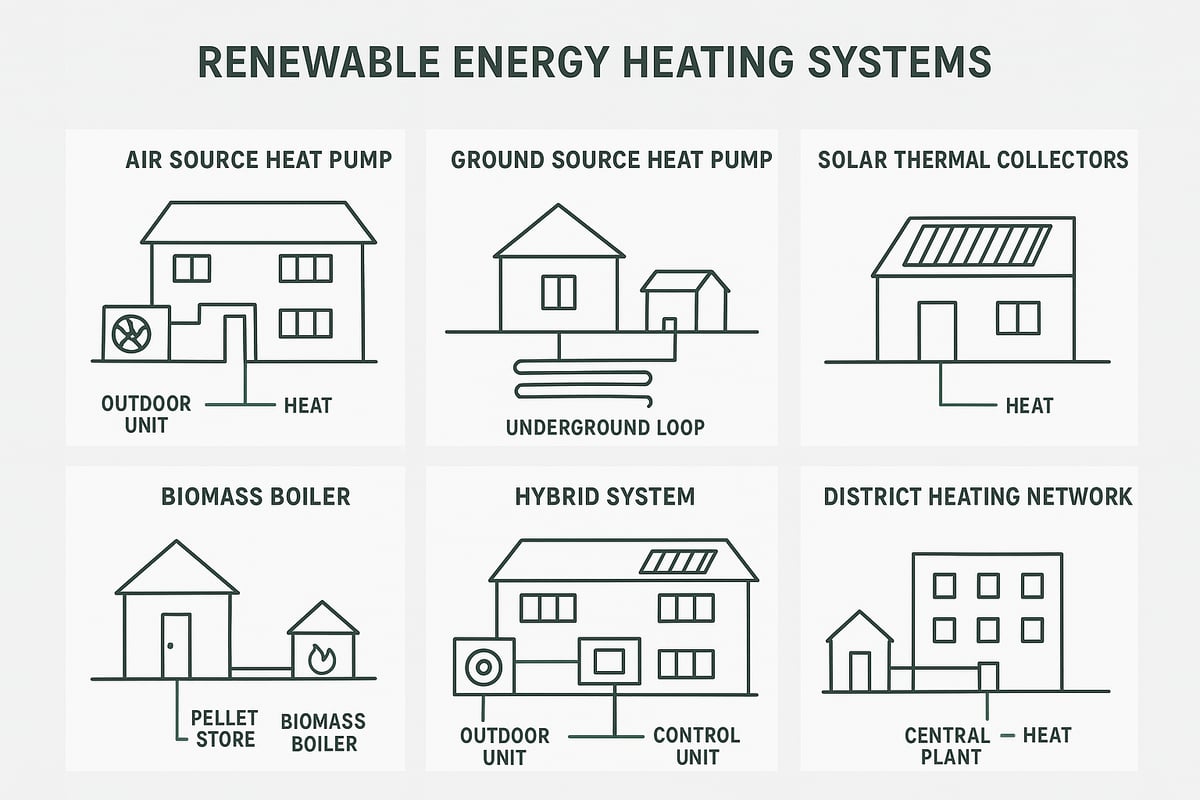
Air source heat pumps are a popular choice among renewable energy heating systems, extracting heat from the outside air even in cold weather. These units work by using refrigerant cycles to absorb ambient heat and transfer it indoors.
Efficiency is high, with Coefficient of Performance (COP) typically between 3 and 4. This means for every unit of electricity consumed, three to four units of heat are produced. In the UK, they suit both new builds and retrofits. For instance, a 1930s semi-detached home in Manchester saw a 40 percent reduction in heating bills after upgrading to an air source heat pump.
Maintenance involves annual servicing, and expected lifespan is around 15 to 20 years. According to SEAI and Which?, over 20,000 UK installations occurred in 2023, and numbers are set to double by 2026.
Ground source heat pumps harness stable ground temperatures through buried pipework, making them one of the most efficient renewable energy heating systems. These systems require garden or land space for trenching or boreholes, so installation can be disruptive, especially for retrofits.
Performance is exceptional in well-insulated new builds, but older homes may need extra upgrades. For example, a rural property in Devon compared running costs before and after installation and reported a 55 percent drop in annual heating expenses.
Lifespan is impressive, with ground loops lasting up to 50 years and the heat pump itself around 20 years. Maintenance is minimal after installation.
Solar thermal heating uses roof-mounted collectors to convert sunlight into heat for hot water or central heating. As part of renewable energy heating systems, these setups include panels, a hot water cylinder, and control valves.
Optimal efficiency requires a south-facing roof, but east or west orientations can still deliver good results. Seasonal output varies, with solar thermal typically providing 50 to 60 percent of a family’s annual hot water needs. For example, a household in Kent covered 60 percent of their demand, relying on a backup boiler in winter.
Solar thermal is eligible for government grants, making it an attractive option for reducing energy bills.
Biomass boilers and stoves are another key option within renewable energy heating systems. They burn organic fuels such as wood pellets, logs, or chips, producing heat for water and space heating.
Fuel sourcing is critical: pellets are widely available, but storage space and regular deliveries are needed. These systems are most practical in rural homes, but small stoves can suit urban flats. A community biomass scheme in Cumbria supplies heat to multiple homes from a central pellet boiler, showcasing shared cost and emission benefits.
Biomass systems require regular cleaning and annual servicing. Sustainable fuel sourcing is essential to minimise emissions.
Hybrid systems combine renewable energy heating systems like heat pumps or solar thermal with conventional boilers. Smart controls automatically switch between energy sources, optimising efficiency and cost.
This approach works well in homes with high heating demand or limited insulation. For example, a Victorian terrace in Leeds uses a hybrid air source heat pump and gas boiler. The system prioritises renewable heat but uses gas during peak demand, making phased decarbonisation practical.
Pros include flexibility and reliability, but hybrids may not achieve the same carbon savings as stand-alone renewables.
District and community heating schemes distribute heat from a central renewable energy source to multiple homes. As part of the wider landscape of renewable energy heating systems, these networks are growing in new housing developments and blocks of flats.
A typical setup uses a central biomass boiler or large-scale heat pump plant, with insulated pipes delivering heat to each property. For example, a new-build estate in Glasgow benefits from lower bills and reduced emissions through a shared district heating system.
Such schemes can offer significant cost savings and are helping drive the transition to low-carbon heating in urban areas.
Understanding how renewable energy heating systems function is essential for any homeowner considering the switch. These systems rely on advanced technology and careful integration to deliver reliable, low-carbon heat. Each system type uses different principles, but all aim for maximum efficiency and sustainability.
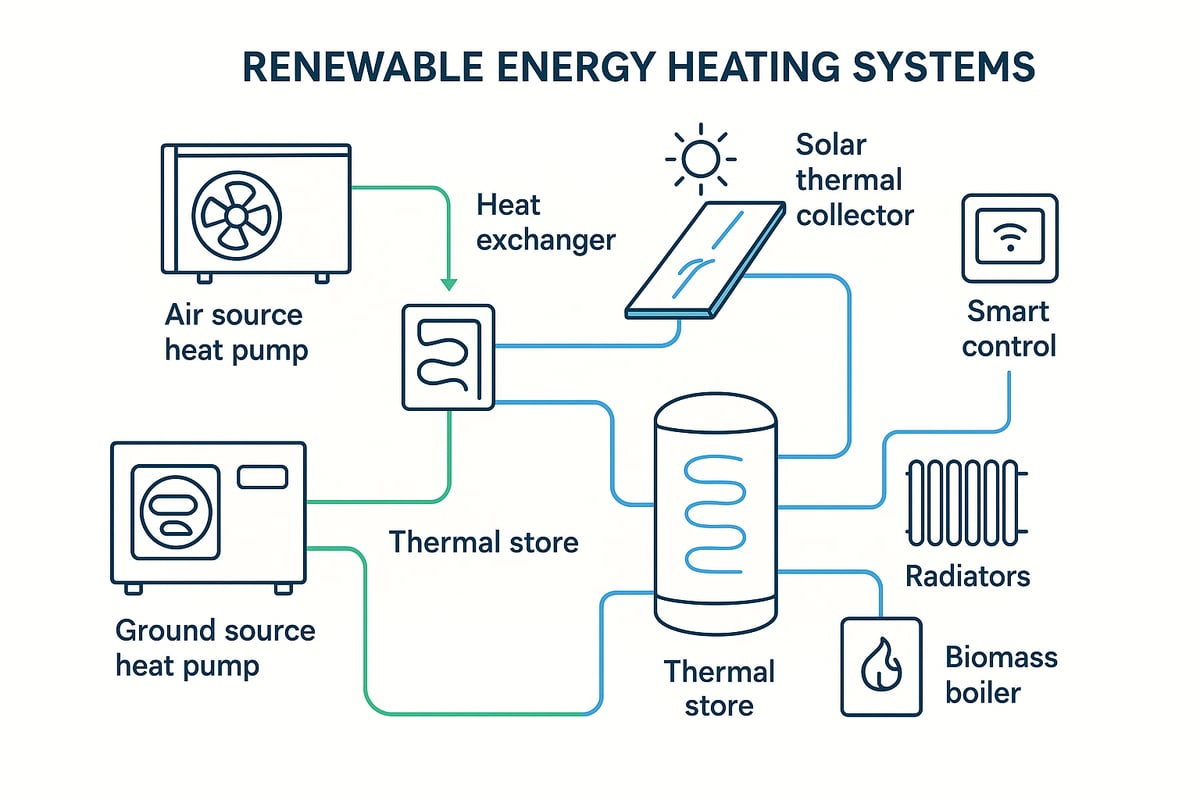
Renewable energy heating systems use natural energy sources to provide heat. Heat pumps, for example, transfer warmth from the air or ground using a refrigerant cycle and a compressor. Even in cold weather, they extract enough heat to warm your home efficiently.
Solar thermal systems capture sunlight through roof-mounted collectors, heating water for taps or radiators. For a detailed breakdown of how these systems work, see this solar thermal heating system guide.
Biomass boilers burn organic fuel, such as wood pellets, to produce heat. Most systems use thermal stores or heat exchangers to distribute and retain warmth, improving efficiency. Typical system efficiencies (seasonal coefficient of performance, or SCOP) range from 2.5 to 4.5 in UK climates, depending on the technology and installation quality.
Integrating renewable energy heating systems with existing UK homes requires careful assessment. Insulation is crucial, as well-insulated properties retain more heat and maximise efficiency. Radiators may need upgrading to larger models, or underfloor heating can be installed for low-temperature systems like heat pumps.
Smart thermostats and zoning controls help tailor heating to each room, reducing waste and boosting comfort. For example, when retrofitting a 1980s semi-detached home, installers often replace single-glazed windows and add loft insulation before connecting the new system. This ensures the renewable energy heating systems operate at peak performance and deliver consistent warmth throughout the property.
Professional heat loss calculations are essential when designing renewable energy heating systems. Installers assess your home’s size, occupancy, and daily routines to recommend the right system capacity. Over-sizing leads to wasteful cycling, while under-sizing causes inadequate heating and higher bills.
Custom designs account for factors like hot water demand, available garden space for ground loops, or roof orientation for solar collectors. A typical installation journey includes a property survey, system design, and commissioning. Avoid common pitfalls by choosing an installer who understands the nuances of renewable energy heating systems and can tailor the installation to your specific needs.
Routine checks and servicing keep renewable energy heating systems running efficiently. Heat pumps and solar thermal systems should be serviced annually, while biomass boilers require regular ash removal and flue inspections. Many modern systems offer remote monitoring, alerting you to faults or drops in efficiency.
Expect lifespans of 15 to 25 years for heat pumps and 20 years or more for solar thermal systems. Warranties and maintenance contracts can provide extra peace of mind, ensuring your renewable energy heating systems remain reliable over time.
Renewable energy heating systems offer significant environmental benefits compared to fossil fuel alternatives. They reduce carbon emissions and improve indoor air quality, particularly when used with proper ventilation. Biomass boilers must use sustainably sourced fuel to limit particulate emissions and protect local air quality.
Noise levels are generally low, especially with modern heat pumps installed away from living areas. By choosing renewable energy heating systems, homeowners contribute to a healthier environment and a more sustainable future.
Understanding the financial landscape of renewable energy heating systems is crucial for homeowners considering an upgrade in 2026. Upfront investments, running costs, available incentives, and long-term property value all play a role in shaping your decision. This section offers a clear breakdown to help you navigate the costs and benefits of renewable energy heating systems with confidence.
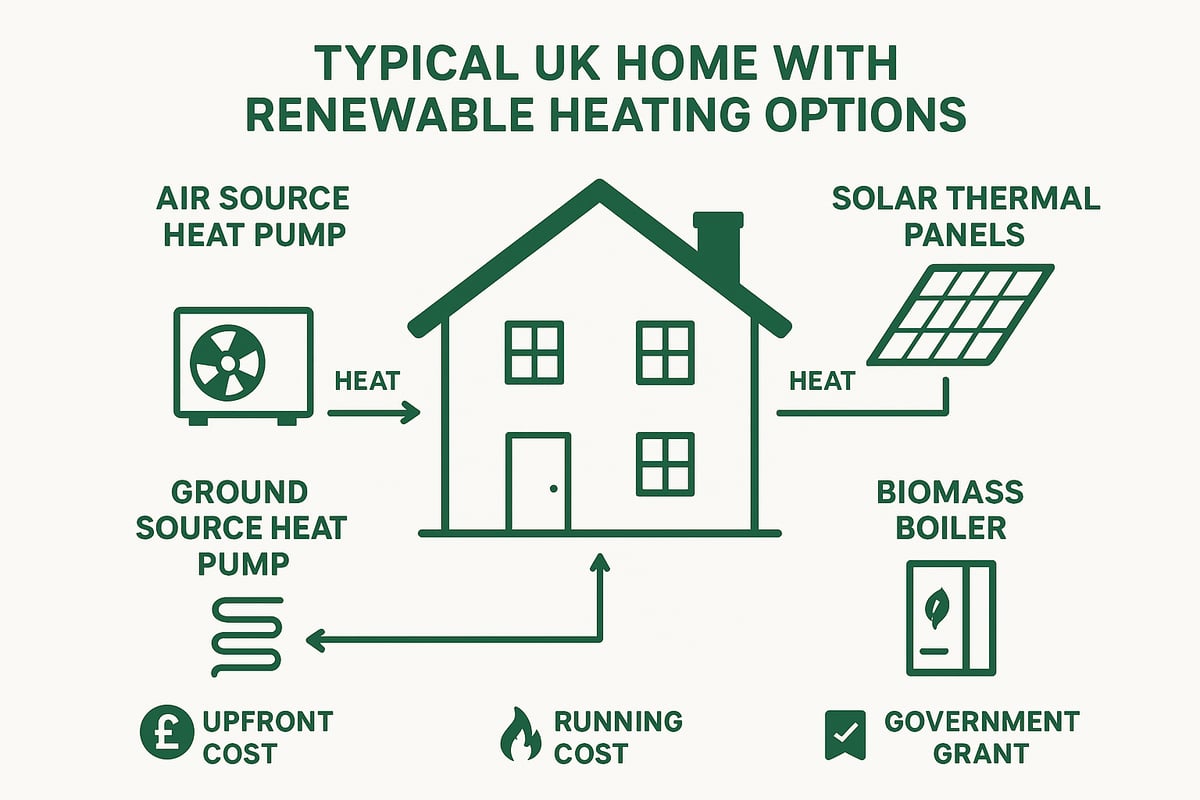
Initial costs for renewable energy heating systems can vary significantly based on the technology, property type, and complexity of installation. As of 2024, air source heat pumps typically range from £7,000 to £13,000 installed, while ground source heat pumps may reach £18,000 to £30,000 due to excavation and groundworks. Solar thermal systems usually fall between £4,000 and £7,000, and biomass boilers can range from £8,000 to £15,000.
By 2026, prices are projected to fall as technology matures and supply chains expand. Payback periods have improved, with many homeowners seeing returns within 7 to 12 years, especially when grants are factored in. For a detailed breakdown and recent trends, see Air source heat pump costs UK.
Investing in renewable energy heating systems not only reduces long-term outgoings but also aligns with upcoming regulations. As costs decrease, the financial argument for adopting renewable energy heating systems becomes even stronger.
Renewable energy heating systems are designed to maximise efficiency and reduce ongoing energy expenditure. Modern heat pumps can cut heating bills by up to 50 percent compared to older gas boilers, while solar thermal can supply up to 60 percent of a household’s annual hot water needs.
Biomass systems depend on fuel prices, but locally sourced pellets or logs can offer cost stability and resilience against market volatility. Ground source heat pumps, while more expensive to install, typically have the lowest running costs due to their high efficiency.
Annual savings in a typical three-bedroom semi-detached home often range from £400 to £900, depending on the system and energy rates. With renewable energy heating systems, lower running costs are a clear and ongoing benefit.
A major driver for the adoption of renewable energy heating systems is the suite of financial incentives provided by the UK government. The Boiler Upgrade Scheme (BUS) offers up to £7,500 towards eligible heat pump installations. Additional support is available through ECO4 and various regional grant programmes.
Solar thermal systems and biomass boilers may also qualify for grants, depending on local schemes and property eligibility. The application process often requires using MCS-accredited installers and submitting proof of property suitability.
VAT relief on renewable energy heating systems means installations can be more affordable, helping homeowners bridge the gap between upfront costs and long-term savings. These incentives significantly improve the financial case for choosing renewable energy heating systems.
Installing renewable energy heating systems can have a positive effect on your home’s Energy Performance Certificate (EPC) rating. Higher EPC scores not only reduce energy bills but also make properties more attractive to buyers and tenants in an increasingly eco-conscious market.
According to Which?, homes fitted with heat pumps sold up to 7 percent faster in 2023 than those with traditional boilers. Improved EPC ratings can also help meet minimum efficiency standards for letting or selling, which are tightening as part of the UK's net zero strategy.
Renewable energy heating systems thus offer both environmental and financial returns, boosting property value and marketability.
While the benefits of renewable energy heating systems are compelling, it is important to consider hidden costs. Upgrades to insulation, radiators, or electrical systems may be needed to maximise system performance. Listed buildings or properties in conservation areas might require planning permission, adding time and expense.
Choosing a reputable, accredited installer is essential to avoid costly mistakes and ensure eligibility for grants. It is also wise to budget for routine maintenance and occasional repairs throughout the system’s lifespan.
Awareness of these factors helps homeowners make informed decisions and avoid common pitfalls when adopting renewable energy heating systems.
Selecting the right renewable energy heating systems for your home requires careful consideration of your property, lifestyle, and long-term goals. With more homeowners prioritising efficiency and sustainability, it is essential to match the right technology to your specific needs. This section will guide you through the key steps to making a confident decision.
Before investing in renewable energy heating systems, assess your property’s unique characteristics. Consider the age of your home, current insulation levels, available outdoor and indoor space, and existing heating infrastructure.
Key factors include:
A home energy audit is invaluable. For example, a well-insulated detached house offers more flexibility than a flat with limited space. Matching system type to property specifics ensures efficient operation and maximum benefit from renewable energy heating systems.
Different renewable energy heating systems vary in performance and suitability for various lifestyles. Heat pumps deliver consistent low-temperature heat, ideal for well-insulated homes. Biomass boilers may suit rural properties with fuel storage, while solar thermal is best for homes with south-facing roofs.
Considerations include:
For example, urban homeowners might value quiet, compact systems, while rural residents benefit from biomass if wood supply is local. Comparing these aspects helps you find renewable energy heating systems that best fit your routine.
The installation of renewable energy heating systems involves several key steps. First, a qualified surveyor will assess your home and recommend the optimal system size and placement. Next, installers handle upgrades to insulation, radiators, or pipework if needed.
Typical process:
Expect some disruption, especially with retrofits. However, professional project management ensures a smooth journey. Understanding the timeline and requirements helps set realistic expectations for your renewable energy heating systems installation.
Choosing the right installer is crucial for the success of renewable energy heating systems. Always seek professionals accredited by MCS, TrustMark, or government-approved schemes. These credentials ensure quality, compliance, and access to grants.
To find reliable installers:
U and I Renewables, for instance, offers Renewable Energy Heating Solutions with over 17 years’ experience and guidance for grants up to £7,500. Their expertise in air source heat pumps, solar thermal, and energy storage streamlines the process for homeowners seeking renewable energy heating systems.
When selecting renewable energy heating systems, consider future needs and emerging technologies. Opt for systems that enable upgrades, such as integrating solar PV with heat pumps or adding battery storage for enhanced efficiency.
Key strategies:
For instance, combining heat pumps with solar panels is increasingly popular. Learn more about heat pump and solar panel integration to maximise your renewable energy heating systems’ potential and adapt to future innovations.
The future of renewable energy heating systems in the UK is rapidly taking shape as 2026 approaches. Policy, technology, and shifting consumer expectations are all converging to redefine how homes are heated. Homeowners now face unprecedented opportunities to transition towards cleaner, more efficient systems, while staying ahead of regulatory changes and market trends.
Significant policy changes are driving the adoption of renewable energy heating systems. The UK government is enforcing stricter rules, such as the ban on new fossil fuel boilers for new-build homes and tighter EPC requirements for property sales and rentals. Carbon pricing is expected to further discourage reliance on gas and oil heating.
Support for heat pumps and other systems is growing. According to the Heat pump investment roadmap, the government has set ambitious targets for heat pump installations, aiming for 600,000 units per year by 2028. These measures ensure that renewable energy heating systems will soon become the default choice for most households.
Technological innovation is transforming renewable energy heating systems. Next-generation heat pumps are becoming more efficient, quieter, and better suited to the UK climate. Smart controls and AI-driven optimisation allow homeowners to automate heating schedules and maximise savings.
Hybrid systems, which combine renewables with traditional boilers, offer flexibility for properties with higher heat demands or limited insulation. Hydrogen-ready boilers and advances in thermal storage are also on the horizon, providing more options for integrating renewable energy heating systems into diverse home types.
Community and district heating schemes are gaining ground, especially in urban areas and new developments. These networks use centralised renewable energy heating systems, such as biomass or large-scale heat pumps, to supply multiple homes efficiently.
Consumers are increasingly seeking whole-home solutions that combine heating, hot water, and even cooling. This demand is driving innovation in modular, scalable systems that can adapt as technology evolves. The result is a more resilient and future-proof approach to renewable energy heating systems.
The market for renewable energy heating systems is set for significant growth through 2030. According to official statistics on energy use, the share of heat generated from renewables is rising steadily.
Pilot projects in zero-carbon housing developments are showcasing the potential for fully integrated, ultra-low emission homes. As these innovations become mainstream, preparing your property now with renewable energy heating systems ensures compliance with future regulations and positions your home for long-term value.