No products in the basket.
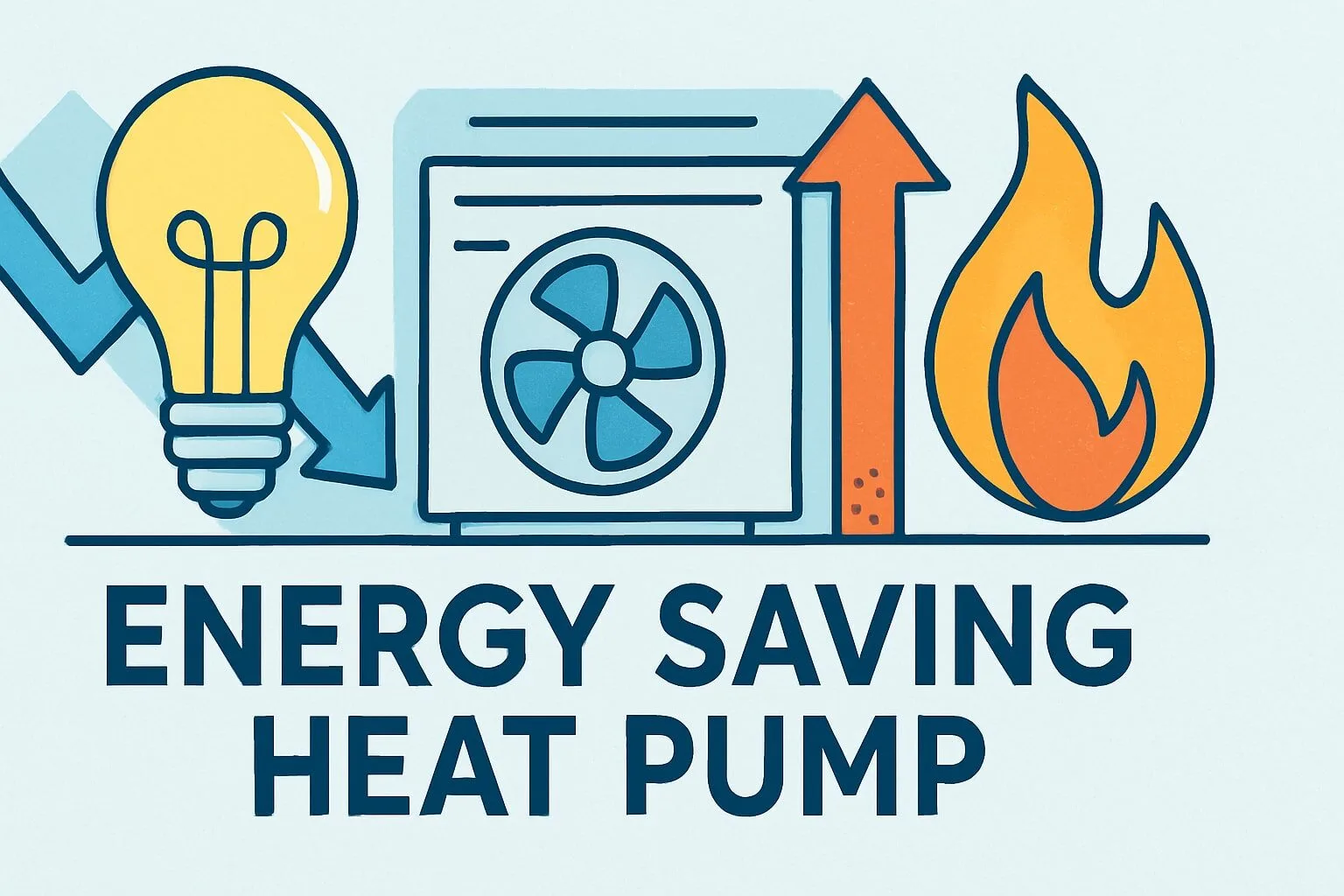
With energy bills on the rise in the UK and climate change at the forefront of national debate, homeowners are actively searching for smarter, energy-saving solutions. The energy saving heat pump stands out as a cutting-edge answer, offering both efficiency and sustainability for modern households.
This guide delivers a comprehensive look at the most efficient heat pump solutions available for 2026. You will discover how these systems work, their types and efficiencies, the installation process, government incentives, and essential maintenance tips.
Whether you want to cut costs or reduce your carbon footprint, this resource will empower you to make informed decisions. Ready to take control of your home’s energy future? Follow this guide for practical steps to adopting the best technology available.
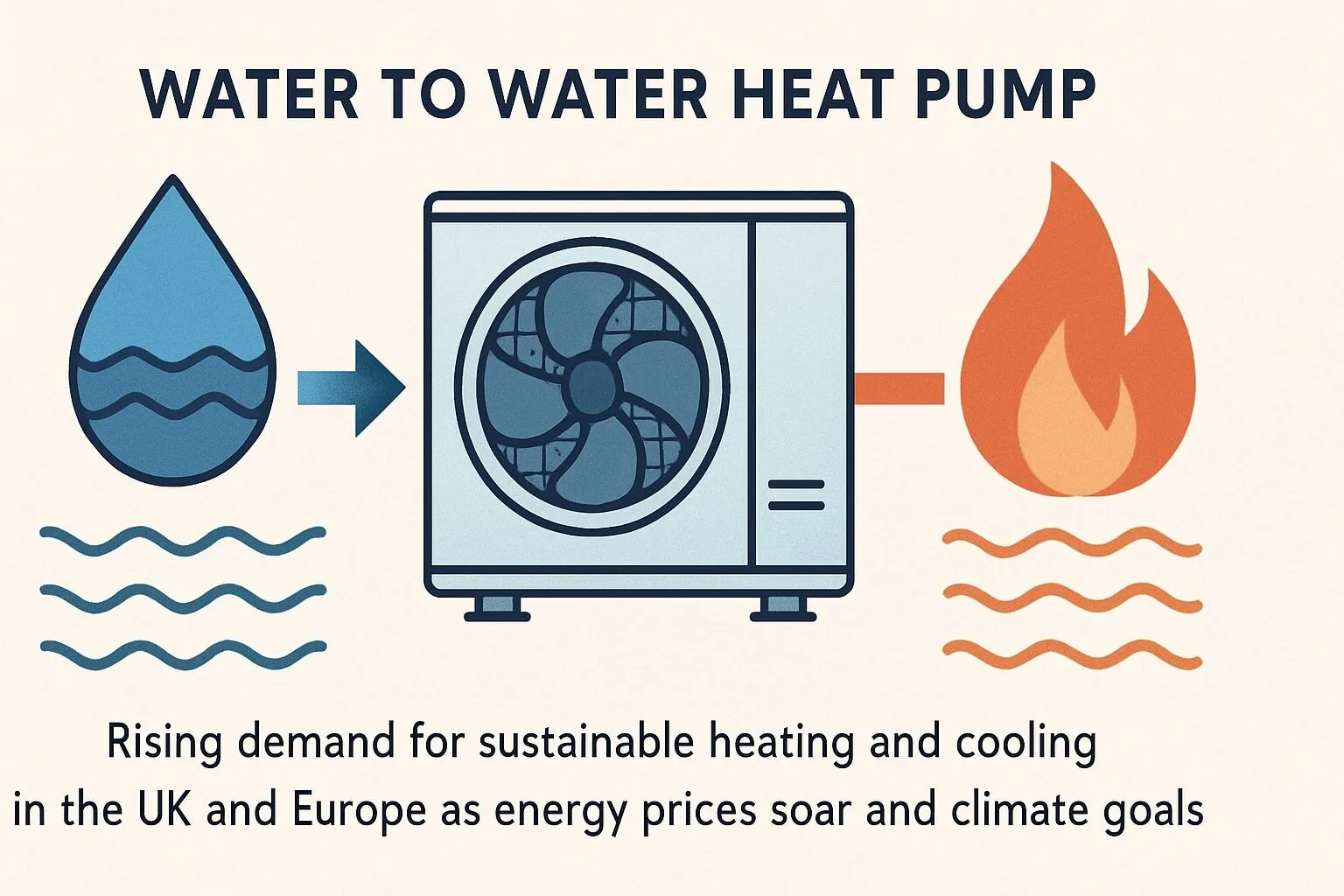
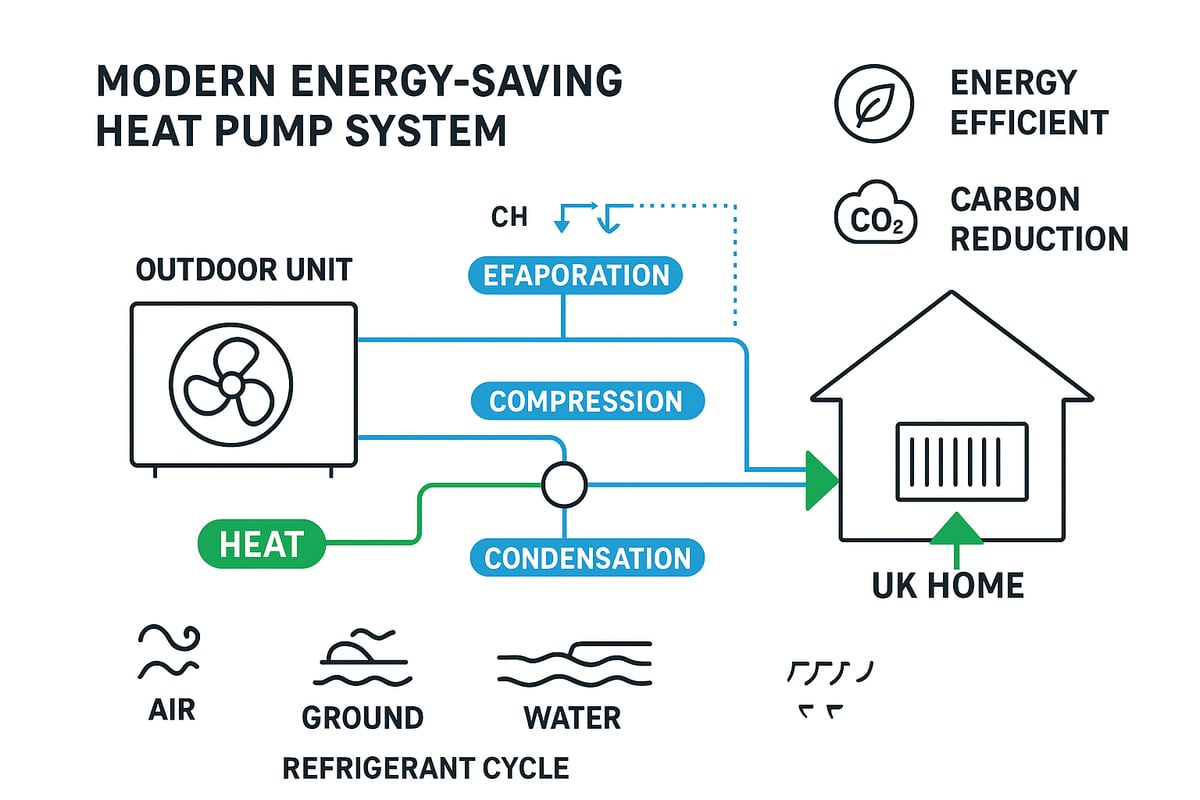
Heat pumps are transforming how UK homes are heated, offering a smart alternative to traditional boilers. At their core, an energy saving heat pump works by capturing ambient heat from the air, ground, or water outside and transferring it indoors. This process uses a small amount of electricity to move heat, rather than generating it directly, making the approach highly efficient and environmentally friendly.
The operation of a heat pump relies on a refrigeration cycle. This involves four main stages: evaporation, compression, condensation, and expansion. In simple terms, the system absorbs heat from outside, compresses the refrigerant to increase its temperature, and then releases that heat inside your home. The cycle repeats continuously, ensuring a steady, comfortable indoor climate. Unlike gas or oil boilers, which burn fuel to create heat, an energy saving heat pump multiplies the energy input, delivering more heat output per unit of electricity consumed.
To illustrate the difference, consider the coefficient of performance (CoP). Most modern heat pumps achieve a CoP between 3.0 and 4.0, meaning they provide three to four units of heat for every unit of electricity used. In comparison, even the most efficient boilers only reach about 90% efficiency. The table below highlights this contrast:
| System Type | Efficiency (CoP) | Heat Output per Unit Input |
|---|---|---|
| Gas/Oil Boiler | ~0.9 | 0.9 |
| Heat Pump | 3.0–4.0 | 3–4 |
With such high efficiency, an energy saving heat pump can reduce both heating costs and household emissions. Because heat pumps do not rely on burning fossil fuels, their carbon footprint is substantially lower. According to the Energy Saving Trust, switching to a heat pump can cut a home's carbon emissions by up to 65% compared to a conventional boiler.
A common myth is that heat pumps are unsuitable for the UK's colder climate or older properties. However, advances in technology have made them effective even in sub-zero temperatures and compatible with a wide range of building types. For every unit of electricity used, a modern heat pump supplies three to four units of heat, making it ideal for most UK homes.
Real-world case studies back this up. The Energy Saving Trust reports successful installations of energy saving heat pump systems in everything from Victorian terraces to new-build flats. Homeowners have reported warmer rooms, lower energy bills, and a noticeable improvement in comfort.
It is important to recognise that the efficiency of any energy saving heat pump depends on several factors. Proper system design, good insulation, and the local climate all play significant roles. To explore the features and benefits of air source heat pumps in more detail, you can visit the energy-efficient air source heat pumps page.
In summary, an energy saving heat pump offers a reliable, efficient, and sustainable heating solution for UK homes. Understanding how these systems work empowers you to make informed decisions that benefit both your wallet and the environment.
Choosing the right energy saving heat pump is essential for maximising comfort, efficiency, and long-term savings. In 2026, several types of heat pumps are available, each offering unique advantages for different UK homes. Here, we break down the main options to help you make an informed decision.
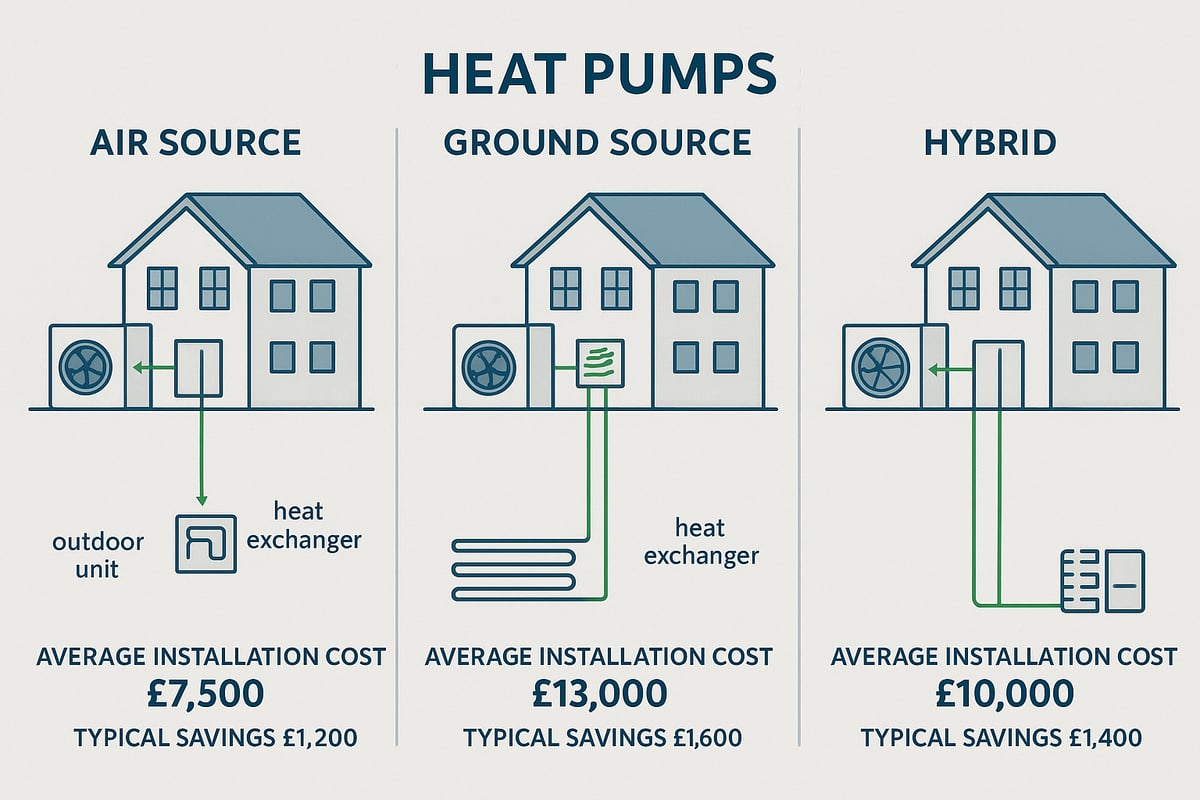
Air source heat pumps remain the most popular energy saving heat pump solution for UK households. These systems absorb heat from the outdoor air and transfer it indoors, even when temperatures drop below freezing.
A major benefit is their compact, low-profile outdoor unit, making installation easier and less disruptive. The average cost for an air source energy saving heat pump is around £11,000, but government grants of up to £7,500 can significantly reduce this. For a detailed breakdown of installation and running costs, see the Air source heat pump installation costs guide.
Air source heat pumps work efficiently in most climates, delivering three to four times more heat energy than they consume in electricity. For a standard three-bedroom semi-detached home, annual savings can reach up to £1,200. This type strikes the best balance of cost, efficiency, and ease of installation for the majority of properties.
Ground source heat pumps are another highly efficient energy saving heat pump choice. These systems extract heat from the ground using either horizontal loops or vertical boreholes. The ground maintains a stable temperature year-round, enabling ground source heat pumps to achieve seasonal coefficients of performance (SCoP) above 4.
While installation costs are higher, ranging from £29,000 to £57,000, the long-term savings and superior efficiency often justify the investment. Homes with large gardens or outdoor space are ideal candidates. For example, a four-bedroom detached property can save up to £2,000 per year on heating bills.
Installation involves significant groundwork, which may not suit every property. However, the higher upfront cost is offset by lower running costs and a longer system lifespan. Ground source heat pumps are an excellent option for homeowners looking for maximum efficiency and future-proofing.
Hybrid systems combine a heat pump with a traditional boiler, providing flexibility and reliability, especially in properties with higher hot water demands. This type of energy saving heat pump automatically selects the most efficient heat source based on conditions.
Air-to-air heat pumps deliver warm air via fans and are well suited to flats and smaller properties. While they have lower installation costs and are easy to fit, they typically do not provide hot water.
Both hybrid and air-to-air solutions offer niche benefits, particularly for homes where a full system replacement may not be practical. Flats and park homes often benefit most from these alternatives.
Selecting the right energy saving heat pump depends on several key factors. Budget is crucial, as installation costs vary widely. Available outdoor space will influence whether air or ground source systems are suitable. The current heating setup and insulation levels also affect efficiency and potential savings.
Consider your hot water needs, as not all systems supply domestic hot water. Local climate, planning permissions, and grant eligibility can also impact your decision. Tailoring your choice ensures your energy saving heat pump delivers maximum comfort, efficiency, and cost-effectiveness for your home.
The journey to installing an energy saving heat pump in your home involves several crucial steps. Each phase ensures your new system delivers maximum efficiency, savings, and comfort. Let’s break down the complete process, so you can confidently navigate your installation in 2026.
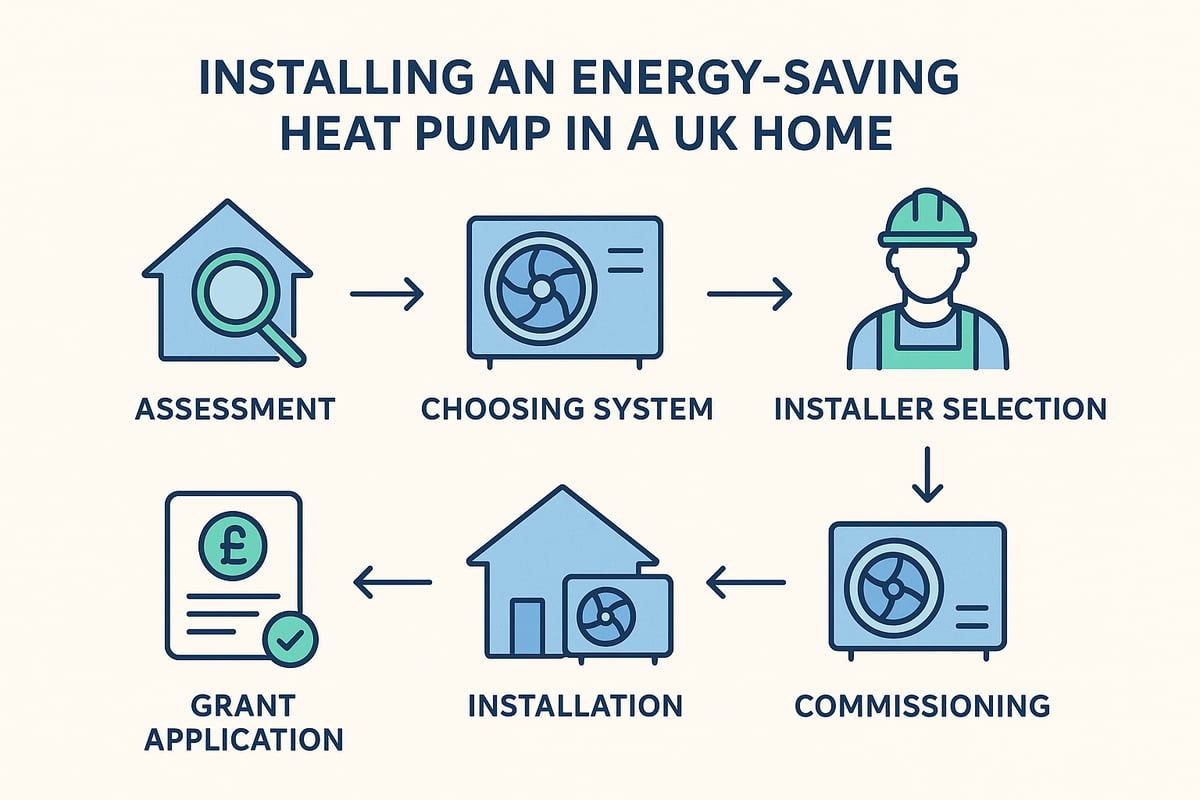
Before investing in an energy saving heat pump, a thorough assessment of your property is essential. Start by examining your home’s insulation. Well-insulated walls, lofts, and double-glazed windows help retain the heat generated.
Next, check the size and condition of your radiators. Larger or modern radiators work best with lower flow temperatures typical of heat pumps. Underfloor heating, if present, can further boost efficiency.
Ensure there is sufficient outdoor space for the heat pump unit, and accessible areas indoors for connections. Older homes might require upgrades to radiators or insulation, but most UK properties can be adapted with the right preparation.
A professional survey will identify any adjustments needed, ensuring your energy saving heat pump will operate at peak performance from day one.
Selecting the correct energy saving heat pump is crucial for long-term satisfaction. Air source heat pumps suit most UK homes, offering a balance between performance and cost. Ground source systems deliver higher efficiency but need more outdoor space and a larger upfront investment.
Hybrid models combine a heat pump with a traditional boiler, providing flexibility in homes with higher hot water demand. Consider your available space, heating requirements, and budget.
Online comparison tools and consultations with certified installers can help match the ideal system to your property. Weigh the initial costs against potential savings and available grants, ensuring the solution you choose meets your household’s present and future needs.
Gathering multiple quotes ensures you get the best deal on your energy saving heat pump installation. Aim for at least three detailed quotes from MCS-certified professionals.
When comparing installers, consider:
A reputable installer will provide a clear breakdown of the process, expected timelines, and potential disruptions. The Energy Saving Trust recommends selecting certified professionals to guarantee quality, safety, and compliance with UK regulations.
Reducing the upfront cost of an energy saving heat pump is possible through government incentives. In England and Wales, the Boiler Upgrade Scheme offers grants of up to £7,500 for eligible air source heat pump installations. Scotland provides up to £9,000 for rural homes, along with low-interest loans. Northern Ireland offers limited support via NISEP.
The application process often requires documentation from your chosen installer, proof of property ownership, and details of your current heating system. Successful applicants often see their payback periods shortened by several years.
For the latest eligibility criteria and how to apply, see the Government grants for air source heat pumps page for detailed guidance.
Once your energy saving heat pump is ordered, the installation process typically takes two to five days, depending on the system type. The main stages include:
Professional installers minimise disruption and ensure all work meets safety and efficiency standards. Ground source installations may take longer due to excavation, while air source units are usually faster to fit.
The final step is commissioning your energy saving heat pump. The installer will thoroughly test the system for safety and optimal performance. You’ll receive hands-on training on using controls, adjusting settings, and basic maintenance.
All relevant documentation, warranties, and user guides should be provided. Installers often supply a handover pack, including tips for maximising efficiency and scheduling annual servicing.
A properly commissioned system ensures your energy saving heat pump delivers the promised savings and comfort, setting your home up for years of reliable, low-carbon heating.
Maximising the performance of your energy saving heat pump is key to unlocking its full potential. Efficiency and long-term savings depend on more than just the technology itself. The way your home is prepared, operated, and maintained will make a significant difference to comfort, running costs, and carbon footprint.
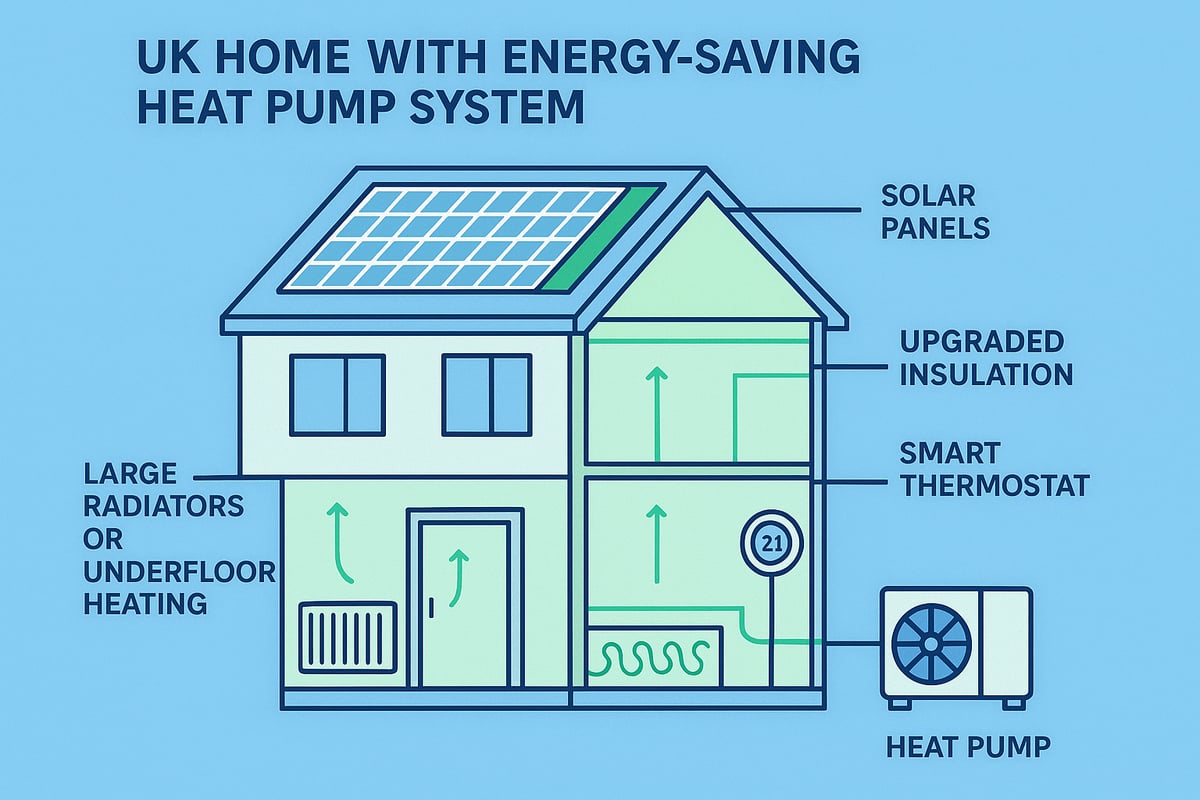
To achieve the highest efficiency from your energy saving heat pump, start by improving your home's thermal envelope. Insulating walls, lofts, and windows reduces heat loss, ensuring the system operates efficiently even on colder days.
Consider upgrading to larger radiators or installing underfloor heating. These solutions allow your energy saving heat pump to work at lower flow temperatures, which boosts its seasonal performance factor (SCoP). Well-insulated homes have been shown to deliver better results and greater comfort.
A whole-house approach is essential. Each improvement supports your energy saving heat pump in delivering consistent warmth and savings.
The running cost of an energy saving heat pump is influenced by home size, insulation, system type, and electricity tariff. On average, air source heat pumps can save up to £1,200 per year compared to old gas boilers, while ground source systems can deliver up to £2,000 annual savings in detached homes.
Compare typical heating costs:
| System Type | Annual Cost | Potential Savings |
|---|---|---|
| Old Gas Boiler | £2,000 | – |
| A-rated Boiler | £1,500 | £500 |
| Air Source Heat Pump | £800 | £1,200 |
| Ground Source Heat Pump | £600 | £1,400 |
These figures are based on Energy Saving Trust data from 2025. Remember, the energy saving heat pump's actual savings depend on electricity prices. Regularly review tariffs to ensure you maximise your return.
Smart controls are an excellent way to optimise your energy saving heat pump. Programmable thermostats and smart controllers allow you to set schedules and adjust temperatures remotely, ensuring the system only runs when needed.
Integrating smart meters enables you to track real-time energy usage. This data helps you identify patterns, reduce waste, and improve efficiency. Automation adds convenience and ensures your energy saving heat pump always operates at peak performance.
Ongoing maintenance is vital for the longevity and efficiency of your energy saving heat pump. Annual professional servicing checks refrigerant levels, electrical connections, and system pressure, helping to prevent unexpected breakdowns.
Between services, clean or replace filters and keep the outdoor unit free from leaves or debris. Neglecting maintenance can reduce efficiency by up to 25 percent, so regular care is essential to protect your investment and maintain high savings from your energy saving heat pump.
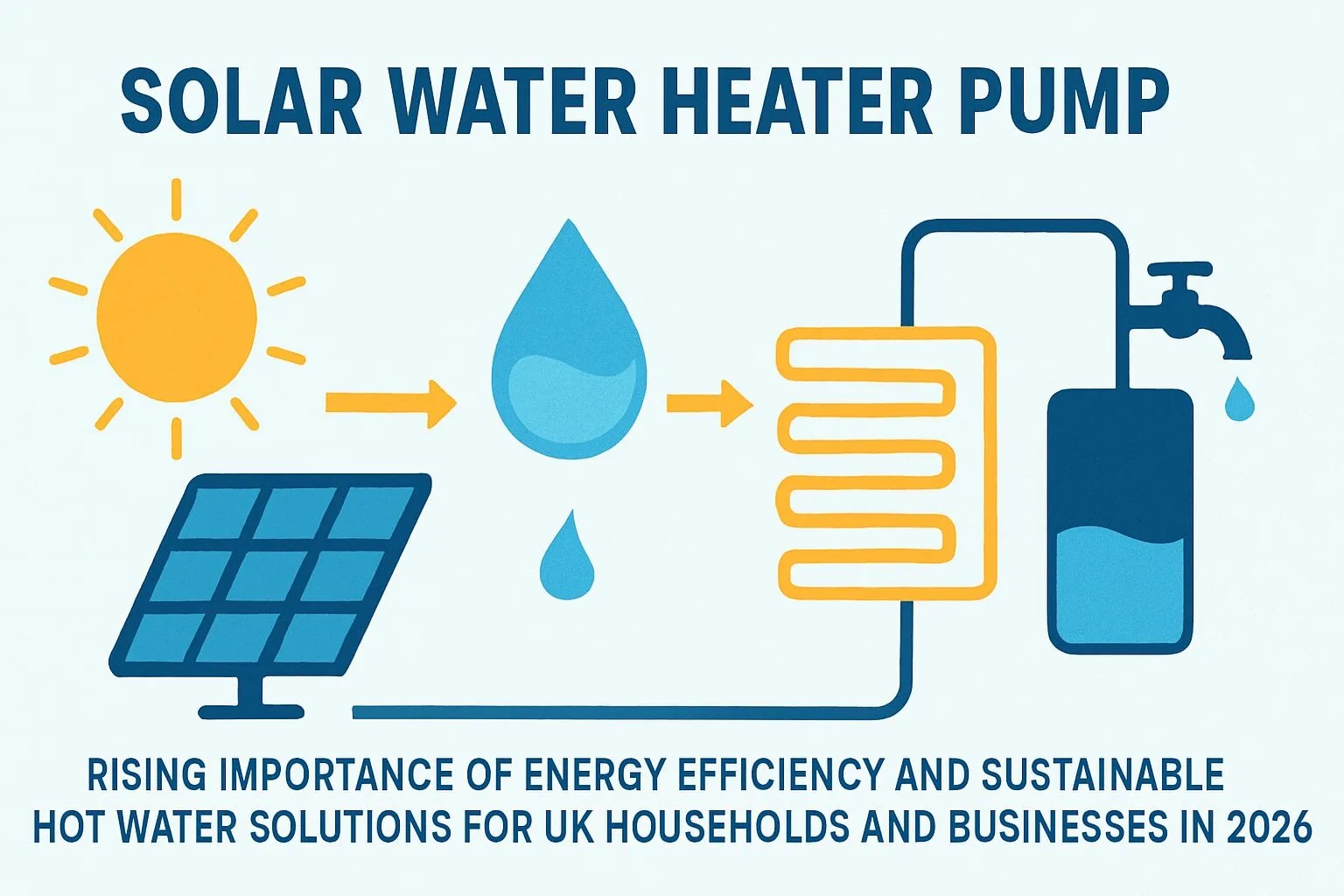
Pairing your energy saving heat pump with solar PV panels and battery storage can dramatically reduce your home's reliance on grid electricity. By generating and storing your own renewable power, you can use your heat pump more sustainably and cut bills even further.
For a detailed guide on how to integrate both technologies for maximum benefit, see this resource on heat pump and solar panel integration. Some UK households have achieved up to 90 percent reductions in electricity bills with this approach.
Taking these steps future-proofs your home, supports the transition to net zero, and ensures your energy saving heat pump delivers lasting value.
Understanding the financial side of an energy saving heat pump is essential for UK homeowners. Investment decisions should be based on full awareness of upfront costs, available grants, payment options, long-term returns, and added property value. This section breaks down each factor, helping you see the bigger picture for 2026.
The initial investment for an energy saving heat pump varies depending on type, property size, and system complexity. Air source heat pumps typically cost around £11,000 for a standard installation, while ground source systems range from £29,000 to £57,000. These figures include equipment, labour, and commissioning.
Additional expenses may arise if you require radiator upgrades, improved insulation, or underfloor heating to maximise efficiency. Planning for these costs ensures there are no surprises during your project.
| Heat Pump Type | Average Installation Cost | Suitable Property Types |
|---|---|---|
| Air Source | £11,000 | Most homes |
| Ground Source | £29,000–£57,000 | Larger plots, detached |
Factoring these costs into your budget is the first step towards a successful energy saving heat pump installation.
Significant government support is available to offset the upfront cost of an energy saving heat pump. The Boiler Upgrade Scheme offers grants up to £7,500 for air source systems in England and Wales, while Scotland provides up to £9,000 for rural properties, plus low-interest loans. In Northern Ireland, funding is available through the NISEP scheme and local initiatives.
These grants can reduce your payback period by several years. According to UK heat pump deployment statistics, uptake of these schemes is steadily increasing, making energy saving heat pump solutions more accessible than ever.
Review eligibility criteria carefully, as some grants require MCS-certified installation and minimum energy performance standards.
To make an energy saving heat pump more accessible, many installers offer flexible finance packages. Typical repayments start from £20 per week, with terms tailored to your budget and circumstances. This approach allows you to spread the investment over several years, easing the financial burden of switching to renewable heating.
Always seek free, no-obligation quotes from certified professionals. Compare offers, interest rates, and any early repayment charges before committing. Flexible finance options open up energy saving heat pump technology to a broader range of homeowners.
The long-term benefits of an energy saving heat pump can be significant. Households switching from old gas or oil boilers can cut heating bills by up to 50 percent. Air source systems typically offer payback periods of 7 to 15 years, while ground source models may recoup costs faster in larger, well-insulated homes.
Ongoing savings depend on electricity tariffs and system efficiency. Over time, lower running costs help offset the initial investment, especially as fossil fuel prices fluctuate. Reviewing UK heat pump deployment statistics can help you gauge real-world performance and adoption trends.
Installing an energy saving heat pump can boost your home's Energy Performance Certificate (EPC) rating. Improved EPC ratings are increasingly valued by buyers and can make your property stand out in a competitive market. Buyers are often attracted to homes with low running costs and future-proofed heating.
A recent analysis of energy efficiency of housing in England and Wales shows that properties with high-efficiency heating systems achieve better market outcomes. Upgrading to an energy saving heat pump is a strategic move for long-term value.
Choosing an energy saving heat pump reduces your household's carbon footprint and supports the UK's net-zero targets. Modern heat pumps emit far less CO2 compared to fossil fuel systems, contributing to national emission reduction efforts.
By joining the growing community of renewable heating adopters, you help drive positive change and support local green jobs. The wider social impact of energy saving heat pump adoption is a crucial part of the transition to sustainable living.
The landscape of the energy saving heat pump market is evolving rapidly as new technologies and policies shape the future of home heating in the UK. Homeowners looking to invest in sustainable solutions will benefit from understanding these trends. Staying ahead of the curve ensures your property remains efficient, valuable, and aligned with national net-zero targets.
By 2026, energy saving heat pump systems will benefit from significant engineering breakthroughs. Manufacturers are introducing enhanced refrigerants with lower global warming potential, reducing environmental impact. New compressor and heat exchanger designs promise higher efficiencies, with some 2026 models projected to reach Seasonal Coefficient of Performance (SCoP) values above 4.5 in optimal conditions.
These advances mean your energy saving heat pump will extract and deliver more heat per unit of electricity consumed. Improved defrost cycles and adaptive controls will also boost reliability in colder climates. As a result, homeowners can expect greater comfort, lower running costs, and a reduced carbon footprint.
Smart technology is transforming how we interact with our energy saving heat pump. IoT-enabled solutions allow for real-time monitoring, remote control, and adaptive scheduling based on occupancy and weather patterns. Integration with home energy management systems ensures the heat pump operates at peak efficiency, responding automatically to changes in electricity tariffs or renewable energy availability.
For example, smart thermostats can coordinate with other systems to pre-heat your home when electricity is cheapest. This seamless connectivity not only enhances comfort but also maximises savings, making the energy saving heat pump a core part of the modern, automated home.
Flexibility is becoming a key feature of the next generation of energy saving heat pump installations. Hybrid systems, which combine heat pumps with backup boilers or solar PV, offer tailored solutions for homes with unique needs or challenging layouts. Modular heat pump units allow for phased upgrades, making it easier to retrofit older properties or scale up capacity as requirements change.
These innovations ensure the energy saving heat pump can be adapted to a wide range of property types, from compact city flats to large rural homes. As modularity grows, homeowners can future-proof their investment, adding or upgrading components as technology evolves.
Government policy continues to drive the adoption of the energy saving heat pump across the UK. Incentives, such as the Boiler Upgrade Scheme, have helped make these systems more accessible. The UK government has set ambitious targets, aiming for 600,000 heat pump installations per year by 2028.
For an in-depth look at the national strategy and projected market growth, see the Heat pump investment roadmap. As fossil fuel boilers are phased out in new builds and funding continues, the market for energy saving heat pump solutions is set for robust expansion.
Consumer confidence in the energy saving heat pump is rising as more homeowners and landlords share their experiences. Real-life examples, highlighted by the Energy Saving Trust, demonstrate substantial savings, improved comfort, and lower emissions across different property types.
Recent findings in the Progress in reducing emissions – 2025 report reveal the critical role of heat pumps in the UK’s decarbonisation journey. These success stories encourage wider adoption and provide valuable insights for prospective buyers considering an energy saving heat pump.
The energy saving heat pump is set to become the cornerstone of sustainable homes in the coming decade. Early adoption not only secures long-term savings but also strengthens resilience against volatile energy prices and regulatory changes.
By embracing these innovations and future-proofing your home, you contribute to a cleaner, greener UK while enjoying the benefits of advanced, efficient heating technology.