No products in the basket.
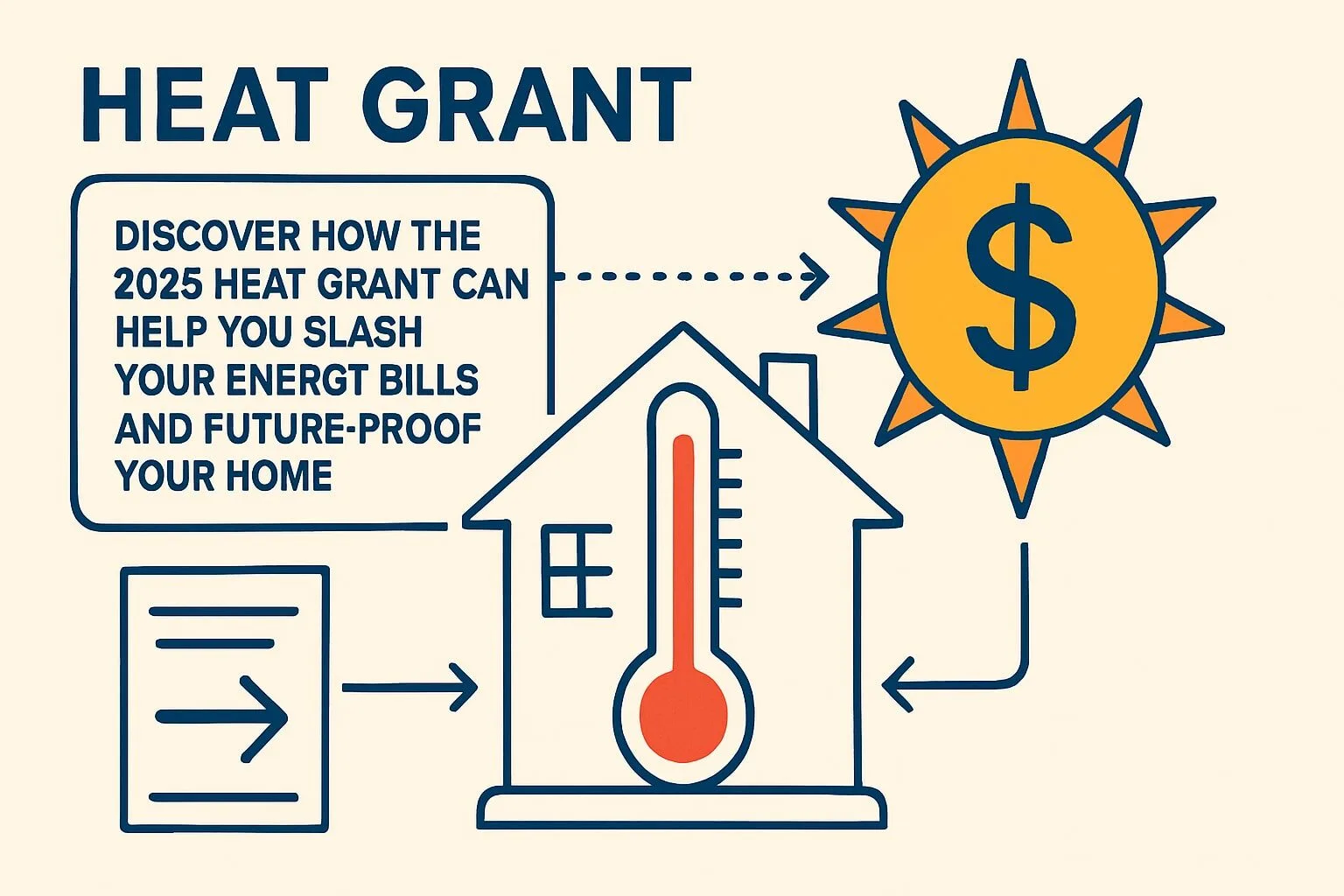
Imagine slashing your energy bills while making your home ready for the future. The heat grant is designed to help homeowners across the UK do just that, offering valuable support for eco-friendly heating upgrades.
In this guide, you will discover exactly how the heat grant 2026 works. We break down eligibility, walk you through each application step, and spotlight the best heating solutions available, including air source heat pumps.
Ready to unlock government savings and boost your home’s sustainability? Follow our clear, actionable roadmap to maximise every benefit the heat grant has to offer.
The heat grant is a transformative government initiative designed to help UK homeowners switch to low carbon heating. Its purpose is to accelerate the adoption of renewable heating technologies, supporting the UK’s drive towards net zero carbon emissions by 2050. Unlike previous schemes such as the Boiler Upgrade Scheme, the heat grant 2026 offers more generous funding, broader eligibility, and a sharper focus on long-term energy efficiency.
The main objectives behind the heat grant are to make sustainable heating affordable, reduce household energy bills, and promote environmentally friendly choices. Funding is allocated on a first-come, first-served basis, with the scheme set to run until the end of 2026. This targeted support ensures homeowners can future-proof their properties while contributing to national climate goals.
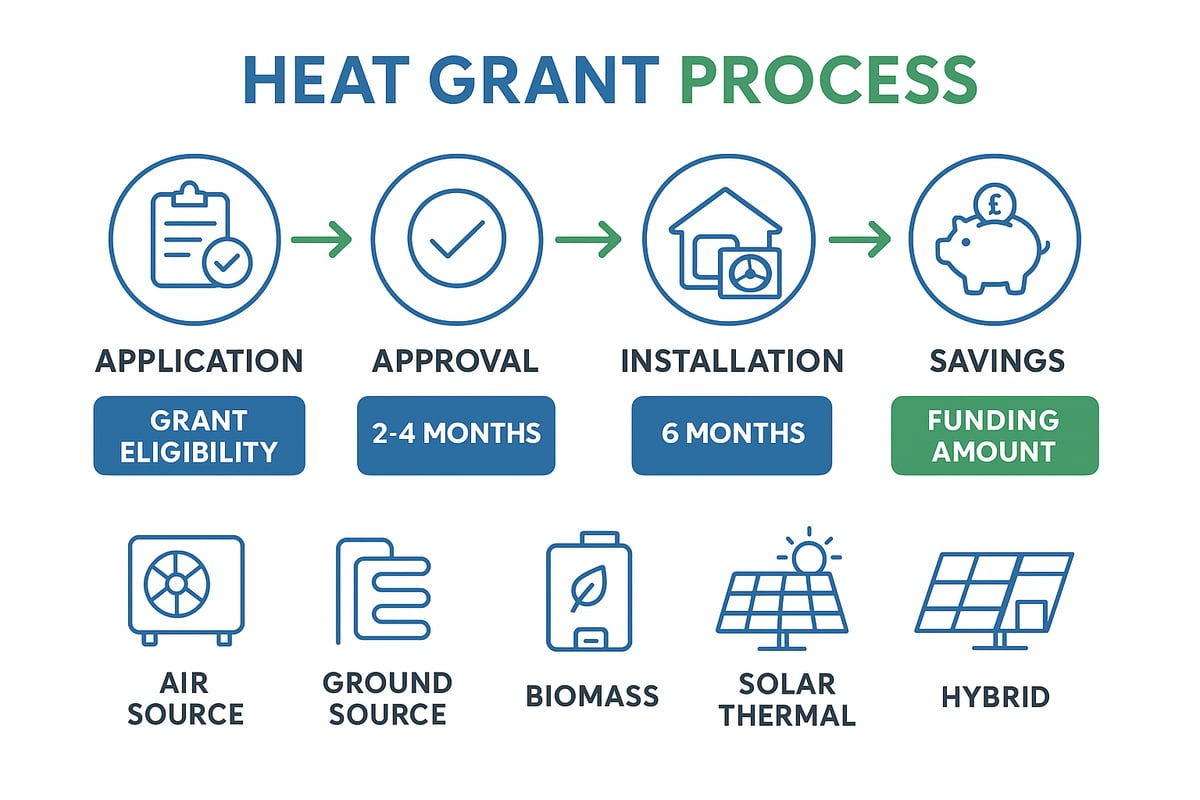
The heat grant 2026 is a government-backed scheme that provides financial assistance to homeowners who wish to upgrade their heating systems. Its primary aim is to help households transition from fossil fuel boilers to renewable alternatives, reducing carbon emissions and improving energy efficiency.
This initiative builds on the lessons learned from earlier programmes, offering higher grant amounts and streamlined processes. By encouraging the installation of eco-friendly systems, the heat grant is a cornerstone of the UK’s net zero strategy. Funding is limited, so applying early is crucial for those wishing to benefit.
To qualify for the heat grant, applicants must own a residential property in the UK. Eligible properties include detached, semi-detached, terraced houses, bungalows, and flats. The scheme may consider income thresholds or means-testing, especially for enhanced support to low-income households.
All homes must comply with UK building regulations and possess a valid Energy Performance Certificate (EPC), usually at band D or above. New builds and commercial properties are typically excluded, ensuring that support targets existing housing stock. Meeting these criteria is vital to access the heat grant and its benefits.
The heat grant covers a variety of renewable heating solutions, each chosen for their efficiency and potential to reduce emissions. Eligible systems include:
For a detailed comparison of these technologies, see the Complete Guide to Renewable Heating Systems. Homeowners can select the system that best suits their property and needs, with support available for both straightforward and hybrid installations. This flexibility ensures the heat grant can benefit a wide range of households.
The heat grant offers significant financial support, with maximum values tailored to each technology. For example, homeowners can receive up to £7,500 for air source heat pumps, £7,500 for ground source heat pumps, and similar amounts for other systems.
Covered expenses include equipment, installation, and essential ancillary works such as upgrades to radiators or controls. Typical savings can reach up to 50% on heating bills compared to conventional gas or oil boilers. Additional support may be available for low-income households, ensuring the heat grant is both inclusive and impactful.
Timely action is essential to secure funding through the heat grant. Applications open at the start of 2026 and are expected to close by the end of the year, or sooner if the budget is exhausted. Homeowners must complete installations within a specified period, often six to twelve months from grant approval.
Key milestones include submission deadlines, approval notifications, and installation completion dates. Marking these dates in your calendar will help ensure you do not miss out on the heat grant and its substantial benefits.
Applying for the heat grant is a straightforward process when you know what to expect. Follow this step-by-step guide to secure funding, upgrade your heating system, and maximise your long-term savings.
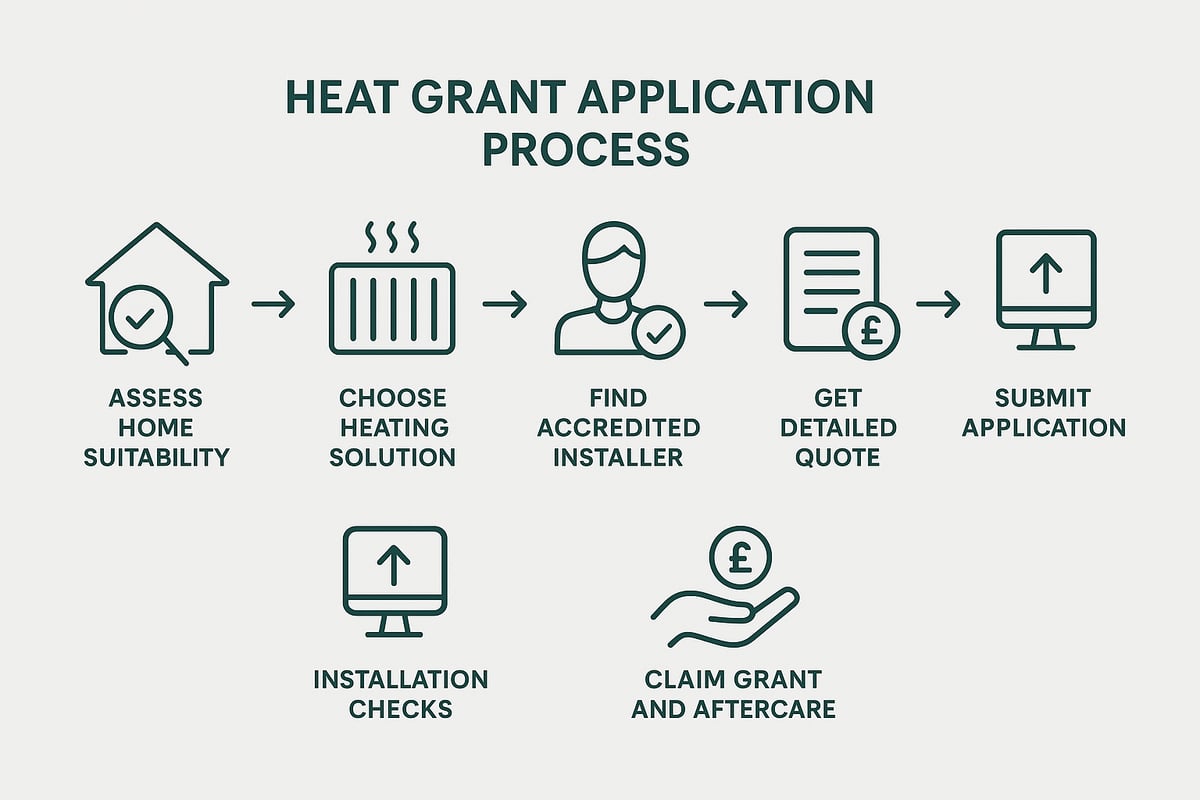
Before applying for the heat grant, start by evaluating your home's readiness for a new heating system. Insulation is key, as a well-insulated property will retain more heat and reduce energy waste.
Check your property's Energy Performance Certificate (EPC) rating. Most grants require a minimum EPC rating, so review your report and identify any recommended improvements.
Next, consider your current heating setup. Is your boiler compatible with modern systems, or will you need upgrades? Use online assessment tools or schedule a professional survey for a more accurate evaluation.
For example, a 1930s semi-detached home may need loft insulation or double glazing before fitting a heat pump. Investing in these upgrades improves your eligibility for the heat grant and boosts overall efficiency.
Once your home is ready, decide which heating technology best suits your needs. The heat grant covers several options, including air source heat pumps, ground source heat pumps, biomass boilers, solar thermal systems, and hybrid solutions.
Consider the following factors:
Consult with accredited installers who can recommend the best system for your circumstances. To explore options and benefits in more detail, read Air Source Heat Pump Grants Explained.
Choosing the right system ensures you make the most of the heat grant and future-proof your home.
To qualify for the heat grant, you must use an MCS-certified installer. These professionals have met strict quality and safety standards set by the UK government.
Start by searching the MCS installer directory or trusted trade bodies. Look for installers with experience in your chosen technology and positive customer feedback.
When contacting installers, ask:
Using a certified installer not only safeguards your investment but is a core requirement for accessing the heat grant.
A comprehensive quote is essential for a successful heat grant application. Your installer should visit your home, assess its needs, and provide a tailored system design.
A quality quote will include:
Discuss any bespoke requirements, such as underfloor heating or integration with smart controls. Ensure you understand what is included and clarify any exclusions.
Reviewing the quote carefully will help you budget accurately and avoid unexpected expenses during your heat grant journey.
With your quote and system design in hand, you are ready to apply for the heat grant. Gather all required documentation, such as:
Most applications are submitted online via the official government portal, though paper forms are sometimes available. Double-check all fields and attach supporting documents to avoid delays.
Common mistakes include missing documents, incorrect details, or using non-accredited installers. Taking care at this stage ensures your heat grant application progresses smoothly.
After your application is approved, schedule the installation with your chosen installer. Prepare your home by clearing access routes and confirming installation dates.
During installation, ensure all works comply with the heat grant scheme's standards. Accredited installers will manage the process and arrange for necessary inspections.
Once complete, your installer will provide certificates confirming compliance and system performance. These documents are vital for claiming the grant and for future home sales.
The final step is to claim your heat grant funds. Typically, the grant is paid directly to your installer, reducing your upfront costs. Confirm with your installer how and when the payment will be processed.
Maintain records of all paperwork, certificates, and invoices. This documentation is essential for warranties and potential audits.
Arrange regular system servicing to maintain efficiency and protect your investment. Reliable aftercare ensures your new heating system delivers savings and comfort for years to come.
Unlocking the full potential of your heat grant means thinking beyond installation. By combining available incentives, optimising your home’s energy use, and maintaining your new system, you can maximise both savings and efficiency.
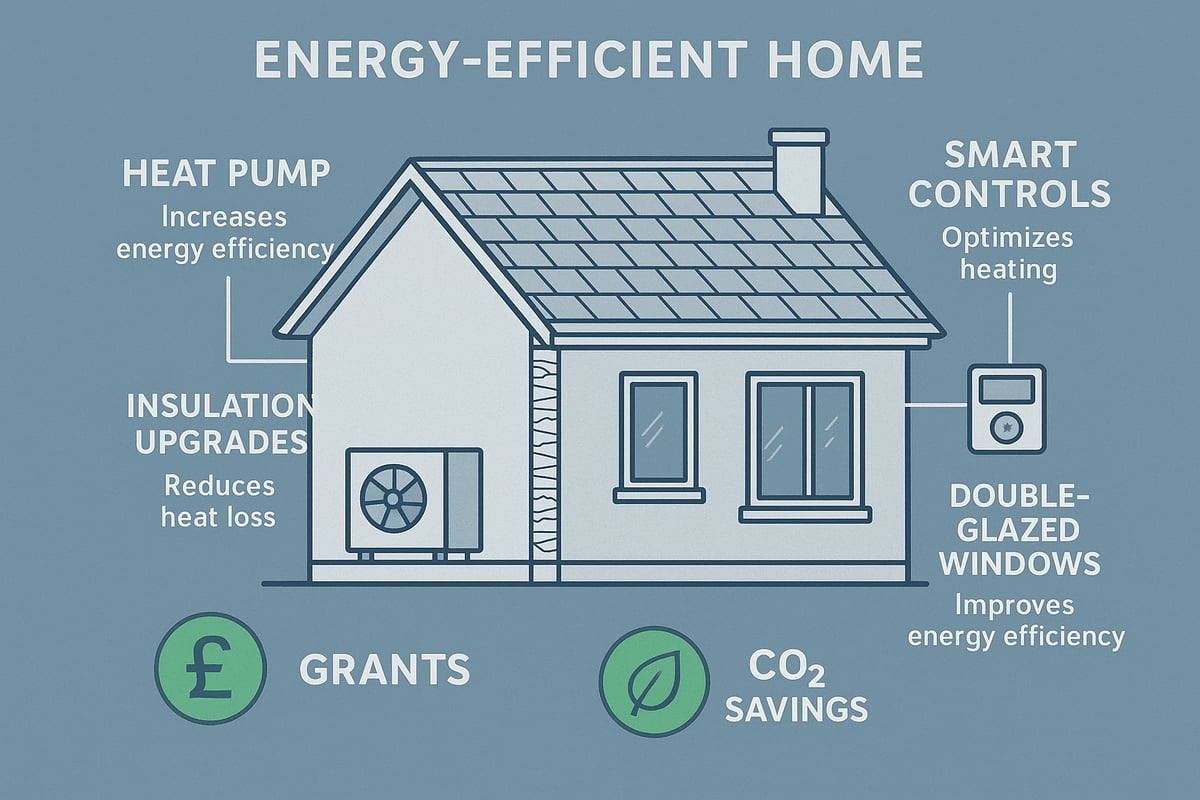
To get the most from your heat grant, consider stacking it with additional government schemes. Programmes such as ECO4 or VAT relief for energy-saving materials can be combined, reducing the upfront cost of installation and upgrades.
For example, a homeowner might use the heat grant for a new air source heat pump, while securing ECO4 funding for loft insulation. This approach ensures you benefit from multiple streams of support, making large-scale improvements affordable.
Always check eligibility for each scheme, as criteria can differ. By combining grants, the overall investment in your home’s efficiency becomes much more manageable, and your return on investment grows.
Pairing your heat grant-funded system with smart thermostats and heating controls unlocks further savings. These devices learn your schedule and optimise heating, lowering energy consumption without compromising comfort.
Integrating smart controls with heat pumps or hybrid systems can deliver up to 20% extra savings on top of what the heat grant provides. For a deeper dive into how heat pumps and smart controls can cut costs, explore this guide on Energy Saving with Heat Pumps.
Remember, the right controls not only save money but also make your home easier to manage, providing remote access and real-time data on your energy use.
To maximise the benefits of your heat grant, focus on reducing heat loss first. Upgrading insulation in your loft, cavity walls, or solid walls prevents warm air from escaping, making your new heating system more effective.
Double-glazed or triple-glazed windows are another smart investment. For instance, replacing single glazing with modern alternatives can cut heat loss by up to 50 percent, translating to lower bills and a more comfortable home.
Prioritising these upgrades ensures the heat grant delivers the greatest possible impact, improving efficiency and reducing running costs.
Maintaining your heating system is vital for preserving both efficiency and eligibility for warranties under the heat grant scheme. Schedule annual servicing with accredited professionals to keep your system running smoothly.
Use monitoring tools to track performance and address issues early. Regular checks help you spot drops in efficiency or minor faults before they become costly.
With the right aftercare, your investment through the heat grant will last longer, perform better, and continue to deliver savings year after year.
The heat grant not only helps you save money but also supports the UK’s net zero targets. By switching to a renewable system, the average household can cut carbon emissions by around 2.5 tonnes each year.
These savings contribute directly to national efforts to reduce greenhouse gases. Every home upgraded with a heat grant plays a role in building a cleaner, more sustainable future.
Ultimately, your choices today make a measurable difference for both your wallet and the environment.
Air source heat pumps are front and centre in the 2026 heat grant scheme, providing homeowners with a reliable way to cut energy bills and lower carbon emissions. If you are considering making the switch, understanding how these systems work and their financial impact is crucial for unlocking the full benefits of the heat grant.
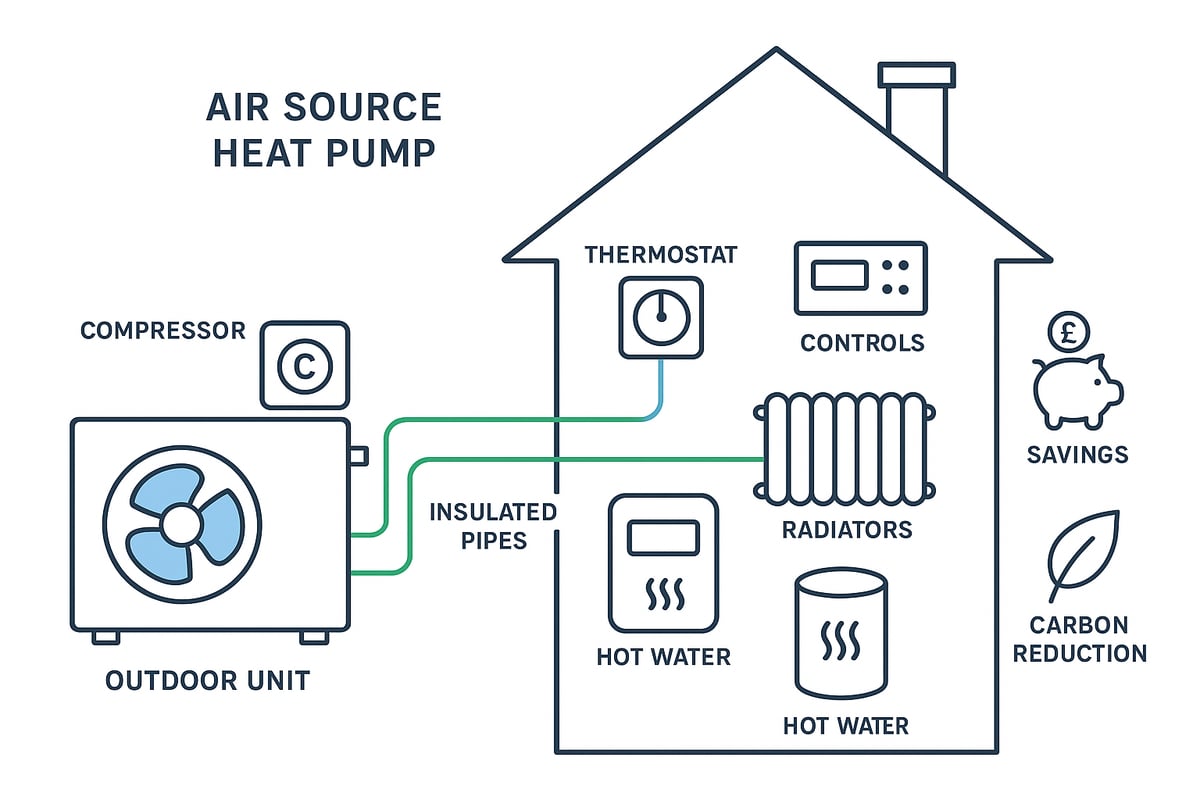
Air source heat pumps use advanced technology to capture heat from the outside air, even in cold weather. These systems transfer the ambient heat into your home via a refrigeration cycle, either as air-to-water or air-to-air solutions.
The core advantage of integrating an air source heat pump with the heat grant is their high efficiency. Most models in the UK achieve A+++ ErP ratings, meaning they deliver up to three times more heat energy than the electricity they consume. Real-world performance data shows consistent operation throughout British winters, making them a robust choice for grant-supported upgrades.
Switching to an air source heat pump through the heat grant brings a range of benefits compared to gas or oil boilers.
For many, the heat grant has made these advantages more accessible, helping households future-proof their energy use and reduce reliance on fossil fuels.
Choosing the best air source heat pump for your property under the heat grant involves careful planning. System size should match your home's heating needs, considering insulation, radiator compatibility, and existing heating infrastructure.
Consulting with an accredited installer is vital, as they will design a system tailored to your layout. Proper installation ensures optimal efficiency and compliance with heat grant requirements. Whether you opt for underfloor heating, hybrid systems, or upgraded radiators, aligning your choice with your home's specifics maximises comfort and savings.
The heat grant can cover up to £7,500 of the installation cost for air source heat pumps, significantly lowering the upfront expense. Typical installation costs range between £7,000 and £13,000, depending on system size and property complexity.
A helpful resource for detailed cost breakdowns and potential savings is the Air Source Heat Pump Costs and Savings guide. With the heat grant, average payback periods fall between five and eight years. Beyond financial returns, many homeowners also see increased property value and long-term reductions in heating bills.
| System Type | Typical Cost | Heat Grant Support | Net Cost | Payback Period |
|---|---|---|---|---|
| Air Source Heat Pump | £7,000-£13,000 | Up to £7,500 | £0-£5,500 | 5-8 years |
Several misconceptions surround air source heat pumps and the heat grant. Let's clarify a few:
Understanding these facts helps homeowners make informed decisions and fully leverage the heat grant for their next heating upgrade.
Many homeowners have questions about the heat grant and how it applies in different situations. Below, you’ll find clear answers to the most common queries, helping you make informed decisions about your home’s heating future.
Eligibility for the heat grant is designed to be accessible for a wide range of homeowners across the UK. Typically, you must own your property and it should be your main residence. Some income thresholds or means-testing may apply, particularly for additional support aimed at low-income or vulnerable households.
Properties such as detached, semi-detached, terraced homes, and flats are usually included, provided they meet current UK building regulations and have a valid Energy Performance Certificate (EPC). New builds and commercial properties are generally excluded from the heat grant scheme.
For example, if you own a 1980s semi-detached house with an EPC rating of D or higher, you are likely to qualify. Always check the latest government guidance for any updates to the criteria.
The heat grant covers a range of energy-efficient heating technologies, giving homeowners flexibility to choose the best solution for their property. Supported systems include air source heat pumps, ground source heat pumps, biomass boilers, and solar thermal systems. Hybrid systems that combine multiple technologies may also be eligible.
If you’re interested in understanding more about the efficiency of air source heat pumps, you can find detailed analysis and comparisons with conventional heating at Air Source Heat Pump Efficiency.
The scheme excludes fossil fuel-based systems and may have specific requirements for each technology. Always consult with an accredited installer to ensure your chosen system is covered by the heat grant.
Applying for the heat grant involves several stages, each with its own timeframe. From initial assessment to final installation, the process typically takes between 8 to 16 weeks, depending on installer availability and the complexity of your project.
After submitting your application, allow a few weeks for approval and scheduling. Installation and final checks can take several days to a few weeks. To monitor trends in uptake and how quickly grants are being processed, review official Heat Pump Deployment Statistics.
Be mindful of published deadlines for both applications and installation completion to ensure you do not miss out on funding.
If you sell your property after receiving the heat grant, the installed system usually remains with the home. The grant does not need to be repaid by the seller, and warranties or service agreements may be transferable to the new owner, subject to the terms set by your installer.
Buyers will benefit from reduced energy bills and a more sustainable heating system, potentially increasing the property's appeal. It’s important to provide all documentation about the heat grant and the technology installed to the new owner, ensuring a smooth transition and continued compliance with scheme requirements.
Looking ahead, the heat grant is set to remain at the heart of the UK's journey toward sustainable living. As we approach and move beyond 2026, homeowners will need to stay informed about changes in policy, innovation, and the broader landscape of energy efficiency. Proactively planning now will help you maximise both financial and environmental benefits from your heat grant investment.
Government support for low-carbon heating is evolving quickly, with the heat grant forming a crucial pillar of the UK's net zero ambitions. After 2026, expect to see further expansions and refinements to schemes like the Boiler Upgrade Scheme Expansion, potentially increasing grant values or broadening eligible technologies.
Policymakers continue to raise minimum efficiency standards for homes and heating systems. Keeping up with these changes will ensure your property remains compliant and benefits from future incentives. By acting early, you can secure the best heat grant options before any potential changes come into effect.
The renewable heating sector is advancing rapidly. Heat pump technology is becoming more efficient, reliable, and easier to integrate with other systems. For example, recent field data on heat pump performance shows impressive efficiency even in colder climates, making the heat grant more attractive than ever.
Other innovations include hybrid heating systems, smart home integration, and linking heat pumps with solar PV and battery storage. Keeping your system up to date ensures you continue to benefit from the latest developments and maintain eligibility for future heat grant enhancements.
Installing a renewable heating system with the help of a heat grant can significantly boost your home's value. Improved EPC ratings, lower running costs, and attractive green credentials appeal to eco-conscious buyers and tenants.
Estate agents increasingly highlight properties with modern, grant-supported heating. As energy standards rise, homes with upgraded systems will stand out in the market. Investing in the heat grant now positions your property ahead of regulatory changes and buyer trends.
Leveraging the heat grant is about more than just technology—it is a step towards a greener, more resilient lifestyle. By joining community energy schemes or sharing experiences with neighbours, you can amplify your impact.
Consider further steps such as:
Staying engaged with the heat grant landscape ensures your home and lifestyle remain sustainable for years to come.