No products in the basket.
Imagine cutting your hot water bills by up to 60% while significantly lowering your carbon footprint. In 2025, a solar energy hot water system makes this achievable for UK homeowners.
This comprehensive guide will demystify everything you need to know about selecting, installing, and getting the most from a solar energy hot water system in your home.
You’ll discover how these systems work, the latest technologies available, current costs and savings, government incentives, step-by-step installation advice, and essential maintenance tips.
Ready to make your home greener and more efficient? Let’s explore practical solutions, financial benefits, and expert recommendations to help you take action with confidence.
Solar energy hot water system solutions are rapidly gaining popularity among UK homeowners, offering an effective way to cut energy costs and lower carbon emissions. To make an informed decision, it's vital to understand the fundamentals, how these systems operate, and what options are available. This section will walk you through the basics, benefits, and considerations of choosing a solar energy hot water system for your property.
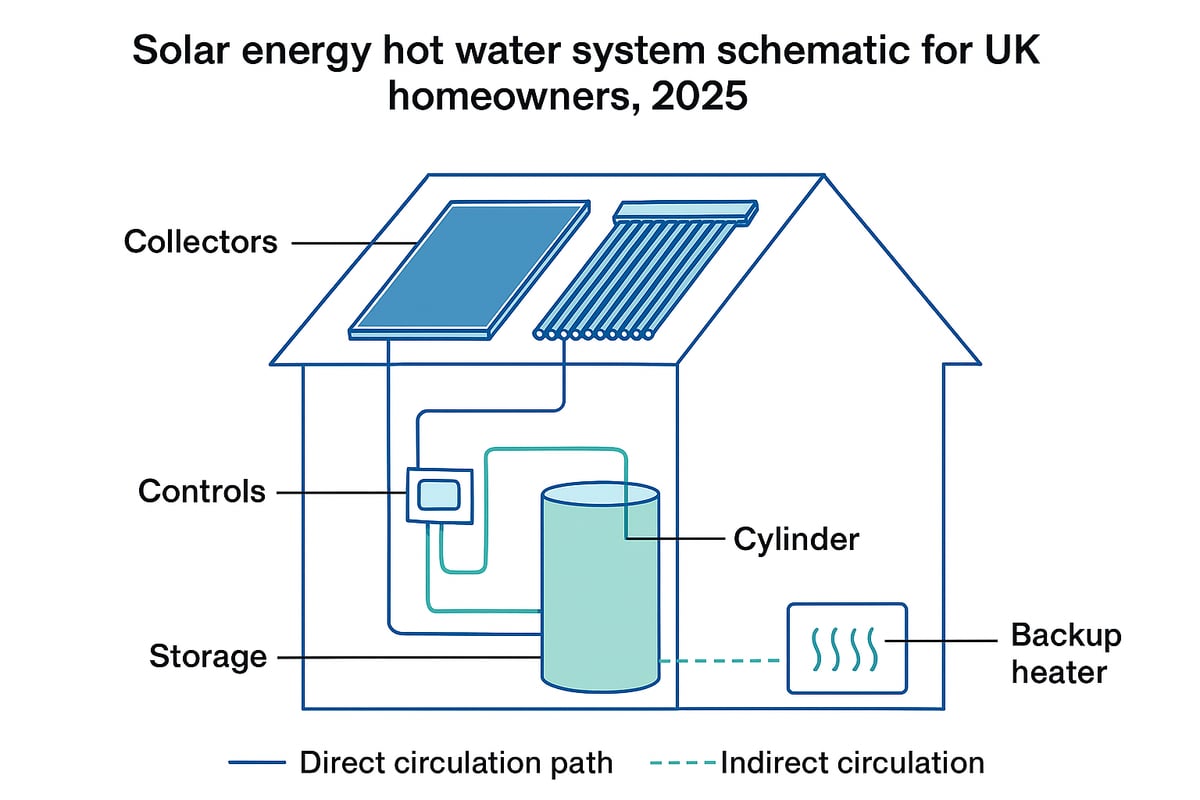
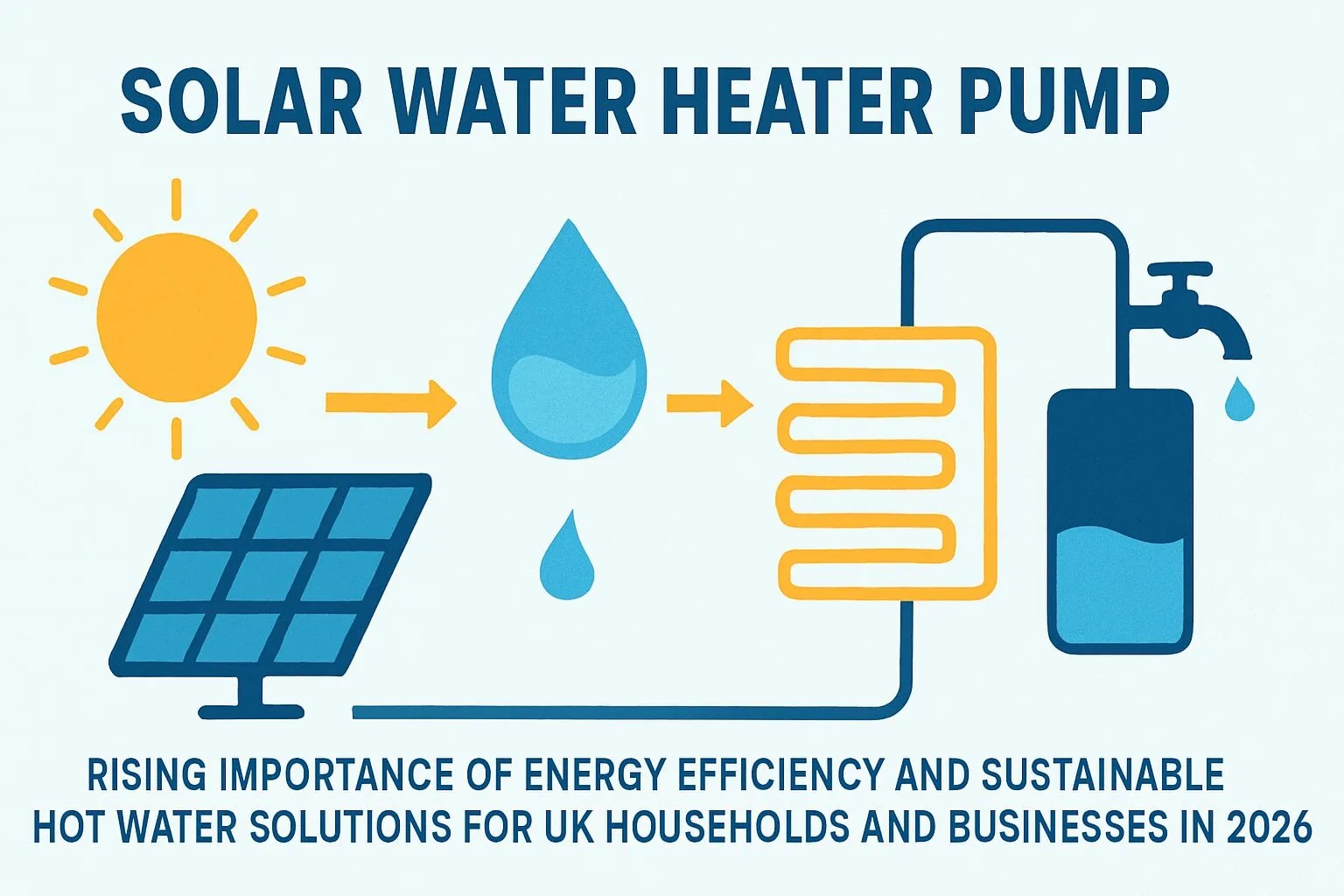
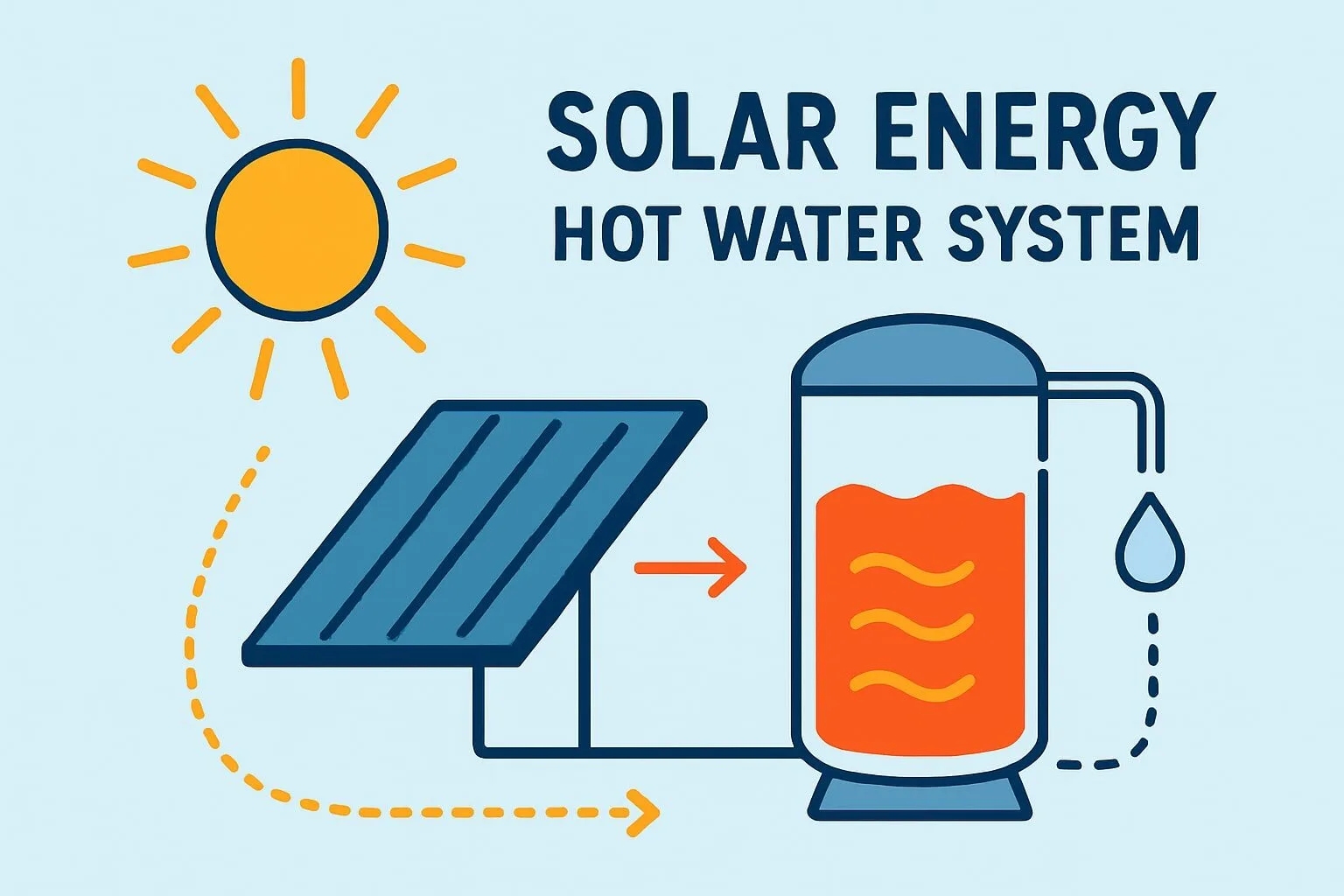
A solar energy hot water system uses roof-mounted collectors to capture sunlight and heat water for domestic use. The main components include solar collectors, a hot water storage cylinder, and a set of control units.
There are two main types: solar thermal, which directly heats water, and solar PV, which generates electricity to power an immersion heater. Most UK homes use solar thermal systems, which can be arranged with either flat-plate or evacuated tube collectors. Flat-plate collectors are popular for their affordability, while evacuated tubes offer greater efficiency.
A typical UK installation features collectors on a south-facing roof, with pipes running to a dedicated cylinder. According to the Solar Trade Association, over 200,000 UK homes had installed these systems by 2023.
Common misconceptions include the belief that solar energy hot water system installations are only suitable for hot climates or that they cannot work alongside existing boilers. In reality, modern systems are designed for year-round UK use.
For a detailed technical overview, see the Solar thermal heating system explained guide.
At the heart of a solar energy hot water system are the collectors, which absorb sunlight and transfer this heat to water or a heat-transfer fluid. There are two main circulation methods: direct systems, where water flows directly through the collectors, and indirect systems, which use antifreeze fluid in the collectors and a heat exchanger in the cylinder. Indirect systems are preferred in the UK for frost protection.
A backup immersion heater or boiler is typically integrated to ensure hot water is always available, even on cloudy days. The system's efficiency can reach up to 70 percent, as reported by the Energy Saving Trust. Performance varies by season, with the system providing most of the hot water from April to September, and a supplementary source covering winter needs.
This combination of solar and traditional heating ensures a reliable, year-round supply of hot water.
There are several types of solar energy hot water system available to UK homeowners. The most common are flat-plate collectors, which are cost-effective and robust, and evacuated tube collectors, which offer higher efficiency but at a higher price point.
| Collector Type | Pros | Cons | Suitability |
|---|---|---|---|
| Flat-plate | Affordable, durable | Less efficient | Most UK homes |
| Evacuated tube | High efficiency, compact | Higher cost | Shaded/cooler areas |
Systems can also be classified as thermosiphon (using natural convection) or pumped (using electric pumps for circulation). Mounting options include roof-mounted, which is most common, or ground-mounted for properties with space constraints.
Hybrid systems that combine solar thermal with PV panels are emerging, offering increased energy savings. Installations can be tailored for small city terraces, large detached houses, or rural properties.
Choosing a solar energy hot water system brings a range of advantages. Homeowners can save up to 60 percent on hot water bills, according to the Energy Saving Trust. Annual carbon emissions can be reduced by 230 to 510 kg, supporting eco-friendly living.
Other benefits include:
For example, case studies from across the UK have shown families enjoying substantial savings and improved comfort after installing a solar energy hot water system.
Before investing in a solar energy hot water system, it is important to consider a few limitations. System performance depends on roof orientation, with south-facing roofs being ideal. Shading from trees or buildings can reduce output.
Upfront costs are higher than conventional systems, but long-term savings often outweigh this. Hot water demand should be sufficient to justify the investment, and there must be enough space for collectors and a larger cylinder.
The system must integrate with your existing heating setup, which may require modifications. Some installations need planning permission or must comply with building regulations, particularly in listed or conservation areas.
Assessing these factors ensures the solar energy hot water system will deliver optimal results for your home.
The solar energy hot water system landscape in 2025 is more advanced, efficient, and accessible than ever before. Homeowners now have access to smart, durable, and highly efficient systems, making solar water heating a practical choice for modern living. Recent innovations have transformed how these systems work, from the collectors themselves to the intelligent controls that manage them. Let’s explore the key technological milestones shaping the future of solar water heating.
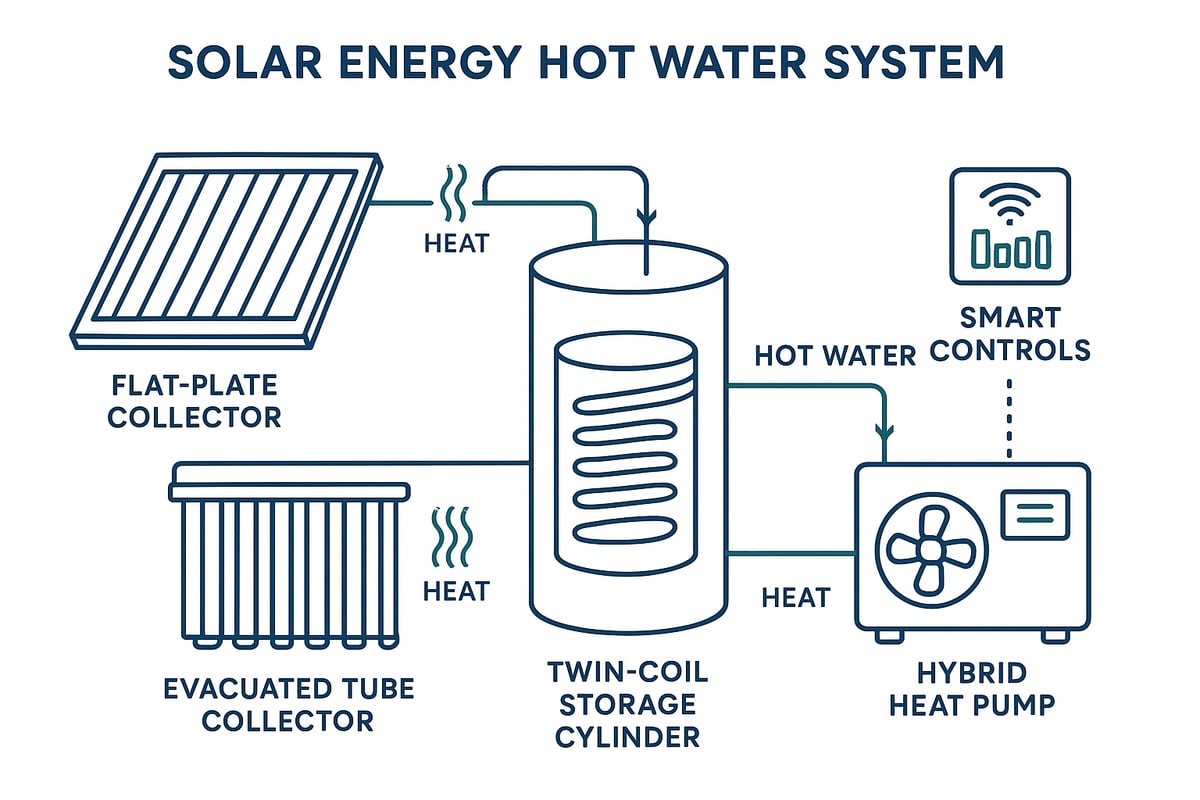
In 2025, the solar energy hot water system benefits from new collector materials that boost both efficiency and longevity. Advanced coatings on flat-plate and evacuated tube collectors capture more sunlight and resist corrosion, even in harsh UK weather.
Smart controls are now standard. Homeowners can monitor system performance remotely, adjust settings via mobile apps, and receive instant notifications about maintenance needs. Integration with home automation lets you coordinate hot water production with energy tariffs or household routines.
Self-cleaning surfaces and frost-resistant designs mean less manual intervention and reliable operation through winter. For example, the latest evacuated tube collectors achieve record high performance, even during frosty mornings, thanks to vacuum insulation and robust materials.
These advancements make the solar energy hot water system more appealing, effective, and user friendly for UK households.
Modern solar energy hot water system designs deliver unprecedented efficiency. Collector performance has reached up to 80 percent under optimal UK conditions, a significant leap from previous generations.
Storage cylinders feature enhanced insulation, reducing standby heat loss and preserving more of the collected solar energy. Smart pipework layouts further minimise energy loss between the roof and the hot water cylinder.
Recent field data shows that today’s systems typically provide between 1,500 and 2,000 kWh of hot water annually for an average UK household. Compared to 2015 models, this represents up to 20 percent better performance, making the investment more attractive.
With these improvements, the solar energy hot water system continues to outperform traditional heating, especially as energy prices rise.
The biggest leap for the solar energy hot water system in 2025 is hybrid integration. Many homeowners now combine solar thermal panels with heat pumps or photovoltaic (PV) panels for all-season efficiency gains.
Solar-assisted heat pumps use the sun’s energy to preheat water, then boost it as needed, slashing overall energy use. PV-thermal hybrids capture both electricity and heat, storing surplus solar power in batteries for later use. Real-world examples show that hybrid systems can cut total household energy bills by up to 70 percent.
For those considering broader solutions, renewable heating system options are available, making it easier to tailor systems for both new builds and retrofits. This flexibility ensures that any property can benefit from a solar energy hot water system, regardless of existing infrastructure.
A 2025 solar energy hot water system comes with app-based monitoring as standard. Homeowners track real-time performance, spot inefficiencies, and receive automated alerts for issues like reduced flow or dirty collectors.
Predictive maintenance features use sensors and data analytics to anticipate problems before they become costly. For example, the system might send a reminder to clean the collectors when output drops below expected levels, or suggest a check-up if antifreeze levels are low.
These smart features not only boost system lifespan but also provide peace of mind. With minimal effort, users can ensure their solar energy hot water system runs efficiently year after year.
Sustainability is at the heart of every 2025 solar energy hot water system. Manufacturers now use recycled and recyclable materials in both collectors and tanks, reducing the environmental footprint from production to disposal.
Lower embodied carbon is achieved through cleaner manufacturing processes and improved logistics. Many systems also include water-saving features, such as low-loss pipework and optimised flow controls.
UK regulations continue to drive eco-friendly product development, with systems earning BREEAM and EPC credits for green construction. Choosing a solar energy hot water system today is not just about saving money, but also about making a tangible contribution to a sustainable future.
Understanding the financial side of a solar energy hot water system is essential for UK homeowners considering the switch. This section breaks down costs, savings, available grants, finance options, and how your investment could boost property value.
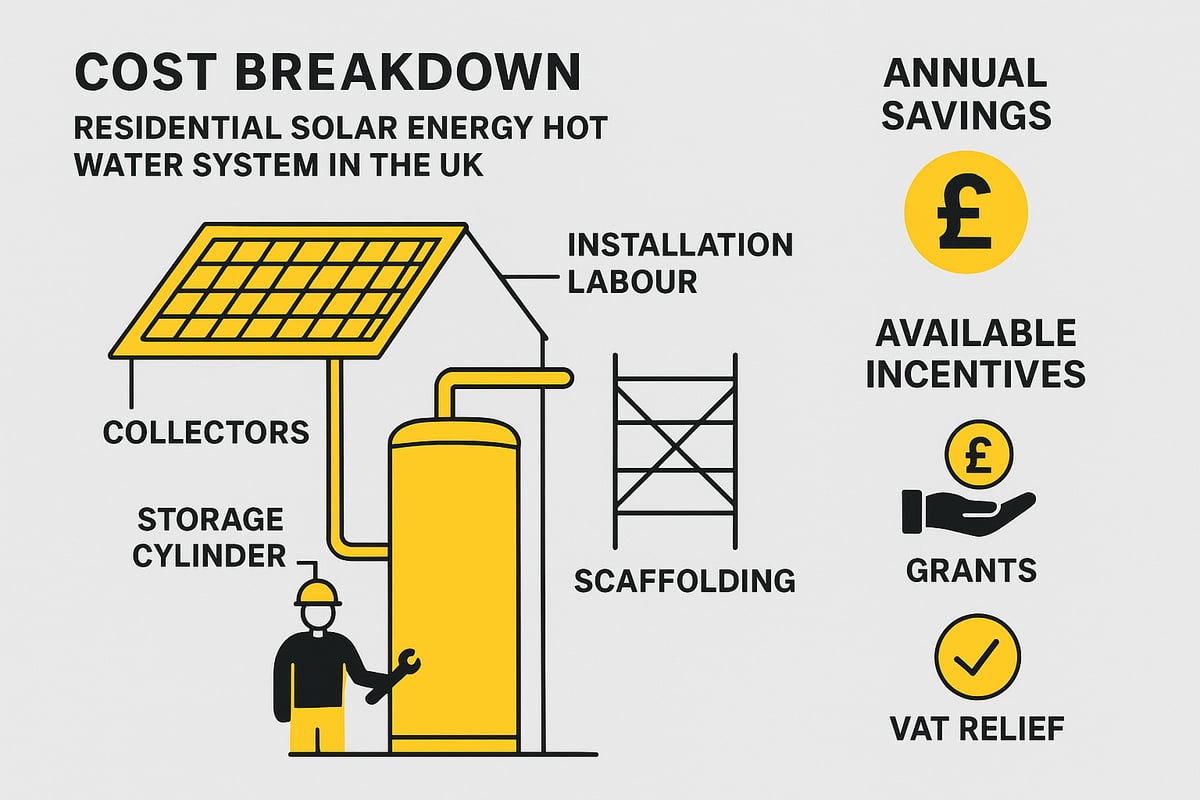
The initial outlay for a solar energy hot water system typically ranges from £3,000 to £6,000 in 2024. This includes equipment, installation labour, scaffolding, and any required extras. The main components affecting the price are the type of collectors, storage cylinder size, and property-specific needs.
Ongoing running costs are minimal, mostly limited to the small amount of electricity used by circulation pumps and occasional maintenance. Compared to conventional gas or electric water heating, a solar energy hot water system offers lower long-term expenses, especially as energy prices rise.
Factors influencing cost include property size, roof complexity, and whether you choose flat-plate or evacuated tube collectors. Always request a detailed quote to understand exactly what is included.
Installing a solar energy hot water system can deliver average annual savings of £200 to £400 per household, according to the Energy Saving Trust. With energy prices on the rise in 2025, the payback period for most systems now ranges from 7 to 12 years, depending on hot water usage and local conditions.
For example, a family of four in Yorkshire could save around £350 each year, making the system cost-effective over its 20-plus year lifespan. As energy bills increase, these savings become even more significant, enhancing the overall return on investment.
Long-term, a solar energy hot water system continues to deliver value, with most homeowners recouping their initial outlay well before the system's expected end of life.
There are several government-backed incentives to reduce the cost of a solar energy hot water system. The Boiler Upgrade Scheme offers up to £7,500 for eligible installations, and VAT on renewables remains at 0% until March 2027. Some local councils also provide additional grants or low-interest loans to support energy efficiency upgrades.
For households meeting certain criteria, the Energy Company Obligation 4 (ECO4) grant can offer further financial assistance towards solar thermal or PV systems. Always check eligibility and application requirements in advance to maximise support.
With these incentives, homeowners can significantly reduce upfront costs and speed up payback.
If paying upfront is not possible, there are flexible finance options for a solar energy hot water system. Green loans and low-interest finance plans are available from major banks and some installers. Pay-as-you-save schemes let you pay for the system out of the savings generated on your energy bills.
Solar leasing and Power Purchase Agreements (PPAs) are also emerging, allowing homeowners to benefit from solar technology with monthly payments starting from around £15 per week. Considerations include system ownership, warranty coverage, and long-term savings.
Review all options carefully to ensure they fit your circumstances and financial goals.
A solar energy hot water system can boost your home's value by up to 4 percent, according to 2023 data from Nationwide. Improved Energy Performance Certificate (EPC) ratings make properties more appealing to buyers concerned about running costs and sustainability.
Homes fitted with solar systems often sell more quickly, with some examples showing a reduction in time on the market by three weeks. The environmental and financial benefits are attractive selling points, especially as energy efficiency becomes a top priority for UK homebuyers.
Investing in a solar energy hot water system offers both immediate savings and long-term property value growth.
Embarking on the journey to install a solar energy hot water system can transform your home's efficiency and sustainability. This step-by-step guide ensures you make informed decisions at every stage, from initial assessment to professional installation and aftercare.
Before investing in a solar energy hot water system, evaluate your property’s readiness. Start by checking your roof orientation, as a south-facing roof captures the most sunlight, though east or west can also work.
Consider any shading from nearby trees, chimneys, or buildings, as these can impact system performance. Inspect the roof’s structural integrity to ensure it supports the collectors. Assess your household’s hot water demand, as this influences system size and savings.
A professional site survey is crucial. For example, a 3-bed semi-detached home should review a checklist including roof pitch, available space for a cylinder, and existing heating setup. This careful assessment maximises your future system’s efficiency and return.
Selecting the best solar energy hot water system for your home involves comparing different technologies. Decide between flat-plate collectors, which are robust and affordable, and evacuated tube collectors, which offer higher efficiency but at a premium cost.
Next, size your collectors and storage cylinder to match your household’s daily hot water usage. Consider integration with your current boiler or heating system to ensure seamless operation. Hybrid solutions, combining solar thermal with PV or heat pumps, are excellent for homes seeking maximum efficiency.
For smaller households, a compact system with a 150-litre cylinder may suffice, while larger families might require a 300-litre setup. Always evaluate supplier credentials and request tailored recommendations to suit your unique needs.
Choosing a reputable installer is vital for a successful solar energy hot water system. Look for companies with MCS and RECC certifications, as these guarantee quality workmanship and access to government grants.
Vet potential installers by checking accreditations, reading customer reviews, and ensuring local experience. Request multiple quotes and a detailed site assessment before committing. Use this checklist:
For peace of mind and professional support, consider partnering with specialists offering solar thermal system installation services to ensure your project meets all standards and eligibility criteria.
The installation of a solar energy hot water system typically takes 2 to 4 days. Installers will arrange scaffolding for safe roof access and prepare the mounting location for the collectors.
Collectors are securely fitted to the roof, with insulated pipework routed to the storage cylinder, usually located in an airing cupboard. The installer will set up system controls and connect to your existing plumbing.
A typical installation schedule might look like this:
Disruption is minimal, and installers take care to protect your home throughout the process.
Integrating your new solar energy hot water system with your current setup ensures reliable hot water year-round. Most UK homes use a twin-coil cylinder, allowing solar and conventional heating sources to work together.
Installers connect the solar circuit to one coil and your backup immersion heater or boiler to the other. Modern controls and thermostats automatically switch between solar and backup sources to maintain comfort.
A simple schematic shows solar-heated water circulating through the cylinder, with the backup system ready for cloudy days. Compliance with building regulations is essential for safety and efficiency.
Once installed, your solar energy hot water system undergoes rigorous testing. Installers flush the system, check for leaks, and verify performance in various weather conditions.
You’ll receive comprehensive user training covering system controls, monitoring, and basic maintenance. Essential documentation includes warranties, operation manuals, and compliance certificates.
A handy handover checklist ensures you understand:
This final step empowers you to get the most from your new system.
With over 17 years of experience, U and I Renewables are leaders in solar energy hot water system installations across the UK. Their team holds full certification, government approval, and can help you access grants up to £7,500.

They offer a complete service, from initial consultation and system design to installation, paperwork for incentives, and ongoing aftercare. Transparent pricing and finance options make solar upgrades accessible to more homeowners.
Request your free site survey and expert advice to ensure your solar energy hot water system delivers optimal savings and performance.
Regular upkeep ensures your solar energy hot water system operates at peak performance year after year. By following a proactive maintenance routine, you can prevent most issues, extend system lifespan, and maximise your investment.
To keep your solar energy hot water system running efficiently, schedule an annual service with a certified professional. This should include:
A simple maintenance schedule helps homeowners avoid costly repairs and ensures reliable hot water, even in winter. For a detailed guide on what to expect from a routine service, see servicing thermal solar panels.
Even the best solar energy hot water system can sometimes face minor issues. Common problems include:
Simple fixes, such as resetting the controller or bleeding air from the system, can often resolve minor issues. However, persistent problems or leaks should be addressed by a qualified technician. If you notice a sudden drop in water temperature or pressure, check the system display for alerts, then consult your installer for further advice.
To get the most from your solar energy hot water system, adjust your usage patterns and optimise controls. Consider these tips:
Regular performance checks and small adjustments can improve efficiency by up to 10 percent over time. By monitoring your system with a dedicated app, you can quickly spot trends and take action before minor issues escalate.
Protect your solar energy hot water system investment by understanding warranty terms and aftercare options. Most systems come with 5 to 10 year warranties on major components. Annual servicing is often required to keep the warranty valid.
| Feature | Typical Coverage | Notes |
|---|---|---|
| Collectors | 5–10 years | May require proof of annual service |
| Controller & Pump | 2–5 years | Can be extended with aftercare plan |
| Cylinder | 5–10 years | Check for corrosion or leaks |
Consider upgrading controls or adding hybrid features if your needs change. Many installers offer tailored aftercare packages, including emergency callouts and regular health checks. A well-maintained system can provide reliable hot water for over two decades.