No products in the basket.
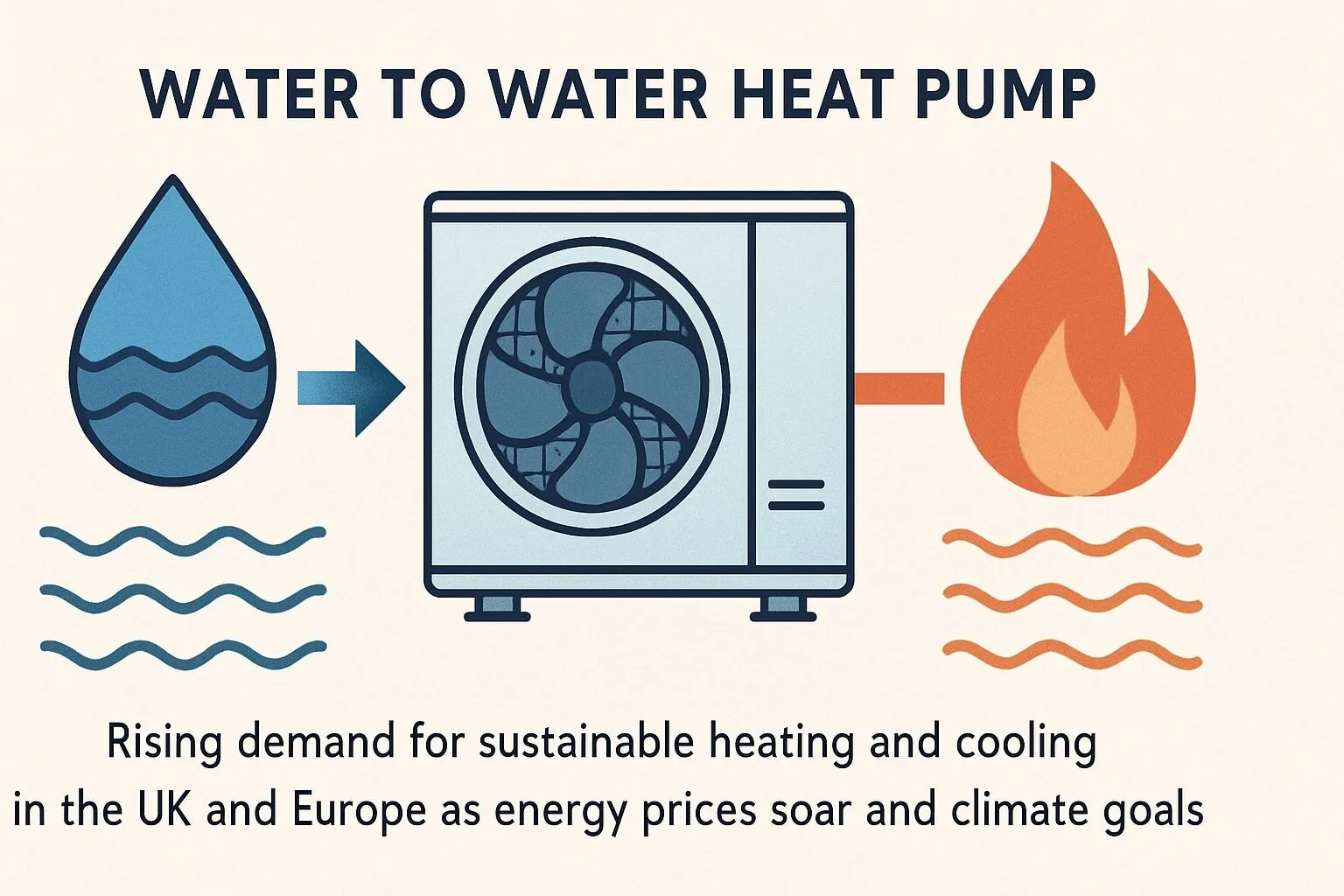
Rising energy costs are making homeowners across the UK rethink how they heat their water and homes. In 2026, sustainable solutions are not just desirable, but essential for both financial and environmental reasons.
The electric water heat pump is emerging as a leading alternative to traditional systems. These advanced units promise lower energy bills, reduced carbon emissions, and access to attractive government incentives.
This article will guide you through everything you need to know about electric water heat pump technology. We will explore how these systems work, discuss efficiency ratings, outline installation steps, cover essential maintenance, and explain how they integrate with renewable energy. You will also discover the latest advancements expected in 2026.
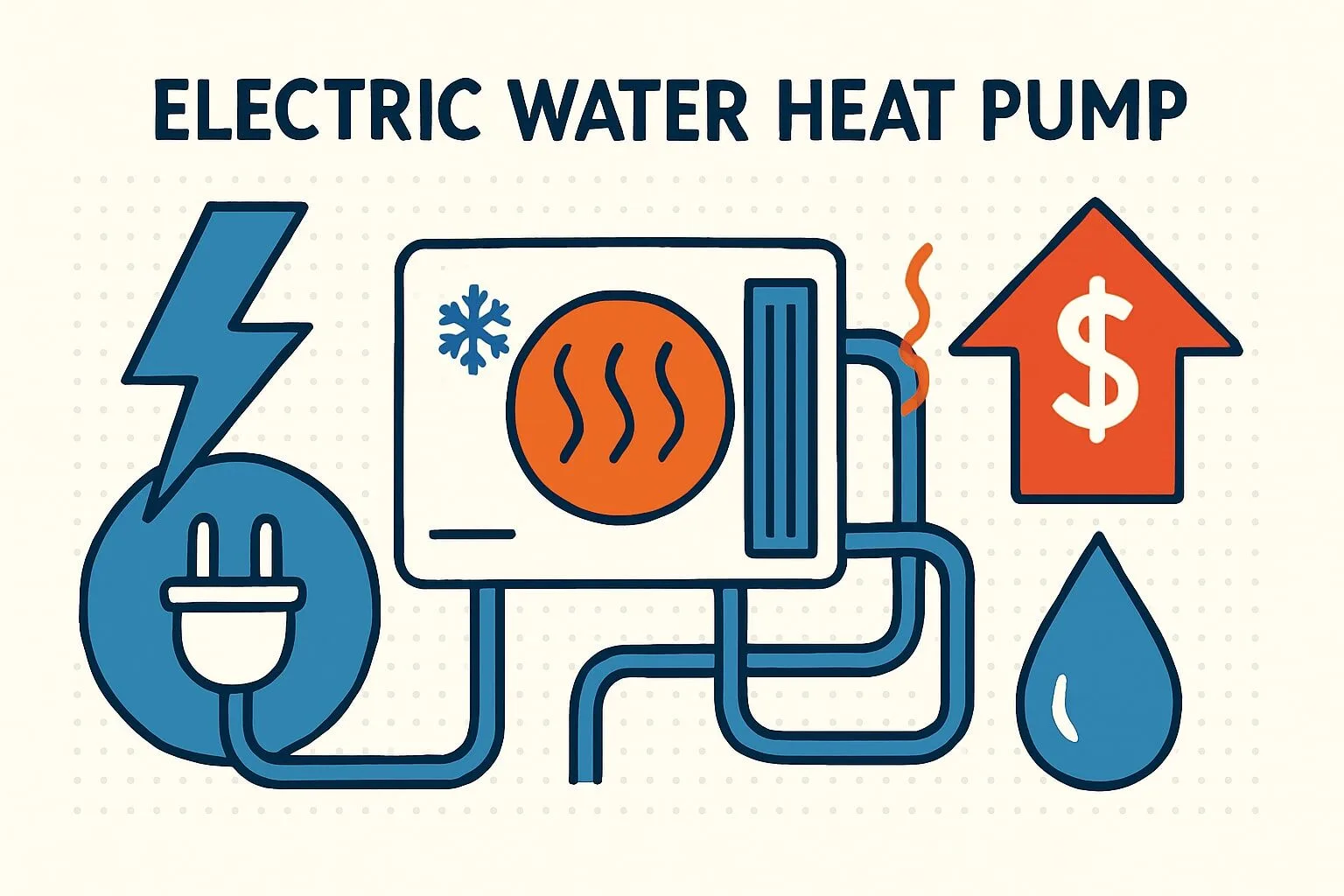
Electric water heat pumps are innovative systems designed to efficiently provide hot water for homes and businesses. Unlike conventional heaters, an electric water heat pump transfers heat from the air, ground, or water into a storage tank, reducing reliance on fossil fuels. There are three main models: air source, ground source, and hybrid. Each system contains a compressor, evaporator, condenser, and expansion valve, all working together to move environmental heat to the water. These pumps are increasingly popular in the UK for both domestic and commercial settings. To understand the process in more detail, see this heat pump hot water systems resource.
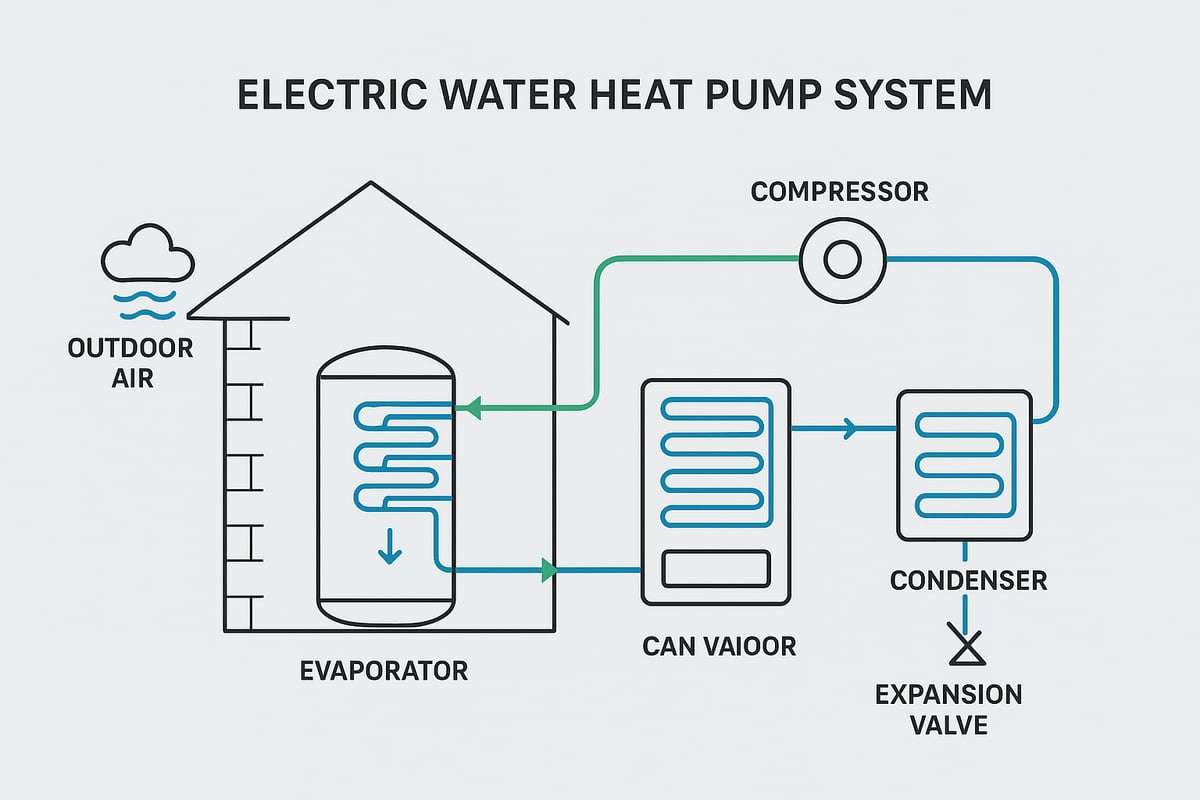
An electric water heat pump is a low-carbon technology that captures heat from the environment and uses it to heat water. There are several types: air source models extract heat from outside air, ground source units draw warmth from soil, and hybrid systems can combine multiple sources. The main components include a compressor (increases pressure and temperature), evaporator (absorbs heat), condenser (releases heat into water), and expansion valve (regulates refrigerant flow). The electric water heat pump is suitable for various applications, from new builds to retrofits, offering an adaptable solution for modern heating needs.
The operation of an electric water heat pump involves a step-by-step heat exchange cycle. First, the refrigerant absorbs heat from the environment in the evaporator. The compressor then raises the temperature and pressure of the refrigerant. Next, the condenser transfers this heat into the water storage tank. Finally, the expansion valve lowers the pressure, and the cycle repeats. Compared to traditional electric or gas heaters, an electric water heat pump uses less energy by moving heat instead of generating it directly. In the UK, air source heat pumps perform efficiently even in cooler climates, particularly with proper insulation.
There are three main types of electric water heat pump: air source, ground source, and water source. Air source models are easiest to install and ideal for most homes, while ground source systems offer higher efficiency but require more space and groundworks. Water source pumps are less common, needing access to a body of water. Hybrid and smart-integrated units are emerging, providing flexible operation and remote control. The table below summarises typical COP (Coefficient of Performance) values and suitability:
| Type | COP Range | Best For | Pros | Cons |
|---|---|---|---|---|
| Air Source | 2.5–4.0 | Most UK homes | Easy install | Lower winter output |
| Ground Src | 3.5–5.0 | Larger plots, rural | High efficiency | Cost, disruption |
| Water Src | 3.0–5.0 | Near water sources | Stable temps | Site specific |
Choosing an electric water heat pump brings multiple advantages. These systems can cut energy bills by up to 50 percent compared to conventional water heating. They also significantly reduce CO₂ emissions, supporting UK climate goals. Maintenance requirements are low, and most units last 15 to 20 years. Homeowners may be eligible for government grants and incentives, making installation more affordable. Additionally, the electric water heat pump integrates well with renewable energy sources like solar panels, helping future-proof your property for a low-carbon future.
As the demand for efficient home heating grows, understanding the performance of an electric water heat pump is crucial for making an informed decision. In 2026, advancements in technology, tighter regulations, and real-world data are shaping what homeowners can expect from these systems.
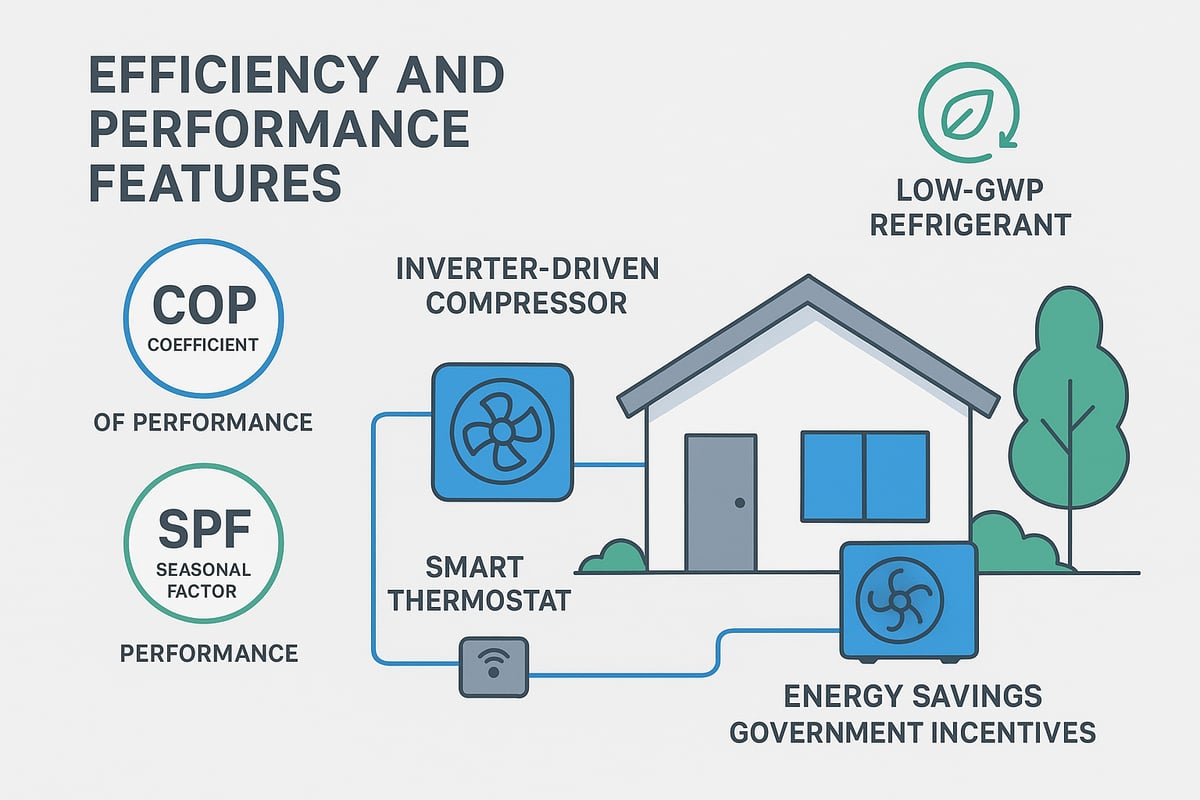
The efficiency of an electric water heat pump is primarily measured by the Coefficient of Performance (COP) and the Seasonal Performance Factor (SPF). COP calculates how many units of heat are produced for each unit of electricity consumed, while SPF reflects average performance over a year.
In 2026, most domestic systems achieve COP values between 3.2 and 4.5, meaning three to four and a half units of heat output per unit of electricity. SPF values have also improved, now regularly exceeding 3.0 for modern installations.
These metrics translate directly into lower running costs and energy bills. For a detailed breakdown of typical savings, see the energy-saving heat pump benefits available to UK homeowners.
Quality installation is essential to ensure the electric water heat pump reaches its rated efficiency in practice.
Several factors influence the real-world performance of an electric water heat pump. Property insulation is critical, as poor insulation leads to heat loss and reduced efficiency.
Outdoor temperature and climate zone also play a role. While modern heat pumps are designed for UK conditions, extreme cold can lower efficiency. Correct system sizing, based on accurate heat loss calculations, ensures optimal results.
Compatibility with an existing or upgraded water cylinder can affect heat delivery and storage. The use of smart controls and monitoring further boosts performance by adapting to usage patterns and weather conditions, maximising savings from your electric water heat pump.
Technological innovations are driving the efficiency and usability of the electric water heat pump in 2026. Inverter-driven compressors now allow for variable speed operation, which reduces energy consumption and wear during part-load conditions.
Smart thermostats and AI-powered optimisation automatically adjust settings for comfort and savings. New low-GWP refrigerants minimise environmental impact without sacrificing performance.
Noise reduction features make installations more suitable for urban or compact properties. Integration with home energy management systems enables seamless control alongside other smart home devices, enhancing the value of your electric water heat pump investment.
UK government policy continues to support the adoption of the electric water heat pump through updated regulations and financial incentives. Building Regulations now require higher minimum efficiency standards for new installations.
Government grants, such as the Boiler Upgrade Scheme, offer up to £7,500 towards eligible systems. Tax credits and VAT exemptions further reduce the upfront cost.
Installations must be completed by certified professionals to qualify for incentives, ensuring quality and compliance. Staying informed about available support helps homeowners maximise both savings and the efficiency of their electric water heat pump.
Recent data shows a significant rise in electric water heat pump adoption across the UK. For example, a typical 3-bedroom semi-detached home can expect annual energy savings of up to 50 percent compared to older gas boilers.
User satisfaction rates are high, with most reporting reliable hot water and steady performance. Common issues, such as noise or reduced output in extreme weather, are now largely addressed through improved designs and ongoing support.
Case studies highlight the long-term reliability and cost-effectiveness of choosing an electric water heat pump, providing confidence for future adopters.
Upgrading to an electric water heat pump is a significant investment that can transform your home's energy efficiency and sustainability. The installation process involves several key steps, from the initial assessment to final handover. Ensuring each phase is completed correctly will maximise performance, reliability, and eligibility for government support.
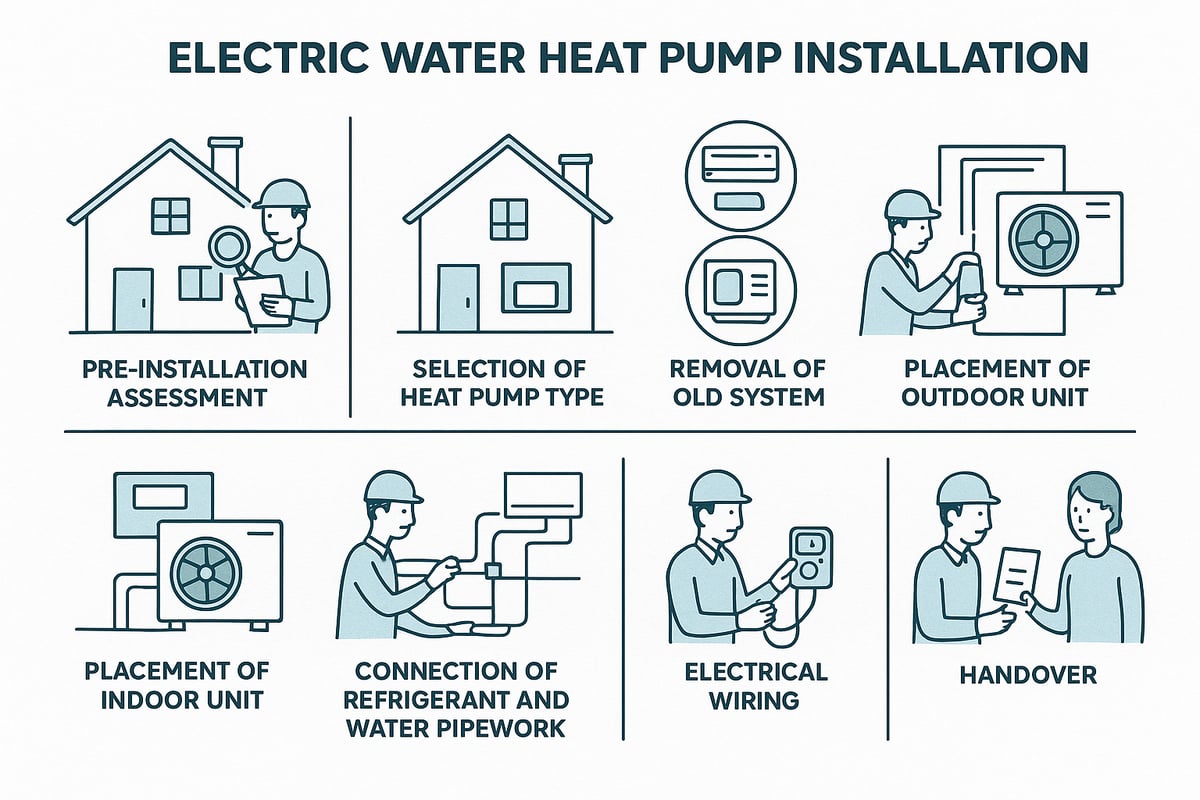
A thorough pre-installation assessment is crucial before fitting an electric water heat pump. This stage ensures the system is tailored to your property’s needs and avoids costly mistakes later.
Key steps include:
An accurate assessment helps determine if an electric water heat pump is the best option for your home and sets the foundation for an efficient installation.
Choosing the right electric water heat pump system is essential for performance and long-term savings. Factors to consider include property type, available space, and energy needs.
Consider the following:
Selecting the correct system guarantees your electric water heat pump will deliver optimal efficiency and reliability for years to come.
The installation of an electric water heat pump is a multi-stage process requiring skilled professionals. Each step must be carefully followed for safety and compliance.
Typical installation steps:
For a more detailed walkthrough, see the Electric heat pump installation guide, which covers each aspect of the process in depth. Precision at this stage ensures your electric water heat pump operates efficiently from day one.
After installation, comprehensive testing and handover are essential to confirm your electric water heat pump is working as intended.
This phase includes:
A thorough handover gives you confidence that your electric water heat pump will deliver reliable hot water and energy savings immediately.
Certain challenges may arise when installing an electric water heat pump, but with careful planning, these can be managed effectively.
Common issues and solutions:
Addressing these challenges ensures your electric water heat pump performs at its best and remains compliant with local regulations.
U&I Renewables specialises in the installation of air source heat pumps, helping homeowners reduce energy bills and carbon emissions. With over 17 years’ experience, they are fully certified and approved for government grant support up to £7,500.
Their end-to-end service covers:
Choosing a trusted installer like U&I Renewables guarantees your electric water heat pump is expertly fitted and supported throughout its lifespan.
Keeping your electric water heat pump in top condition ensures reliable performance, lower running costs, and a longer lifespan. Proper care not only protects your investment but also helps maintain the efficiency that sets this technology apart.
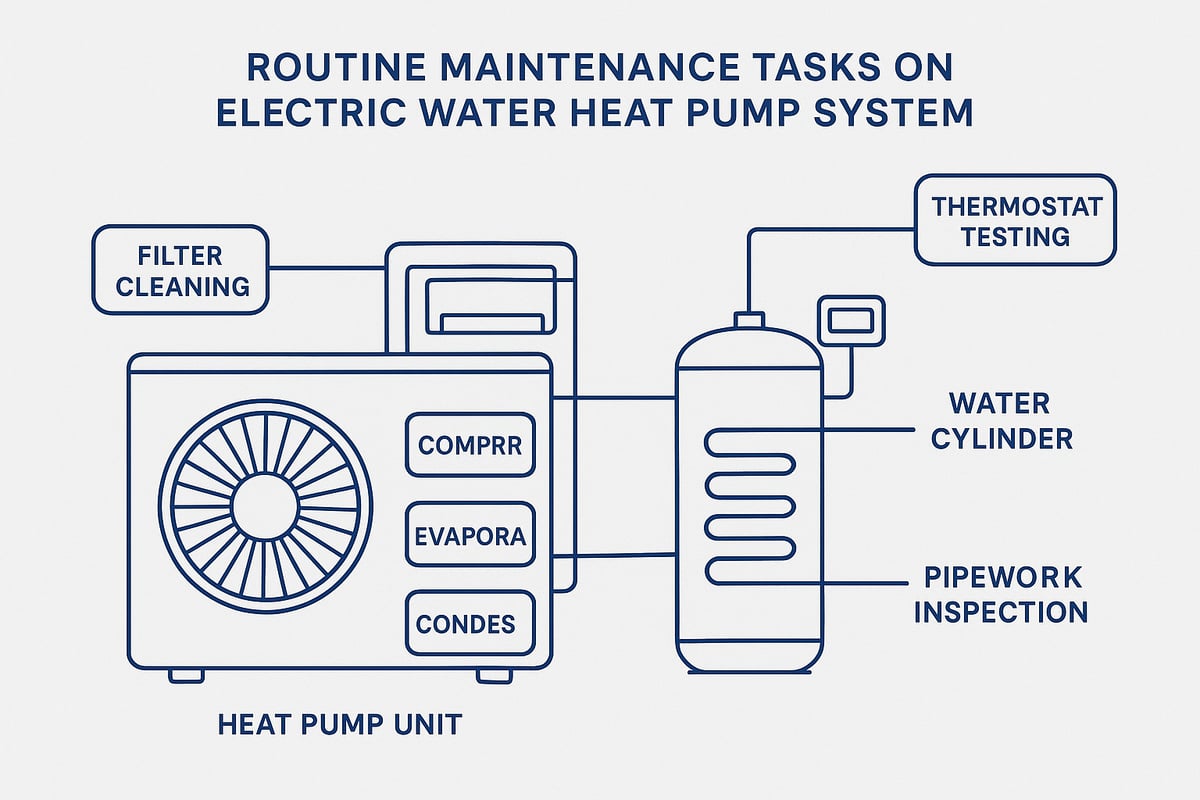
Regular upkeep is essential for an electric water heat pump to deliver consistent efficiency. Homeowners should:
Neglecting these basic tasks can reduce the efficiency of your electric water heat pump and may void the warranty. Using a smart app to monitor system performance simplifies routine checks and alerts you to any irregularities.
Even a well-maintained electric water heat pump may occasionally experience problems. Common issues include:
Many issues are straightforward to resolve with basic troubleshooting, but persistent faults require a qualified engineer. According to a recent field study, modern heat pump water heaters have achieved significant energy savings and improved reliability, highlighting the importance of prompt maintenance and expert support.
A regular servicing schedule is key for the longevity and efficiency of your electric water heat pump. Most manufacturers recommend:
| Service Task | Frequency | Typical Cost (£) |
|---|---|---|
| Professional inspection | Annually | 120–200 |
| Filter cleaning | Every 3–6 months | DIY |
| Refrigerant checks | Annually | Included in service |
| System performance test | Annually | Included in service |
Maintenance contracts often cover annual checks, emergency callouts, and parts replacement, providing peace of mind and helping to maintain warranty cover. Investing in regular service prevents costly repairs and ensures your system operates at peak efficiency.
To get the most from your electric water heat pump, follow these best practices:
By adopting these habits, you ensure your electric water heat pump delivers optimal performance and savings throughout its lifespan.
The move to integrate electric water heat pump systems with renewable energy sources is transforming home heating in the UK. By combining these technologies, homeowners can reduce their reliance on fossil fuels and lower their energy bills. With the right setup, you can create a more sustainable and future-proof property.
Pairing an electric water heat pump with solar PV panels unlocks significant energy savings. Solar PV generates clean electricity during the day, which can directly power your heat pump to heat water. When paired with battery storage, excess solar energy is stored for use when the sun is not shining, maximising self-consumption and reducing grid reliance.
For example, a typical UK household using this setup can achieve impressive reductions in energy bills and carbon emissions. To learn more about practical integration, see Integrating heat pumps with solar panels.
Key integration points include:
Modern electric water heat pump systems are designed for seamless integration with smart home platforms. Smart thermostats and automation tools allow homeowners to schedule heating cycles based on renewable energy availability or off-peak tariffs.
By using mobile apps and connected sensors, you can monitor system performance in real-time. Load shifting, where the heat pump operates during periods of low-cost or renewable electricity, further enhances savings. Data-driven optimisation, such as AI-powered scheduling, is becoming increasingly common.
Example features:
Switching to an electric water heat pump significantly lowers your home’s carbon footprint, especially when powered by renewables. Compared to traditional gas boilers, these systems can cut CO₂ emissions by up to 70 percent.
This shift supports the UK’s net zero ambitions by reducing demand on fossil fuel infrastructure. According to the UK Heat Pump Investment Roadmap, widespread adoption of heat pumps is vital for decarbonising home heating.
Environmental benefits include:
Looking ahead, the integration of electric water heat pump systems with renewables is set to become mainstream. Advances in solar PV, battery storage, and heat pump technology will drive greater efficiency and affordability.
Key trends by 2026:
With continued innovation and supportive policy, the vision of an energy self-sufficient, zero-carbon home is rapidly becoming a reality for UK homeowners.
Selecting the ideal electric water heat pump for your property involves careful planning. Start by assessing your hot water requirements, which depend on the number of occupants and bathrooms. Consider how well your home is insulated, as a well-insulated property maximises the efficiency of an electric water heat pump. Space is another critical factor, since both the indoor and outdoor units need adequate room. Budget for both initial installation and ongoing running costs. Finally, future-proof your investment by choosing a smart, renewable-ready system that can adapt to tomorrow’s energy landscape.
Before purchasing an electric water heat pump, it is vital to analyse your household’s daily hot water usage. For larger homes or properties with high demand, a higher-capacity system is essential. Evaluate the insulation level of your home, as insufficient insulation can reduce performance and increase costs. Check if you have enough space for both the heat pump and the associated water cylinder. Set a realistic budget, factoring in both upfront costs and long-term savings. Remember, a system that is compatible with renewable technologies and smart controls will offer greater flexibility and efficiency in the future.
When comparing electric water heat pump brands and models, look for manufacturers with a proven track record in reliability, efficiency, and after-sales support. Features such as smart integration, advanced controls, and low-noise operation are increasingly standard. The following table summarises key attributes:
| Brand | Efficiency (COP) | Warranty | Smart Features | User Ratings |
|---|---|---|---|---|
| Brand A | 4.5 | 7 years | Yes | 4.8/5 |
| Brand B | 4.2 | 5 years | Yes | 4.6/5 |
| Brand C | 4.7 | 10 years | Advanced | 4.9/5 |
Recent advances, such as model predictive control for heat-pump water heaters, are enhancing efficiency and adaptability, making cutting-edge models more appealing for discerning homeowners.
To ensure you choose the right electric water heat pump, ask installers and suppliers the following questions:
These questions help confirm the installer’s expertise and clarify the long-term value of your investment.
Avoid common pitfalls when choosing an electric water heat pump for your home. Do not underestimate or overestimate the system size, as incorrect sizing leads to inefficiency. Always address property-specific challenges, such as limited space or old pipework. Opt for certified installers to guarantee quality. Consider both maintenance and running costs, not just the purchase price. Lastly, plan for seamless integration with existing or future renewable energy systems to maximise long-term benefits and sustainability.