No products in the basket.
With the UK accelerating towards 2026 energy targets, more homeowners are searching for efficient, eco-friendly ways to heat water. As sustainability and cost savings become priorities, heat pump hot water systems are emerging as a leading alternative to outdated methods.
This guide explains how these systems work, their benefits, and the latest innovations. You will find practical advice on installation, real-world performance, and government incentives that make switching easier.
Discover how heat pump hot water can reduce your bills, boost comfort, and help you meet future regulations. Ready to see how your home could benefit? Let’s get started.
As the UK accelerates its shift toward greener homes, understanding heat pump hot water systems is crucial for homeowners seeking efficient, futureproof solutions. These systems are rapidly gaining popularity due to their ability to deliver reliable hot water with significantly lower environmental impact and running costs.
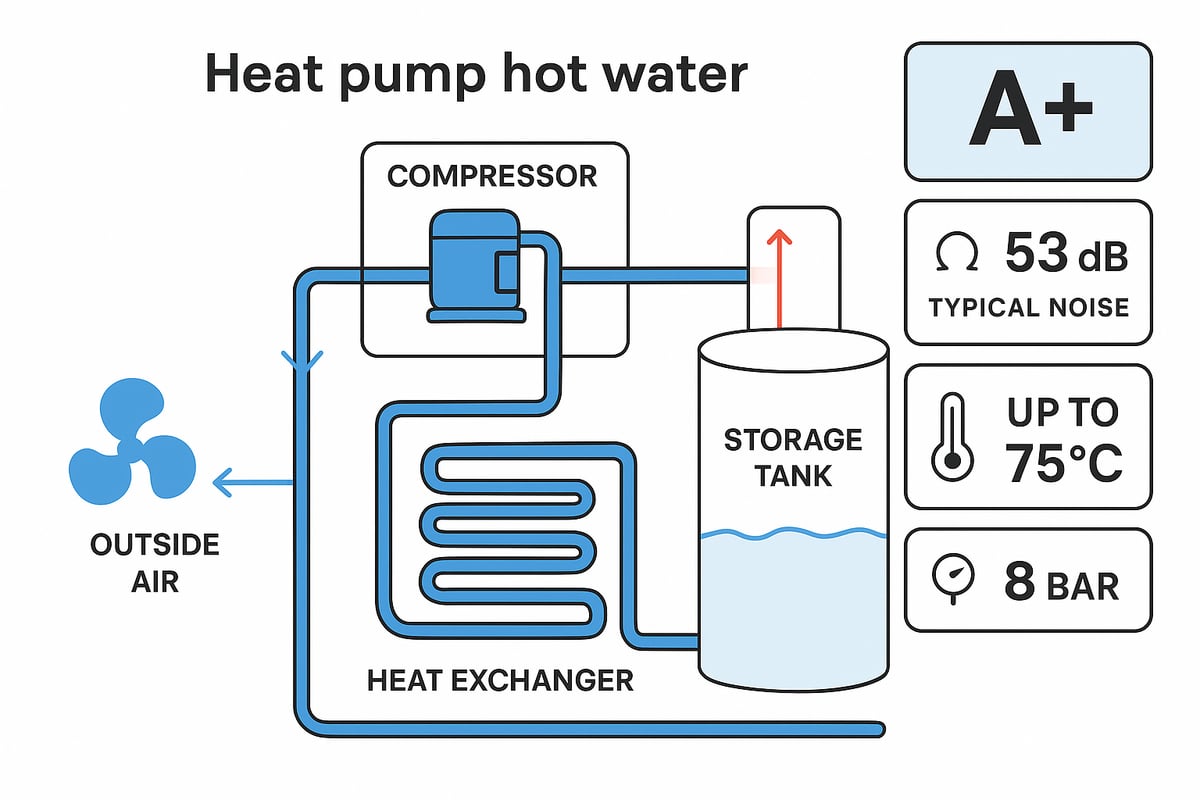
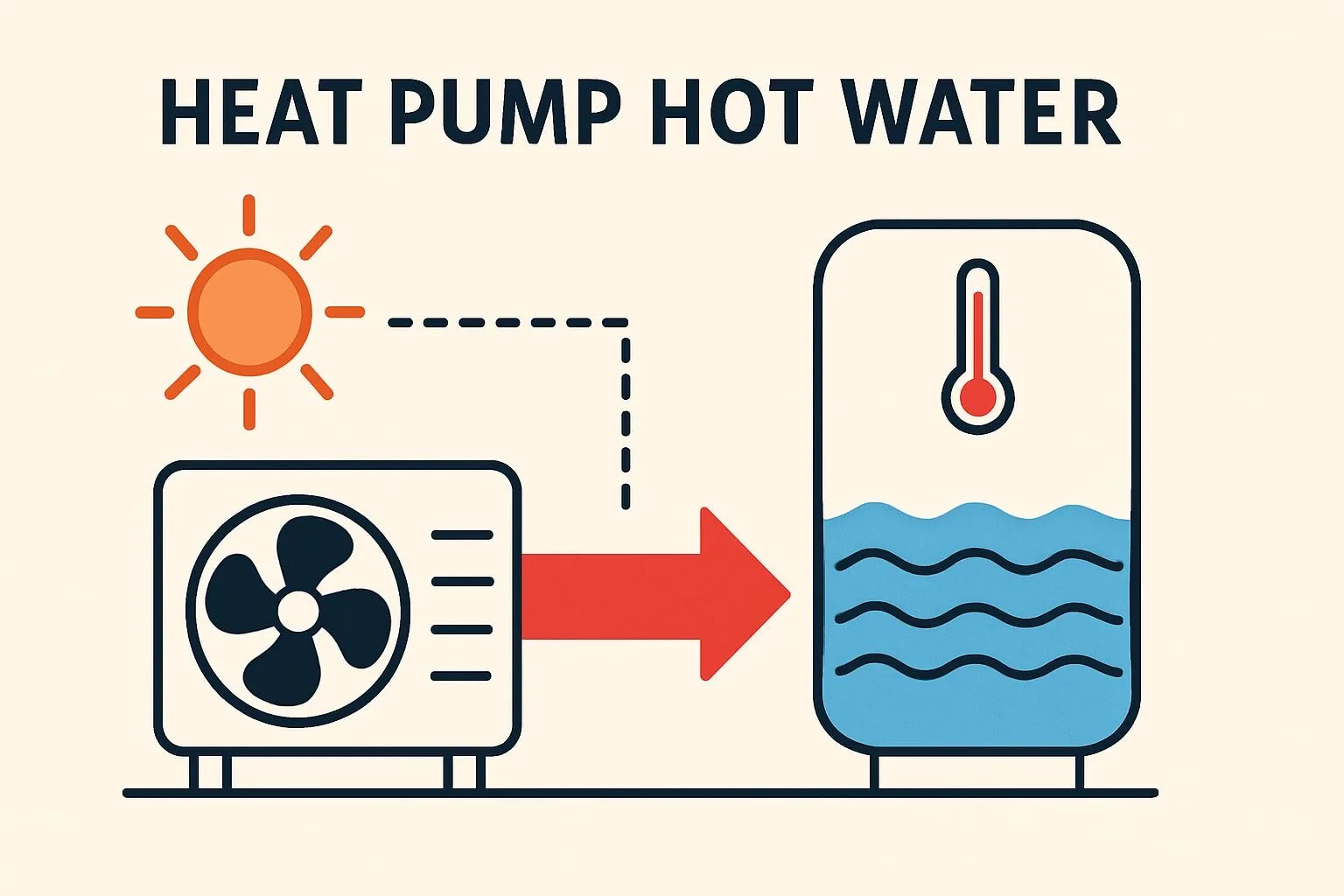
A heat pump hot water system operates by transferring heat from the surrounding air or ground into water, rather than generating heat directly like conventional electric or gas water heaters. This process uses a refrigeration cycle, making it far more energy efficient.
The main components include:
Compared to traditional water heaters, heat pump hot water systems typically achieve an A+ energy rating and a Coefficient of Performance (COP) of 3 to 4. This means they can deliver three to four times more energy than they consume.
For example, the TESY AquaThermica 200 uses an air-to-water design, delivering quiet operation at around 53 dB(A) and providing water up to 75°C at pressures up to 8 bar. This makes it suitable for most UK households, offering an efficient and discreet solution.
With these features, a heat pump hot water system offers not only excellent performance but also a quieter and more comfortable experience compared to older technologies.
There are several types of heat pump hot water systems available, each suited to different properties and user needs. The main categories are air source and ground source systems.
System configurations include:
Many systems can be connected to underfloor or central heating, further enhancing whole-house comfort. When planning installation, homeowners should consider space for both indoor and outdoor units, as well as access for maintenance.
This range of options means there is a heat pump hot water solution for nearly every property type and size.
| System Type | Source | Suitable For | Space Needed |
|---|---|---|---|
| Air Source Integrated | Air | Most homes | Low |
| Air Source Split | Air | Homes with space | Moderate |
| Ground Source | Ground | Large plots | High |
| Hybrid | Air/Ground | Retrofit, new build | Varies |
The benefits of installing a heat pump hot water system are significant and measurable. Homeowners can reduce electricity consumption by up to 75 percent compared to traditional cylinders. This translates into lower energy bills and a smaller carbon footprint, helping to improve EPC ratings.
Heat pump hot water systems provide consistent hot water all year, even during freezing UK winters. Some models, like the TESY AquaThermica 200, have proven performance in extreme conditions, maintaining comfort and reliability.
Running costs are typically far lower than those of oil or gas water heaters. For example, switching from oil to a heat pump hot water system can save up to £900 per year. These systems also contribute to long-term property value, thanks to enhanced comfort and improved energy performance.
Additional advantages include whole-house heating integration, long warranties (often two years on parts), and greater peace of mind for homeowners.
For further insights into the efficiency and real-world energy savings of these systems, the Heat Pump Water Heaters Achieve Significant Peak Reduction and Energy Savings report provides valuable data.
With the right system and proper installation, heat pump hot water technology offers a reliable, sustainable, and cost-effective solution for modern UK homes.
The landscape for heat pump hot water solutions is rapidly evolving as we approach 2026. Technological innovation, renewable energy integration, and new regulations are reshaping how UK homeowners access efficient, sustainable hot water. Let’s explore the key trends driving the next generation of heat pump hot water systems.
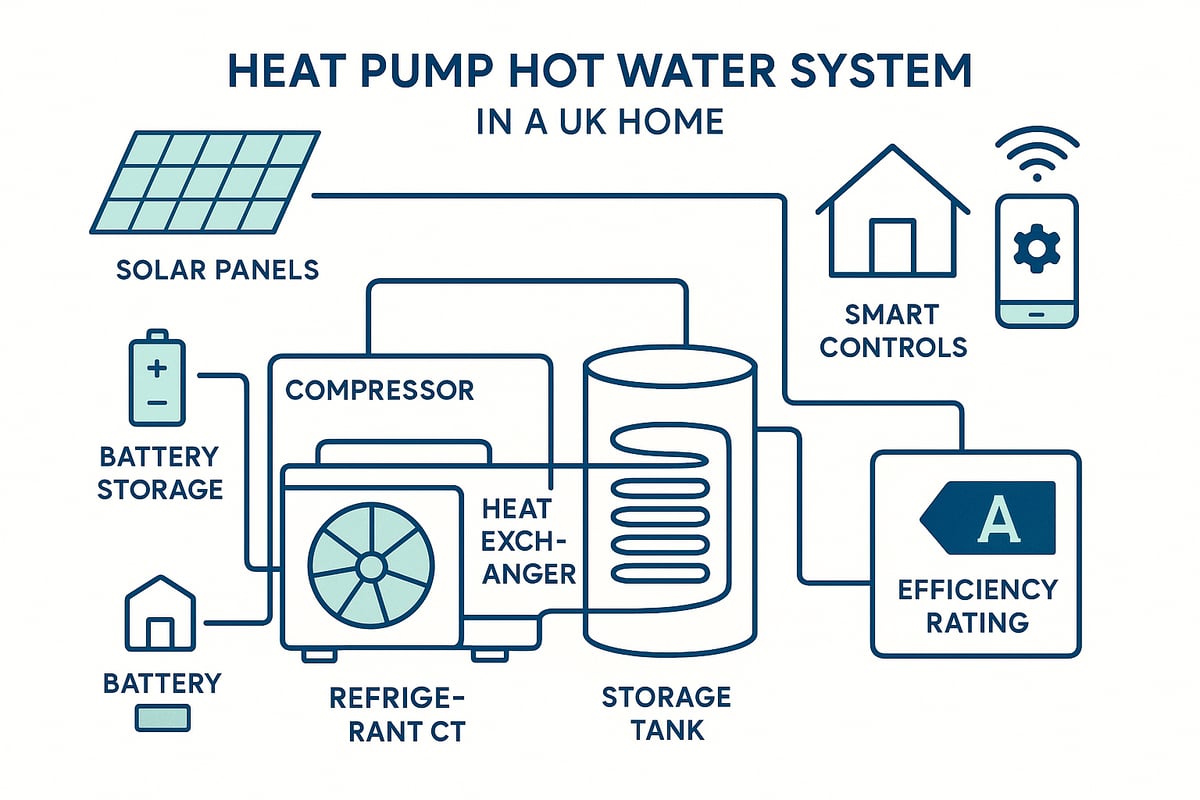
Heat pump hot water technology is advancing at a remarkable pace. Next-generation compressors and eco-friendly refrigerants like R134a are boosting both reliability and efficiency. Many new models now feature A+ or higher energy ratings, with impressive coefficient of performance (COP) values.
Smart controls are also transforming the user experience. LCD touchscreens and integrated diagnostics allow for precise adjustments and easy troubleshooting. Enhanced insulation, such as 50 mm rigid PU, helps to minimise heat loss and improve efficiency.
Noise levels have dropped significantly, with modern heat pump hot water units operating at around 53 dB(A), making them suitable for installation in or near living spaces. These technical improvements are making heat pump hot water systems more appealing and practical for a wide range of UK homes.
A major trend is the seamless integration of heat pump hot water systems with renewable technologies. Homeowners are increasingly combining heat pumps with solar PV or solar thermal panels to maximise the use of self-generated electricity. This not only drives down running costs but also helps households move closer to energy independence.
Battery storage is another innovation, allowing heat pump hot water systems to operate during off-peak times or when solar output is high. The government’s 2026 targets encourage the adoption of renewables, making these hybrid solutions even more attractive.
For more details on how heat pump hot water can be paired with solar panels for additional savings and sustainability, see this heat pump and solar panels integration resource.
The UK market for heat pump hot water is being shaped by strong policy and financial incentives. Grants like the Boiler Upgrade Scheme now offer up to £7,500 towards air source heat pump installations. Compliance with Building Regulations G3 ensures safety and performance, while stricter EPC and Net Zero requirements are motivating more households to upgrade.
Manufacturers such as Mitsubishi and TESY are responding with a range of innovative products, tailored for different property types and needs. Upcoming changes to energy tariffs and green levies are likely to make heat pump hot water solutions even more cost-effective for UK homeowners.
Real-world feedback on heat pump hot water systems is overwhelmingly positive when the technology is properly sized and installed. Users report consistent hot water, lower energy bills, and quiet operation as standout benefits.
However, challenges can arise. Undersized or incorrectly installed systems may lead to higher electricity consumption or unreliable performance. Homeowners have learned that working with certified professionals is essential for achieving the full benefits of heat pump hot water.
Recent case studies highlight how continuous innovation and improved best practices are addressing these issues, delivering reliable, comfortable, and efficient hot water for modern UK homes.
Installing a heat pump hot water system is a significant upgrade to your home’s energy efficiency and comfort. Careful planning and professional installation are essential for maximising performance and savings. This guide provides a clear walkthrough, ensuring you make informed decisions at every stage.
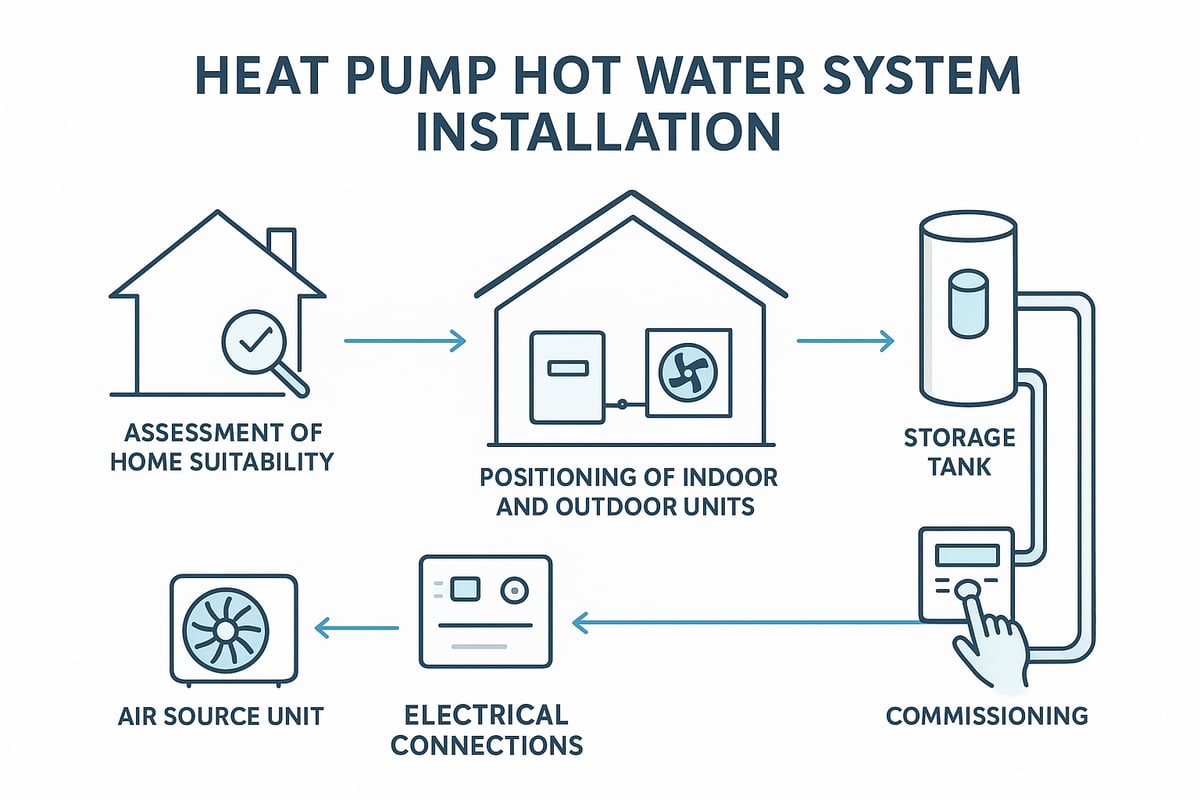
Begin by evaluating your property’s readiness for a heat pump hot water system. Good insulation and double glazing help retain heat, making the system more effective. Assess the condition of your existing heating, as older setups may need upgrades to work efficiently with new technology.
Check available space for both indoor and outdoor units, as well as the storage tank. Outdoor units require clear airflow and minimal obstructions. Indoors, allow for easy access to the hot water cylinder. Review your electrical supply, ensuring it can handle the additional load of a heat pump hot water installation. If you plan to link the system with underfloor heating or existing radiators, factor this into your assessment.
A professional installer can conduct a whole-property survey, identifying any upgrades needed to maximise efficiency and comfort.
Selecting the ideal heat pump hot water system involves matching your household’s needs with the right technology. Start by calculating daily hot water demand based on the number of occupants, bathrooms, and typical usage patterns. Sizing is crucial: an undersized unit may struggle, while an oversized system can waste energy.
Decide between air source and ground source models. Air source systems are more common in UK homes, offering easier installation and lower upfront costs. Ground source options deliver higher efficiency but require more space and groundworks. Hybrid systems combine heat pumps with solar or boilers for extra flexibility, especially in larger or older homes.
Compare leading brands and models, considering reliability, warranty, and integration features. Look for options compatible with your heating system, such as underfloor or central heating, for seamless performance.
Once you have chosen a suitable heat pump hot water system, engage a qualified installer who is certified to comply with Building Regulations G3. Professional installation ensures safety and system longevity. The process typically starts with site preparation and careful placement of the heat pump and storage tank.
Key steps include secure mounting of the outdoor unit, connecting plumbing and pipework, and establishing safe electrical connections. Installers will fit safety components such as expansion vessels, pressure relief valves, and anti-legionella cycles. Proper insulation of pipework helps retain heat and reduce energy loss.
The full installation may take one to three days, depending on property complexity. For a detailed overview, refer to the Heat pump hot water installation guide, which outlines best practices and regulatory requirements for UK homes.
After installation, the heat pump hot water system undergoes thorough testing to verify correct operation. Installers will check all controls, safety devices, and system pressures, ensuring everything meets manufacturer and legal standards.
You will receive a comprehensive handover, including training on using the control panel, adjusting settings, and recognising diagnostic alerts. Clear documentation is provided, such as warranty details, compliance certificates, and user manuals. This step empowers you to operate your heat pump hot water system confidently and maintain efficiency over time.
Regular servicing is recommended to keep your heat pump hot water running smoothly. With the right setup and ongoing care, you will benefit from reliable, eco-friendly hot water for years to come.
Modern heat pump hot water systems are engineered for high efficiency, but optimal performance depends on smart operation, regular care, and a few strategic home upgrades. By understanding how to fine-tune your setup, you can unlock the full energy-saving and comfort potential of heat pump hot water in daily life.
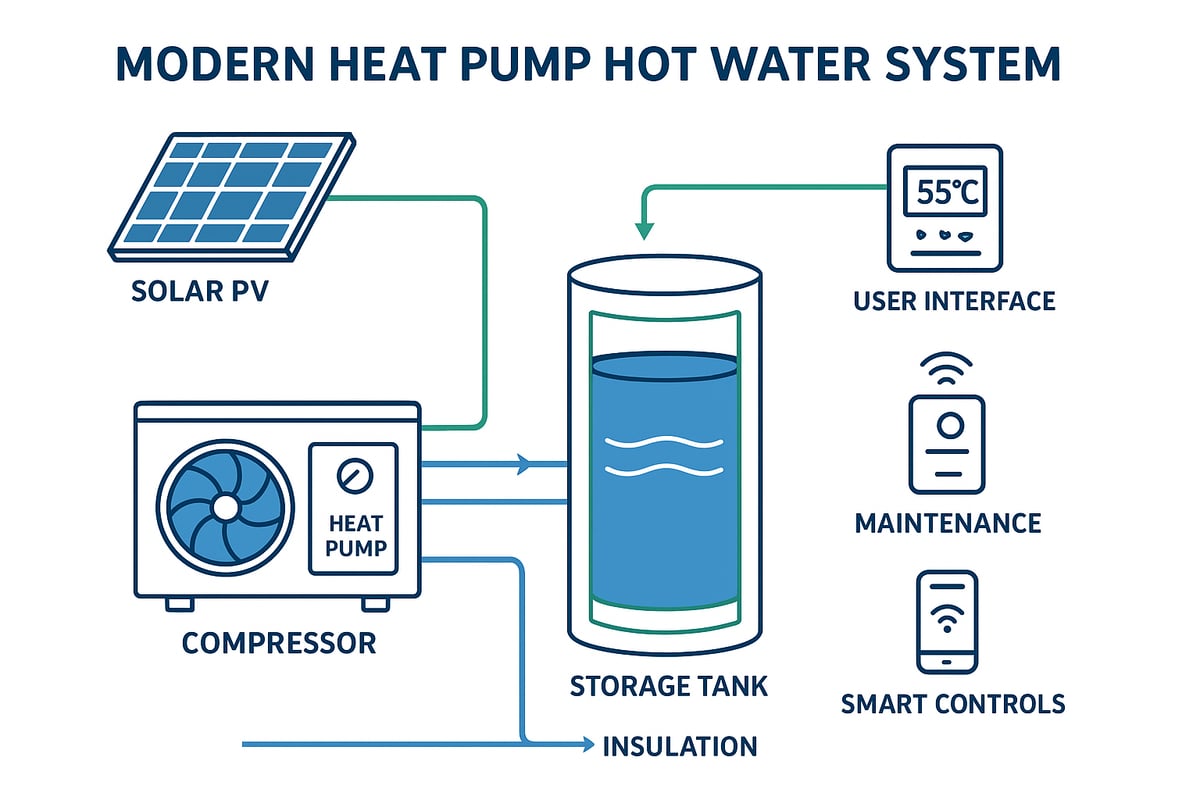
To maximise the efficiency of your heat pump hot water, start by setting the water temperature between 60 and 65°C. This range strikes a balance between energy savings and safety, reducing the risk of legionella while avoiding unnecessary electricity use.
Utilise smart controls if your system includes them. Many heat pump hot water units feature programmable timers, allowing you to schedule water heating during off-peak electricity rates. This helps lower running costs and supports grid stability.
Consider using advanced remote monitoring, which lets you adjust settings via smartphone or tablet. This is especially useful for busy households or those with unpredictable schedules. For further insights into performance optimisation, you can refer to the Energy Efficiency Modelling of Residential Air Source Heat Pump Water Heater, which provides valuable technical data.
Routine maintenance is essential for any heat pump hot water system. Check filters and safety devices every few months, and ensure the refrigerant circuit is professionally serviced annually.
Address common issues quickly. If you notice increased noise, reduced output, or error codes, consult your installer or refer to the user manual. Keeping up with maintenance not only preserves efficiency but also ensures compliance with warranty terms.
Enhancing your home’s energy performance will make your heat pump hot water system even more effective. Upgrading insulation and windows minimises heat loss, so less energy is needed to maintain hot water temperatures.
Install low-flow taps and showers to reduce overall hot water demand. This simple change can significantly cut consumption without sacrificing comfort.
If possible, combine your heat pump hot water with solar PV or battery storage. This integration allows you to use self-generated electricity for water heating, further reducing your reliance on the grid and boosting savings.
Consider a typical case study: a detached UK home with a TESY AquaThermica 200, solar PV, and good insulation. The household achieves annual hot water consumption as low as 811.7 kWh, resulting in near zero hot water costs.
| Scenario | Annual Consumption (kWh) | Estimated Cost (£) |
|---|---|---|
| Heat pump hot water + solar PV, well-insulated | 811.7 | ~0 |
| Traditional oil boiler, average insulation | 2,800 | 900 |
User tips for best results:
When combined with smart operation and home improvements, heat pump hot water systems deliver reliable, low-cost, and sustainable hot water all year round.
As more UK homeowners consider heat pump hot water solutions, understanding the true costs, available incentives, and long-term value is critical. Upfront expenses can seem daunting, but government support and efficiency gains make these systems a compelling investment. Let us break down the numbers, support schemes, and potential returns for heat pump hot water, so you can make an informed decision.
The initial outlay for a heat pump hot water system typically ranges from £1,500 to £5,000 or more for equipment alone. Installation costs can vary depending on your property type and system complexity, often adding another £1,000 to £3,500. Despite the upfront investment, running costs are significantly lower than for conventional electric or oil water heaters.
A side-by-side comparison:
| System Type | Equipment Cost | Install Cost | Annual Running Cost | Expected Savings |
|---|---|---|---|---|
| Gas/Oil Cylinder | £800–£2,500 | £500–£1,500 | £900–£1,200 | — |
| Heat Pump Hot Water | £1,500–£5,000 | £1,000–£3,500 | £200–£400 | Up to 75% |
A well-installed heat pump hot water system can save up to 75% on electricity compared to a standard cylinder. For a detailed cost analysis, see the heat pump hot water cost breakdown.
To make heat pump hot water adoption more accessible, the UK government offers the Boiler Upgrade Scheme, providing grants of up to £7,500 for air source heat pump installations. Eligibility depends on property type, current heating system, and EPC rating. The application process is straightforward, typically managed by your installer.
Additional incentives include VAT reductions and further support for integrating solar PV or energy storage. For the latest strategies and incentives, refer to the Heat Pump Investment Roadmap.
Calculating the payback period for a heat pump hot water system involves factoring in upfront costs, grants, and annual energy savings. With a grant, the net cost can be as low as £1,500 to £3,000. Annual savings of £500 to £900 are common when switching from oil or electric systems.
For most households, the payback period falls between 5 and 10 years. This depends on hot water usage, insulation quality, and energy prices. For example, a home replacing an oil cylinder with solar-powered heat pump hot water could recoup its investment in under seven years.
Investing in heat pump hot water delivers more than just lower bills. Upgrading can boost your EPC rating, making your home more attractive to future buyers. Improved energy efficiency futureproofs your property against rising fuel prices and stricter regulations.
Most systems come with warranties of 2 to 5 years for parts, and a typical lifespan of 10 to 20 years. Maintenance costs are low, especially compared to oil or gas systems. Over time, the heat pump hot water solution provides reliable performance, reduced carbon emissions, and a positive return on investment.
Selecting, installing, and operating a heat pump hot water system comes with unique challenges. However, expert solutions can help homeowners maximise efficiency, comfort, and long-term savings. Addressing these common issues ensures a smooth transition to low-carbon hot water.
One of the most common pitfalls is incorrect system sizing. An undersized heat pump hot water unit may struggle to meet household demands, resulting in higher electricity bills and inconsistent supply. Oversizing can also lead to inefficiency and wasted investment.
| Challenge | Impact | Solution |
|---|---|---|
| Undersizing | Poor performance, high costs | Professional assessment, correct sizing |
| Oversizing | Wasted energy, unnecessary expense | Tailored design for property |
To avoid these issues, consult a qualified installer who follows Building Regulations and understands the specific needs of your home. For more details on choosing the right unit, see Air source heat pump information.
Retrofitting a heat pump hot water system in older homes, such as Victorian or 1930s properties, presents unique challenges. These buildings often lack modern insulation, leading to heat loss and higher running costs.
Integrating a heat pump hot water unit with existing systems may require additional plumbing or electrical work, but these investments can significantly enhance comfort and efficiency in period homes.
Most UK homeowners report positive experiences with heat pump hot water systems, especially when installed and maintained correctly. According to the Heat Pump Satisfaction Survey, over 80% of households are satisfied with their system's performance.
However, common issues include noise, slow hot water delivery, or error codes. Routine servicing, correct placement, and following manufacturer guidelines address most concerns. Always use certified professionals for maintenance and repairs to protect warranties and system longevity.
To get the most from a heat pump hot water system, integrate it with smart home controls and consider pairing with solar PV or battery storage. Setting water temperatures between 60°C and 65°C balances comfort, safety, and efficiency.
Regular maintenance, such as cleaning filters and checking safety devices, further improves performance. Upgrading home insulation and installing low-flow taps or showers can reduce hot water demand, boosting savings and sustainability.
Looking ahead, heat pump hot water technology will continue to evolve. Expect greater integration with renewable energy sources, smarter controls, and improved efficiency. Government support, stricter regulations, and ongoing innovation will help drive wider adoption.
Homeowners who invest now will be well-positioned for future energy challenges, enjoying lower bills, higher comfort, and a reduced carbon footprint as the UK moves towards its 2026 and Net Zero targets.