No products in the basket.
With UK energy bills continuing to rise, more homeowners are looking for ways to cut costs and embrace greener home heating solutions. The move towards sustainable options is no longer a trend, but a necessity for both financial and environmental reasons.
This guide is designed to help you confidently manage every stage of your electric heat pump installation in 2025. Electric heat pumps offer impressive efficiency, substantial cost savings, and a significant reduction in your home's carbon footprint.
Inside, you will find everything you need to know: how heat pumps work, planning your project, step-by-step installation advice, cost breakdowns, available grants, and ongoing maintenance tips. Start saving energy and take control of your home's future today.
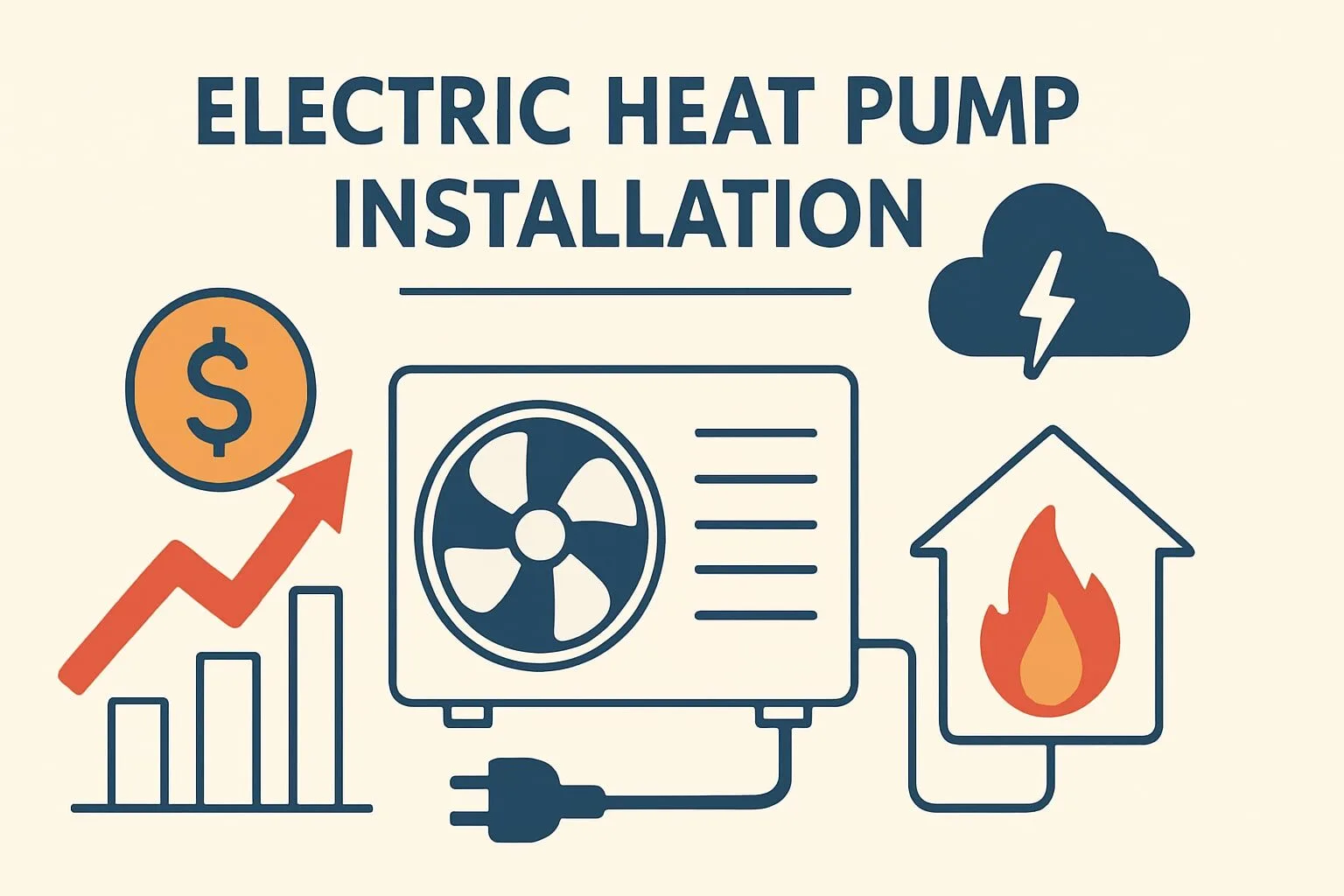
Electric heat pump installation is transforming home heating in the UK, offering a cleaner and more efficient alternative to traditional systems. These innovative systems are designed to both heat and cool homes, making them a versatile solution for year-round comfort.
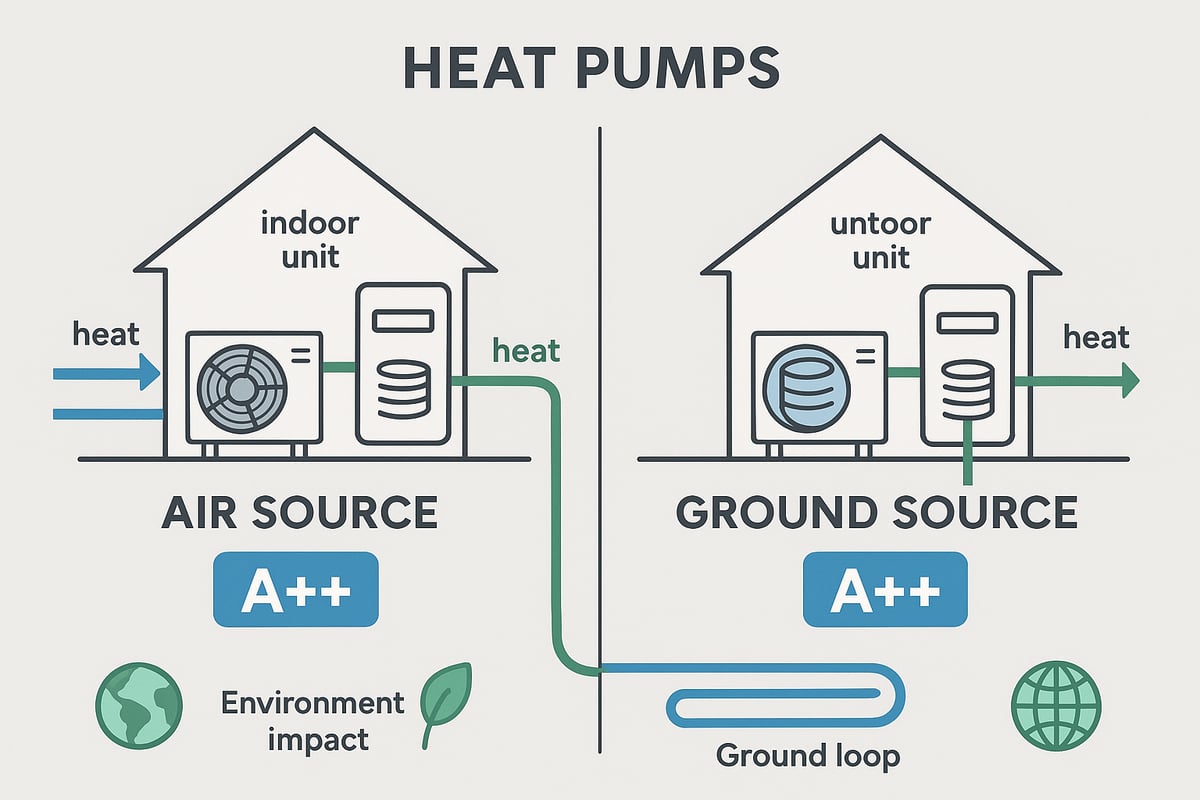
An electric heat pump installation uses advanced technology to move heat, rather than generate it. By extracting warmth from the air or ground outside, it efficiently heats your home even when outdoor temperatures are low.
There are two main types. Air source heat pumps draw heat from the outside air, while ground source heat pumps collect heat from the earth through buried pipes. Both options can provide hot water and space heating, making them suitable for most UK properties.
Unlike gas or oil boilers, electric heat pump installation offers the added benefit of cooling during warmer months. This dual function makes them an attractive choice for households seeking year-round climate control.
One of the biggest advantages of electric heat pump installation is its impressive efficiency. With a coefficient of performance (COP) of 3 to 4, heat pumps deliver three to four times more heat energy than the electricity they consume. In comparison, even the best gas boilers rarely exceed 90% efficiency.
Switching to heat pumps can cut your home's carbon emissions by up to 65%. This significant reduction supports UK government targets, which aim for 600,000 heat pump installations per year by 2028. For more on national strategy and future projections, see the Heat Pump Investment Roadmap.
By choosing electric heat pump installation, homeowners play a direct role in supporting the country's net zero ambitions.
Electric heat pump installation can lead to substantial cost savings over time. On average, UK households can save between £500 and £1,200 annually on energy bills compared to traditional gas or oil systems.
Beyond immediate savings, heat pumps often increase property value by improving the Energy Performance Certificate (EPC) rating. For example, a typical three-bedroom home might see annual energy costs drop from £1,800 to £1,100 after switching to a modern heat pump.
Investing in this technology not only lowers running costs but also makes your home more attractive to future buyers.
Modern electric heat pump installation provides consistent indoor temperatures throughout the year. Unlike old radiators that cycle on and off, heat pumps maintain a steady, comfortable heat.
They also improve air quality by circulating and filtering indoor air. Heat pumps can be integrated with both underfloor heating and standard radiators, offering flexibility for different property types.
The ability to reverse the cycle for cooling in summer further enhances comfort, making electric heat pump installation a truly versatile solution.
Some homeowners worry about noise, performance in cold weather, or disruptive installation. However, independent studies show that modern units are very quiet, often no louder than a fridge.
Advanced models work efficiently even in sub-zero temperatures, making electric heat pump installation suitable for the UK climate. Professional installers minimise disruption by planning the process and using existing pipework where possible.
Understanding the facts helps dispel lingering doubts and highlights the reliability of this technology.
Choosing electric heat pump installation is a proactive step towards meeting future building regulations and energy standards. As the UK moves away from fossil fuels, homes with low-carbon heating will be in higher demand.
Properties equipped with heat pumps are more attractive to eco-conscious buyers and better aligned with upcoming net zero requirements. This investment ensures your home remains valuable and compliant in the years ahead.
Careful planning is the cornerstone of a successful electric heat pump installation. Before you begin, it is vital to assess your property, understand your options, and navigate the process with confidence. This section will guide you through each step, ensuring you make informed decisions and maximise your investment.
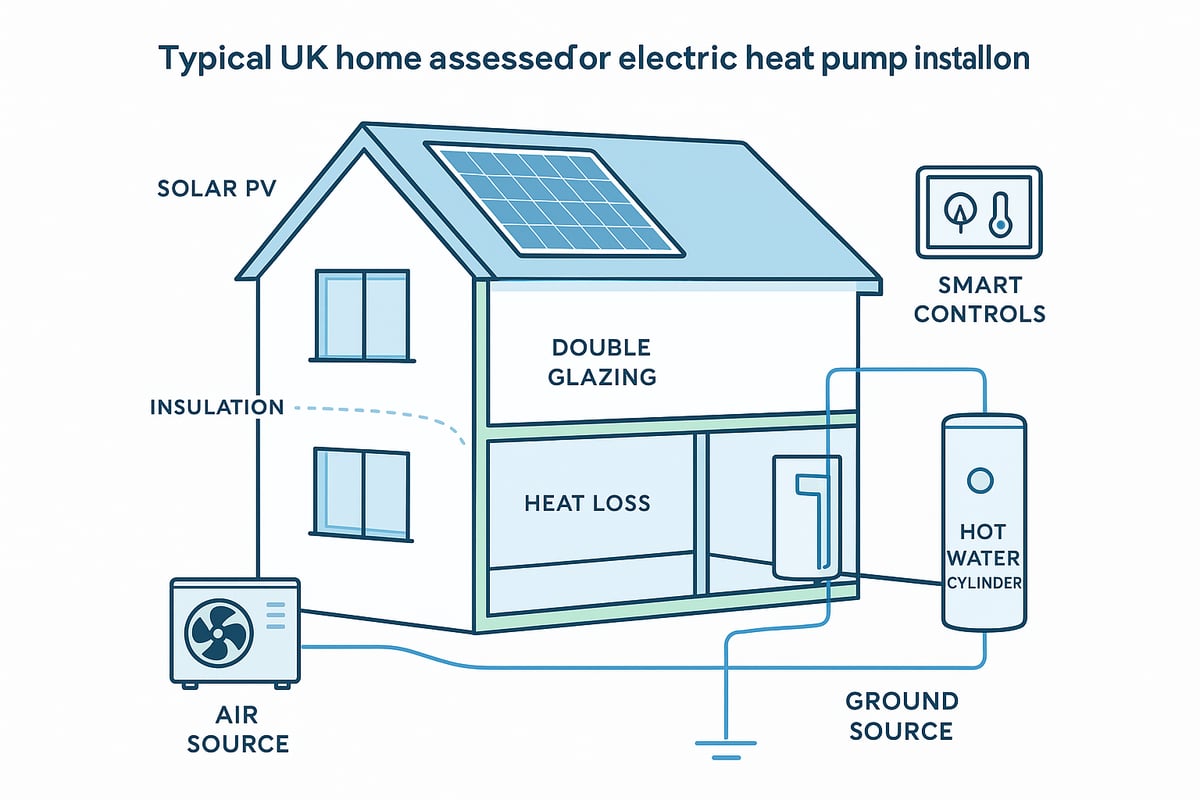
Before committing to an electric heat pump installation, evaluating your home's suitability is essential. Start by checking insulation levels in your loft, walls, and floors. Double glazing and airtightness further reduce heat loss, helping your system run more efficiently.
A room-by-room heat loss calculation is recommended. This involves assessing each space to determine the heating demand, which directly impacts system sizing and performance. For reference, the Standard Assessment Procedure (SAP) rating provides an official measure of your home's energy efficiency. Homes with higher SAP ratings are better candidates for electric heat pump installation.
Key factors to consider:
Improving these areas before your electric heat pump installation can enhance performance, lower running costs, and boost comfort.
Selecting the appropriate system is a key decision in your electric heat pump installation journey. The most common options are air source and ground source heat pumps. Air source units extract heat from outdoor air, while ground source systems use underground pipes to draw warmth from the earth.
Here is a simple comparison:
| Feature | Air Source | Ground Source |
|---|---|---|
| Typical Cost | £7,000–£14,000 | £15,000–£28,000 |
| Installation Time | 2–5 days | 1–2 weeks |
| Space Needed | Small outdoor area | Large garden/land |
| Efficiency (COP) | 3–4 | 3.5–4.5 |
Sizing is crucial. For example, an 8kW air source heat pump is often suitable for a modern 3-bedroom semi-detached home. Always match output to your property’s specific needs for the most effective electric heat pump installation.
A well-designed system ensures your electric heat pump installation delivers comfort and efficiency. Most homes will require a compatible hot water cylinder, as heat pumps operate at lower temperatures than traditional boilers.
Modern controls and smart thermostats allow for precise management and scheduling. Integration with underfloor heating or existing radiators should be considered during the planning phase. For maximum benefit, assess compatibility with solar PV panels or battery storage, which can further reduce your carbon footprint and running costs.
When planning your electric heat pump installation, coordinate with your installer to optimise layout, controls, and future energy upgrades.
Choosing a reputable installer is vital for a safe and efficient electric heat pump installation. Look for companies with MCS (Microgeneration Certification Scheme) accreditation and a strong track record with similar projects.
When comparing quotes, consider not just the price, but also the level of detail in the proposal and the installer’s experience. Always request references from previous customers.
Watch out for these red flags:
A trustworthy installer will guide you through every stage of your electric heat pump installation, from survey to aftercare.
Most electric heat pump installations in the UK fall under permitted development rights, meaning formal planning permission is not usually required. However, there are specific noise limits and minimum distances from property boundaries to observe, especially for air source units.
If your property is listed or in a conservation area, you may need additional approval from your local council. Always check with your installer and local authority to confirm requirements before proceeding with your electric heat pump installation.
Key considerations:
Clarifying these points early will help prevent delays in your electric heat pump installation.
The UK government offers substantial support for electric heat pump installation through schemes such as the Boiler Upgrade Scheme (BUS). Homeowners who meet eligibility criteria can access grants of up to £7,500 for air source systems.
To apply, you will need:
For a full breakdown of available grants and step-by-step guidance, see Air source heat pump grants UK. Taking advantage of these incentives can significantly reduce the upfront cost of your electric heat pump installation.
Embarking on an electric heat pump installation journey involves several clear steps. Each phase is designed to ensure your system is efficient, tailored to your home, and delivers lasting value. Below is a breakdown of the process UK homeowners can expect from start to finish.
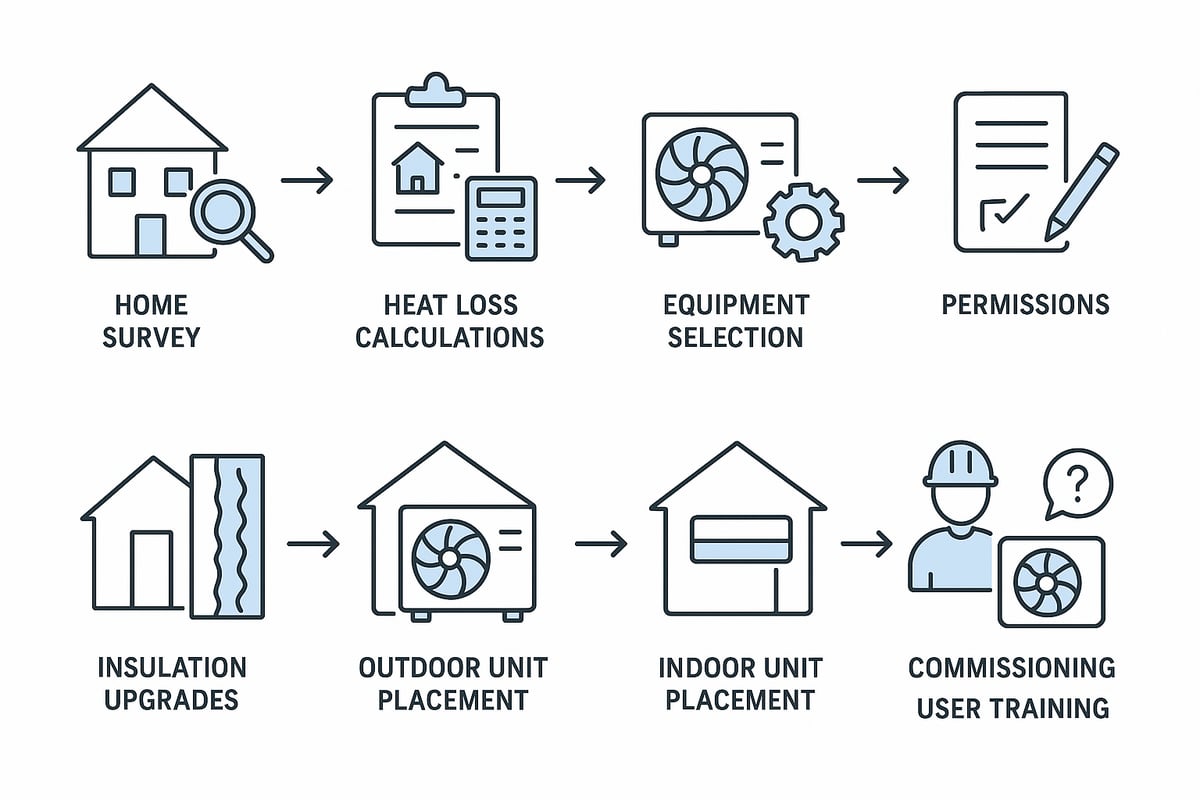
The first step in any electric heat pump installation is a detailed consultation and home survey. An accredited installer will visit your property to assess its suitability for a heat pump system.
They will evaluate insulation levels, window quality, and the age of your building. The installer will also perform heat loss calculations in every room, ensuring the proposed system will meet your heating and hot water needs. This step is crucial for efficiency and long-term comfort.
Pre-Installation Checklist:
During this visit, you will discuss your goals, preferences, and budget. The installer will outline the electric heat pump installation process and answer your questions. By the end, you will have a tailored plan for your home.
After the survey, the installer designs your bespoke system. This includes selecting the appropriate heat pump model, calculating the required output (kW), and planning how the system will integrate with your existing radiators or underfloor heating.
If your home requires hot water provision, the system will include a compatible cylinder. For further insight, see how heat pump and hot water integration works in practice. Smart controls, thermostats, and potential solar PV connections are considered at this stage.
System Design Example:
The electric heat pump installation plan is finalised with CAD drawings and schematics, ensuring every component will work seamlessly in your home.
Before any work begins, planning permissions and grants are addressed. Most UK electric heat pump installation projects fall under permitted development, but factors like property boundaries, listed status, or noise limits may require council approval.
Your installer will guide you through the necessary paperwork, including grant applications such as the Boiler Upgrade Scheme (BUS). Typical approval timelines range from a few weeks to two months, depending on local authority workload and grant processing times.
Grant Application Process:
Securing permissions and grants ensures your electric heat pump installation is compliant and maximises financial support.
Preparation is essential for a smooth electric heat pump installation. This phase may involve upgrading insulation, improving window seals, or carrying out electrical work to support the new system.
The installer will prepare designated spaces for the outdoor and indoor units. Outdoor units require a level concrete base or wall brackets, while indoor units and cylinders need accessible areas with adequate ventilation.
Outdoor Unit Placement Best Practices:
A well-prepared property not only speeds up installation but also optimises system performance and longevity.
Once all preparations are in place, the actual electric heat pump installation begins. Engineers fit the outdoor unit, connect pipework, and install the indoor unit along with the hot water cylinder.
Wiring, controls, and thermostats are connected to complete the system. The process typically takes between two and five days, depending on property size and complexity.
| Task | Typical Duration |
|---|---|
| Outdoor unit installation | 1 day |
| Indoor unit and cylinder | 1 day |
| Pipework and electrics | 1-2 days |
| Testing and commissioning | 1 day |
Throughout installation, the team ensures all work meets MCS standards and manufacturer specifications, resulting in a robust and reliable system.
Commissioning is a vital part of any electric heat pump installation. Engineers perform system checks, including pressure tests, refrigerant levels, and electrical safety.
Controls and thermostats are programmed according to your preferences. The system is tested in both heating and hot water modes to confirm optimal operation.
Handover Checklist:
Thorough commissioning guarantees your new heat pump delivers comfort and efficiency from day one.
The last stage of electric heat pump installation is the final handover. The installer explains routine maintenance, servicing schedules, and warranty conditions. You will learn how to adjust settings for maximum comfort and savings.
A satisfaction survey may be completed to gather feedback. All relevant documentation, including warranty registration and grant compliance forms, is provided.
With comprehensive training, homeowners can confidently operate and maintain their new system, ensuring reliable performance for years to come.
Rising energy prices have prompted many UK homeowners to explore electric heat pump installation as a smart investment. Understanding the costs, financial support, and long-term value is key for making an informed decision. Let us guide you through the crucial considerations.
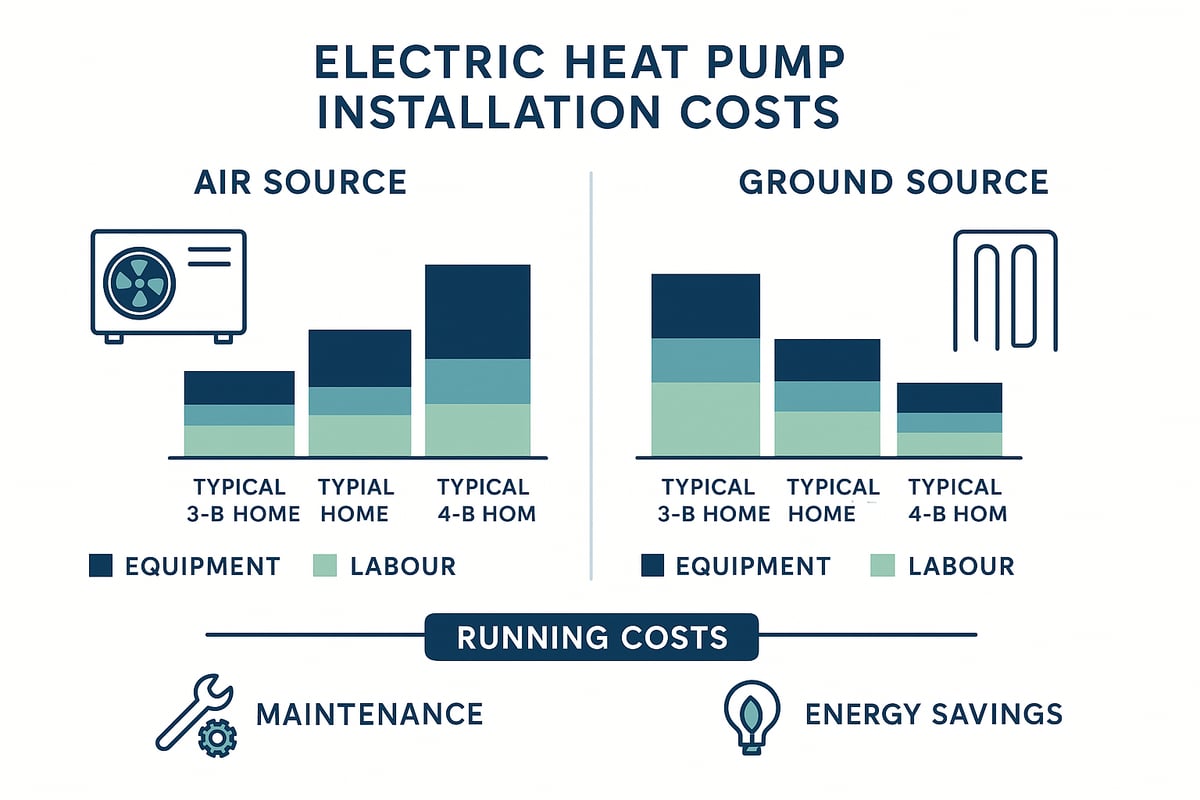
The cost of electric heat pump installation varies based on property size, system type, and existing infrastructure. For air source heat pumps, expect to pay between £7,000 and £14,000. Ground source systems typically range from £15,000 to £28,000 due to more extensive groundwork.
| System Type | Typical Cost Range | Example: 3-bed Home |
|---|---|---|
| Air Source | £7,000–£14,000 | £10,500 |
| Ground Source | £15,000–£28,000 | £21,500 |
Factors influencing the total cost include insulation quality, the need for new radiators or underfloor heating, and the complexity of installation. For a comprehensive breakdown, see air source heat pump installation costs.
The UK government’s Boiler Upgrade Scheme (BUS) provides substantial support for electric heat pump installation. Homeowners may be eligible for grants of up to £7,500 for air source heat pumps, significantly reducing upfront costs.
Eligibility depends on property type, insulation standards, and previous grant usage. The grant is paid directly to your installer, simplifying the process. This financial boost makes heat pumps more accessible and accelerates the transition to greener heating solutions.
Many providers offer finance plans to spread the cost of electric heat pump installation. Typical options start from £20 per week, making the investment manageable for most households.
Compare the pros and cons of financing versus upfront payment:
For a standard air source system at £10,500, financing over five years would cost around £87 per month, factoring in a moderate interest rate. Always check the terms and choose a plan that aligns with your budget and goals.
Switching to electric heat pump installation can deliver annual energy bill savings of £500 to £1,200 compared to traditional gas or oil systems. These savings, combined with the impact of government grants, shorten the payback period.
Most homeowners recoup their investment within 5 to 10 years, depending on property size and energy usage. As energy prices rise, the return on investment improves further. For example, a 4-bedroom home could break even in just seven years, enjoying reduced bills and improved comfort thereafter.
Investing in electric heat pump installation enhances your home’s Energy Performance Certificate (EPC) rating and overall market value. Energy-efficient properties are in high demand, with over 80% of buyers prioritising eco-friendly features.
A higher EPC can make your property more attractive to future buyers and help you stay ahead of upcoming regulations. For further insights on futureproofing and overcoming financial barriers, see Futureproofing UK Homes in 2025.
Ongoing costs for electric heat pump installation are generally lower than for gas or oil systems. Annual servicing typically ranges from £150 to £300, ensuring optimal efficiency and prolonging system life.
Running costs depend on system size and usage but are often 25–50% lower than fossil fuel alternatives. A well-maintained heat pump can save you hundreds each year, maximising the long-term value of your investment.
Keeping your electric heat pump installation running efficiently requires a proactive approach. Knowing how to operate, maintain, and troubleshoot your system will help you maximise comfort and savings, while protecting your investment.
To get the best from your electric heat pump installation, start with the right thermostat settings. Set your heating schedule to match your daily routine and keep the temperature consistent for optimum efficiency.
Using smart controls can further enhance performance. Program your heat pump to pre-warm your home before you wake up, or lower the temperature when you are away. This approach helps you save energy while staying comfortable.
Avoid sudden temperature changes, as these can make the system work harder. Instead, make small adjustments and allow the heat pump to reach the new setting gradually.
Regular maintenance is essential for a reliable electric heat pump installation. Schedule annual servicing by a certified engineer to check refrigerant levels, electrical connections, and system controls.
As a homeowner, you should also carry out basic checks:
Professional servicing keeps your system efficient and protects warranties. For more detailed advice on maintenance, visit Heat pump servicing and maintenance.
Some issues can arise with any electric heat pump installation, but many are easily resolved. Here are the top three:
| Issue | Possible Cause | Solution |
|---|---|---|
| Low heat output | Blocked filter | Clean or replace filter |
| Unusual noise | Debris in outdoor unit | Remove debris, check for obstructions |
| Error code displayed | System fault | Reset unit, consult user manual |
If problems persist, always call a qualified engineer. Avoid DIY fixes for electrical or refrigerant issues, as these require specialist skills.
Maintaining your electric heat pump installation is vital for warranty and grant eligibility. Most warranties require annual servicing by a certified professional. Keep detailed records of all maintenance visits, as these may be needed for grant audits.
Use a simple service log to track dates and engineer details. This documentation ensures that you remain compliant and can access support if needed.
If you received a government grant, regular maintenance is also required to stay eligible for future schemes.
Your electric heat pump installation can be upgraded for even greater benefits. Consider integrating solar PV panels or battery storage to further cut running costs. These upgrades help you stay ahead of future regulations and support the UK's Heat and Buildings Strategy.
Plan ahead by keeping your system compatible with smart home technology. This approach ensures your home remains energy efficient and attractive to future buyers.