No products in the basket.
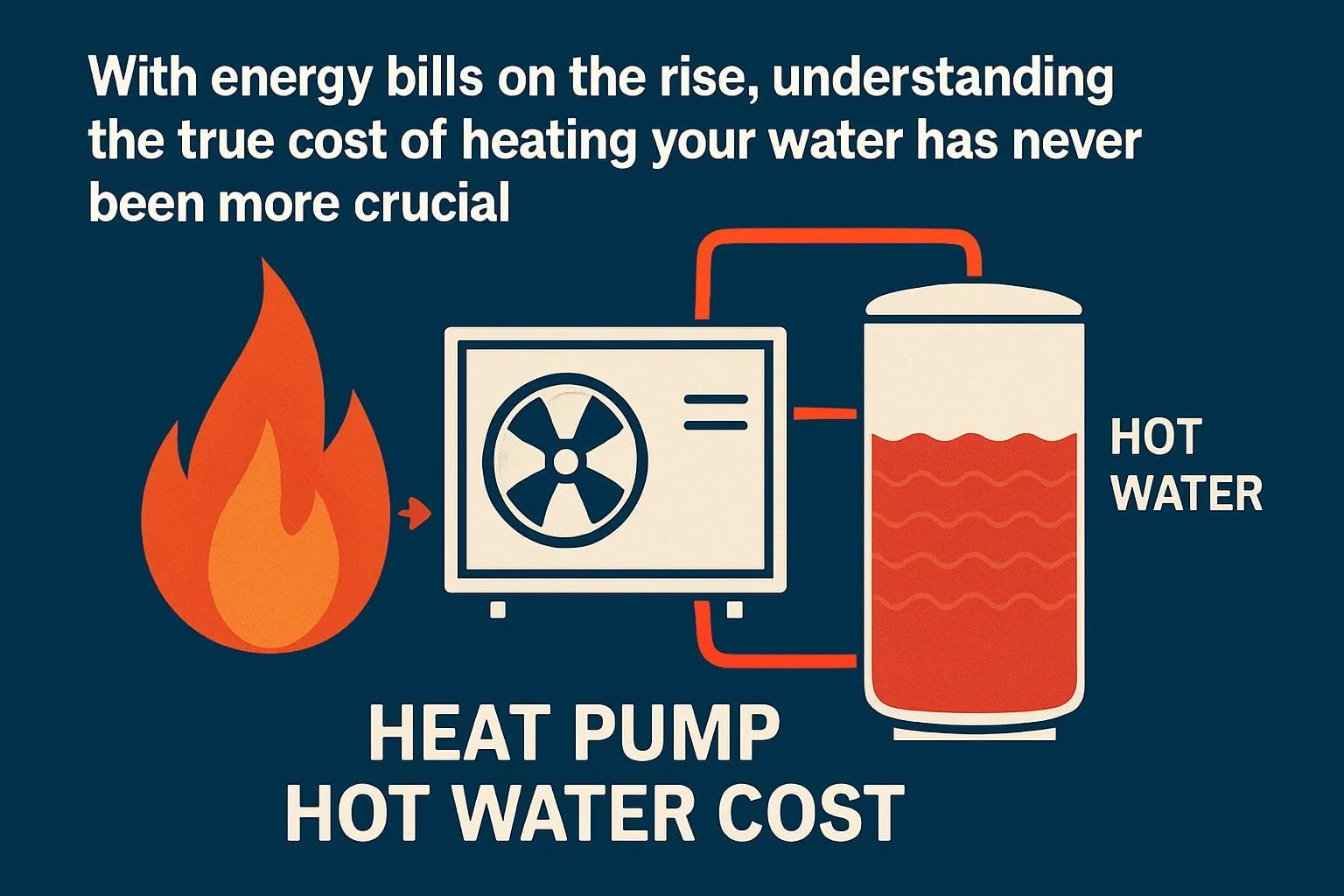
With energy bills continuing to rise across the UK, understanding your true heat pump hot water cost has never been more important. Households are turning to innovative solutions, and heat pump hot water systems are leading the way in boosting home energy efficiency for 2025.
These systems offer substantial savings, a lower carbon footprint, and access to generous government incentives. If you want to cut your bills and reduce your environmental impact, this guide is designed for you.
In this article, you will find a complete breakdown of heat pump hot water cost in 2025. We cover installation, running expenses, savings, grants, and expert tips, helping you make smart, informed decisions for your home.
Heat pump hot water systems are gaining popularity in the UK as homeowners seek to control energy bills and reduce environmental impact. To make an informed decision about heat pump hot water cost, it is vital to understand how these systems operate, their advantages, lifespan, and suitability for different property types.
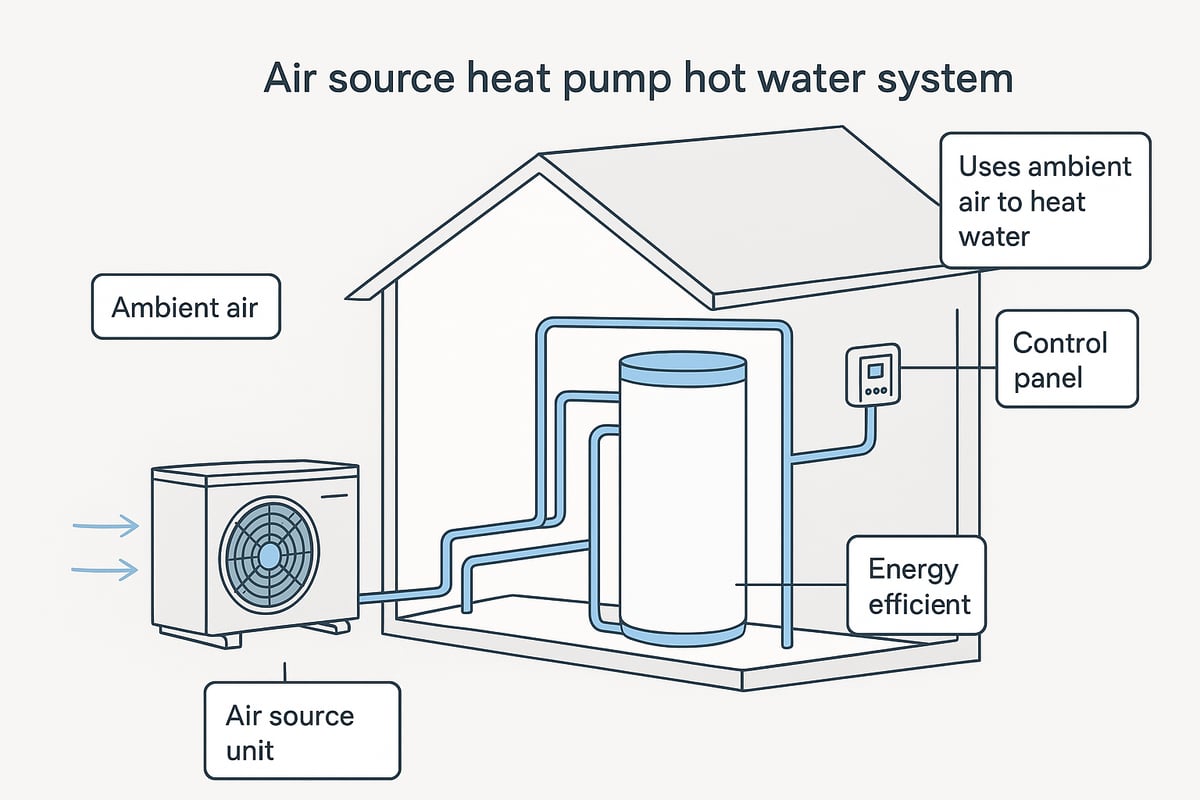
A heat pump hot water system harnesses the energy in ambient air or ground to heat water efficiently. It works by extracting low-grade heat from outside, then using a refrigerant cycle to raise the temperature for use in showers, taps, and appliances.
There are two main types: air source heat pumps and ground source heat pumps. Air source models are the most common choice for UK homes due to their simpler installation and lower heat pump hot water cost. Typical applications include domestic hot water and, in some cases, space heating.
Key components include:
To explore a detailed breakdown of air source system costs, see this Air source heat pump costs UK guide.
Heat pump hot water systems deliver exceptional energy efficiency, often achieving a coefficient of performance (COP) of 3.0 or higher. This means for every unit of electricity consumed, three units of heat are produced, directly impacting heat pump hot water cost savings.
Benefits include:
These advantages make heat pump hot water systems a forward-thinking choice for eco-conscious households aiming to manage their heat pump hot water cost effectively.
The typical lifespan of a heat pump hot water system is 12 to 15 years with regular servicing. Proper maintenance is crucial to keep efficiency high and heat pump hot water cost low over time.
Annual maintenance usually involves:
Most manufacturers offer warranties of 5 to 7 years as standard. Regular servicing, often costing £100 to £200 per year, helps prevent unexpected issues and sustains optimal performance throughout the system’s life.
Heat pump hot water systems are best suited to well-insulated, modern homes, although retrofitting is possible in older properties with upgrades. The external unit requires some outdoor space, while the hot water cylinder may need a dedicated airing cupboard or utility area.
Compatibility with existing heating systems should be assessed before installation to ensure seamless integration and effective heat pump hot water cost management. For example, a semi-detached home that upgraded insulation and installed an air source unit saw improved comfort, lower bills, and a manageable installation process.
Understanding the full heat pump hot water cost is essential for UK homeowners planning a system upgrade in 2025. This section provides a transparent analysis of every expense you might encounter, from installation to ongoing maintenance. Accurate budgeting ensures you maximise both savings and efficiency.
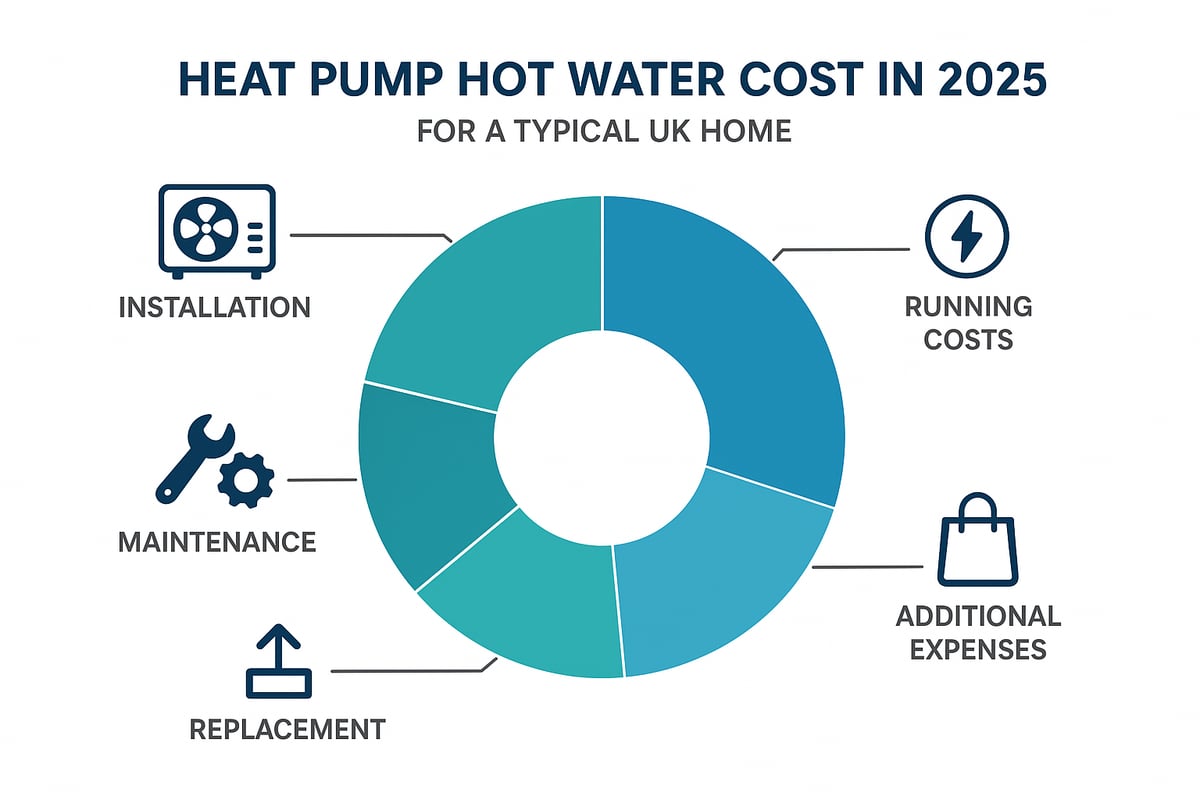
The initial heat pump hot water cost covers equipment, labour, and any necessary upgrades. In 2025, the average installation for an air source system in a three-bedroom UK home ranges from £5,000 to £7,500. This figure depends on the system size, brand, and your property's specific requirements.
Typically, equipment accounts for 60–70% of the total, with labour and setup making up the rest. Factors like cylinder upgrades or bespoke installations can push costs higher. For a detailed breakdown by property type and system size, see the Heat pump installation costs 2025 guide.
Once installed, the ongoing heat pump hot water cost is primarily driven by electricity usage. Most UK households can expect to use between 800 and 1,200 kWh per year, translating to annual running costs of £250 to £400 at 2025 energy prices.
Running costs fluctuate seasonally, with slightly higher consumption in winter. Compared to electric immersion heaters or gas boilers, heat pumps are notably cheaper to run. Households switching from older systems often see significant savings in their energy bills.
Regular servicing is vital to maintaining low heat pump hot water cost over the system's lifespan. Annual maintenance typically costs £100 to £200 and includes checks, cleaning, and efficiency testing.
Occasional repairs or part replacements may arise, especially as the system ages. Many manufacturers offer standard warranties of 5–7 years, while extended warranties provide added peace of mind. Consistent servicing helps prevent breakdowns and sustains optimal performance.
Factoring in long-term heat pump hot water cost means considering replacement and upgrades. Most heat pump units last 12 to 15 years with proper care. Replacing the heat pump itself is less expensive than a full system overhaul, usually costing 60–80% of the original installation.
Upgrading components such as hot water cylinders or smart controls can enhance efficiency. For example, a new cylinder might add £800 to £1,200 to your overall cost but can improve reliability and performance.
Beyond core elements, additional heat pump hot water cost factors include planning, permits, and optional upgrades. While planning permission is rarely required in the UK, exceptions exist for listed properties or unique locations.
Improving insulation or upgrading radiators may be necessary for optimal results, adding to your upfront investment. Accessories like smart controllers (£300 to £500) or anti-legionella features further increase comfort and safety. These extras, though optional, can yield long-term savings and convenience.
Understanding what drives your heat pump hot water cost is crucial for budgeting and long-term planning. Several key factors, from property size to system quality, play a significant role in determining both upfront and ongoing expenses.
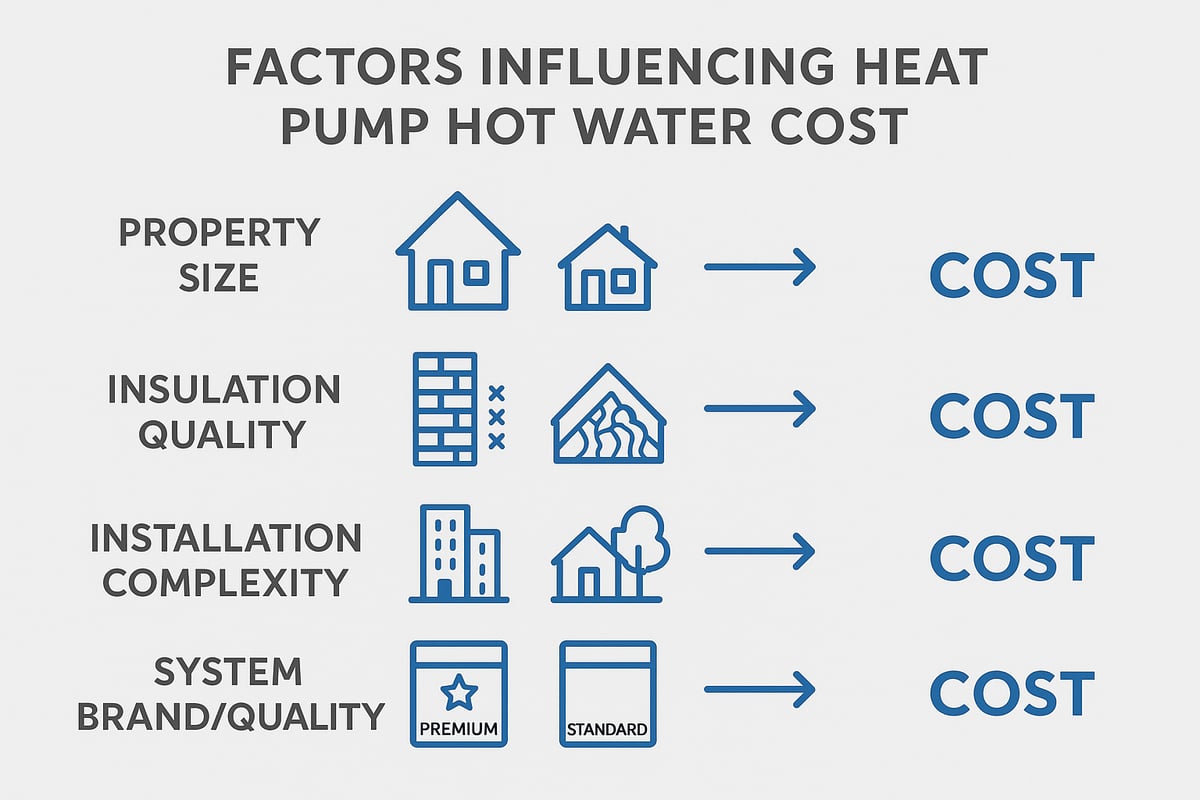
The size of your home and daily water usage are major drivers of heat pump hot water cost. Larger households require bigger cylinders, such as 250L units, while smaller homes may only need 150L. This directly impacts both equipment and running costs.
For example:
Selecting the correct system size is essential for efficiency. For a deeper look at how different homes experience running expenses, the heat pump running cost analysis provides valuable insight into real-world usage patterns and cost variations.
Good insulation is vital to keep your heat pump hot water cost down. If your home loses heat quickly, the system must work harder, raising annual bills. Upgrading loft or wall insulation often pays for itself by reducing energy usage.
Consider these points:
For example, upgrading insulation in an older property can cut hot water energy use by up to 20 percent. Always assess your current insulation before investing in a heat pump system.
The complexity of installing your heat pump system can significantly affect the heat pump hot water cost. Factors like property access, location, and building type all play a role.
Key considerations include:
For example, a straightforward installation in a modern home is typically less expensive than retrofitting an older, listed property with challenging access.
Your choice of system brand and quality also influences the overall heat pump hot water cost. Premium brands may cost 10 to 20 percent more upfront, but they often come with longer warranties and proven reliability.
Consider:
For instance, investing in a top-tier system can reduce the likelihood of repairs and extend the lifespan, ultimately lowering the total cost of ownership.
Securing support for your heat pump hot water cost is easier than ever in 2025. Multiple grants, incentives, and financing plans make upgrading your system more affordable. Understanding your options is the key to maximising savings and reducing upfront expenses.
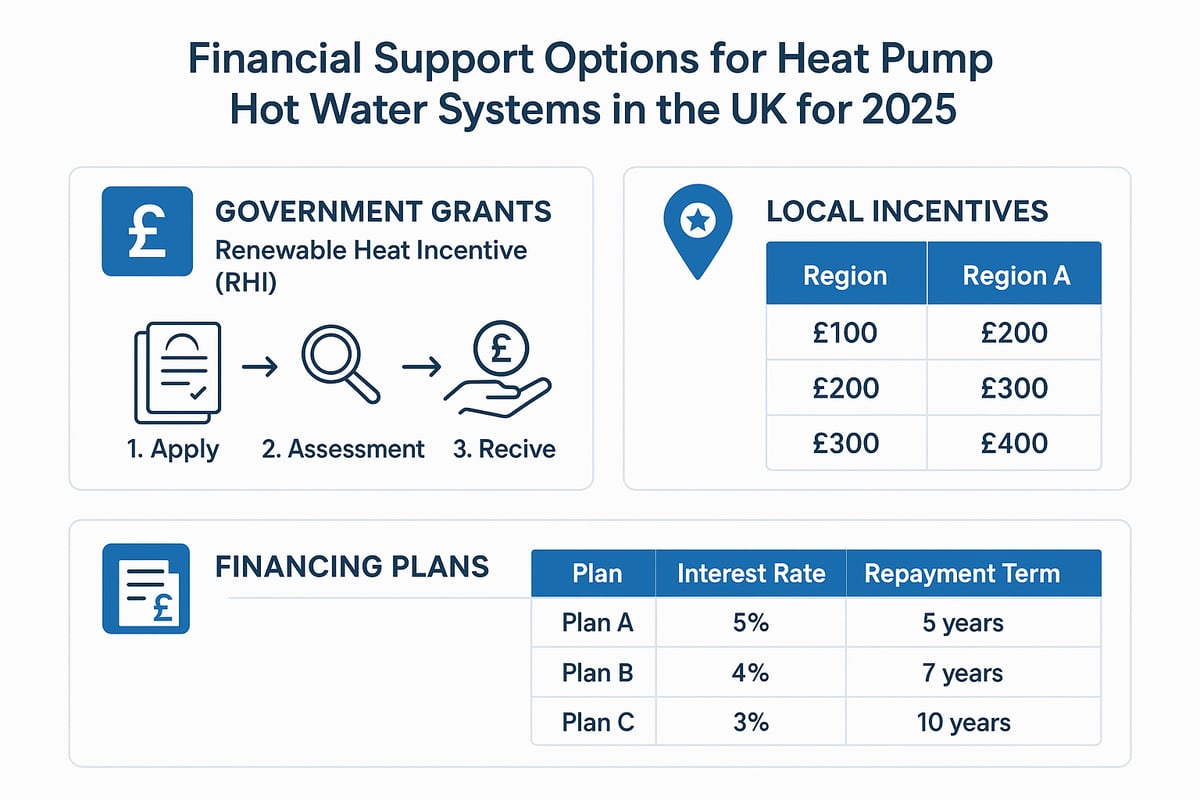
The UK government’s Boiler Upgrade Scheme (BUS) is a cornerstone for reducing your heat pump hot water cost. Homeowners can access grants of up to £7,500 for qualifying air source or ground source installations. To be eligible, your property must meet specific insulation and energy efficiency criteria.
The application process is straightforward, with most grants processed within a few months. Uptake rates increased significantly in 2024–2025, reflecting growing awareness and demand. For further details on eligibility and how to apply, visit the Heat pump grant eligibility page.
Typical grants can reduce the initial heat pump hot water cost by over 50 percent, making a substantial difference to household budgets.
Beyond national grants, energy suppliers and local authorities offer additional support to lower your heat pump hot water cost. Some energy companies provide rebates or bill credits when you install an approved system.
Local authority incentives vary by region but may include extra grants or council tax reductions for eco-friendly upgrades. For instance, several London boroughs have introduced low-carbon heating schemes that complement national programmes.
These combined incentives can make a noticeable dent in your overall heat pump hot water cost, especially when stacked with government schemes.
If you prefer to spread out your heat pump hot water cost, a range of financing options is available in 2025. Many installers offer 0 percent interest loans or green finance packages, often with flexible terms from five to ten years.
Monthly payments can be as low as £20 per week, allowing you to enjoy the benefits of a modern system without a large upfront payment. Financing is subject to approval, but most homeowners find the process accessible and transparent.
Choosing the right plan ensures your heat pump hot water cost remains manageable and predictable, supporting long-term budgets.
Working with an experienced installer is crucial for minimising your heat pump hot water cost. U and I Renewables, a government-approved provider, brings over 17 years of expertise to every project.
They assist homeowners with every step of the grant application process and handle all necessary paperwork for the Boiler Upgrade Scheme. Their flexible finance options are tailored to different budgets and requirements.
By integrating heat pumps with solar and storage solutions, U and I Renewables help you maximise savings and efficiency. Free, no-obligation quotes and fully transparent pricing make it easier to plan your heat pump hot water cost with confidence.
When considering the best way to heat water at home, it's vital to compare all available options. Understanding how heat pump hot water cost stacks up against gas, electric, solar, and hybrid systems can help you make the smartest decision for your property and budget.
The debate between heat pumps and gas boilers is central to the future of home heating. Upfront, heat pump hot water cost is typically higher, with installation averaging £5,000–£7,500, compared to £2,000–£3,000 for gas boilers. However, running costs for heat pumps are significantly lower, especially as gas prices continue to rise.
Over a ten-year period, the savings on energy bills can be substantial. Heat pumps are also far more environmentally friendly, cutting carbon emissions by up to 60% compared to traditional gas systems. For example, an average UK household could save over £2,500 in fuel costs and reduce their environmental footprint with a heat pump system.
| Feature | Air Source Heat Pump | Gas Boiler |
|---|---|---|
| Upfront Cost | £5,000–£7,500 | £2,000–£3,000 |
| Annual Running Cost | £250–£400 | £500–£650 |
| CO2 Emissions | Very Low | High |
| Maintenance | £100–£200/year | £100–£200/year |
Electric immersion heaters are simple and widely used, but their efficiency is much lower. The heat pump hot water cost for running is about £250–£400 per year, while immersion heaters can cost £600–£800 annually due to their direct electricity use.
Heat pumps use three times less energy to produce the same amount of hot water, making them a better fit for anyone looking to lower their bills. For off-grid homes, heat pumps provide a reliable, cost-effective, and green alternative to electric-only solutions.
Solar thermal systems harness the sun to heat water, offering a renewable solution that can complement or replace other systems. The heat pump hot water cost is higher upfront than solar thermal but offers year-round reliability, even in cloudy weather.
Solar thermal can cover up to 60% of a household’s annual hot water needs, but often requires a backup system for winter months. While solar thermal installation costs are generally lower, the combined use of both technologies can maximise savings and efficiency.
Hybrid systems, which combine heat pumps with solar PV, batteries, or other renewables, deliver the best of all worlds. These setups can further reduce heat pump hot water cost, improve energy independence, and shorten payback periods.
For a comprehensive overview of how these integrated solutions work, visit the Renewable heating system overview page. Integrated systems are ideal for those seeking the lowest possible running costs and maximum environmental benefits. With careful planning, a whole-house renewable approach can deliver a return on investment in as little as seven years, making it a smart choice for forward-thinking homeowners.
Reducing your heat pump hot water cost is not just about choosing the right system. It is about optimising every aspect, from sizing and settings to insulation, tariffs, and ongoing maintenance. Here, we break down the key strategies UK homeowners can use to maximise efficiency and keep bills low in 2025.
Correct system sizing is critical for controlling heat pump hot water cost. Oversized units waste energy, while undersized systems struggle to meet demand. Work with an installer who calculates your household’s hot water needs, considering the number of occupants and usage patterns.
Optimising these factors reduces unnecessary energy use and helps you save money throughout the year.
Upgrading your insulation directly impacts heat pump hot water cost by minimising heat loss. Well-insulated homes require less energy to keep water hot, making every kilowatt go further.
After insulation upgrades, many homeowners see a 10–15% reduction in energy use, which is a significant saving over the system’s lifetime.
Leveraging off-peak tariffs can lower your heat pump hot water cost without changing your daily routine. Many UK energy suppliers offer time-of-use rates, making it cheaper to heat water at night or during low-demand periods.
With careful scheduling, households can save £50–£100 per year simply by shifting usage to cheaper times.
Ongoing maintenance is essential for keeping your heat pump hot water cost as low as possible. Annual servicing ensures efficient operation, extends system lifespan, and prevents costly breakdowns.
Explore water cylinder servicing and upgrades to maintain peak system performance and protect your investment.