No products in the basket.
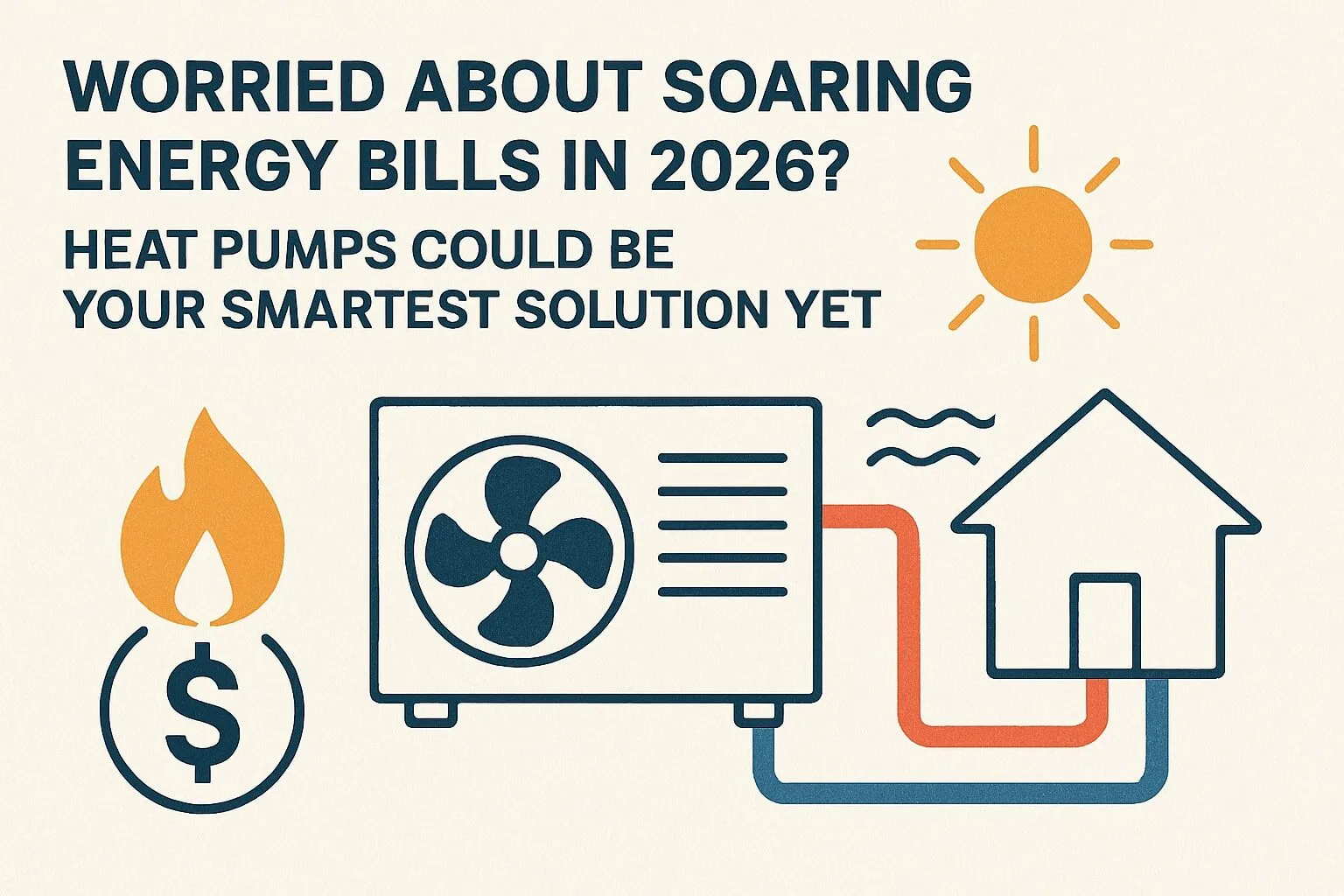
Worried about your energy bills skyrocketing in 2026? You are not alone. With prices on the rise, many UK homeowners are searching for the most effective ways to cut costs.
Heat pumps are emerging as a leading solution. Their popularity is growing rapidly, thanks to their impressive efficiency and strong government backing. This guide will break down everything you need to know about heat pump energy cost, from installation and running expenses to real-world savings and smart optimisation strategies.
Discover how to make informed decisions, take advantage of incentives, and secure a warmer, more affordable home. Take control of your energy future, starting today.
Rising energy bills have made heat pump energy cost a top concern for UK homeowners. Understanding what shapes these costs in 2026 can help you make smarter choices, maximise savings, and plan for the future. Let’s break down the key factors affecting your bills, the latest price trends, installation costs, and the long-term benefits of switching to a heat pump.
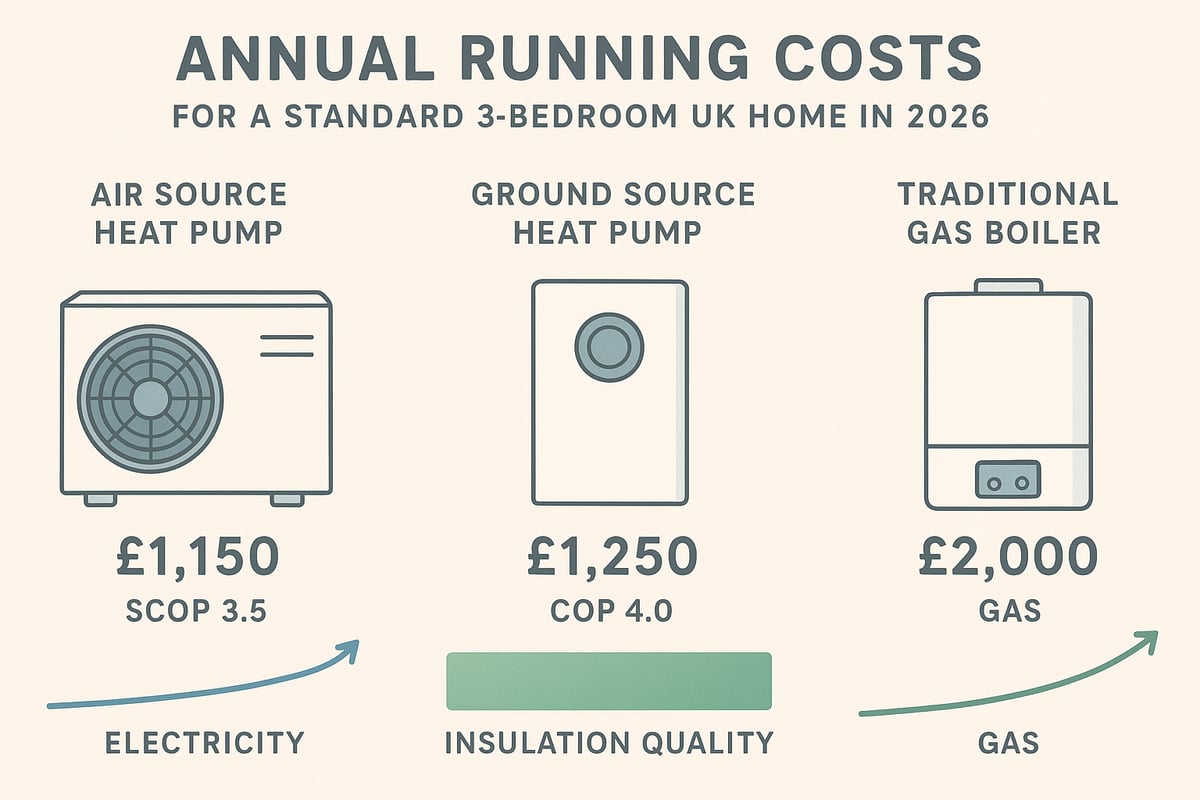
Several factors will influence your heat pump energy cost in 2026. Electricity prices remain the main driver, with regional differences across the UK. The type of system you choose—air source or ground source—also matters, as ground source models typically offer higher efficiency but at a greater upfront cost.
Efficiency ratings such as SCOP (Seasonal Coefficient of Performance) and COP (Coefficient of Performance) directly affect operating costs. Higher-rated systems use less electricity to provide the same heat output. The size and insulation level of your property further impact the heat pump energy cost, as poorly insulated or larger homes require more energy.
Compared to gas boilers, heat pumps already offer lower running costs for many households. According to the Energy Saving Trust, a typical 3-bedroom semi-detached home pays around £900–£1,200 per year for air source heat pump running costs, compared to £1,400–£1,800 for a gas boiler. For more in-depth figures, see Air source heating running costs.
| System Type | Typical Annual Running Cost (2026) | Efficiency (SCOP) |
|---|---|---|
| Air Source Heat Pump | £900–£1,200 | 3.0–3.5 |
| Ground Source Heat Pump | £800–£1,000 | 3.8–4.5 |
| Gas Boiler | £1,400–£1,800 | 0.9 |
Looking ahead to 2026, energy prices are expected to remain volatile. Forecasts suggest electricity rates may stabilise, while gas prices could climb due to supply constraints and green levies. Government policy, including increased renewable energy adoption, is also shaping the market and could make the heat pump energy cost even more competitive.
Reports from the National Grid and BEIS highlight the growing share of renewables in the UK grid, which may help temper long-term electricity price rises. These trends increase the value proposition of heat pumps, as gas heating becomes less attractive both financially and environmentally.
If electricity continues to decarbonise and gas prices rise, the heat pump energy cost will become increasingly favourable compared to traditional systems. Homeowners should watch for updates from Ofgem and other regulators for the latest price projections.
Understanding the full heat pump energy cost means looking beyond just running costs. Installation expenses for air source heat pumps typically range from £7,000 to £13,000, while ground source systems can reach £18,000 to £30,000 due to extensive groundworks.
Breakdown of installation costs:
The typical payback period, based on 2026 energy prices, ranges from 7 to 12 years. For example, if your annual savings versus a gas boiler reach £600, a £9,000 air source heat pump could pay for itself in 10–12 years. Compared to a new gas boiler (around £3,000–£5,000), the upfront investment is higher, but the long-term heat pump energy cost is lower.
Annual servicing is essential to keep your heat pump running efficiently and to manage your heat pump energy cost. Expect to pay £150–£250 per year for professional maintenance, which includes checking refrigerant levels, cleaning filters, and inspecting electrical components.
Modern heat pumps have a lifespan of 15–20 years, often outlasting traditional boilers. Many manufacturers offer warranties of 5–7 years, with options to extend. Over a decade, total maintenance costs for heat pumps are often lower than for boilers, which can require more frequent repairs.
For example, the 10-year total cost of ownership for a heat pump (including servicing) typically stays below £2,500, while a gas boiler may exceed £3,000 due to breakdowns and higher fuel costs. This makes the long-term heat pump energy cost more predictable and manageable.
Switching to a heat pump significantly reduces your carbon footprint. The average UK household can cut CO2 emissions by 2–3 tonnes per year compared to a gas or oil boiler. This environmental benefit comes alongside financial gains, as the running cost of a heat pump is often 30–40% lower than fossil fuel systems.
Heat pump energy cost savings can also increase your property’s value, as energy efficiency becomes more desirable. Homeowners may be eligible for government grants and green incentives, which further improve the financial case. For example, a family upgrading to a heat pump in 2026 could save up to £600 annually on bills and reduce their carbon output by nearly 3 tonnes.
In summary, the heat pump energy cost in 2026 is shaped by electricity rates, system efficiency, installation and maintenance expenses, and the growing support for greener homes. By understanding these elements, you can make informed choices that benefit both your wallet and the environment.
Upgrading to a heat pump is only the first step in reducing your heat pump energy cost. To unlock the full savings potential, you need to focus on system selection, home improvements, smart controls, regular upkeep, and expert support. Here’s how to maximise efficiency and get the most from your investment.
Selecting the correct system is vital for managing your heat pump energy cost. The right size ensures efficient heating without unnecessary electricity use. Air source heat pumps suit most UK properties, while ground source options offer higher efficiency but at a higher price.
Consider compatibility with your existing radiators or underfloor heating. Oversized or undersized units can reduce performance and increase running costs. For example, a three-bedroom Yorkshire home upgraded to a properly sized air source heat pump saw lower bills and improved comfort.
Key factors:
A tailored approach is the foundation of savings.
Good insulation is essential for reducing your heat pump energy cost. Well-insulated homes keep warmth in, so your heat pump works less to maintain comfort. Upgrades to windows, doors, and loft insulation can make a dramatic difference.
Modern radiators or underfloor heating distribute warmth efficiently. For instance, improving loft and wall insulation in an average semi-detached house can cut heating energy use by up to 25 percent.
Insulation checklist:
Maximising insulation amplifies your heat pump’s benefits.
Smart controls are a game-changer for heat pump energy cost management. Smart thermostats and zoning let you heat only rooms in use and schedule heating for off-peak electricity periods. Monitoring and adjusting settings helps maintain efficiency and comfort.
Programming your system to run during cheaper tariff times is a proven way to save. According to heat pump efficiency and savings, integrated smart controls can slash annual running costs by up to 15 percent.
Best practices:
Adopting smart habits pays dividends year-round.
Regular upkeep is key to keeping your heat pump energy cost low. Annual servicing spots issues before they escalate and ensures peak performance. Upgrading key components, like pumps and controls, can boost efficiency over time.
A simple maintenance schedule:
For example, a decade of consistent maintenance helps prevent costly breakdowns and keeps running costs predictable. Well-maintained systems deliver reliable, efficient heat for years.
Expert installation and support make a measurable difference to your heat pump energy cost. U and I Renewables brings over 17 years of experience, offering government-approved solutions and access to grants up to £7,500.

From initial assessment to aftercare, they deliver tailored options for Yorkshire and UK homeowners. Finance plans help spread installation costs, making upgrades more accessible.
A recent client in Leeds cut their annual bills by 50 percent after switching with U and I Renewables. Professional advice and ongoing support ensure your system delivers lasting value and savings.
Government support remains vital to making heat pumps affordable in 2026. With energy prices fluctuating, grants and incentives can significantly reduce your heat pump energy cost. Understanding your options is key to maximising value.
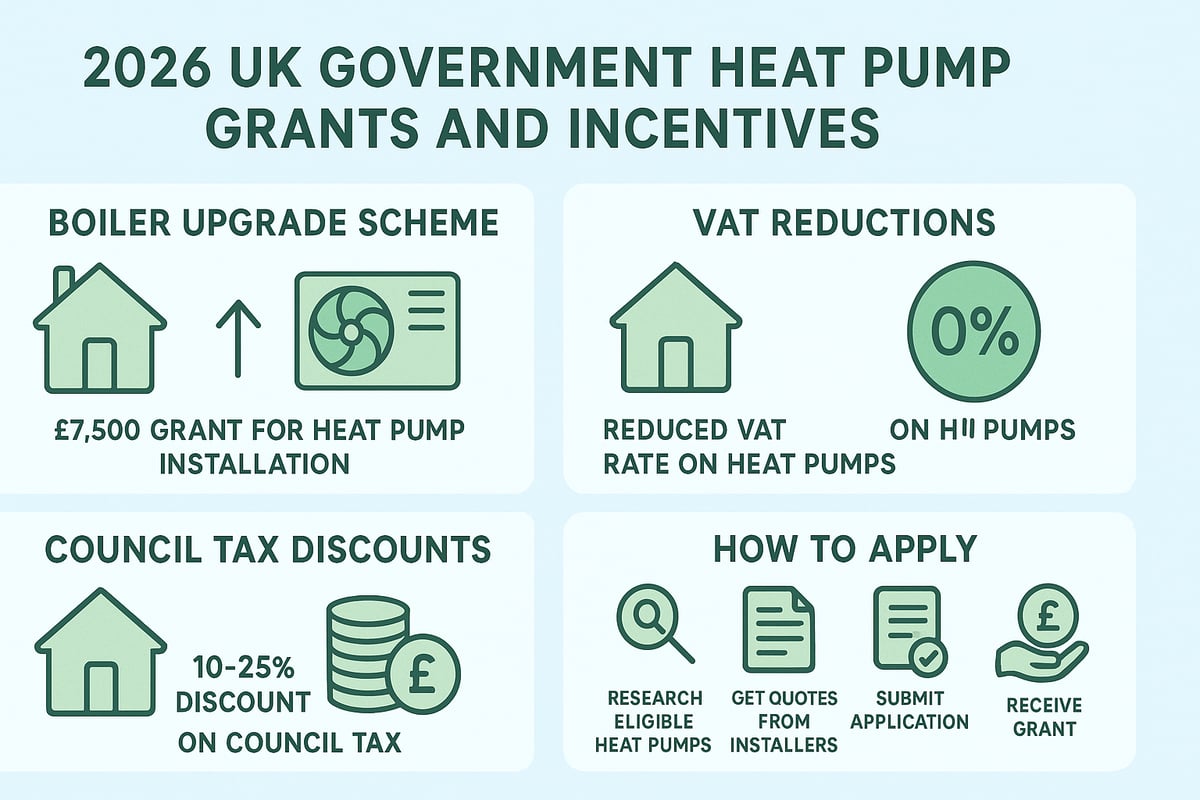
The Boiler Upgrade Scheme (BUS) continues to offer substantial support for homeowners adopting heat pumps in 2026. Typical grant values reach up to £7,500, covering a significant part of the upfront installation cost. Eligibility requires property ownership and meeting minimum energy performance standards, such as a valid EPC without major insulation gaps.
Applying is straightforward: choose an MCS-certified installer, receive a quote, and let the installer manage the application on your behalf. Timelines vary, but decisions are usually made within weeks.
For a detailed breakdown of current grants and how they lower your heat pump energy cost, visit the Heat pump grants and incentives resource. One Yorkshire homeowner recently secured a £7,500 grant, slashing their initial investment and making the switch more affordable.
Tax breaks further reduce the heat pump energy cost for UK homeowners. The government continues to offer a 0% VAT rate on heat pump installations, making new systems even more accessible. Some local authorities provide council tax discounts for homes improving their energy efficiency with heat pumps.
Energy suppliers may also incentivise green upgrades with special tariffs or cashback offers. Combining these benefits can lead to substantial savings. For example, a homeowner in Sheffield paired a £7,500 grant with VAT exemption and a green tariff, resulting in an overall 30% reduction in heat pump energy cost.
Securing grants to offset your heat pump energy cost is a structured process. First, assess whether your home meets eligibility criteria, such as insulation standards and ownership status. Next, gather essential documents, including your EPC, proof of address, and at least one installer quote.
Submit your application through your chosen installer, who will handle most of the paperwork. Follow up as needed and avoid common mistakes like missing deadlines or incomplete documentation. Most applicants move from submission to installation in two to three months. One family in Leeds completed the process in just eight weeks, thanks to careful preparation.
Looking ahead, government support for heat pump energy cost reductions is expected to evolve. The UK's net-zero targets will likely drive continued or even expanded funding for renewable heating. However, grant values and eligibility criteria may be adjusted as adoption rates grow.
Industry bodies anticipate a shift toward more targeted support, rewarding the most energy-efficient homes. Homeowners should stay informed about changes to avoid missing out on future incentives. Regularly checking official updates and consulting with accredited installers will ensure you make the most of every opportunity.
Real-world experiences provide the clearest picture of heat pump energy cost savings. Across the UK, households are reporting significant reductions in both their energy bills and their carbon footprint after switching to heat pumps. Let us explore data, stories, and lessons from those who have already made the change.
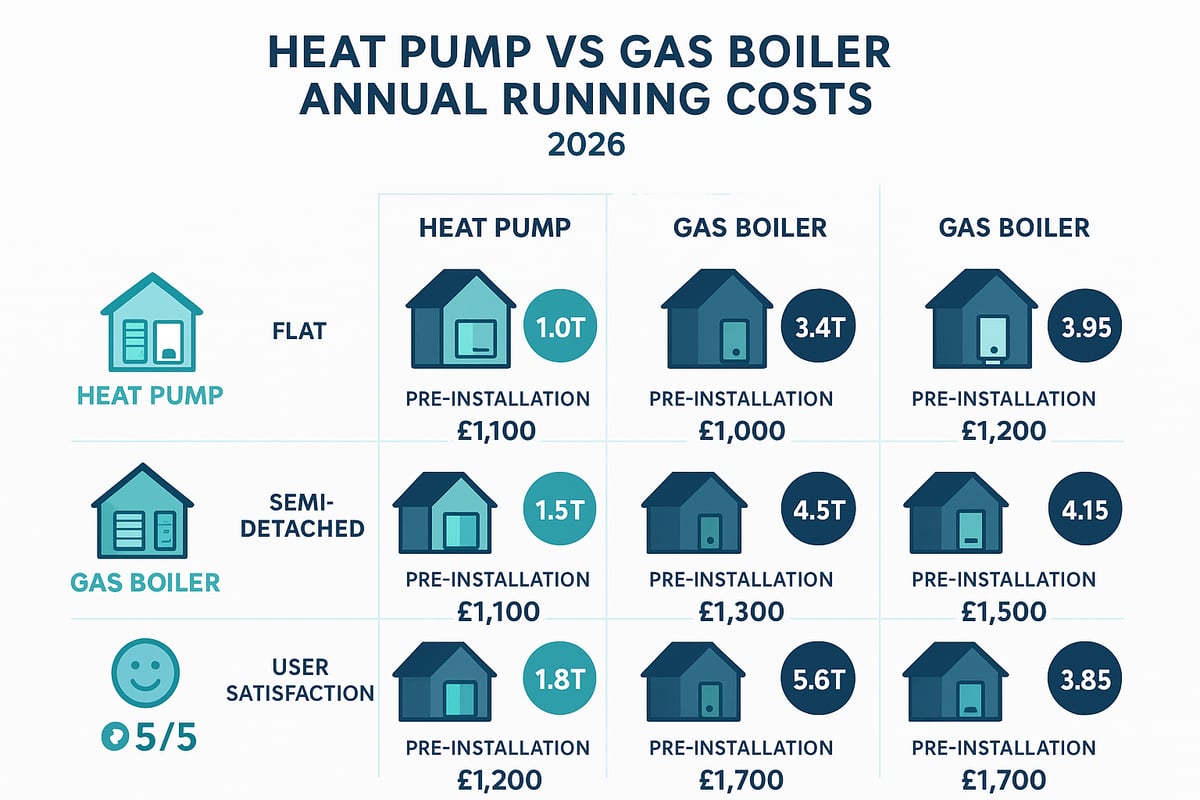
Many UK homeowners have found that heat pump energy cost savings are both tangible and immediate. Take, for example, a three-bedroom semi-detached house in Yorkshire. Before installing an air source heat pump, the household’s annual energy bill was £2,100. After installation, this dropped to £1,200, a saving of over £900 per year.
Feedback highlights improved comfort and quieter operation compared to the old gas boiler. Homeowners note that proper insulation is key to maximising savings. Lessons learned include the importance of choosing the right installer and understanding the system controls early on.
Understanding heat pump energy cost versus traditional systems is crucial. Below is a comparative table using 2026 figures for a detached property:
| System | Annual Cost (£) | 5-Year Cost (£) | 10-Year Cost (£) |
|---|---|---|---|
| Air Source Heat Pump | 1,150 | 5,750 | 11,500 |
| Gas Boiler | 1,750 | 8,750 | 17,500 |
| Oil Boiler | 2,150 | 10,750 | 21,500 |
For a deeper dive into projected cost differences, see this Heat pump cost comparison 2026. These figures reveal that heat pump energy cost savings can be substantial, especially as gas and oil prices rise.
Switching to a heat pump can reduce the average UK household’s carbon emissions by up to 2.5 tonnes per year. This reduction in heat pump energy cost extends beyond pounds and pence, contributing to national net-zero goals.
If one million homes adopt heat pumps by 2026, the collective impact could be a 2.5 million tonne annual CO2 reduction. For a typical estate, this translates to greener neighbourhoods and improved air quality.
Most users report satisfaction with comfort levels and the reliability of their systems, with heat pump energy cost savings often exceeding expectations. However, some challenges do arise:
Solutions include proper commissioning, regular maintenance, and joining user forums for support. One Yorkshire homeowner overcame cold weather concerns by upgrading insulation and adjusting settings, leading to consistent warmth and lower bills.
Community and social housing projects offer valuable insights into heat pump energy cost at scale. City-wide schemes in Scotland have shown aggregated energy savings of up to 45% compared with gas heating.
These deployments reveal that coordinated planning, bulk purchasing, and resident education are essential for success. For private homeowners, the lesson is clear: learning from public sector schemes can enhance the value and reliability of your own installation.
Cutting your heat pump energy cost in 2026 requires a strategic approach. By following these five smart steps, you can make the most of your investment and ensure your system delivers maximum value year after year.
Begin by evaluating your property’s suitability for a heat pump. Check your insulation levels, as well-insulated homes see the greatest reduction in heat pump energy cost. Review your existing heating system and available space for the unit and possible hot water cylinder.
An up-to-date Energy Performance Certificate (EPC) is often required for grants and gives insight into your home’s energy efficiency. Consider booking a professional assessment, which can be free or paid, to identify any areas that need improvement before installation. Addressing issues at this stage ensures you unlock the full savings potential from day one.
Researching your options is vital to controlling your heat pump energy cost. Explore both air source and ground source systems, as each has unique benefits and price points. Gather multiple quotes from accredited installers and ask for a detailed breakdown of installation, equipment, and aftercare costs.
Key questions to ask suppliers include:
For a comprehensive breakdown of expenses, see this cost of heat pump installation resource. Comparing offers side by side helps you make an informed decision and avoid hidden charges.
Offsetting your initial outlay is easier in 2026, thanks to generous government grants and flexible finance options. Identifying all available schemes early is key to minimising your heat pump energy cost. The Boiler Upgrade Scheme may provide up to £7,500, while many installers offer finance plans with manageable repayments.
Combine grants and finance to potentially achieve zero upfront cost. Look out for application deadlines and eligibility rules. For the latest support and application details, check the UK government heat pump incentives 2026 page. Taking advantage of these opportunities can significantly reduce your financial burden.
Proper planning ensures your heat pump installation is smooth and your heat pump energy cost savings start immediately. Prepare your home by clearing space for the outdoor unit and making sure installers have clear access to electrical and plumbing points.
Discuss the installation timeline with your supplier and ask for a schedule outlining each stage. To minimise inconvenience, plan for work during a period when heating demand is lower, and make temporary arrangements if there will be a brief interruption to hot water or heating. Careful preparation keeps everything on track and avoids unnecessary delays.
After installation, focus on optimising your system for ongoing efficiency. Set up smart controls, such as programmable thermostats and zoning, to tailor heating to your household’s needs. Regularly monitor your energy consumption and review your bills to ensure your heat pump energy cost stays as low as possible.
Join online communities for tips, troubleshooting, and advice from other owners. Continuous learning and small adjustments can unlock further savings over time, helping you get the best return from your investment.
Curious about how the heat pump energy cost landscape will evolve in the coming years? As 2026 approaches, understanding future trends is crucial for homeowners planning to invest in sustainable heating. Let us explore what lies ahead by examining policy shifts, new technologies, market changes, and steps you can take to stay ahead.
Government commitment to net-zero targets is shaping the future of heat pump energy cost in the UK. By 2030, the ambition is to install millions of heat pumps, supported by evolving policies and substantial funding. These initiatives aim to phase out fossil fuel heating, encourage uptake, and ensure affordability.
Recent whitepapers and industry forecasts highlight the importance of stable incentives, such as the Boiler Upgrade Scheme and potential new grants. According to the Heat pump investment roadmap, strategic investments are set to accelerate adoption and drive down costs for consumers. Keeping an eye on policy updates is essential, as changes may directly affect both installation and running costs.
Technology is advancing rapidly, promising to further reduce heat pump energy cost for UK households. Next-generation heat pumps are achieving higher efficiency ratings and improved performance in cold climates. Integration with solar PV panels and battery storage is becoming more accessible, allowing homeowners to generate and store their own electricity.
Hybrid systems, which combine heat pumps with traditional boilers or alternative heat sources, offer flexibility and ultra-low running costs. Manufacturers are also focusing on smart controls and connectivity, making it easier to optimise system performance and lower bills. These technical improvements are set to make heat pumps even more attractive over the coming decade.
The decarbonisation of the UK electricity grid is a major factor in future heat pump energy cost. As renewable generation increases, electricity is expected to become cleaner and, potentially, cheaper during off-peak periods. Flexible tariffs are already emerging, allowing homeowners to benefit from lower rates when demand is low.
Predicted changes in peak and off-peak pricing structures mean that using smart controls to shift heat pump operation can have a significant impact on total costs. For those interested in understanding how hot water contributes to overall expenses, resources like Heat pump and hot water costs provide valuable insights. Monitoring market trends and adapting usage patterns will be key for maximising savings.
To future-proof your home against rising energy prices, it is vital to stay informed about heat pump energy cost trends and new opportunities. Begin by improving insulation and upgrading heating controls. Take advantage of grants and incentives as they become available, and consider systems compatible with future technologies like battery storage.
Ongoing education is crucial. Join homeowner forums, subscribe to energy newsletters, and consult trusted installers for updates. By acting now and making informed choices, you can secure both environmental and financial benefits for years to come.