No products in the basket.
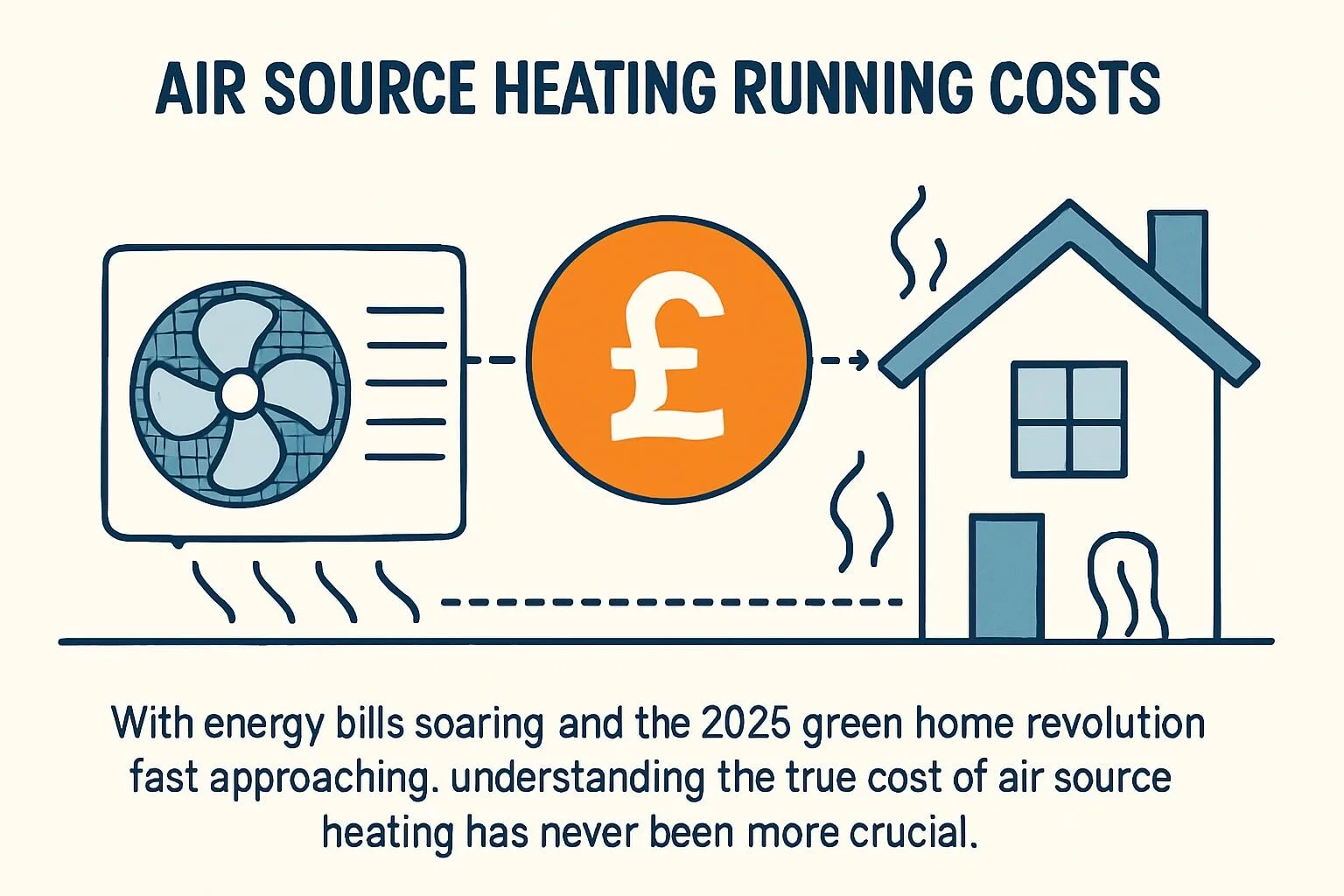
With energy bills on the rise and the 2026 green home revolution fast approaching, many UK homeowners are asking a vital question: what are the real air source heating running costs? As government incentives and new regulations reshape the market, understanding the financial impact of these systems is more important than ever.
This expert guide will demystify air source heating running costs for 2026. You will discover what drives your bills, see up-to-date averages, and learn how to maximise savings. We will break down the facts, compare options, and offer practical steps to help you cut costs. Ready to future-proof your home and take control of your energy spend? Let’s get started.
Understanding air source heating running costs in 2026 begins with knowing how these systems function in modern UK homes. Let us break down the technology, its growing role, and why it is crucial for future-ready households.
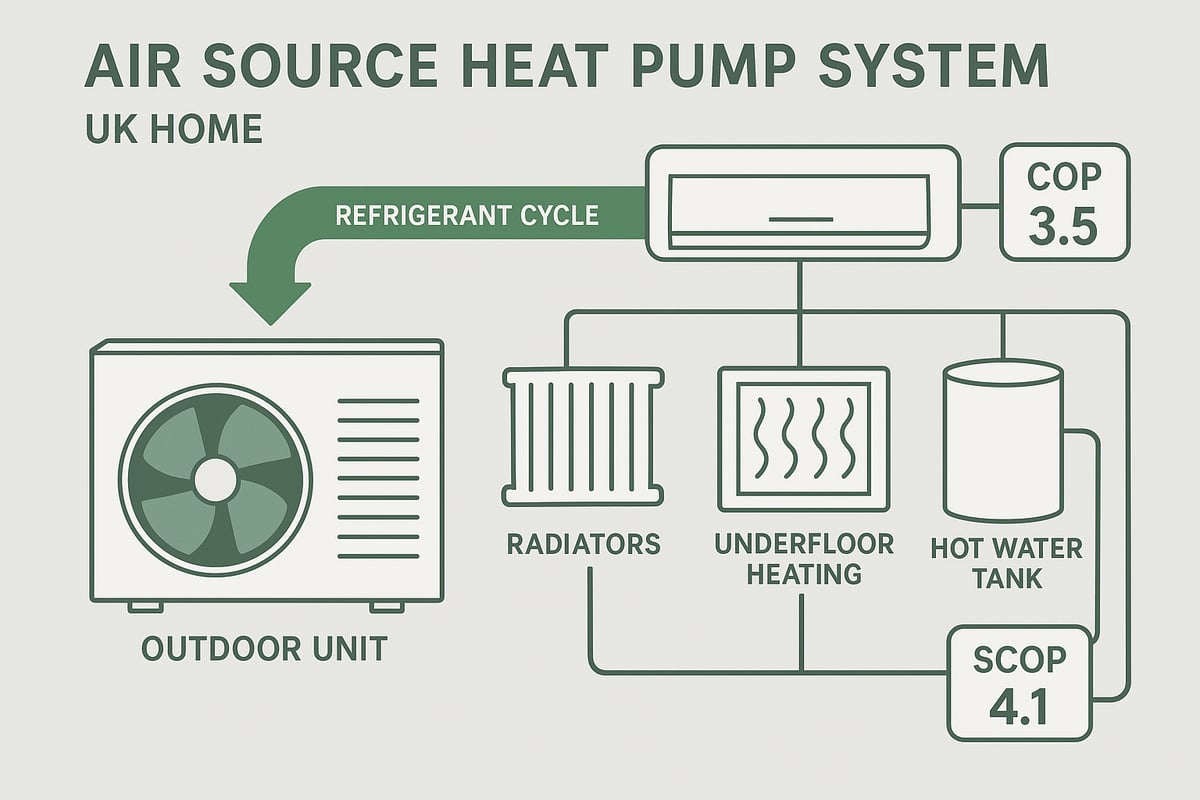
Air source heat pumps work by extracting heat from the outside air and transferring it indoors, even in cold conditions. They use a refrigeration cycle, powered by electricity, to move heat rather than generate it directly. The two main types are air-to-water systems, which provide heating and hot water, and air-to-air systems, which heat spaces via fans.
Modern 2026 models are highly efficient, reaching up to 400% efficiency (COP of 4). This means for every 1kWh of electricity used, up to 4kWh of heat is delivered. Efficiency is measured by COP (instantaneous) and SCOP (seasonal). New units outperform older models due to better compressors and refrigerants. UK climate can impact performance, but even in winter, these systems remain cost-effective.
For a deeper dive into technology and air source heat pump running costs UK, explore specialist guides for real-world figures and examples.
In 2026, air source heat pumps are central to the UK's green home revolution. National targets aim for widespread adoption, with government policies such as grants and incentives driving uptake. Grid decarbonisation means electricity is cleaner, reducing the carbon footprint of heat pumps over time.
By 2026, heat pumps play a pivotal role in achieving EPC and Net Zero goals for UK homes. The government expects over 1.5 million homes to be equipped with heat pumps, reflecting a major shift from fossil fuel heating. These changes directly affect air source heating running costs, making them more competitive and sustainable.
The evolving energy landscape sets the stage for cost savings and environmental impact.
Air source heat pumps are suitable for various properties, from new builds to retrofits. They integrate smoothly with underfloor heating, radiators, and domestic hot water systems. Proper system sizing is critical to ensure peak efficiency and manageable air source heating running costs.
A common scenario is retrofitting a 3-bed semi-detached home. Here, the heat pump can be tailored to existing radiators or upgraded heating systems. Customisation ensures comfort and optimised performance.
System setups vary, but with correct installation, most UK homes can benefit from consistent warmth and lower bills.
The main advantages include substantial energy savings, reduced emissions, and low maintenance needs. Air source heat pumps offer a future-proof alternative to gas boilers and direct electric heating, often resulting in lower air source heating running costs.
Limitations to consider are the initial upfront cost, some operational noise, and space for the outdoor unit. Compared to traditional systems, heat pumps use less energy and can qualify for government incentives. Common misconceptions, such as poor performance in winter, are increasingly dispelled by real-world data and improved technology.
Understanding both benefits and drawbacks helps homeowners make informed decisions about heating upgrades.
Understanding what drives air source heating running costs in 2026 is essential for making informed decisions about your home’s energy use. Several key factors affect both the day-to-day and annual expenses, from electricity prices to how you use your system and maintain it.
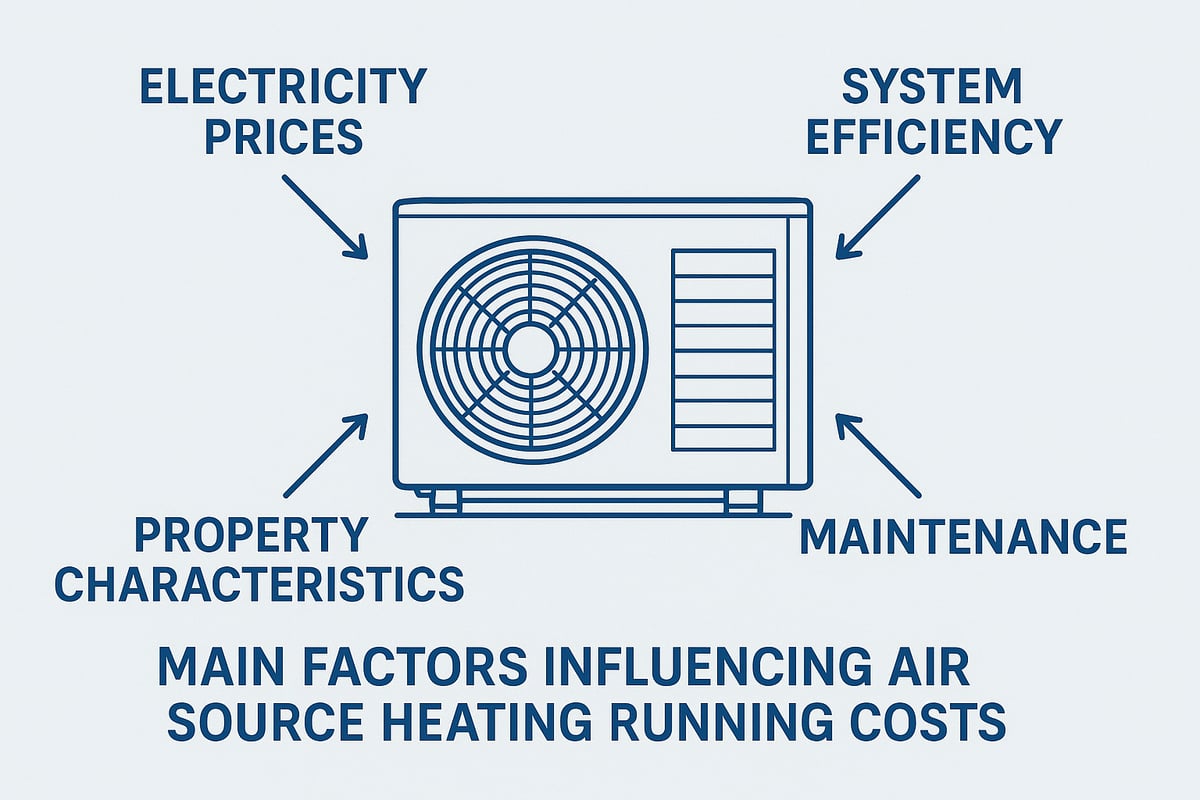
Electricity rates are a major influence on air source heating running costs. In 2026, UK electricity prices are forecast to average between 25p and 30p per kWh, depending on supplier and region. Homeowners can benefit from time-of-use tariffs and smart meters, which allow you to shift heat pump operation to cheaper periods.
| Year | Avg. Price (p/kWh) | Typical Annual Use (kWh) | Est. Annual Cost (£) |
|---|---|---|---|
| 2023 | 34 | 4,000 | 1,360 |
| 2026 | 27 | 3,800 | 1,026 |
Comparing electric heating cost comparison data helps clarify how heat pumps stack up against direct electric systems, reinforcing their cost-saving potential for UK homes.
The efficiency of your system plays a crucial role in air source heating running costs. The Seasonal Coefficient of Performance (SCOP) measures how many units of heat are produced per unit of electricity consumed over a year. Modern heat pumps often achieve a SCOP of 3.0 to 4.0, meaning they deliver 300 to 400 percent more heat energy than the electricity they use.
However, colder outdoor temperatures or poor home insulation can lower real-life efficiency compared to lab ratings. Proper installation and annual maintenance are vital to maintaining performance and keeping running costs predictable.
Your property’s size, insulation, and age directly affect air source heating running costs. Well-insulated, newer homes with high EPC ratings typically require less energy for heating than older, draughty properties.
How you use your heating system also matters. Setting higher temperatures, heating unused rooms, or frequently adjusting controls can all increase costs. For example, a modern 3-bed new build might see annual running costs of £800, while a poorly insulated Victorian terrace could face costs above £1,200, even with the same heat pump model.
Regular servicing is essential to keep air source heating running costs under control. Most manufacturers recommend an annual service, which typically costs £100 to £200. This includes checks on refrigerant levels, filters, and system controls.
Neglecting maintenance can lead to reduced efficiency and unexpected repair bills. Many heat pumps come with warranties of five to seven years, but well-maintained systems often last 15 years or more, helping to spread out the investment and reduce long-term costs.
Understanding average air source heating running costs in 2026 is vital for UK homeowners planning to futureproof their properties. With energy prices and efficiency standards rapidly evolving, knowing what to expect can help you budget accurately and make informed decisions.
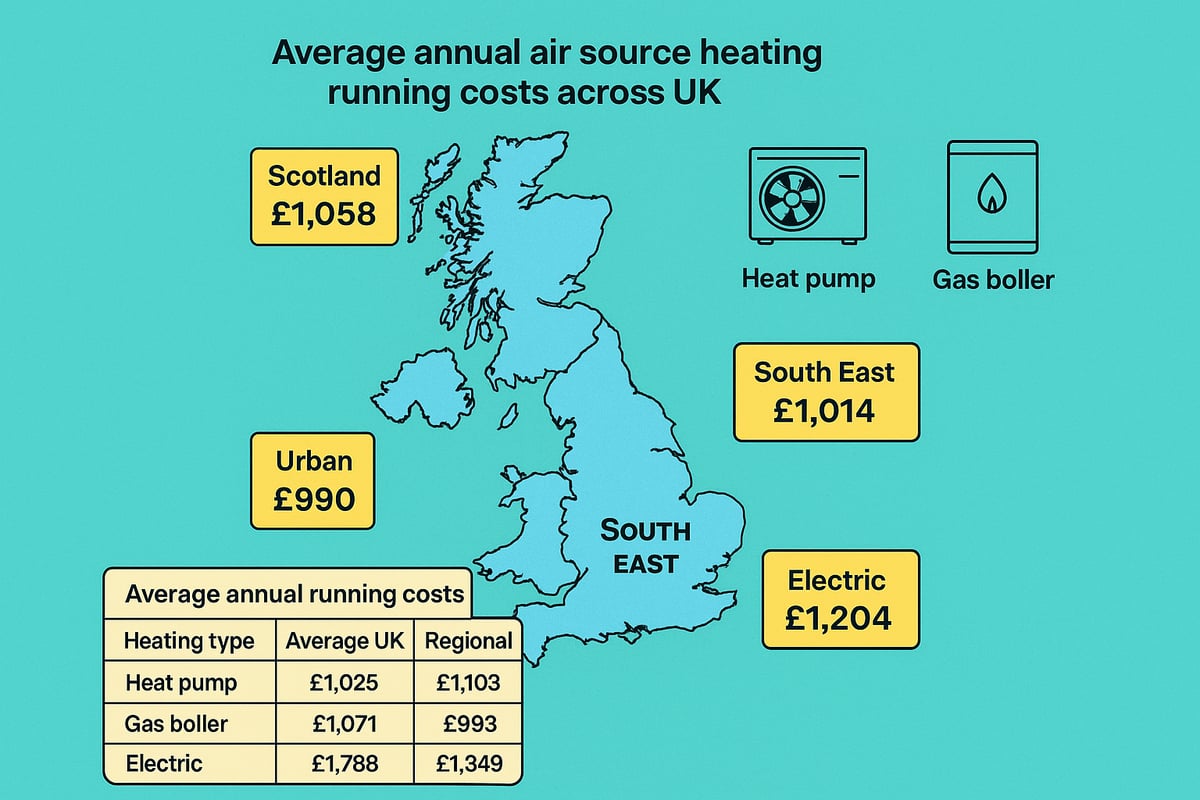
In 2026, the typical air source heating running costs for a standard UK home fall between £800 and £1,200 per year. These figures reflect improvements in heat pump efficiency, the impact of grid decarbonisation, and rising electricity prices.
Compared to previous years, there has been a gradual increase in running costs, largely due to higher energy rates and more widespread adoption of heat pumps. The key drivers behind air source heating running costs are property size, insulation levels, system efficiency, and local climate. For context, a 3-bed semi-detached home with good insulation and a modern heat pump is likely to sit at the lower end of this range.
For a detailed look at historical trends and what affects these figures, the Air Source Heat Pump Costs in the UK: 2025 Guide offers useful background and context.
Air source heating running costs vary significantly across the UK due to regional climate, property types, and electricity tariffs. Homes in Scotland and the North East, where winters are colder, typically see higher consumption, with running costs at the upper end of the national range.
Urban areas in the South East often benefit from milder temperatures and better-insulated housing stock, leading to lower air source heating running costs. In rural areas, older buildings and less efficient grids can push costs higher.
Case studies show a 3-bed semi-detached home in Yorkshire averages around £950 per year, while a similar property in rural Scotland may reach £1,200. These differences highlight the importance of local factors in determining your overall running costs.
To put air source heating running costs into perspective, it is helpful to compare them with other common UK heating options:
| System | Typical Running Cost (2026) | Cost per kWh Delivered |
|---|---|---|
| Air Source Heat Pump | £800–£1,200 | 12–15p |
| Gas Boiler | £950–£1,350 | 10–13p |
| Oil Boiler | £1,200–£1,600 | 14–18p |
| LPG | £1,600–£2,000 | 19–22p |
| Direct Electric | £1,800–£2,200 | 28–32p |
As the table shows, air source heating running costs are now often lower than oil, LPG, or direct electric heating. While gas remains competitive, its costs are rising, and future regulation may narrow the gap further.
Recent surveys of UK homeowners reveal growing satisfaction with air source heating running costs, especially among those who upgraded insulation or used smart controls. Many users report lower bills compared to previous gas or oil systems, particularly in new builds or well-retrofitted homes.
Common surprises include the importance of correct system sizing and the impact of weather on bills. Some users found their first winter costs higher than expected, but adjustments to usage patterns and settings often brought costs down in subsequent years.
Lessons learned highlight the value of monitoring energy use and seeking expert advice before installation.
Tariff choice can make a noticeable difference to air source heating running costs. Economy 7 and time-of-use tariffs allow homeowners to benefit from lower night rates, particularly when paired with heat pump-specific plans.
Smart thermostats and weather compensation controls further optimise efficiency, reducing unnecessary consumption. For example, a household using smart controls with a tailored tariff reported annual savings of up to £200 compared to standard settings.
Choosing the right combination of tariff and controls is a practical step towards minimising air source heating running costs and maximising year-round comfort.
With energy prices still uncertain, UK homeowners are seeking proven ways to lower air source heating running costs in 2026. The good news is that several practical strategies can make a measurable difference to your bills. Let us explore the most effective actions you can take.
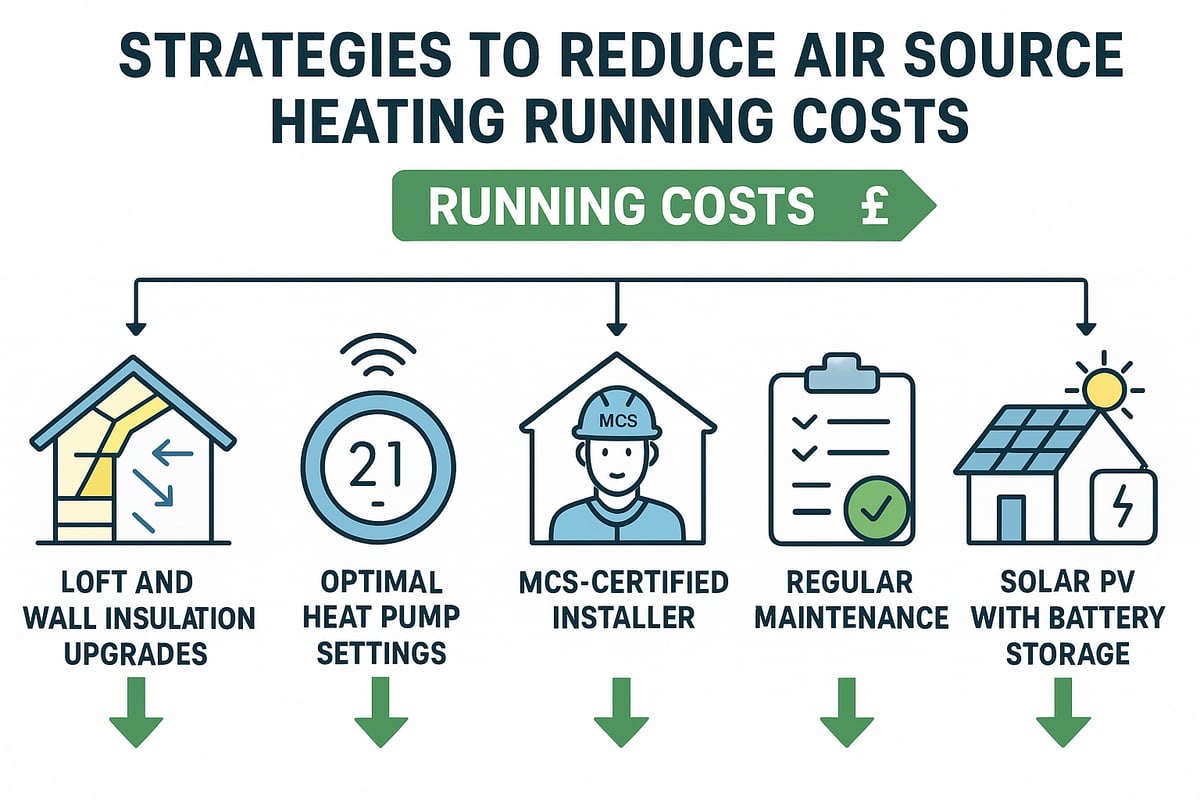
Insulation is the cornerstone of reducing air source heating running costs. Well-insulated homes lose less heat, so your heat pump works less and uses less electricity.
Common insulation upgrades include:
For example, improving from an EPC rating D to C can save hundreds of pounds a year. Upgrading insulation not only cuts costs but also increases comfort. Prioritise insulation before investing in other upgrades to maximise your savings.
How you operate your system has a big impact on air source heating running costs. Start by programming steady temperature schedules rather than frequent changes, as constant adjustments force the heat pump to work harder.
Smart controls, such as weather compensation, can automatically adjust output based on outdoor conditions. Load shifting, or heating water during off-peak electricity times, also reduces costs. Avoid setting the flow temperature too high, as this lowers efficiency. Simple changes in usage habits can yield significant savings over time.
Selecting the correct system size is crucial for controlling air source heating running costs. An oversized or undersized heat pump can result in wasted energy and higher bills.
Always use an MCS-certified installer with experience in UK homes. They will assess your property, recommend the ideal unit, and ensure proper setup. Comparing quotes and checking references can help you find a reliable installer. The right sizing and installation are essential for long-term efficiency and cost control.
Regular maintenance keeps your system running smoothly and helps avoid unnecessary increases in air source heating running costs. Schedule annual servicing to check refrigerant levels, clean filters, and inspect components.
Consider upgrading to advanced controls or adding a hot water cylinder if your needs change. Monitoring your energy use with a smart meter or app can alert you to any issues early. Proactive care extends the life of your heat pump and maintains peak efficiency.
Pairing your heat pump with solar PV and battery storage offers one of the best ways to reduce air source heating running costs further. By generating your own electricity, you can power your heating system at little or no cost during daylight hours.
According to Heat pump and solar panels savings, homeowners with combined systems can save hundreds annually compared to grid-only setups. Batteries store excess solar energy for evening use, maximising self-consumption. This approach is especially effective in larger homes with higher energy needs.
Navigating the landscape of grants, incentives, and financing options is essential for managing air source heating running costs in 2026. With generous government support and new green finance products, homeowners can significantly reduce upfront and long-term expenses. Understanding these opportunities is key to unlocking savings and making sustainable heating accessible.
The UK government continues to support homeowners with grants to offset air source heating running costs. The Boiler Upgrade Scheme offers up to £7,500 towards installation for eligible properties, making heat pumps more attainable than ever. To qualify, homes must have a valid EPC and meet insulation requirements.
Application is straightforward: check eligibility, apply online, and choose a certified installer. The process typically takes a few weeks from application to approval. According to Air source heat pump grants, these schemes are designed to ease the transition to low-carbon heating and help households cut bills.
Local authorities often provide additional support to further lower air source heating running costs. Some councils offer top-up grants or additional funding for vulnerable households or those in fuel poverty. Energy suppliers may run trial schemes, providing installation discounts or free smart controls.
Regional pilots in 2025 and 2026 have demonstrated how these schemes can stack with national grants, reducing the net cost for homeowners. Always check with your local council and energy provider for the latest incentives, as availability can vary widely by region and eligibility criteria.
Green finance is transforming how homeowners manage air source heating running costs. Options include interest-free loans, green mortgages, and flexible payment plans that spread the cost of installation over several years. Typical finance rates remain competitive, with some products offering no upfront payment.
For example, a financed installation might involve a low deposit and monthly repayments aligned with expected energy savings. Green mortgages may also offer lower interest rates for properties with improved EPC ratings, further supporting the move to efficient home heating.
Tax incentives play a crucial role in reducing air source heating running costs. In 2026, VAT on heat pump installations remains reduced, lowering the total cost for homeowners. Additional tax breaks may be available for broader energy efficiency upgrades, such as insulation or smart controls.
These tax benefits, combined with grants and finance options, can cut the payback period and make the investment even more attractive. As policies evolve, staying informed ensures you maximise every opportunity to save on sustainable heating.
The future of air source heating running costs is shaped by shifts in energy prices, rapid technological advancements, evolving government policy, and the long-term financial impact for homeowners. Understanding these trends is essential for anyone planning to invest in a heat pump in the years ahead.
Energy prices will remain a decisive factor for air source heating running costs in the UK. Experts predict that electricity prices may fluctuate between 28–34p per kWh from 2027 to 2030, depending on global energy markets and further grid decarbonisation.
Gas prices are expected to rise faster than electricity, narrowing the gap between traditional and renewable heating. If grid carbon intensity continues to fall, running a heat pump will become both greener and more cost-effective. Homeowners should monitor tariff trends and consider flexible pricing options to manage future air source heating running costs.
| Year | Electricity (p/kWh) | Gas (p/kWh) |
|---|---|---|
| 2026 | 30 | 10 |
| 2028 | 32 | 12 |
| 2030 | 34 | 14 |
Next-generation heat pumps will further reduce air source heating running costs, thanks to ongoing innovation. By 2030, units with SCOP ratings above 4.5 will be commonplace, offering even greater efficiency in both new and retrofitted homes.
Expect quieter operation, smarter controls, and improved compatibility with renewable energy systems like solar PV and battery storage. New refrigerants and adaptive algorithms will help systems perform better in colder UK climates. These advancements will drive down maintenance needs and extend the lifespan of installations, making air source heating running costs more predictable.
Government support and regulation will continue to shape air source heating running costs beyond 2026. Anticipate further expansion of grant schemes and stricter efficiency standards for both installers and equipment. For instance, recent updates have seen heat pump grants increased by 50%, making installations more accessible for homeowners.
Stricter EPC and Net Zero requirements for landlords and property owners are also expected. Simplified planning rules and streamlined application processes will lower barriers for heat pump adoption. These changes could make air source heating running costs even more competitive compared to fossil fuel alternatives.
Over a ten-year period, the return on investment for air source heating running costs is increasingly favourable. Homeowners can expect shorter payback periods as energy savings accumulate and grant support remains strong.
Properties with modern heat pumps may see higher resale values and improved EPC ratings, futureproofing them against regulatory changes. The combination of lower emissions, stable running costs, and enhanced comfort makes this technology a reliable long-term choice. Careful planning and regular maintenance will ensure air source heating running costs stay low for years to come.