No products in the basket.
In 2026, air source technology is transforming how UK homes manage heating and cooling. With energy prices rising and climate concerns growing, homeowners are searching for efficient and sustainable solutions. Air source systems stand out for their cost savings, environmental benefits, and ability to future-proof your property.
This comprehensive guide will cover everything you need to know about air source systems, including how they work, the different types, costs, available funding, installation steps, and key maintenance tips. Ready to cut your bills, boost comfort, and make an informed switch? Discover the essentials below.
Air source technology is transforming the way UK homes are heated and cooled, delivering efficiency, sustainability, and affordability. As energy costs rise and environmental pressures grow, it is essential to understand what makes air source systems so effective in 2026.
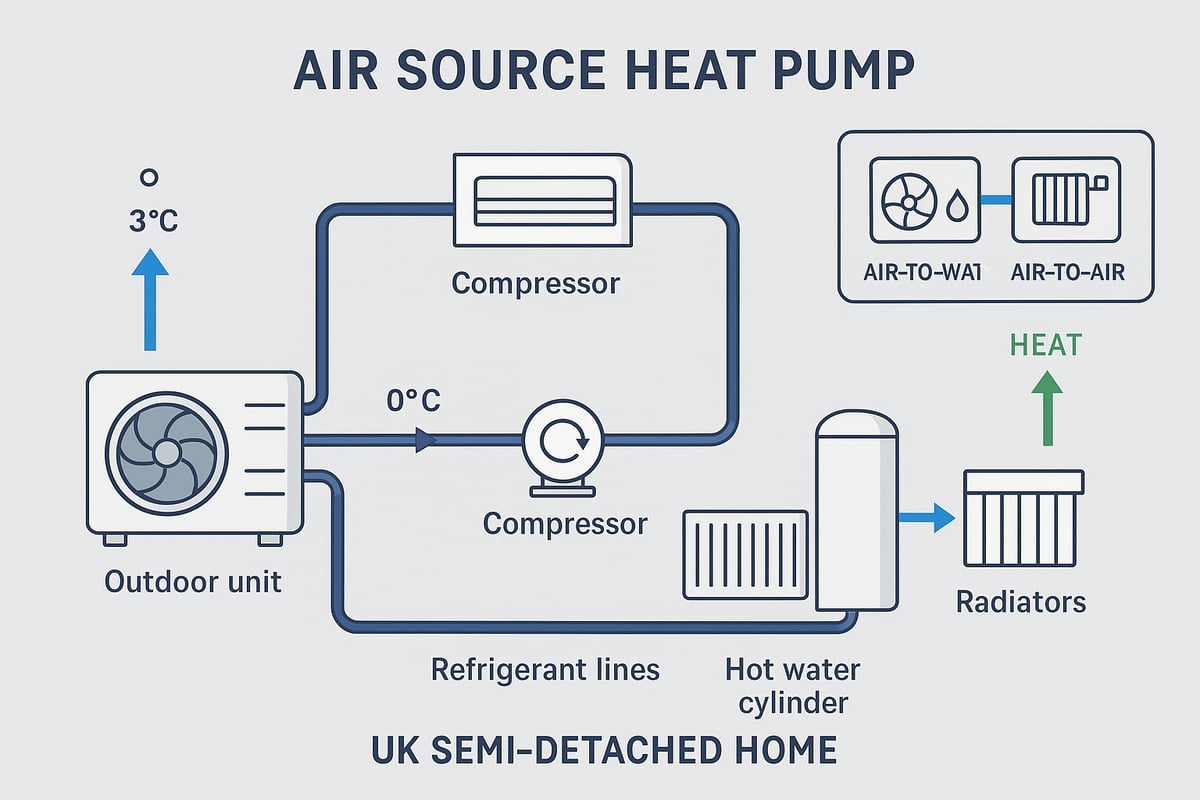
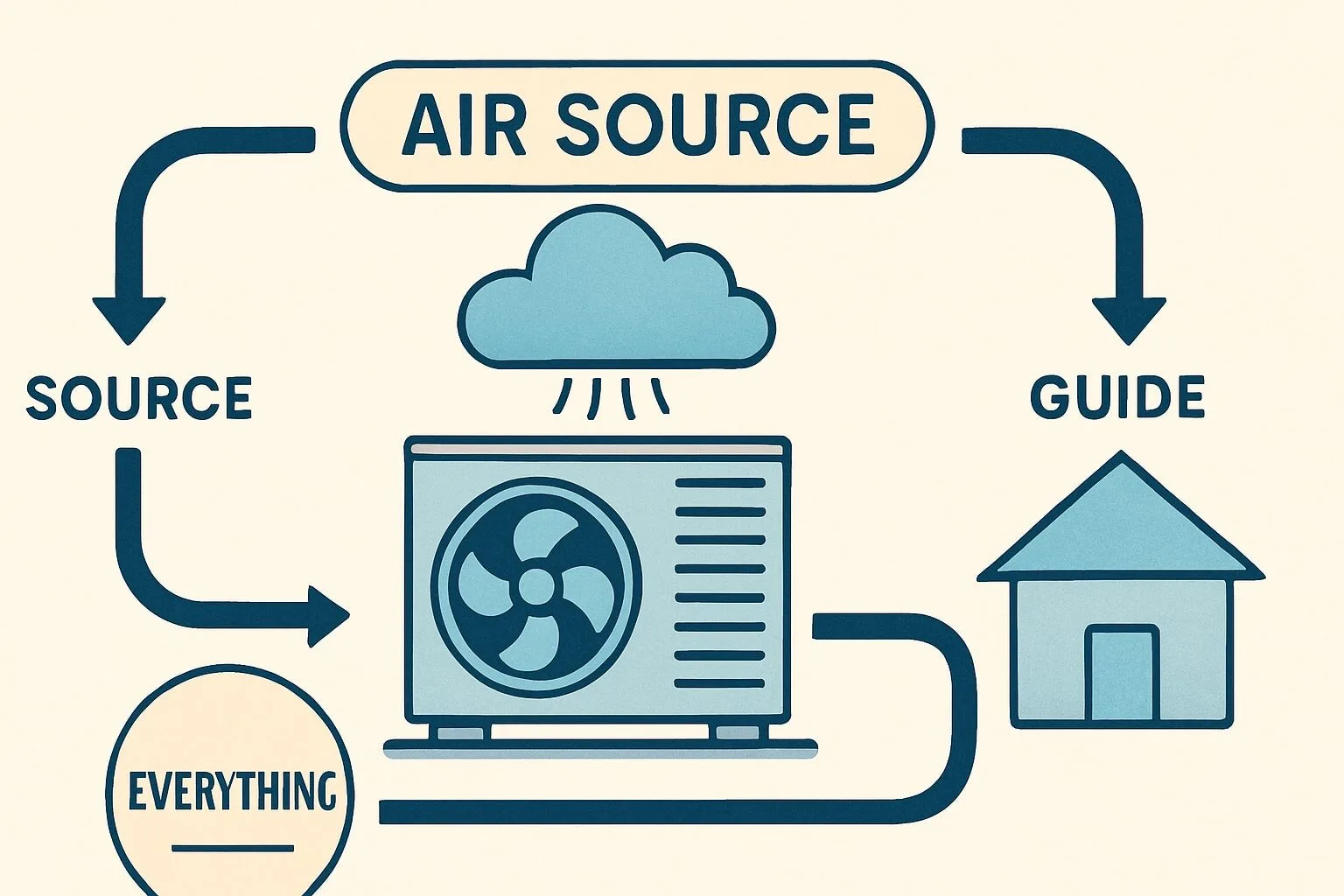
Air source heat pumps are advanced heating and cooling systems that extract heat from the outside air and use it to warm your home and provide hot water. They are becoming the preferred choice for UK households, offering over three times the efficiency of traditional gas or oil boilers.
There are two main types: air-to-water and air-to-air. Air-to-water heat pumps supply hot water to radiators, underfloor heating, and hot water cylinders, making them ideal for most family homes. Air-to-air systems, on the other hand, deliver warm or cool air directly, which suits smaller properties or flats. For a detailed comparison, see the Air-to-Water Heat Pump Guide.
With their dual role in heating and hot water provision, air source systems are rapidly gaining ground in the UK and globally. A typical semi-detached home can achieve significant carbon savings, reducing emissions and energy bills.
The core process of an air source heat pump involves extracting thermal energy from the outside air, even in cold weather. A refrigerant absorbs this heat and passes through a compressor, raising its temperature.
This heated refrigerant then transfers energy via a heat exchanger to your home's radiators, underfloor heating, or hot water cylinder. The cycle repeats, providing a consistent supply of warmth throughout the year. Even when temperatures fall below freezing, air source systems continue to operate efficiently.
For clarity, imagine a refrigerator in reverse: instead of removing heat from the inside, air source pumps draw warmth from outside and circulate it indoors. Trusted sources like the Energy Saving Trust and US Department of Energy explain the refrigerant cycle in detail.
Switching to air source technology offers a range of practical advantages:
For example, an average UK home can save as much as £1,200 annually by replacing outdated electric heaters with air source solutions. These benefits make air source a smart investment for the future.
Despite their advantages, air source heat pumps do have some limitations. The initial installation cost is significant, averaging around £11,000 before grants. Sufficient outdoor space is required for the external unit, and the property must be well insulated for optimal performance.
Hot water storage, such as a cylinder, is often needed. Some systems may produce noise, and the visual impact of the outdoor unit should be considered. Efficiency can vary depending on property size, insulation, and climate. Compared to gas, oil, or electric heating, air source systems offer lower running costs but require careful planning and a professional survey.
Recent years have seen major advances in air source technology. Inverter-driven compressors and variable speed blowers now deliver smoother, more efficient operation, adapting output to real-time demand.
Smart controls integrate seamlessly with home energy management systems, allowing remote monitoring and optimisation. New refrigerants with lower environmental impact have become standard, while improved low-temperature performance enables reliable heating even in colder UK regions.
Latest models boast higher HSPF2 and SEER2 efficiency ratings, reflecting data from the US Department of Energy. These innovations make air source systems more versatile, eco-friendly, and cost-effective for a wide range of homes.
Selecting the ideal air source system for your property in 2026 requires a clear understanding of available options, performance differences, and installation requirements. This section will guide you through each system type, helping you make an informed decision tailored to your needs.
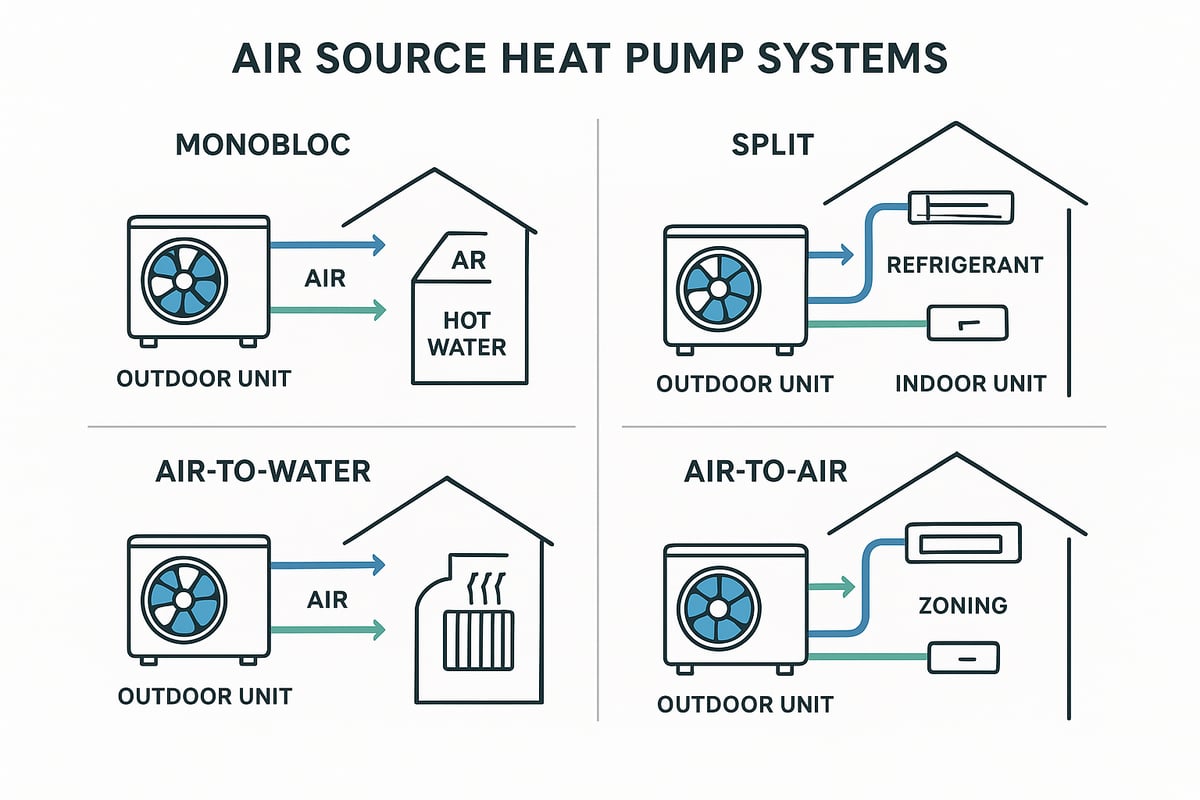
When exploring air source heat pump options, you will encounter monobloc and split systems. A monobloc system houses all components in a single outdoor unit, making installation simpler and often faster. Split systems, by contrast, divide components between outdoor and indoor units, which can deliver higher efficiency and greater flexibility for complex layouts.
Here is a comparison to illustrate the main differences:
| Feature | Monobloc | Split |
|---|---|---|
| Installation | Simpler, all-in-one | More complex, two units |
| Efficiency | Good | Higher |
| Space Needed | Outdoor only | Indoor and outdoor |
| Ideal For | Small/medium homes | Larger/insulated homes |
In the UK, monobloc units are popular for compact properties, while split systems are recommended for larger or better-insulated homes. Choosing the right air source system depends on your space, budget, and efficiency goals.
Air-to-water systems heat water for radiators, underfloor heating, and domestic hot water, making them suitable for most UK family homes. Air-to-air systems, on the other hand, deliver warm or cool air directly to the living space, offering a compact solution for flats, park homes, or properties without existing wet heating systems.
Consider the following points when deciding:
For example, a family house may benefit from an air-to-water system for year-round comfort and hot water. In contrast, a park home or modern flat might prioritise air-to-air for its simplicity and lower installation cost. The choice of air source technology should reflect your property’s needs and your expectations for comfort.
Air source systems can be tailored to your property’s structure and comfort requirements. Ducted systems make use of existing ductwork to distribute heated or cooled air throughout larger homes, ensuring even temperatures across all rooms. Ductless systems, often called mini-splits, require minimal construction and are perfect for retrofits, extensions, or homes without ducts.
Short-run ducted options strike a balance, using smaller ducts to serve several rooms or zones. This approach enhances comfort and control without extensive building work. When considering air quality, check for systems with high MERV-rated filters to improve indoor air cleanliness.
For a studio flat, a ductless air source system offers easy installation and targeted comfort. In larger detached houses, ducted or short-run ducted systems provide efficient whole-home heating and cooling, maximising your air source investment.
Air source solutions come in both single-zone and multi-zone configurations. A single-zone system links one outdoor unit to one indoor unit, offering straightforward control and installation. Multi-zone systems connect multiple indoor units to a single outdoor unit, allowing for independent temperature management in each room or zone.
The main advantages of multi-zone air source systems include:
Installation complexity and cost are higher for multi-zone setups, but they are ideal for family homes with varying heating or cooling requirements across different spaces. Single-zone systems suit smaller properties or open-plan areas where simple control is sufficient.
Accurate sizing is crucial for any air source installation. A professional heat loss calculation takes into account your property’s size, insulation, window types, and current heating setup. This ensures your system delivers the right level of comfort and efficiency.
Compatibility with radiators or underfloor heating is also important. Sometimes, upgrading existing radiators may be necessary to achieve optimal results. The assessment process, as outlined in Purchasing Energy-Efficient Residential Air-Source Heat Pumps, helps you select a system that matches your needs and maximises the benefits of air source technology.
A recommended installer will guide you through this process, ensuring your home is ready for the transition and that the air source system you choose is a perfect fit.
U and I Renewables is a leading provider of air source heat pump installation, solar PV, and energy storage solutions across the UK. With over 17 years of experience, their certified engineers offer tailored advice on choosing the right air source system, ensuring it is sized and installed for maximum efficiency.
Customers benefit from grant support of up to £7,500, making the switch to air source more affordable. U and I Renewables’ commitment to aftercare and ongoing support guarantees long-term comfort, savings, and peace of mind.
Understanding the costs, savings, and funding options for air source technology in 2026 is essential for making an informed decision. With rising energy prices and a growing focus on sustainability, air source systems are an investment in both comfort and long-term savings. Let us break down what you can expect when upgrading your home.
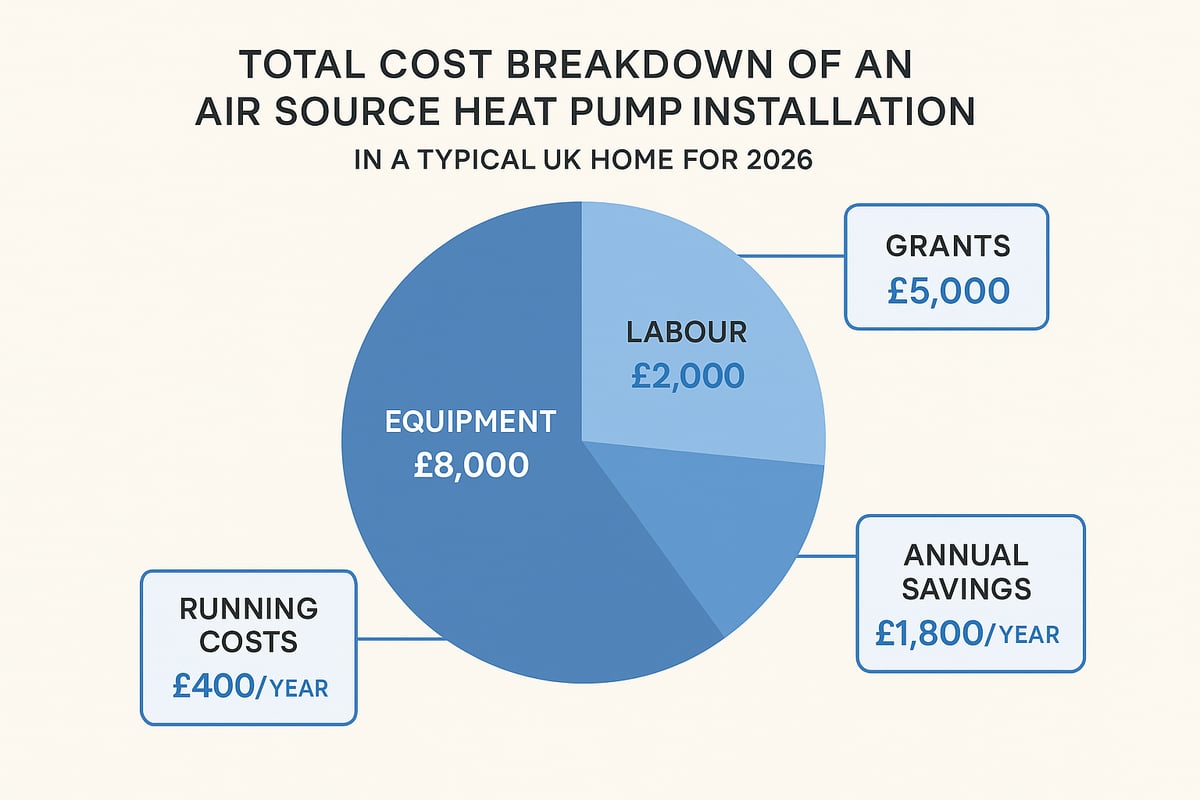
The upfront cost of an air source system in the UK typically sits around £11,000 for a standard home before grants. This figure can vary based on property size, type of air source system, and whether you need radiator or pipework upgrades.
Key factors affecting installation costs include:
For example, a three-bedroom semi-detached house might see costs on the lower end if existing radiators are compatible. According to the Energy Saving Trust, installation costs may be higher for older homes that require extra upgrades.
Air source systems are highly efficient, offering significant savings on annual heating bills. The running cost depends on your electricity tariff, the efficiency of the unit (measured by COP), and your home's insulation.
Compared to gas, oil, or electric storage heating, air source technology can reduce annual bills by up to £1,200. Well-insulated homes see the greatest savings, while poorly insulated properties may need improvement to maximise benefits.
Smart controls and proper system setup further boost savings. The Energy Saving Trust and US Department of Energy confirm that air source units outperform traditional systems in most UK homes.
Government support for air source installations is stronger than ever in 2026. The Boiler Upgrade Scheme offers up to £7,500 in England and Wales, while Scotland provides grants and interest-free loans for energy efficiency upgrades. Northern Ireland offers insulation support and heat pump readiness grants.
Eligibility typically requires a professional survey and meeting minimum insulation standards. Grants can significantly reduce your upfront cost, shortening the payback period. For a comprehensive overview of available funding and step-by-step application guidance, see Government Grants for Heat Pumps.
If upfront payment is a concern, flexible finance plans are available for air source systems from around £20 per week, subject to approval. Compare the total cost of finance against upfront installation to determine what suits your situation best.
Some homeowners find that monthly energy bill savings can cover most or all of their finance repayments. Always review the terms carefully and look out for hidden fees or early repayment penalties before committing.
Investing in air source technology improves your property’s EPC rating and can increase its value. The typical payback period after grants is seven to ten years, with reduced maintenance and repair costs compared to traditional boilers.
As fossil fuel prices continue to rise, air source systems offer future-proofing for your home. They also require less frequent servicing and have fewer moving parts, which means lower ongoing expenses.
Whole-house upgrades, including insulation and renewable energy integration, can further enhance your return on investment and market appeal.
Real-world data demonstrates the impact of air source installations. For example, a three-bedroom semi-detached home in England could save up to £1,200 annually on energy bills and cut carbon emissions significantly.
Energy Saving Trust infographics show similar savings across Scotland, Wales, and Northern Ireland. Households switching from electric storage heating see the largest reductions, while those replacing gas or oil systems also benefit from lower bills and a smaller carbon footprint.
Preparing for an air source installation requires careful planning and attention to detail. Whether you are retrofitting an older property or equipping a new build, getting your home ready is vital for long-term efficiency and comfort.
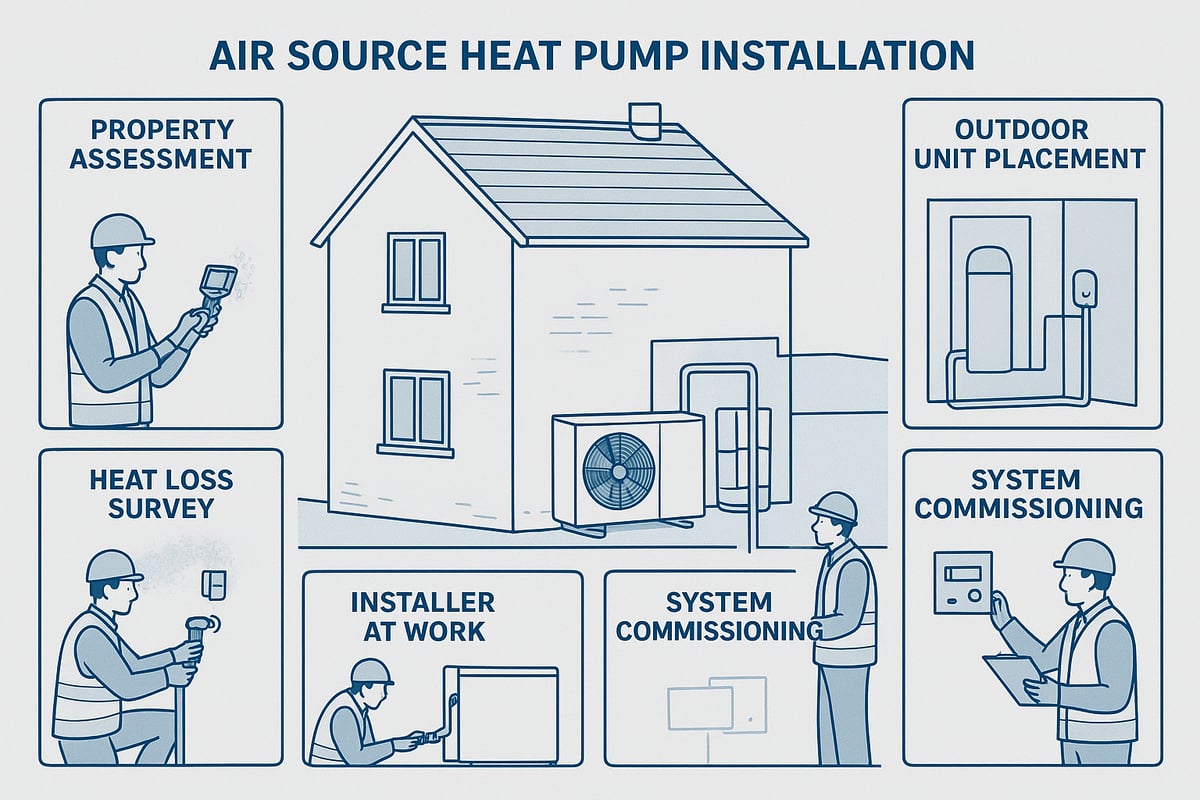
Begin by assessing your home’s suitability for an air source system. Good insulation is essential, so check loft, wall, and window standards. Next, ensure you have enough outdoor space for the unit with clear airflow around it.
A professional heat loss survey is recommended. This calculation determines the correct system size for your property, maximising performance. Plan for hot water storage, as most air source systems require a dedicated cylinder or alternative.
Consider cupboard or airing cupboard space if you live in a flat or have limited storage. Preparing these elements ensures the air source installation runs smoothly and delivers optimal results.
Selecting a qualified installer is critical for your air source investment. Look for MCS-certified professionals, as this guarantees compliance with government standards and eligibility for grants.
Verify credentials by checking memberships with Gas Safe, NAPIT, or RECC. Reliable installers will guide you through grant applications and help design the right system for your needs.
For example, U and I Renewables employs certified engineers experienced in air source technology and grant support. Avoid pitfalls by steering clear of unqualified contractors who may provide poor advice or substandard installations.
The air source installation process typically spans two to five days, depending on your property’s complexity and system requirements.
Key steps include delivery of the air source unit, fitting the outdoor component, and installing indoor elements such as the hot water cylinder and controls. Plumbing and electrical connections follow, ensuring seamless integration with existing systems.
Upgrading radiators or underfloor heating may be necessary for optimal efficiency. Installers strive to minimise disruption, coordinating the process around your household routines for a stress-free experience.
Once the air source system is installed, the commissioning phase begins. Engineers perform rigorous performance checks to verify correct operation and efficiency.
You will receive training on how to use the controls, whether through a physical interface or app-based solutions. This step ensures you are confident in managing your home’s heating and hot water.
The installer also completes grant paperwork and registers your warranty. A thorough handover means you can enjoy the benefits of your new air source system with peace of mind.
Annual servicing keeps your air source system running efficiently and maintains your warranty. Essential tasks include refrigerant level checks, coil cleaning, and filter replacement.
Professional servicing helps prevent common issues such as noise, airflow restriction, or control malfunctions. Many providers offer 24/7 emergency support and fixed-price callouts, adding value to your investment.
For a detailed overview of efficiency upkeep and running costs, see Air Source Heating Running Costs. Regular maintenance ensures your air source system delivers long-term reliability and savings.
Maximising the efficiency and comfort of your air source system is essential for achieving lasting savings and optimal performance. By focusing on smart controls, renewable integration, home insulation, proactive problem-solving, and ongoing upgrades, you can ensure your air source investment delivers the best results year after year.
Smart controls are a game changer for any air source setup. Modern systems feature intelligent thermostats, weather compensation, and room-by-room zoning. These tools allow you to tailor heating schedules precisely to your lifestyle, cutting waste and boosting comfort.
Programming your air source system to match occupancy patterns ensures energy is only used when needed. Zoning lets you heat or cool individual rooms, so everyone stays comfortable without overheating unused spaces. This approach not only reduces costs but also extends the system's lifespan.
For best results, set your controls to avoid excessive use of auxiliary heating. According to the Department of Energy, correct settings can prevent unnecessary energy spikes, keeping your air source system as efficient as possible.
Combining your air source installation with other renewable solutions can dramatically increase energy savings and reduce your carbon footprint. Solar PV panels are a popular choice, providing electricity to run your heat pump. Adding battery storage allows you to use more of your own solar energy, potentially covering up to 90% of your home’s needs.
Solar thermal systems can complement your air source by pre-heating water, reducing demand on the heat pump. This integrated approach not only lowers bills but also boosts your home’s grid independence.
A whole-house renewable package is ideal for future-proofing. By working together, these technologies deliver year-round comfort and sustainability, making your air source system even more valuable in the long run.
Efficient insulation is crucial for getting the most from any air source system. Well-insulated walls, lofts, and floors help retain heat, allowing your heat pump to work less and save more energy. Upgrading to double or triple-glazed windows and draught-proof doors further minimises heat loss.
Many UK households are eligible for grants supporting insulation improvements, especially in Scotland and Northern Ireland. The Energy Saving Trust recommends prioritising insulation upgrades before or alongside air source installation.
By reducing heat loss, you ensure your air source system operates at peak efficiency, delivering greater comfort and lower energy bills throughout the year.
Even the best air source systems can encounter issues. Common problems include poor airflow from blocked filters or ductwork, incorrect refrigerant levels, and noise due to improper placement. These can all impact comfort and efficiency if left unchecked.
Routine professional maintenance is key. Annual servicing covers refrigerant checks, cleaning, and filter replacement. If noise or airflow issues arise, a qualified technician can quickly diagnose and resolve the problem.
The Department of Energy’s Energy Skilled Heat Pump Program highlights the importance of certified technicians for maintaining optimal air source performance, ensuring your system runs smoothly year after year.
Modern air source systems come with advanced monitoring tools and mobile apps. These let you track performance, spot inefficiencies, and receive alerts for maintenance needs. Early detection of underperformance can prevent costly repairs and keep your system running efficiently.
If your system is aging or struggling to meet demand, consider upgrading to newer models with higher HSPF2 and SEER2 ratings. The Air Source Heat Pump Market Size, Market Share & CAGR 8.95% report shows rapid innovation and growing adoption, making upgrades a smart investment.
Your installer should offer ongoing support, helping you monitor, troubleshoot, and plan future improvements, so your air source system continues to deliver maximum comfort and value.
Thinking about installing an air source system? Below, we address the most common questions homeowners ask in 2026, helping you make an informed decision about this efficient technology.
Can air source heat pumps work in very cold weather?
Yes, modern air source systems are designed to operate efficiently even when outdoor temperatures fall below freezing. Thanks to advanced inverter technology and refrigerants, they reliably provide heating in UK winters.
How noisy are air source heat pumps?
Typically, air source units produce 40 to 60 dB, comparable to a quiet conversation or a modern fridge. Most users find them quieter than traditional boilers, especially when installed with proper vibration pads and placement.
Do I need planning permission for an air source installation?
In most cases, air source heat pumps are classed as permitted development, meaning you do not need planning permission. However, always check with your local authority for any restrictions, especially in conservation areas or flats.
What’s the lifespan of an air source heat pump?
With regular maintenance, an air source heat pump typically lasts 15 to 20 years. This is comparable to or better than many conventional boilers, offering reliable performance and fewer breakdowns over time.
Can I use an air source heat pump for both heating and cooling?
Many air source models now offer reversible operation, providing both heating in winter and cooling in summer. This feature is especially useful in homes that experience temperature extremes throughout the year.
How do I know if my home is suitable for air source?
Most UK homes are suitable for air source, but a professional survey is essential. Factors like insulation, available outdoor space, and existing heating systems are assessed to ensure optimal performance and efficiency.
What are the main differences between air source and ground source heat pumps?
Air source units extract heat from the air, while ground source systems use the earth. Air source is easier and cheaper to install but can be less efficient in extreme cold. Ground source offers higher efficiency but requires substantial garden space and higher upfront costs.
How do I access grants and support for air source?
The UK government provides grants through schemes like the Boiler Upgrade Scheme, offering up to £7,500 towards installation. Learn more about the latest funding increases at the Heat pump grants increased by 50% official page.
What maintenance is required for air source heat pumps?
An annual service is recommended. This typically includes checking refrigerant levels, cleaning coils, and replacing filters. Regular maintenance helps maintain efficiency and extends the system’s lifespan.
Is it worth replacing a new gas boiler with an air source heat pump?
It depends on your current running costs, insulation, and long-term goals. For detailed cost breakdowns and to compare potential savings, visit Air Source Heat Pump Costs UK. Many find that air source offers lower bills and future-proofs their home against rising energy prices.
Got more questions? An expert installer can provide tailored advice and guide you through every stage of your air source journey.