No products in the basket.
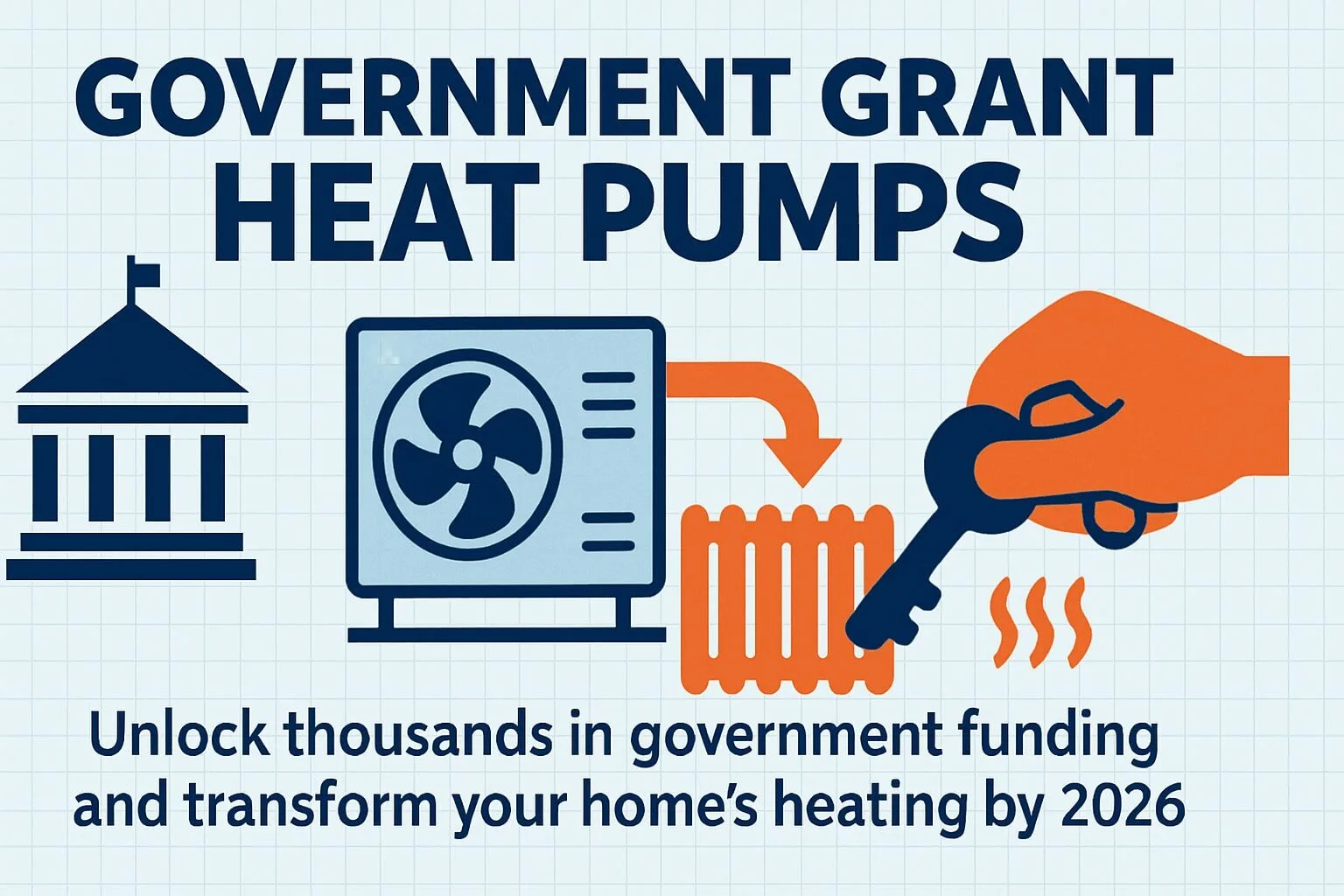
Unlock thousands in savings with government grant heat pumps and prepare your home for a warmer, more efficient future by 2026. Many UK homeowners are still unaware of the significant support available to upgrade their heating systems.
This guide simplifies the process of accessing government grant heat pumps, helping you understand eligibility, secure funding, and maximise your benefits. You will discover the latest government schemes, eligibility criteria, step-by-step application advice, expert tips, and future trends.
Ready to transform your home and save money? Follow our clear roadmap to make the most of government grant heat pumps and achieve a more sustainable, cost-effective home.
The UK government has made a bold commitment to reach net zero carbon emissions by 2050. Central to this plan is transforming how we heat our homes. Heat pumps are at the heart of this strategy, offering a low-carbon alternative to traditional gas boilers.
To encourage adoption, the government has rolled out a range of funding schemes. These schemes make it possible for homeowners, landlords, and social housing providers to access government grant heat pumps and reduce both upfront and long-term costs.
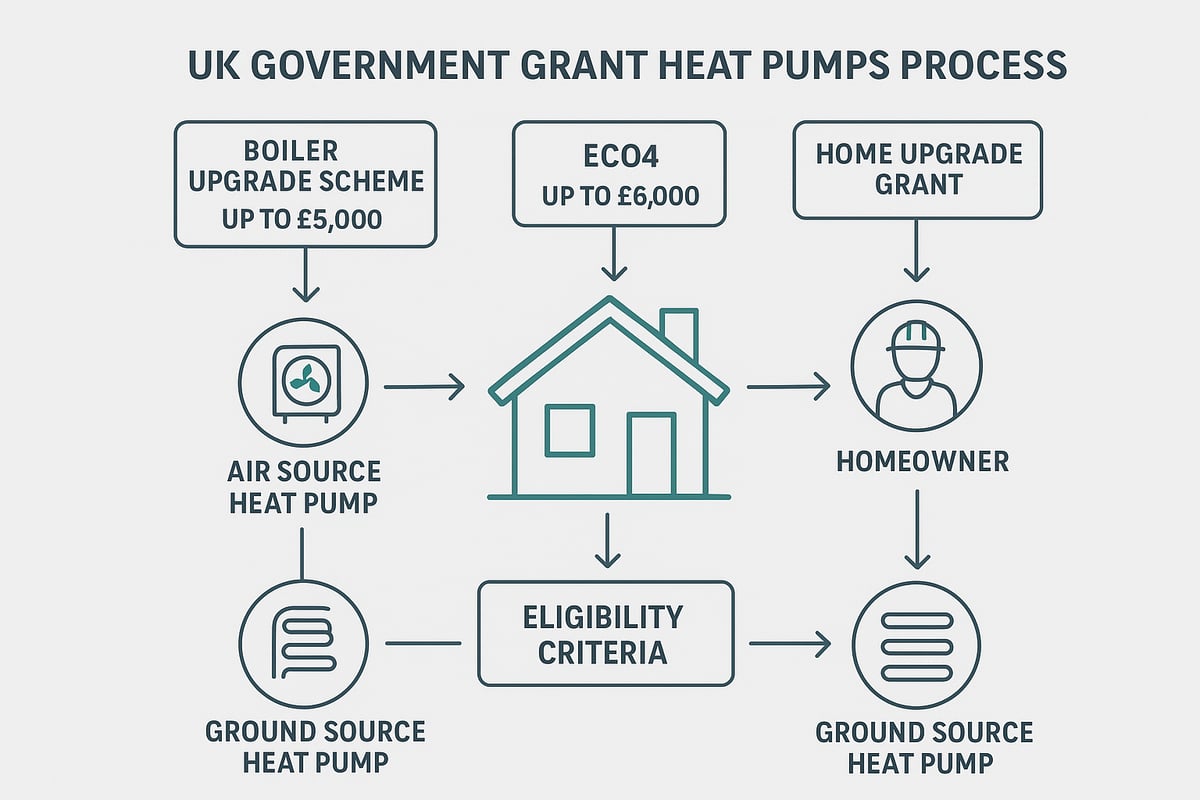
The UK government’s net zero target is driving a major shift in home heating. By 2028, the goal is to install 600,000 heat pumps each year. This ambitious target is supported by government grant heat pumps programmes, which aim to replace fossil fuel systems with more efficient solutions.
There are several main schemes providing support for government grant heat pumps:
For a detailed breakdown of these schemes, eligibility, and application steps, see this Heat pump grants in the UK: Complete guide 2025.
Eligibility for government grant heat pumps is broad. The main groups include:
Some schemes are region-specific, and funding levels can vary across England, Scotland, and Wales.
Most government grant heat pumps schemes support both air source and ground source models. Air source heat pumps are the most popular due to their lower installation costs and wide suitability. Ground source heat pumps are also eligible, especially for properties with sufficient land.
There are several myths about government grant heat pumps:
Consider the journey of a typical homeowner. After learning about government grant heat pumps, they check their eligibility and contact an MCS-certified installer. The installer helps with the application, ensuring all documentation is in order. Within weeks, the grant is approved, and the new heat pump is installed. The homeowner enjoys lower bills and a more sustainable home.
Government grant heat pumps are a vital part of the UK’s transition to cleaner, more efficient heating. Understanding the schemes, eligibility, and benefits is the first step to making the most of these opportunities.
Unlocking the benefits of government grant heat pumps starts with a clear step-by-step plan. This roadmap walks you through the process, from initial property checks to final installation, ensuring you maximise your chance of success. Whether you are a homeowner or landlord, following these steps will help you secure funding and enjoy efficient, sustainable heating for years to come.
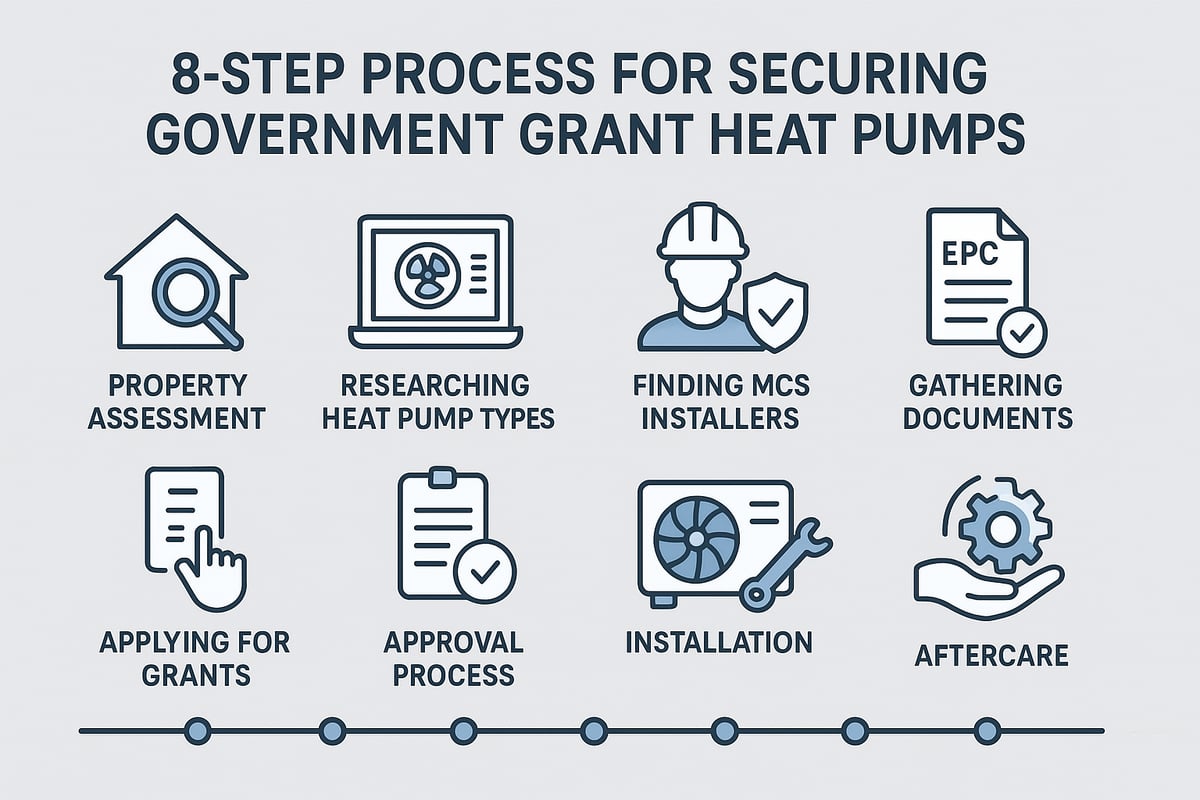
Before applying for government grant heat pumps, evaluate if your property qualifies. Most schemes require adequate insulation and a valid Energy Performance Certificate (EPC). Consider property type, as detached homes often benefit most, but grants are available for flats and terraced houses as well.
Check for minimum insulation standards, such as loft and cavity wall insulation. If your property falls short, upgrading insulation first can boost eligibility and long-term savings.
With government grant heat pumps, selecting the right technology is crucial. Air source and ground source heat pumps are usually covered by main grant schemes. Each type suits different properties and budgets.
To clarify which options qualify, visit resources like Air source heat pump grants explained for details on grant-eligible products, typical costs, and efficiency ratings. This ensures your choice meets both your needs and grant requirements.
To access government grant heat pumps, you must use a certified installer. Look for professionals accredited by the Microgeneration Certification Scheme (MCS). MCS accreditation guarantees quality installation and compliance with grant standards.
Request references and check online reviews. A reputable installer will also guide you through grant paperwork and eligibility checks, simplifying the process.
Gathering the right documents is essential for government grant heat pumps applications. You will typically need:
Keep these documents organised and ready, as missing paperwork can delay your application and affect approval chances.
Most government grant heat pumps schemes offer two application routes: direct homeowner applications via government portals or installer-led submissions. Your installer can often handle this step, ensuring accuracy and compliance.
Double-check deadlines and submission requirements for your region. Early application increases the chances of securing funding before annual budgets run out.
After applying for government grant heat pumps, the approval process begins. Authorities review your application, verify documentation, and confirm installer accreditation.
Approval times vary but typically range from a few weeks to two months. Stay in regular contact with your installer for updates and be prepared to provide any additional information promptly if requested.
Once your government grant heat pumps application is approved, schedule installation with your MCS-accredited installer. The work usually takes several days, depending on heat pump type and property size.
After installation, a post-installation check ensures the system meets grant and safety standards. Keep all certificates and warranties safe for future reference.
Grant payments for government grant heat pumps are typically made directly to the installer after work is completed and verified. You may receive an upfront discount, reducing out-of-pocket costs.
Maintain your heat pump with annual servicing, and use aftercare support for troubleshooting or performance advice. Proper maintenance protects your investment and ensures ongoing savings.
These steps increase your chances of approval and help you access the full benefits of available funding.
A typical journey for government grant heat pumps begins with an initial enquiry. Within two weeks, property assessment and installer selection are completed. Documentation and application submission follow in the next fortnight.
Approval typically arrives within four to six weeks. Installation is scheduled shortly after, with the entire process—from enquiry to completed installation—often finished within three months. Staying organised and proactive can keep your project on track.
Navigating the eligibility criteria for government grant heat pumps is essential if you want to secure funding for your project. Understanding what is required will not only increase your chances of approval, but also help ensure a smooth application process. Many homeowners miss out on grants simply due to overlooked details or missing paperwork.
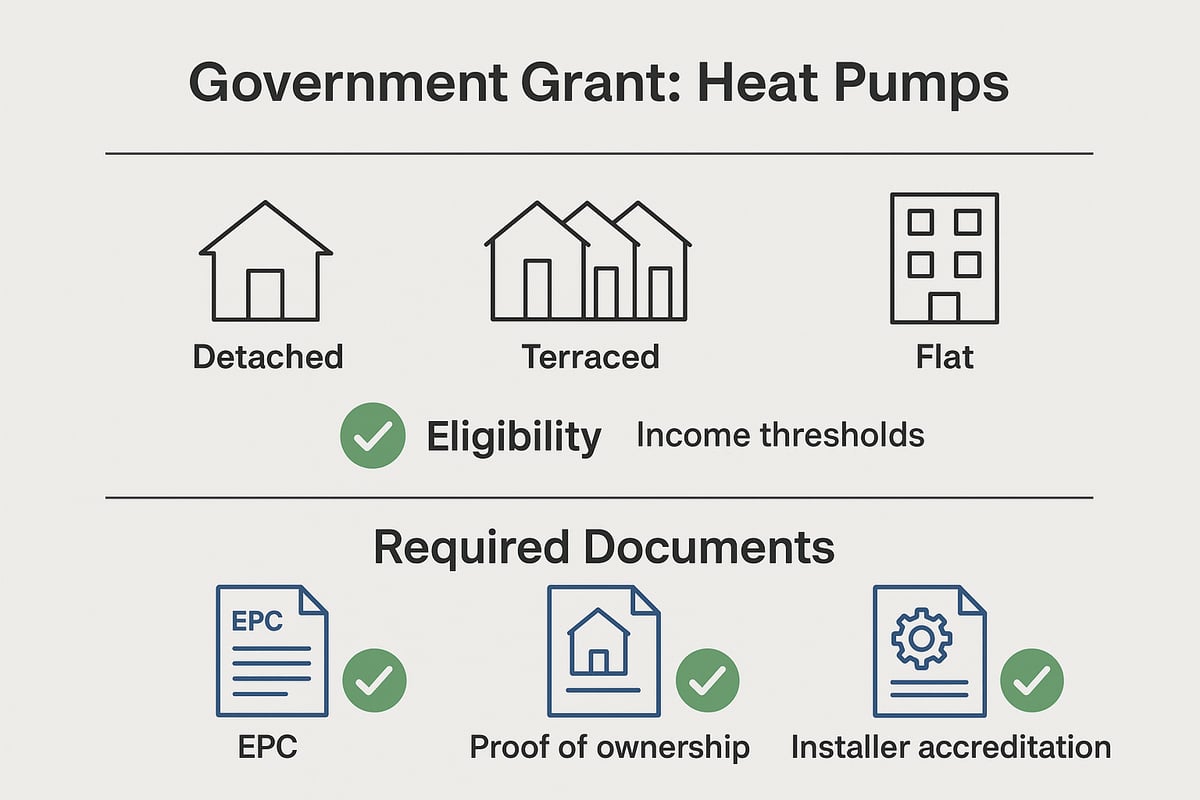
The two main schemes for government grant heat pumps are the Boiler Upgrade Scheme (BUS) and ECO4. The BUS is open to homeowners and landlords in England and Wales, while ECO4 also covers Scotland and Northern Ireland, focusing on low-income households.
Owner-occupiers, private landlords, and social housing providers can all apply. However, eligibility for each scheme may vary depending on factors such as income, property type, and current heating system. Some grants prioritise properties that rely on oil, LPG, or electric heating.
Eligibility for government grant heat pumps depends on your property type. Most schemes cover:
| Property Type | Eligible for Grants? |
|---|---|
| Detached | Yes |
| Semi-detached | Yes |
| Terraced | Yes |
| Flats | Sometimes |
| Listed buildings | Case-by-case |
Another crucial requirement is your Energy Performance Certificate (EPC). Your EPC must show that your home meets minimum insulation standards. Grants may be denied if your property lacks adequate loft or cavity wall insulation, as energy efficiency is a key government priority.
Some government grant heat pumps schemes, such as ECO4, are specifically designed for low-income households. Applicants may need to demonstrate that their household income is below a set threshold or that they receive certain benefits.
Additional criteria can include:
To ensure your application for government grant heat pumps is successful, gather the following documents:
Having these documents ready from the outset can prevent delays and avoid common pitfalls.
Grant availability and criteria may differ across the UK. For instance, some local authorities offer top-up funding or additional support for certain property types.
Consider a detached home versus a terraced house. A detached property with modern insulation and a valid EPC is almost always eligible for government grant heat pumps. A terraced house might also qualify, but if it has poor insulation, the owner may need to upgrade before applying.
If you want to better understand how eligibility can impact the financial side of your project, you can review the cost of heat pump installation for detailed breakdowns and potential savings.
Boost your chances of success with these tips:
Meeting the eligibility criteria for government grant heat pumps is the first step to transforming your home’s heating. With the right preparation and documentation, you can maximise your chances of approval and unlock substantial savings.
Unlocking the full potential of government grant heat pumps starts with a strategic approach. By making informed decisions at every stage, you can maximise efficiency, savings, and long-term value for your home. Let us explore how to ensure your investment delivers the highest returns.
Selecting the Right Size and Type
Government grant heat pumps must be correctly sized for your property. An over- or undersized system can lead to inefficiency, discomfort, and higher running costs. Work with an MCS-accredited installer to assess your home's insulation, layout, and heating needs. Choosing between air source and ground source options depends on your space, budget, and energy goals.
Proper sizing ensures your system operates at peak performance, providing optimal comfort and minimal waste. Investing time in this early step pays dividends in energy savings and system longevity.
Integrating with Other Renewables and Future-Proofing
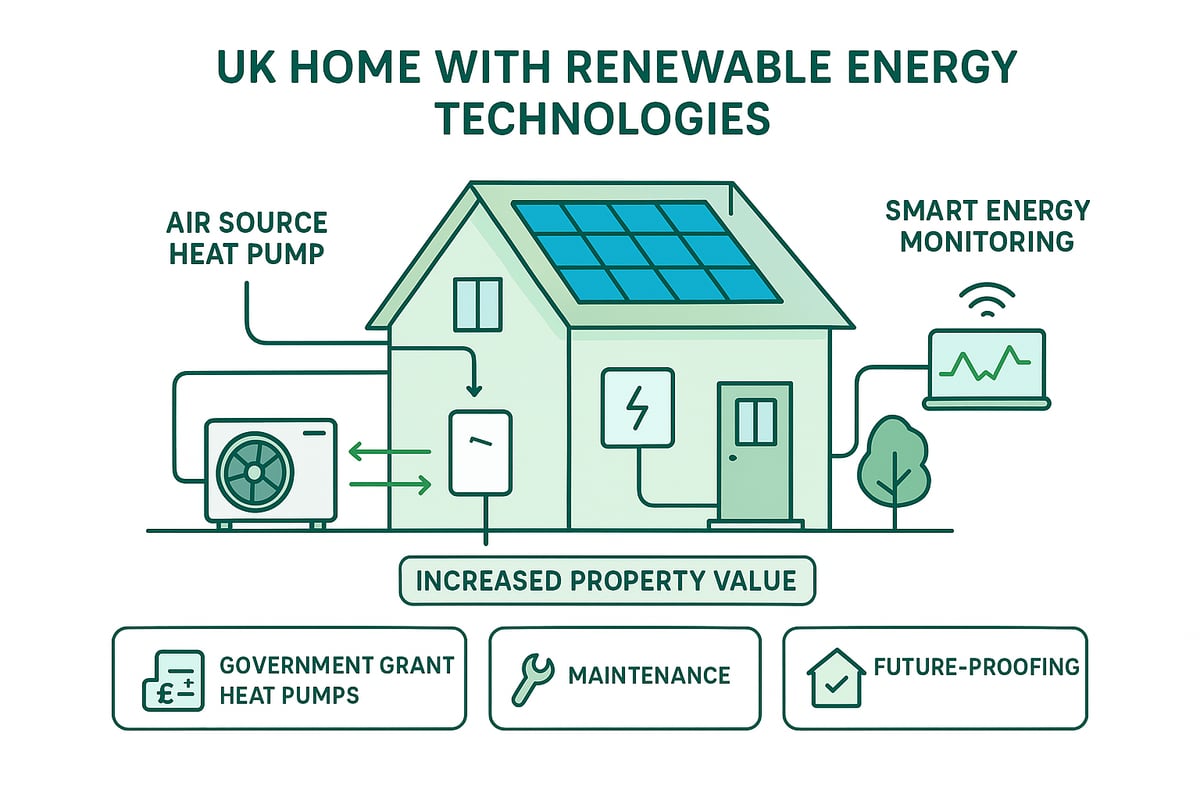
Government grant heat pumps can work alongside solar PV panels and battery storage to create a highly efficient, low-carbon home. Integrating these technologies allows you to use self-generated electricity to power your heating, reducing reliance on the grid.
By future-proofing your system, you ensure compliance with evolving energy standards and prepare for upcoming smart home innovations. Combining renewables can also make your property more attractive to eco-conscious buyers.
Maintenance and Monitoring for Maximum Savings
Government grant heat pumps require regular maintenance to maintain efficiency and reliability. Schedule annual servicing with your installer, check filters, and monitor system performance through manufacturer apps or smart thermostats.
Tracking your energy usage helps you spot trends and optimise settings. For detailed insights into efficiency and potential savings, see the energy-saving heat pump benefits guide. Proactive care extends system lifespan and protects your investment.
Avoiding Common Mistakes
Government grant heat pumps offer substantial savings, but several pitfalls can undermine results. Here is a quick reference:
| Mistake | Solution |
|---|---|
| Oversizing | Professional heat loss calculation |
| Poor placement | Avoid shaded or enclosed areas |
| Missed maintenance | Set annual reminders, use trusted pros |
Selecting the wrong installer or neglecting aftercare can lead to costly repairs. Always choose certified professionals and follow manufacturer guidance.
Cost, Value, and Real-World Example
Government grant heat pumps can significantly reduce heating bills and add value to your home. By combining a heat pump with solar PV, some households achieve near-zero energy costs and a future-ready property.
For a breakdown of installation expenses, typical running costs, and how grants influence your return on investment, consult this comprehensive guide to air source heat pump costs UK 2025. As government targets drive adoption, homes with modern, efficient heating systems become more desirable and resilient to future energy price shifts.
The landscape for government grant heat pumps is rapidly evolving, with bold national targets and innovative schemes shaping the market. As the UK accelerates towards net zero, homeowners and industry experts alike are keeping a close eye on what lies ahead.
The UK government has set an ambitious goal to reach 600,000 heat pump installations annually by 2028, a significant step in the journey to net zero. In recent years, the pace has quickened, with over 250,000 certified installations achieved, reflecting growing public interest and policy support. According to UK heat pump deployment statistics, the adoption rate surged in 2025, driven by increased awareness and substantial grants. This upward trend is expected to continue, with government grant heat pumps at the heart of the nation’s decarbonisation strategy.
Looking ahead, government grant heat pumps will benefit from evolving funding models. Schemes like the Boiler Upgrade Scheme and ECO4 are likely to see further adjustments, potentially increasing maximum grant values and expanding eligibility. Policymakers are reviewing regional allocations to ensure equitable access across England, Scotland, Wales, and Northern Ireland. Homeowners should stay informed on deadlines and updates, as future schemes may introduce new requirements or integrate with broader home energy efficiency programmes.
The future of government grant heat pumps is closely linked to technological innovation. Next-generation heat pumps are becoming more efficient, quieter, and easier to install. Hybrid systems, which combine heat pumps with traditional boilers, are gaining traction and may soon be supported by government schemes. Integration with smart thermostats and home energy management systems is also advancing, allowing homeowners to optimise energy use and savings. These developments ensure that grant-supported installations remain at the cutting edge of sustainable technology.
Policy changes are expected to shape the future landscape for government grant heat pumps. New building regulations may require renewable heating in new builds and major renovations. Additional incentives for integrating solar PV or battery storage with heat pumps could emerge, further enhancing the value proposition. Homeowners should be prepared for potential shifts in eligibility criteria, documentation standards, and the possibility of means-tested grants. Staying ahead of these changes will help maximise both financial and environmental benefits.
When comparing government grant heat pumps internationally, the UK is making substantial progress but still lags behind some European counterparts in uptake and funding levels. For example:
| Country | Annual Installations | Max Grant Value | Policy Focus |
|---|---|---|---|
| UK | 600,000 (target) | £7,500 | Net zero, retrofit |
| Germany | 700,000+ | €12,000+ | Decarbonisation |
| France | 500,000+ | €10,000 | Energy efficiency |
| Sweden | 60,000+ | €5,000 | Cold climate focus |
Experts predict that by 2026, the UK will close the gap, thanks to robust schemes and growing public awareness. With government grant heat pumps, British homeowners can expect increasing support, more efficient technology, and a vital role in the global transition to clean energy.