No products in the basket.
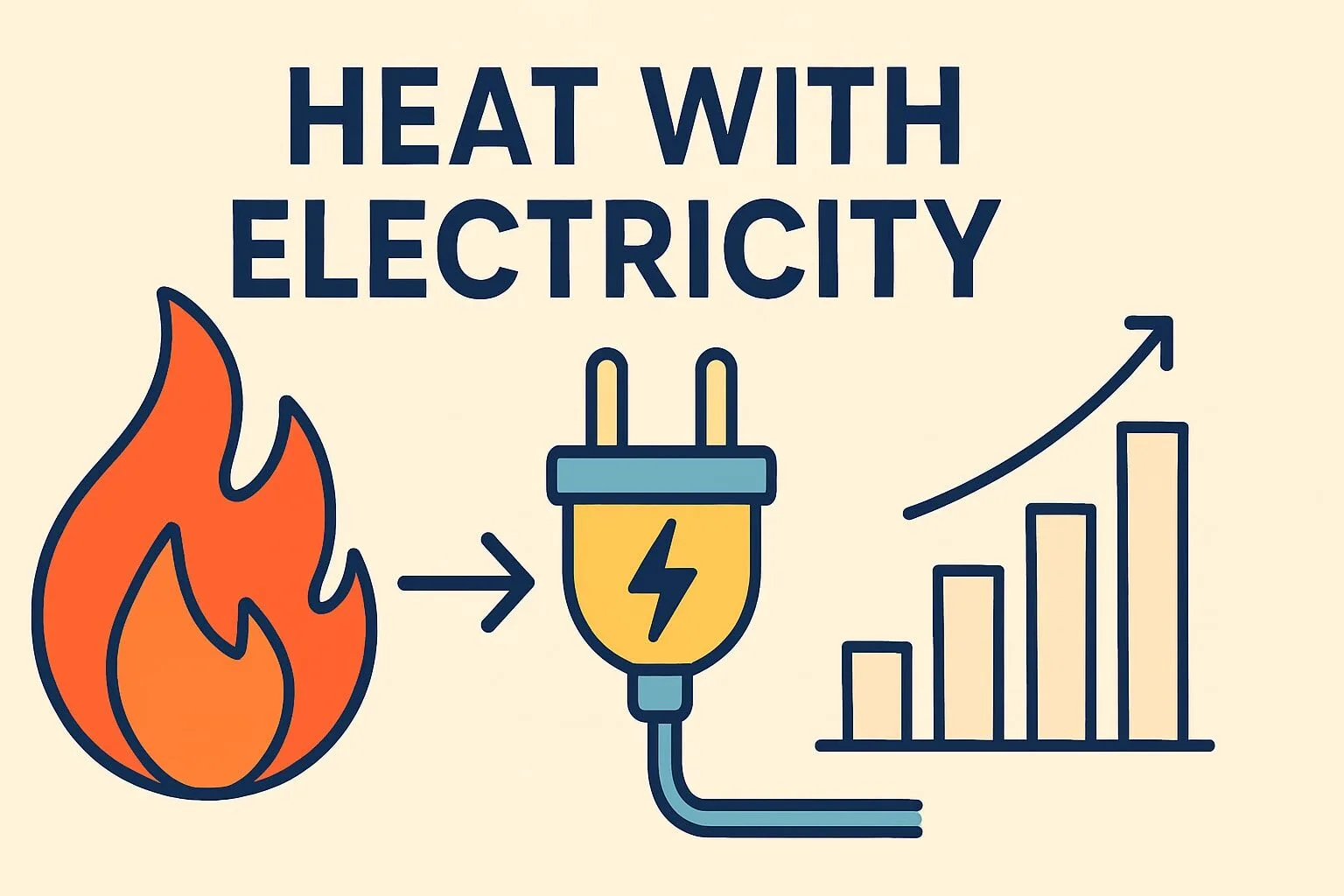
Energy prices are climbing, putting pressure on homeowners and property managers to find smarter ways to keep homes warm. As we move into 2025, the search for reliable, efficient alternatives becomes more urgent than ever.
This guide will show you how to heat with electricity, offering clear advice on the latest technologies, cost comparisons, and environmental benefits. You will learn practical steps for switching or optimising your system.
Our aim is to give you the confidence and knowledge to make the right choice. Discover how electric heating can save money, reduce your carbon footprint, and future-proof your property.
Electric heating has undergone a remarkable transformation over recent decades. Once considered a niche or secondary option, the choice to heat with electricity is now at the forefront of the UK’s transition to sustainable living. Early systems were basic, offering limited control and efficiency. Today, households benefit from advanced, responsive technologies that deliver both comfort and cost savings.
A number of powerful trends are driving the rapid evolution of electric heating in 2025. The ongoing rise in traditional energy prices continues to make the decision to heat with electricity more attractive for many homeowners. According to recent reports, the UK energy price cap has increased again, putting pressure on household budgets and making efficient alternatives ever more appealing. Alongside economic factors, government policy is playing a decisive role. With ambitious decarbonisation targets and the introduction of new legislation, such as the Great British Energy Act 2025, there is strong momentum for electrifying home heating. Policies now prioritise the reduction of carbon emissions and the expansion of renewable energy, creating a supportive environment for those looking to heat with electricity.
Technological innovation is at the heart of this movement. Modern electric radiators and high-efficiency panel heaters are designed to deliver rapid warmth with minimal energy loss. Infrared heating panels offer direct, comfortable heat, while underfloor electric systems provide even distribution throughout living spaces. Smart thermostats, zoning systems, and wireless controls give users unprecedented command over their energy use. Perhaps most notably, heat pumps—both air source and ground source—are emerging as the gold standard for those who want to heat with electricity efficiently. These systems extract ambient heat from the air or ground, delivering up to three or four times more energy than they consume. Hybrid systems, which blend electric and gas heating, add flexibility and resilience, especially in larger or older homes.
Integration with renewable energy sources is accelerating the shift towards cleaner and smarter heating. Homeowners can now pair their electric heating systems with solar PV or wind generation, storing excess energy in batteries for later use. Smart home integration allows for automation, remote control, and real-time energy monitoring, optimising when and how you heat with electricity. For a deeper look at how these systems work together, see this guide on Heat Pump and Solar Panels Integration, which explains how combining heat pumps with solar can dramatically increase efficiency and reduce your carbon footprint.
The impact of these changes is already visible in UK homes. As of 2024, over two million households have chosen to heat with electricity, marking a significant milestone in the journey to a low-carbon future. Real-world examples show that upgrading to modern electric heating technologies can cut annual energy bills by hundreds of pounds, while also improving comfort and air quality. Communities and developments that have fully electrified their heating are reporting not only financial savings but also enhanced control over their living environments.
In summary, the evolution of electric heating in 2025 is being shaped by a powerful combination of economic necessity, policy direction, and technological advancement. The choice to heat with electricity is no longer just a practical solution but a strategic investment in comfort, sustainability, and future-proofing your home.
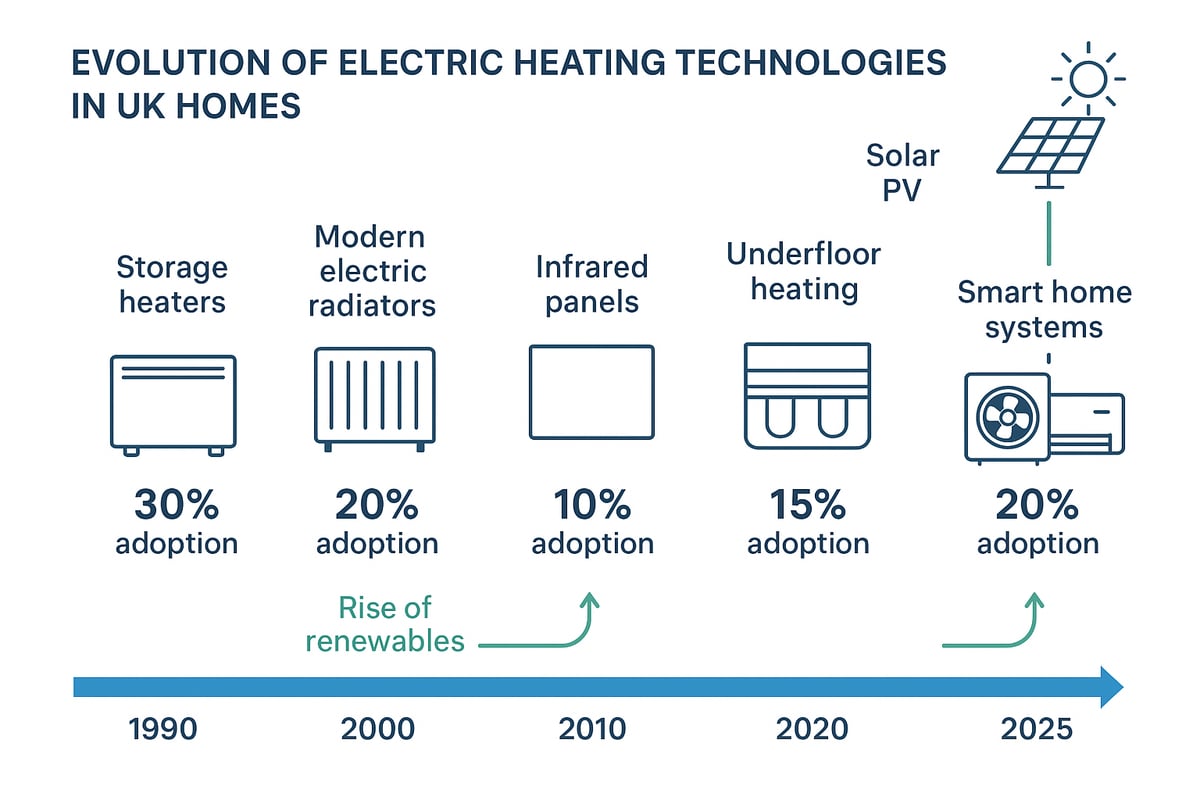
Choosing the best way to heat with electricity in 2025 means weighing up costs, efficiency, and the unique needs of your property. Each system offers distinct benefits, and understanding these differences is key to making an informed decision. Below, we break down the main options, so you can see which solution fits your home and budget.
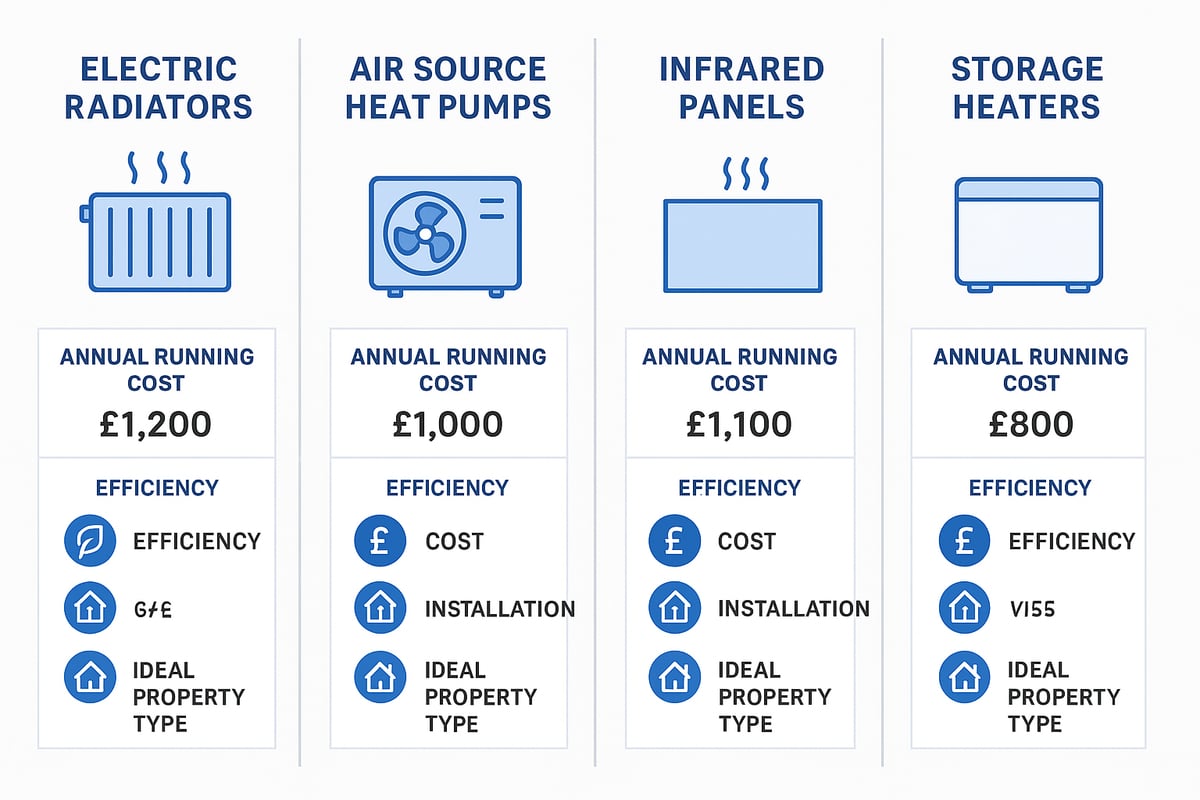
Modern electric radiators and panel heaters have evolved into highly efficient options for those looking to heat with electricity. These devices use advanced heating elements and intelligent thermostats to quickly warm up rooms and maintain consistent temperatures.
Pros:
Cons:
These systems are ideal for flats, small homes, or as supplementary heating in larger properties. For example, the average running cost per room per year is around £300 to £450, depending on insulation and usage patterns.
When compared to traditional storage heaters, electric radiators offer better control and responsiveness. However, they may not take full advantage of off-peak tariffs, so careful management is needed to maximise savings as you heat with electricity.
Heat pumps are now at the forefront for those who want to heat with electricity efficiently. They work by extracting latent heat from the air or ground, multiplying the input energy through a process known as the Coefficient of Performance (COP). For every unit of electricity used, a high-quality air source heat pump can deliver three to four units of heating energy.
Air Source Heat Pumps:
Ground Source Heat Pumps:
Hybrid Systems:
Annual savings compared to a gas boiler can reach £500–£1,000, especially in well-insulated homes. Heat pumps last 15–20 years with regular maintenance. For a detailed cost breakdown, visit Air Source Heat Pump Costs UK 2025.
Heat pumps are best for properties aiming to reduce carbon emissions and future-proof their heating. If you want to heat with electricity while keeping long-term bills low, a heat pump is often the most suitable choice.
Infrared heating panels offer a unique way to heat with electricity by emitting radiant heat that directly warms people and objects rather than the air. This method can create a comfortable environment with lower air temperatures, often resulting in energy savings.
Health Benefits:
Underfloor Heating:
Energy usage for infrared panels is typically around 0.4kWh per hour for a standard room, and underfloor systems average 10–15% lower running costs compared to traditional electric radiators.
These solutions are especially suitable for modern homes or specific rooms like bathrooms and kitchens. If you want to heat with electricity in a way that blends comfort and health, infrared and underfloor options are worth considering.
Storage heaters are a legacy option for those who heat with electricity, charging overnight on off-peak Economy 7 tariffs and releasing heat during the day. Modern models offer better insulation and control than older units.
Pros:
Cons:
With a smart meter and a well-managed schedule, savings of up to 25% compared to standard tariffs are possible. However, storage heaters are best suited for users with predictable heating patterns who want to heat with electricity on a budget.
Heating our homes has a significant impact on the environment. Traditionally, gas and oil boilers have dominated the UK, but as we look ahead to 2025, the shift to heat with electricity is accelerating. The main reason is the urgent need to reduce carbon emissions and move towards a more sustainable future.
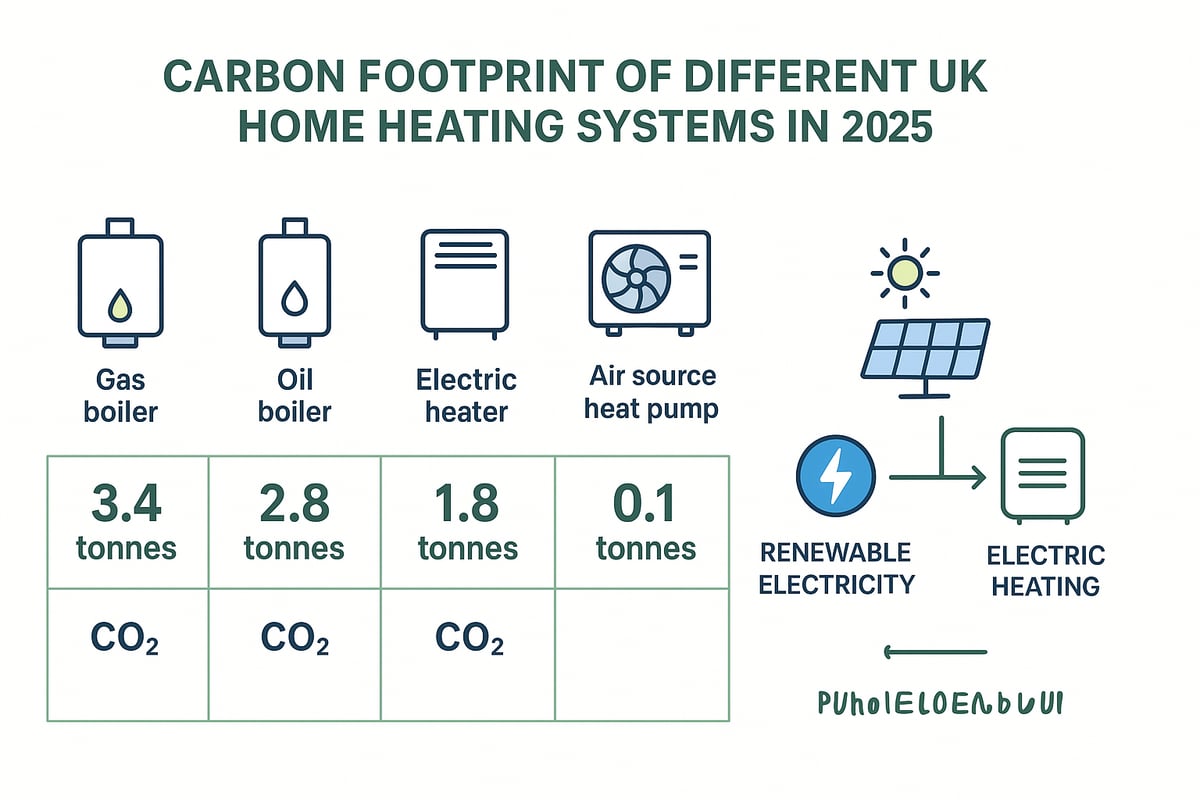
Recent years have seen a remarkable transformation in the UK’s electricity grid. As of 2024, more than half of the grid’s supply comes from renewables such as wind and solar. This means when you heat with electricity, your carbon footprint is dramatically lower than if you rely on fossil fuels. For example, electric heating systems can now deliver up to 70% fewer emissions compared to older gas boilers, especially when paired with green tariffs or on-site renewables.
The UK government’s Net Zero by 2050 target relies heavily on electrification of heating. By choosing to heat with electricity, homeowners and landlords directly contribute to these national goals. The government is supporting this transition with incentives and policies that favour low-carbon heating technologies. The Renewable Heating System Options page provides an in-depth look at various sustainable solutions available for UK properties.
Considering the full lifecycle, modern electric heating systems have a lower environmental impact not just during use, but also in manufacturing and disposal. Choosing products with recyclable materials and long warranties further minimises waste. Pairing electric heating with solar PV or wind generation on-site allows many homes to approach zero-carbon heating, cutting annual household CO2 emissions by up to 2 tonnes per year.
Let’s consider a real-world example. A typical UK home switching from a gas boiler to a heat pump can reduce annual CO2 emissions from 3.2 tonnes to less than 1 tonne. In some pioneering communities, entire developments have adopted electric heating and renewables, achieving near total decarbonisation of their energy use.
Key environmental benefits of switching to electric heating:
By making the decision to heat with electricity, you not only reduce your environmental impact but also future-proof your property against tightening carbon regulations.
Switching to heat with electricity in 2025 is more accessible than ever, thanks to a range of grants, incentives, and flexible financing options. Understanding the available support can significantly reduce your upfront costs and ongoing expenses, making sustainable heating a reality for more UK households.
The UK government continues to expand financial support for those looking to heat with electricity. The Boiler Upgrade Scheme now covers a broader range of technologies, including air-to-air heat pumps and heat batteries. Homeowners and landlords can access grants of up to £7,500, making a switch to electric heating systems far more affordable.
Eligibility typically depends on factors such as property type, current heating system, and energy performance. Both owner-occupiers and private landlords can apply, provided the property meets minimum insulation and EPC standards. The application process is straightforward, usually beginning with a certified installer assessment and then submission of supporting documents.
Timeframes for approval can be as short as a few weeks, but applicants are advised to prepare all necessary information in advance. The impact on payback periods is significant, with many households seeing their investment returned within five to seven years. For the latest details on scheme eligibility and expansion, visit the Boiler Upgrade Scheme expansion page.
With rising energy costs, utilising grants when you heat with electricity can offer immediate and long-term savings. Combining government support with efficient technology is key to maximising your investment.
For those who wish to heat with electricity but may not have the cash upfront, a variety of financing options are available. Pay-as-you-save schemes, green loans, and supplier-backed finance packages allow you to spread the cost of installation over manageable monthly payments. For example, the average monthly payment for a high-efficiency air source heat pump can be as low as £60–£90, depending on the system size and finance terms.
Comparing upfront costs with financed installations is essential. While upfront payments may lead to faster savings, financing allows more households to benefit from lower carbon heating without a large initial outlay. To maximise return on investment, select the most efficient system for your needs and take advantage of all available incentives.
Careful planning and comparison of offers ensure you get the best value as you heat with electricity, keeping costs transparent and manageable.
If you are ready to heat with electricity, working with experienced professionals is vital. U and I Renewables specialises in electric heating installations, from air source heat pumps to solar PV and battery storage. With over 17 years of experience, they hold full government approval and certification, ensuring compliance and quality.
U and I Renewables helps clients access grants of up to £7,500 and offers flexible finance options to suit different budgets. Their comprehensive service includes free quotes, tailored advice on the best heat with electricity solution, and ongoing maintenance for peace of mind.
Customers report savings of up to 50 percent on heating bills and up to 90 percent self-sufficiency when integrating battery storage. Whether you are in Yorkshire or elsewhere in the UK, their combination of local expertise and national reach makes them a reliable partner for your transition to electric heating.
Making the decision to heat with electricity in 2025 is a significant but rewarding step for UK homeowners. With rising energy prices and the urgent need to decarbonise, understanding the process is vital. This guide walks you through every phase, from assessing your property to ongoing care, ensuring your transition to heat with electricity is smooth, efficient, and cost-effective.
Before you heat with electricity, a thorough assessment of your home is essential. Start by evaluating insulation levels, double glazing, and your current heating system. A high EPC (Energy Performance Certificate) rating indicates strong energy efficiency, which is crucial for electric heating.
Use this checklist for your initial assessment:
A professional heat loss calculation will help determine the most suitable system if you plan to heat with electricity. This step ensures your electric heating upgrade will deliver optimal comfort and savings.
Selecting the correct system is key when you decide to heat with electricity. Match the system to your property’s size, layout, and needs. Options include electric radiators, heat pumps, infrared panels, and underfloor heating.
Consider efficiency, running costs, and control features. For example, heat pumps are ideal for well-insulated homes, while panel heaters suit smaller spaces. Use this simple decision matrix:
| System Type | Best For | Efficiency | Upfront Cost |
|---|---|---|---|
| Electric Radiator | Flats, small homes | Medium | Low |
| Heat Pump | Houses, new builds | High | High |
| Infrared Panel | Rooms, offices | High | Medium |
| Underfloor | Renovations, new | High | High |
Check for available grants, such as those listed on Air Source Heat Pump Grants, to make your switch to heat with electricity more affordable.
The process to heat with electricity starts with a survey by a qualified installer. Expect a detailed quote, followed by scheduling and preparation. Most electric radiator or panel installations take less than a day, while heat pumps may require several days and additional groundwork.
Prepare for minor disruption, especially if upgrading wiring or adding underfloor systems. After installation, the system will undergo safety checks and commissioning.
A typical heat pump installation schedule:
Certification ensures your new system is safe and ready to heat with electricity efficiently.
To maximise your savings as you heat with electricity, use smart thermostats and zoning controls for precise management. Pairing your system with solar PV or battery storage increases self-consumption and cuts bills.
Take advantage of off-peak tariffs and time-of-use rates to reduce costs. With the UK energy price cap increase in 2025, optimising your usage is more important than ever.
Sample annual savings when you heat with electricity and optimise usage:
Maintaining your system is essential to continue to heat with electricity efficiently. Most electric systems require minimal servicing, but heat pumps benefit from annual professional checks.
Follow this maintenance checklist:
Address minor issues promptly to ensure your ability to heat with electricity remains reliable and cost-effective year after year.
The future of sustainable homes in the UK is tightly linked to the decision to heat with electricity. As technology advances and the grid becomes cleaner, homeowners and developers are reimagining how warmth and comfort can align with environmental goals.
Modern homes increasingly heat with electricity using advanced systems. Smart grids, energy storage, and real-time monitoring allow homeowners to optimise usage and lower bills. Technologies such as heat pumps, infrared panels, and intelligent radiators are now integrated with solar PV and battery storage, maximising self-consumption. The convergence of electric heating with IoT devices means remote control, predictive scheduling, and automated efficiency are now standard features.
These trends make it easier for households to decarbonise while maintaining comfort.
A supportive policy landscape is crucial for the transition to heat with electricity. The Great British Energy Act 2025 aims to accelerate clean energy development, making it more affordable and accessible for UK homeowners. New incentives and regulations are expected to further reduce upfront costs and encourage the adoption of low-carbon systems. As government targets tighten, more grants and rebates for electric heating are likely to emerge, supporting both retrofits and new builds.
Communities across the UK are adopting collective solutions to heat with electricity, from district heat networks to shared solar arrays. Developers of new-build estates are prioritising all-electric, zero-carbon homes with integrated renewables. Market analysts predict robust growth for electric heating, with adoption rates expected to double by 2030 as technology matures and costs fall.
Summary Table: Projected Growth in Electric Heating (2025–2030)
| Year | % UK Homes Heated Electrically | Average Cost Savings | Grid Renewable Share |
|---|---|---|---|
| 2025 | 15% | £400/year | 55% |
| 2030 | 30% | £600/year | 70% |
Imagine a family in Yorkshire who choose to heat with electricity using a heat pump, solar PV, and battery storage. Their home maintains a constant, comfortable temperature year-round, with running costs halved compared to a gas boiler. Automated controls ensure peak efficiency, while smart meters enable use of the cheapest tariffs. This model is rapidly becoming the blueprint for sustainable living in the UK, showing that the future of heating is both electric and green.