
No products in the basket.
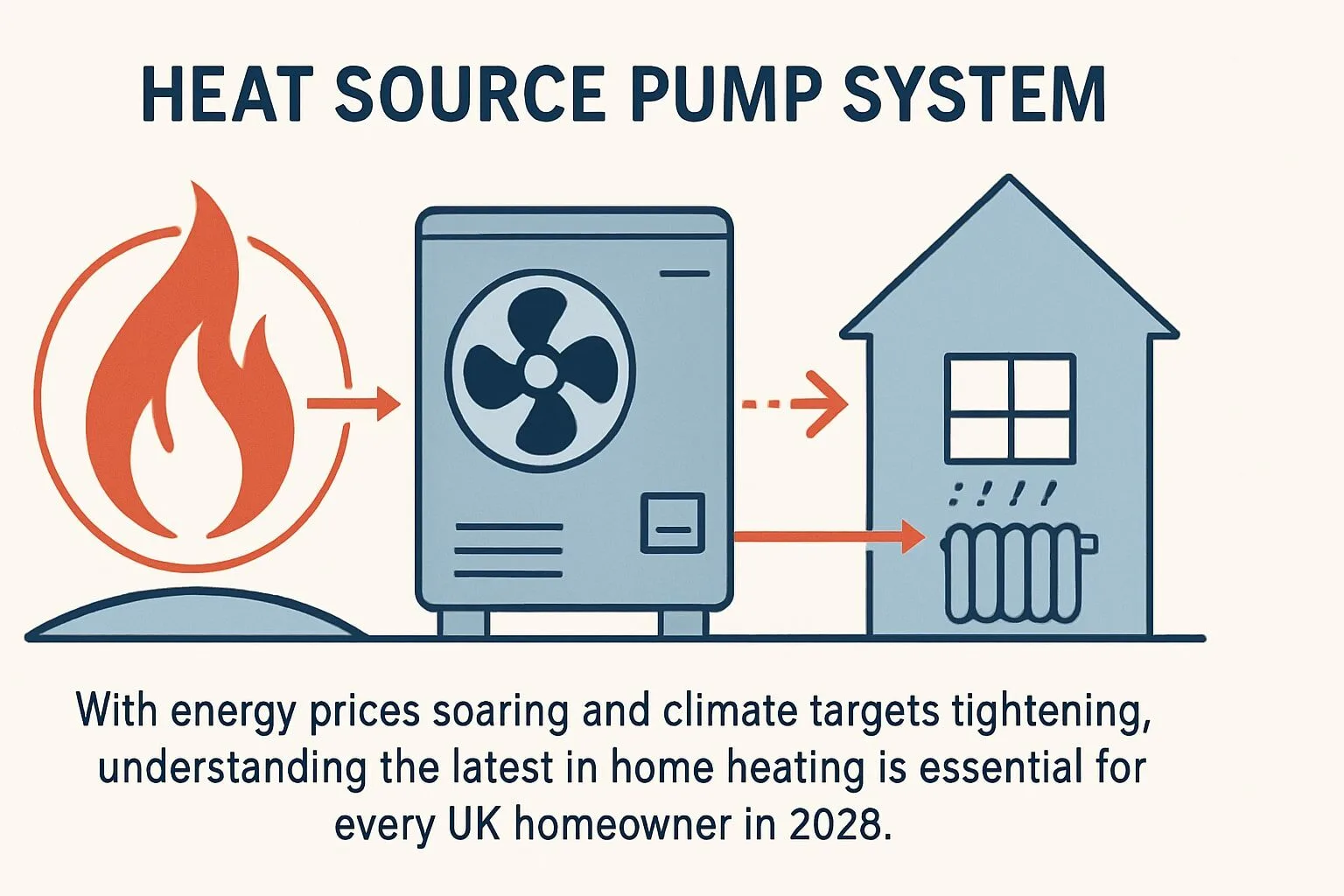

With energy bills rising and environmental targets becoming stricter, every UK homeowner faces important choices about heating. The heat source pump system is at the forefront of sustainable home heating for 2025, offering a modern solution to these challenges.
This essential handbook will guide you through everything you need to know about heat source pump system options. You will learn how these systems work, their advantages, the different types available, and the steps involved in installation. We will also cover the latest grants, regulations, and key maintenance tips.
By the end, you will be equipped to make confident, cost-effective, and eco-friendly decisions for your home heating upgrade.
Modern heating is changing, and the heat source pump system is at the heart of this transformation. These systems are designed to extract and concentrate heat from the environment, making them a smart alternative to traditional boilers. With energy costs rising, knowing how a heat source pump system works helps homeowners take control of their bills and invest in a sustainable future.
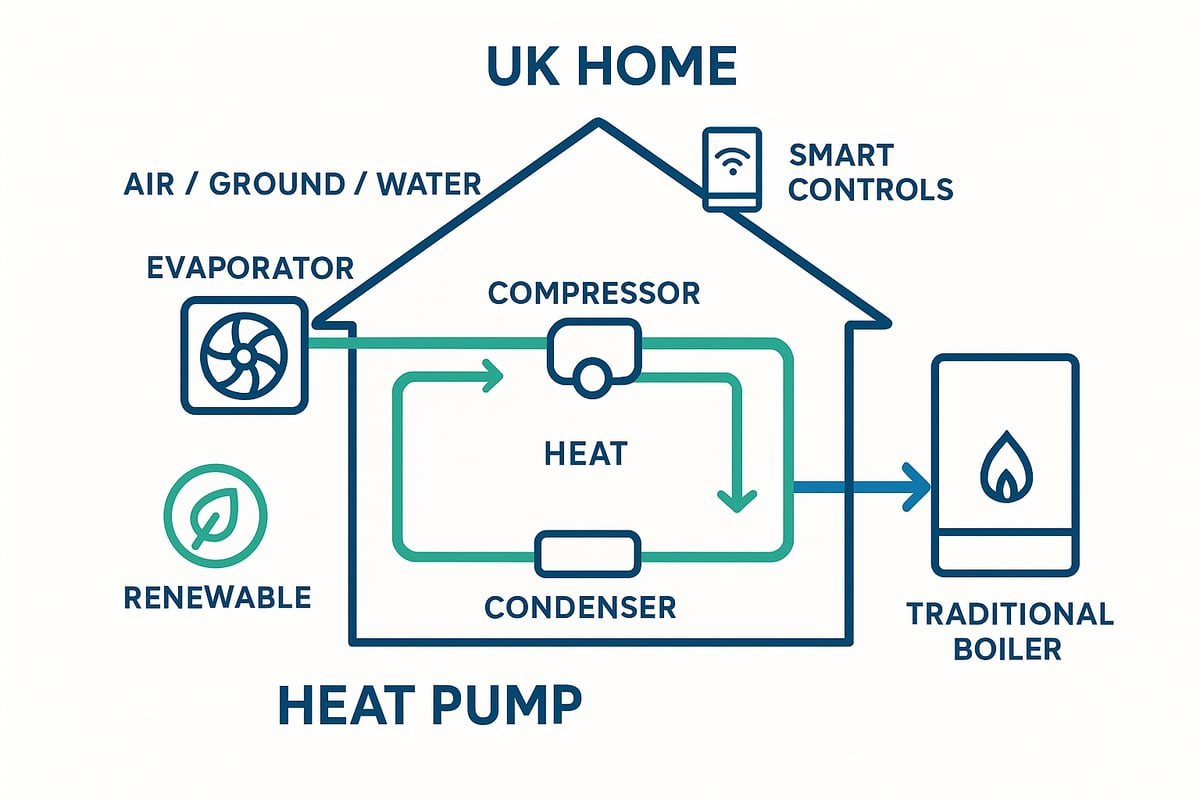
A heat source pump system is an advanced renewable heating solution that moves heat from outside into your home. The main components are the outdoor unit (which absorbs heat), compressor, heat exchanger, and refrigerant pipes. These systems harness energy from either the air, ground, or water, depending on the technology.
Unlike a gas boiler, which burns fuel to create heat, a heat source pump system simply transfers existing heat, making it far more efficient. For example, an air source pump extracts warmth from the air, while a ground source unit draws energy from the soil. This approach produces reliable heating and hot water for a variety of property types.
The operation of a heat source pump system relies on a clever cycle of heat transfer. First, the outdoor unit absorbs low-grade heat into a refrigerant. The compressor boosts the temperature, and the heat exchanger releases this warmth into your home’s heating circuit. The refrigerant cools, returns outside, and the process repeats.
Key technologies include compressors, heat exchangers, and special refrigerants. Efficiency is measured using the Coefficient of Performance (COP) and Seasonal COP (SCOP). In a typical UK winter, a heat source pump system can deliver three units of heat for every unit of electricity used. For an in-depth look at how these systems provide both heating and hot water, see the heat pump and hot water systems guide.
There are three main types of heat source pump system: air source, ground source, and water source. Each has unique strengths and limitations. Air source pumps are compact and ideal for urban homes, while ground source systems require more space and suit rural properties. Water source pumps need access to a nearby lake or river.
| Type | Pros | Cons | Best For |
|---|---|---|---|
| Air Source | Simple, affordable, quick | Noisier, less efficient | Most UK homes |
| Ground Source | High efficiency, quiet | Higher cost, space need | Rural, new builds |
| Water Source | Very efficient, stable | Site specific | Homes near water |
Choosing the right heat source pump system depends on your home’s location, space, and heating needs.
The heat source pump system stands out for its energy savings and low carbon emissions. According to the Energy Saving Trust, households can cut energy bills by up to 50%. These systems typically last 15–25 years, offering reliable performance.
However, the upfront cost can be significant, and the payback period usually ranges from 7 to 12 years. Some models may produce noise, and installation can be complex, particularly in older properties. Despite these drawbacks, the heat source pump system is a proven way to future-proof your home and reduce your environmental impact.
The heat source pump system is gaining ground across the UK. In 2023, over 50,000 installations were recorded, and numbers are expected to rise as the government pushes for net zero by 2050. Technology is advancing quickly, with smarter controls and better integration with home automation.
Homeowners are increasingly pairing their heat source pump system with solar panels and battery storage. The 2025 outlook is bright, as regulations favour low-carbon heating, and new grants make adoption more affordable. Expect to see more homes with connected, intelligent heat source pump system setups in the coming years.
Choosing the right heat source pump system for your property requires careful evaluation. Not all homes are equally suited, so understanding the key factors ensures your investment delivers maximum comfort and value. This section guides you through property requirements, system sizing, permissions, and financial considerations.
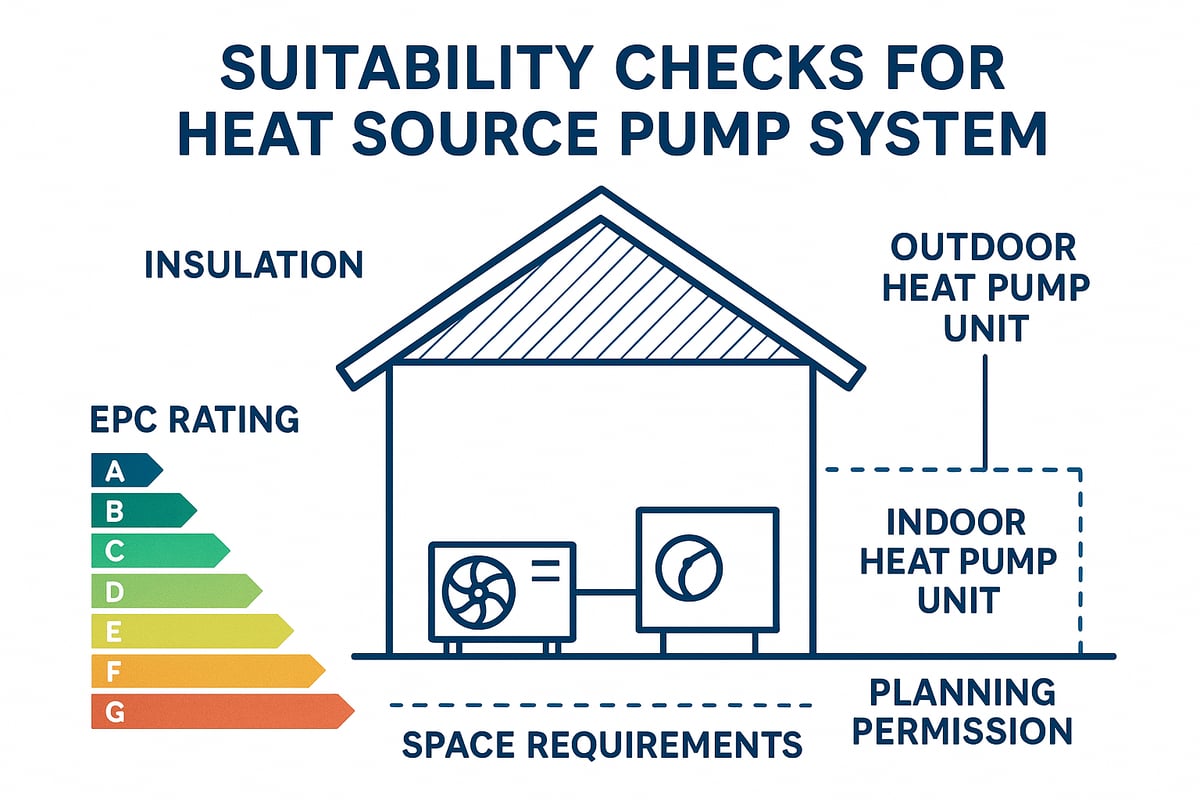
Before installing a heat source pump system, assess your home's insulation quality and overall energy efficiency. Properties with high EPC ratings (C or above) retain heat better, making them ideal candidates. Adequate wall, loft, and window insulation helps your system work efficiently.
Space is another key factor. Air source units need outdoor space with good airflow, while ground source systems require garden or land for trenches or boreholes. Consider if your current heating system can integrate, or if upgrades are needed for radiators or underfloor heating.
For example, retrofitting a Victorian terrace may demand more insulation upgrades and creative placement, while a new-build typically offers better compatibility. Always review your property's unique characteristics before proceeding with a heat source pump system.
Accurate heat loss calculations are crucial when planning a heat source pump system. A professional assessment measures how much heat escapes through walls, windows, and roofs, ensuring your chosen system can meet demand without waste.
Sizing tools and software consider factors like room dimensions, insulation, and air tightness. An undersized system struggles to maintain comfort, leading to higher bills and wear. Conversely, an oversized unit cycles inefficiently and costs more upfront.
For example, a three-bedroom semi-detached home with good insulation might need a 7 kW system, while a poorly insulated property of the same size could require a larger unit. Properly sized systems maximise efficiency and lifespan for your heat source pump system.
Understanding planning permissions and building regulations is essential for a compliant heat source pump system installation. In England, Scotland, and Wales, many domestic installations fall under permitted development rights, but conditions apply.
Key restrictions include minimum distances from property boundaries, limits on unit size, and noise output requirements. Urban settings may have tighter controls compared to rural areas. Always ensure MCS certification and check with your local authority for any additional codes.
Compliance is especially important in conservation areas or listed buildings. Early consultation prevents costly delays and ensures your heat source pump system meets all legal standards.
Investing in a heat source pump system involves comparing upfront costs with long-term savings. Typical installation costs range from £7,000 to £15,000, but government grants can significantly reduce this burden. Payback periods often fall between 7 and 12 years, depending on energy prices and system efficiency.
Electricity tariffs, especially heat pump-specific plans, impact running costs. For a detailed breakdown of installation and running costs, refer to this Air source heat pump costs breakdown.
Careful financial planning ensures your heat source pump system delivers strong returns, especially as energy prices fluctuate and incentives evolve.
Embarking on a heat source pump system installation is a significant investment in your home's efficiency and sustainability. Understanding each stage ensures you get the best outcome for your property and budget.
The journey starts with an expert consultation. A qualified installer will assess your property for suitability, collecting data on insulation, heating needs, and existing systems.
Expect questions about your current energy usage, hot water demand, and comfort preferences. This is the best time to discuss your expectations for the heat source pump system, including any concerns about disruption or running costs.
A thorough site survey ensures that your heat source pump system is tailored to your home, setting the foundation for a successful installation.
After the survey, the installer designs a bespoke solution. This includes sizing the heat source pump system accurately, factoring in property size, heat loss, and desired efficiency.
You will receive a detailed quotation outlining equipment, labour, and any additional works such as electrical upgrades. Timelines for the project are also clarified at this stage, helping you plan accordingly.
Comparing multiple quotes is wise, but ensure each proposal covers every aspect of the heat source pump system to avoid hidden costs later.
The UK government offers generous support for homeowners switching to renewable heating. The Boiler Upgrade Scheme can provide up to £7,500 towards your heat source pump system. For more details, review the air source heat pump grants available to eligible applicants.
To apply, your installer must be MCS certified, and your property must meet specific criteria. Many companies assist with the application process, helping you maximise savings and secure the best financing options.
Taking advantage of grants significantly reduces the upfront cost of your heat source pump system, improving your return on investment.
Preparation begins by clearing the installation area and carrying out safety checks. The outdoor unit is positioned with care to minimise noise and visual impact, while indoor components are integrated with your heating system.
Installers connect pipework, complete wiring, and ensure all elements of the heat source pump system are properly fitted. Most installations take between two and five days, with minimal disruption to daily life.
Clear communication from your installer at every stage helps you understand the process and timelines involved.
Once installed, the system is thoroughly tested to confirm correct operation and optimal performance. Engineers will set up the controls and provide a full demonstration, ensuring you know how to use your heat source pump system efficiently.
All documentation, including warranties, user guides, and MCS certificates, is handed over. This paperwork is essential for grant claims and future servicing.
A successful handover gives you confidence in operating your new heat source pump system from day one.
Ongoing support is crucial for long-term performance. Your installer should provide a maintenance schedule, detailing when to book annual services and what routine checks you can carry out yourself.
Common troubleshooting tips, such as cleaning filters or checking for obstructions, help keep your heat source pump system running smoothly. Warranty coverage and customer support options give peace of mind.
Reliable aftercare ensures your investment in a heat source pump system delivers lasting comfort and savings.
Selecting the right professional makes all the difference. Always choose an MCS-certified installer with proven experience in heat source pump system projects.
Ask for references, view previous installations, and inquire about their approach to customer care. Key questions include:
A reputable installer will offer transparent pricing and honest advice at every stage.
U and I Renewables provides fully certified heat source pump system installations throughout Yorkshire and the UK. With over 17 years of experience, they help homeowners access grants up to £7,500 and offer whole-house solutions.

Their directly employed engineers deliver transparent pricing, flexible finance, and 24/7 support. From initial survey to aftercare, U and I Renewables ensures your heat source pump system project is managed professionally and efficiently.
Request a free, no-obligation quote to start your journey toward a more sustainable home.
Choosing the right heat source pump system is just the beginning. To truly benefit, you need to operate and maintain your system efficiently. This section covers practical strategies to help you get the most from your investment, keeping running costs low and comfort high.
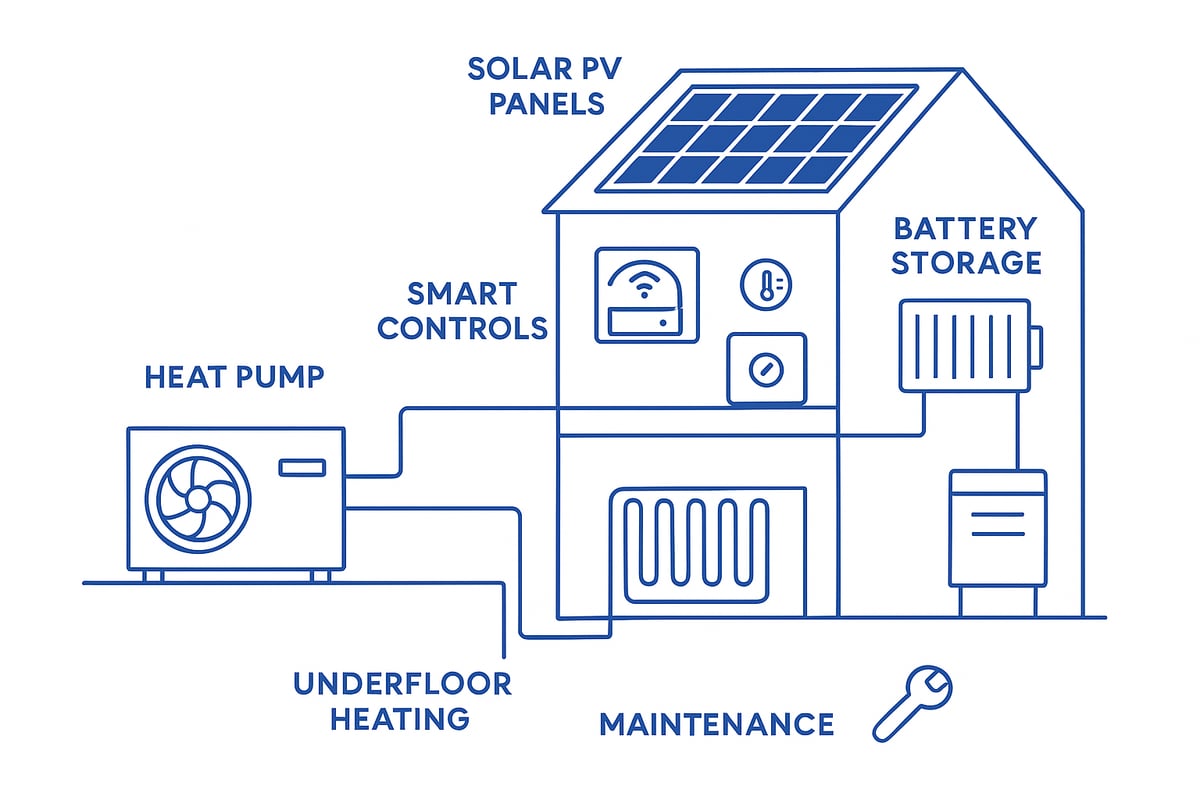
To maximise the efficiency of your heat source pump system, start by setting your thermostat between 18°C and 21°C. Avoid frequent temperature changes, as steady settings help your system work less and last longer.
If possible, pair your heat source pump system with underfloor heating or large radiators. These emitters work at lower temperatures, allowing the system to operate more efficiently. In colder months, adjust settings to match outdoor conditions, ensuring optimal performance.
Consider the following tips:
By fine-tuning usage habits, you can ensure your heat source pump system delivers reliable comfort and savings throughout the year.
Pairing your heat source pump system with solar PV panels and battery storage can take efficiency to the next level. By using electricity generated on-site, you reduce reliance on the grid and lower your energy bills.
Smart controls and home automation allow you to schedule heating when solar generation is highest. This synergy can help you achieve near-zero energy bills, especially when combined with a battery to store excess power for evening use.
For an in-depth overview of how these systems work together, the Renewable heating system guide offers practical examples and advice.
A hybrid approach not only maximises savings but also future-proofs your home against rising energy costs.
Keeping your heat source pump system in top condition requires regular attention. Schedule an annual service with a certified technician, who will inspect refrigerant levels, clean filters, and check for leaks.
DIY maintenance is simple but essential. Clear debris from outdoor units, clean or replace air filters every few months, and ensure vents remain unobstructed. This helps maintain airflow and system efficiency.
Professional servicing typically costs £100 to £200 per year, a worthwhile investment to extend the lifespan of your heat source pump system and maintain warranty coverage.
If your heat source pump system produces less heat than expected or makes unusual noises, simple checks can often resolve the problem. Start by inspecting filters and vents for blockages, and ensure the thermostat settings are correct.
For error codes or persistent issues, consult the user manual. In winter, frost build-up on the outdoor unit can occur. Most systems have automatic defrost cycles, but if ice persists, call a professional.
Knowing when to tackle issues yourself and when to seek expert help ensures your heat source pump system remains reliable and efficient.
Advancements in technology mean your heat source pump system can improve over time. Many systems offer software updates and remote monitoring, helping you track performance and spot issues early.
Consider upgrading your controls to smart thermostats for better scheduling and integration with other technologies. Preparing for future regulations is wise—look for compatibility with new energy tariffs and smart grid initiatives.
By staying proactive, you ensure your heat source pump system remains efficient, compliant, and ready for future changes in the UK energy landscape.
Facing the transition to a heat source pump system in 2025, understanding the evolving incentives landscape is crucial. Grants, tax breaks, and policy changes are shaping the market, making the switch more accessible and financially attractive. This section outlines the most important updates every UK homeowner should know.
The Boiler Upgrade Scheme remains the cornerstone grant for homeowners investing in a heat source pump system. In 2024, the government increased the grant to £7,500, making the technology significantly more affordable for households across England and Wales.
Eligibility requires replacing an existing fossil fuel system with a qualifying heat source pump system. The application process is straightforward, with installers often handling submissions. For more details on the grant increase and how it benefits homeowners, see the official heat pump grants increased by 50% announcement.
Success rates for grant approvals are high when applications are complete and properties meet basic requirements. For example, a semi-detached homeowner in Leeds recently received the full £7,500 grant, reducing their upfront costs and shortening payback time considerably.
To further incentivise the adoption of a heat source pump system, the UK government has set VAT at zero percent for installations from 2022 to 2027. This reduction applies to both the unit and associated works, immediately lowering the initial investment needed.
Homeowners can also benefit from off-peak electricity tariffs and heat pump-specific plans, which reduce running costs by aligning usage with cheaper energy periods. For instance, time-of-use tariffs can yield notable annual savings, particularly when combined with smart controls.
Comparing tariffs from different suppliers is essential to maximise the cost-effectiveness of your heat source pump system. Many providers now offer flexible plans tailored to renewable heating, unlocking further savings for proactive households.
From 2025, new building regulations require heat source pump system installations as the default for new homes. This policy aligns with the UK's net zero 2050 roadmap and aims to accelerate the shift away from gas boilers.
Interim milestones, such as phasing out fossil fuel systems in new properties, are designed to support the long-term decarbonisation of home heating. These measures not only future-proof your property but can also enhance its value and appeal to eco-conscious buyers.
Staying informed about regulatory updates ensures your heat source pump system investment remains compliant and continues to deliver both environmental and financial returns.
Navigating the evolving landscape of heat source pump system incentives is easier with the right resources. The UK government regularly updates its official websites and helplines with the latest grant and policy information.
Independent organisations like the Energy Saving Trust and EST Scotland offer impartial advice, while online community forums provide peer support and real-life experiences from other homeowners.
By staying connected to these resources, you can make informed decisions, avoid common pitfalls, and ensure your heat source pump system delivers maximum value for years to come.
Understanding the details of a heat source pump system can feel overwhelming. Below, we answer the most common questions UK homeowners ask about these innovative heating solutions.
A heat source pump system typically offers lower running costs than a traditional gas boiler, especially as gas prices fluctuate. The system works by transferring ambient heat, making it highly efficient. On average, a modern heat source pump system can save homeowners up to 50% on their annual heating bills, according to the Energy Saving Trust.
| System Type | Avg. Annual Cost (3-bed home) | Typical Savings |
|---|---|---|
| Gas Boiler | £1,200 | — |
| Heat Source Pump System | £600–£750 | £450–£600 |
Recent statistics in the UK Heat Pump Market 2025 Report show a steady increase in installations as more homeowners seek cost savings and future-proof solutions.
The average lifespan of a heat source pump system ranges from 15 to 25 years, depending on usage and maintenance. This is comparable to or even longer than most gas boilers. High-quality components and regular servicing help extend the system's operational life.
To maximise longevity, follow a recommended maintenance schedule and address any minor faults promptly. Well-maintained systems often reach the upper end of the lifespan range, ensuring your investment in a heat source pump system delivers value for decades.
Noise is a common concern when considering a heat source pump system. Modern units are designed for quiet operation, typically producing 40–60 decibels, which is similar to a standard air conditioning unit or a quiet conversation.
Proper placement of the outdoor unit, such as keeping it away from bedroom windows, further reduces disturbance. With professional installation and sound-dampening measures, a heat source pump system will not disrupt daily life for most households.
In many cases, a heat source pump system can be connected to existing radiators, but efficiency depends on radiator size and condition. Older radiators may be too small to provide effective heat at the lower flow temperatures used by heat pumps.
Upgrading to larger or more efficient radiators might be necessary to get the best performance. Homeowners often find the cost of upgrading radiators is offset by the long-term savings and comfort improvements a heat source pump system provides.
A well-designed heat source pump system continues to operate efficiently in typical UK winter conditions, although performance can drop slightly in sub-zero temperatures. Most systems include built-in defrost cycles and can maintain indoor comfort even during cold snaps.
In rare cases of prolonged severe cold, a supplementary electric heater or hybrid system may be recommended. Research on factors influencing heat pump adoption shows that, with proper sizing, a heat source pump system remains reliable even in challenging climates, as demonstrated in Scotland and Scandinavia.