No products in the basket.
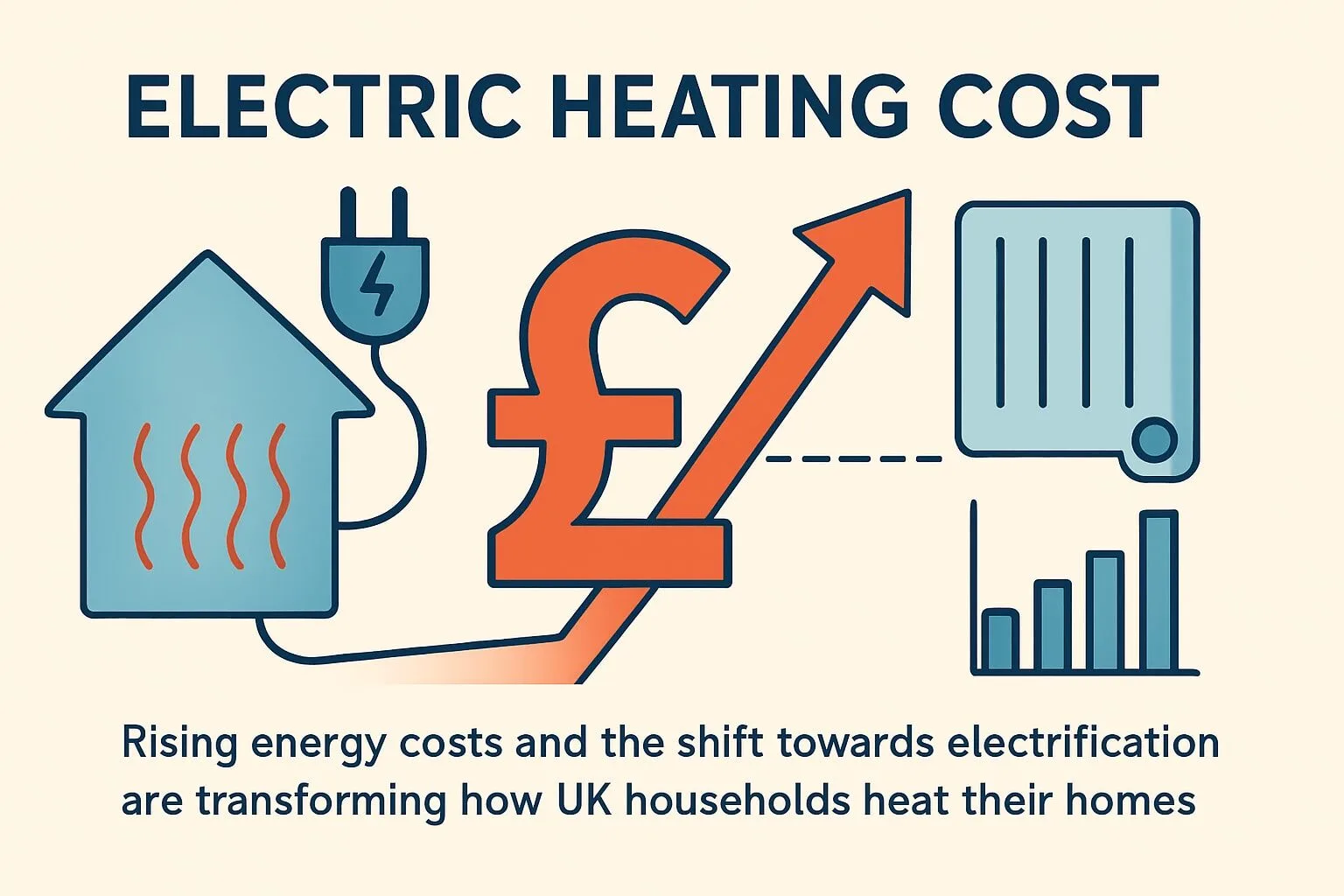
Rising energy bills are prompting many UK households to rethink how they heat their homes. The shift towards electrification is accelerating, making it more important than ever to stay informed.
This guide will help you understand what to expect regarding electric heating cost in 2026. With energy prices in flux and new technologies emerging, knowing your options can make a big difference to your comfort and budget.
We will break down the key factors affecting costs, compare electric with other heating types, analyse future trends, and share practical tips to help you save. If you want to keep your heating bills under control, you are in the right place.
Electric heating systems are evolving rapidly across the UK, offering households a range of solutions to match different needs and budgets. Understanding the options, costs, efficiency, and environmental impacts will help you make the best decision for your home.
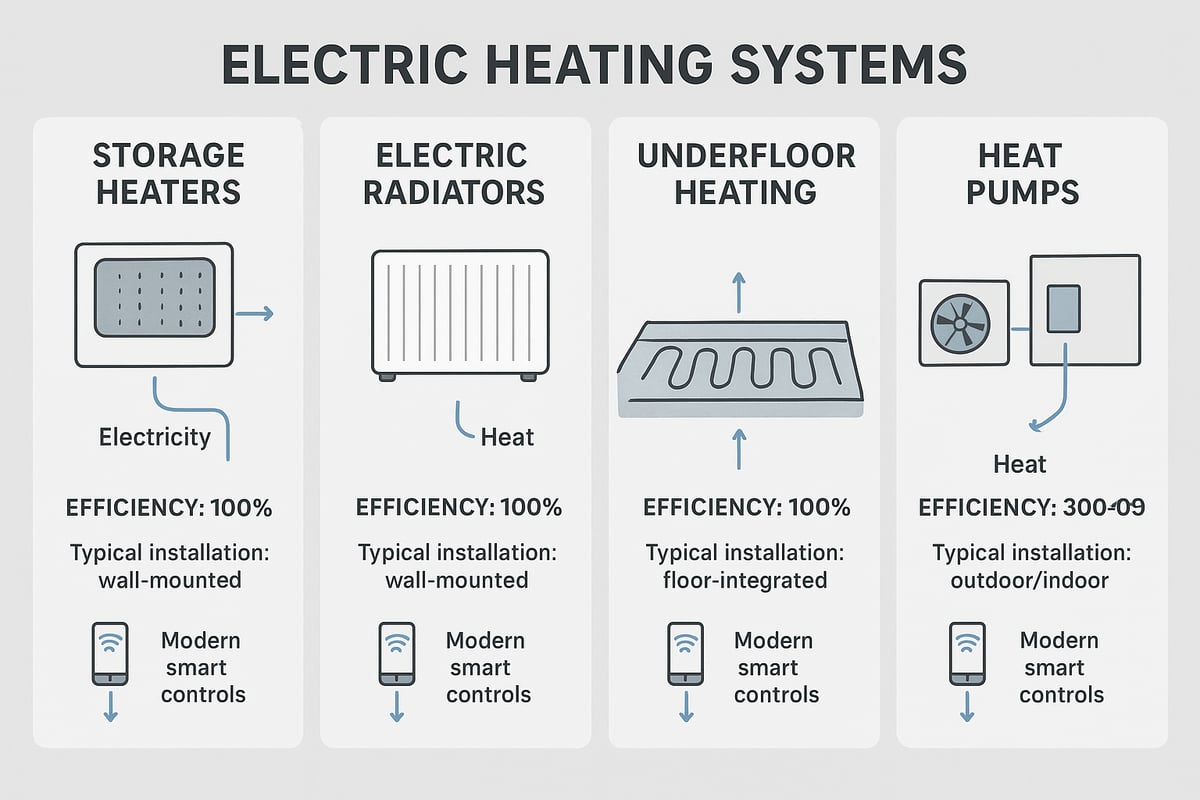
There are four main electric heating systems found in UK homes: storage heaters, electric radiators, underfloor heating, and heat pumps. Each system delivers heat differently. Storage heaters absorb electricity at night and release warmth during the day. Electric radiators provide instant heat with precise room control. Underfloor heating offers even warmth across floors, ideal for bathrooms and open-plan spaces. Heat pumps extract heat from outside air or ground and transfer it indoors.
Efficiency varies by system. Modern storage heaters and radiators often include smart controls and zoning for better management. Heat pumps, in particular, can achieve conversion rates of 300 percent or more. Popular brands include Dimplex, Fischer, and Mitsubishi. For a more detailed overview, see Electric heating system options.
Installation costs for electric heating systems depend on the type you choose. Storage heaters and electric radiators typically cost £800 to £2,500 per system to install, while underfloor heating ranges from £2,000 to £5,000. Heat pumps require a higher upfront investment, often between £7,000 and £13,000. Annual running costs for an average UK home can vary from £700 for storage heaters to £1,500 or more for heat pumps, depending on insulation and usage.
Factors such as property size and installation complexity influence electric heating cost. Maintenance is generally minimal for electric radiators and storage heaters, while heat pumps may need annual servicing. For a three-bedroom home, expect upfront costs to range from £2,000 for radiators to over £10,000 for a heat pump, with annual bills reflecting system efficiency.
Several factors affect the efficiency and overall electric heating cost in your home. Well-insulated, newer properties retain heat better, reducing energy demand. Smart thermostats and zoned controls can lower bills by only heating rooms when needed. Seasonal changes, such as cold UK winters, can increase electricity use.
A common misconception is that all electric heating is inefficient. Upgrading from old storage heaters to modern alternatives can cut consumption significantly. For example, a household switching to high-efficiency radiators and smart controls reported a 20 percent reduction in annual costs.
When considering electric heating cost, it is essential to weigh up environmental impacts. Electric systems generally produce lower emissions than gas or oil, especially as the UK grid continues to decarbonise. The government's goal is to achieve carbon neutrality by 2050, making electric heating increasingly sustainable.
Integrating renewables, such as solar panels, further reduces carbon footprint. Heat pumps are particularly eco-friendly, cutting emissions by up to 70 percent in well-insulated homes compared to traditional boilers. These advancements support both lower running costs and environmental targets.
Understanding the 2026 electric heating cost landscape is essential for UK households planning their budgets. With energy prices in flux and new systems entering the market, a clear cost breakdown helps you stay ahead. Let's explore what you can expect to pay, what influences these costs, and how to make smart choices for your home.
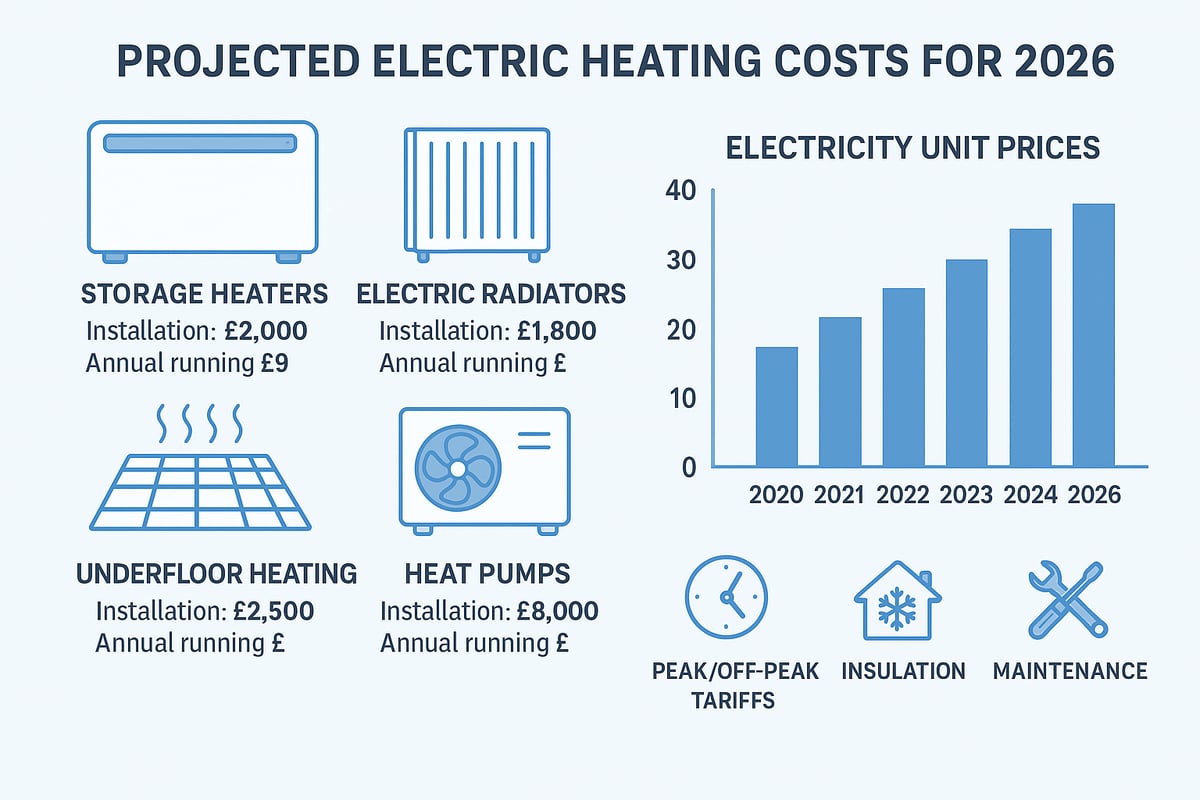
Electricity prices are a primary driver of electric heating cost. Ofgem forecasts and recent trends suggest a steady rise in unit prices due to a changing energy mix, policy updates, and increased transmission charges. By January 2026, the UK energy price cap is set to reach £1,758, reflecting a 0.2% increase compared to the previous period. This cap directly impacts household bills and is shaped by factors such as global energy demand and supply chain pressures.
The average unit price per kWh is expected to be around 28-30p in 2026. For context, this represents a significant jump from approximately 17p per kWh in 2020. For more details on the latest figures, see the UK energy price cap increase. Monitoring these trends is vital for forecasting your future electric heating cost.
To estimate your annual electric heating cost, consider both the system type and your property size. Below is a summary for 2026 projections:
| System Type | Small Flat (1-2 bed) | Average Home (3 bed) | Large Home (4+ bed) |
|---|---|---|---|
| Storage Heaters | £800 | £1,200 | £1,700 |
| Electric Radiators | £900 | £1,300 | £1,850 |
| Underfloor Heating | £950 | £1,400 | £2,000 |
| Heat Pumps | £550 | £900 | £1,200 |
For example, a 2-bedroom flat using storage heaters may face a 2026 electric heating cost of £800, while a 4-bedroom house with underfloor heating could pay around £2,000 annually.
Tariff selection can significantly affect your electric heating cost. Economy 7 and Economy 10 tariffs offer lower night rates, making them ideal for storage heaters. Smart meters help track usage and optimise heating schedules, allowing you to shift more consumption to off-peak hours.
Households using storage heaters on Economy 7 can save up to 30% compared to standard tariffs. To maximise savings, set timers to charge heaters during cheaper periods and avoid high usage during the day. Choosing the right tariff is a smart way to manage your electric heating cost effectively.
Several factors cause electric heating cost variations between households:
For instance, two identical homes in different regions, with different insulation and occupancy patterns, can see a £500 difference in annual electric heating cost.
Government interventions play a crucial role in electric heating cost. Green levies, VAT (typically 5% for domestic use), and support schemes can all impact your bill. Incentives like the Boiler Upgrade Scheme or VAT reductions on energy-efficient installations help reduce upfront and ongoing expenses.
By 2026, new policies may introduce further support for low-carbon electric heating solutions. For example, a household installing a heat pump with grant support could see a reduced electric heating cost both at installation and over the lifetime of the system.
Maintenance is an often-overlooked part of electric heating cost. While electric systems generally require less servicing than gas boilers, regular checks ensure efficiency and longevity.
Typical costs include:
A five-year ownership cost for electric radiators, including maintenance, will generally be lower than servicing and repairing a traditional gas boiler, making them a cost-effective option for many UK households.
Choosing the right heating system for your home is a major financial decision. The electric heating cost you face in 2026 will depend on how electric options stack up against traditional systems like gas, oil, and LPG. Let’s break down the key differences across cost, efficiency, and long-term value.
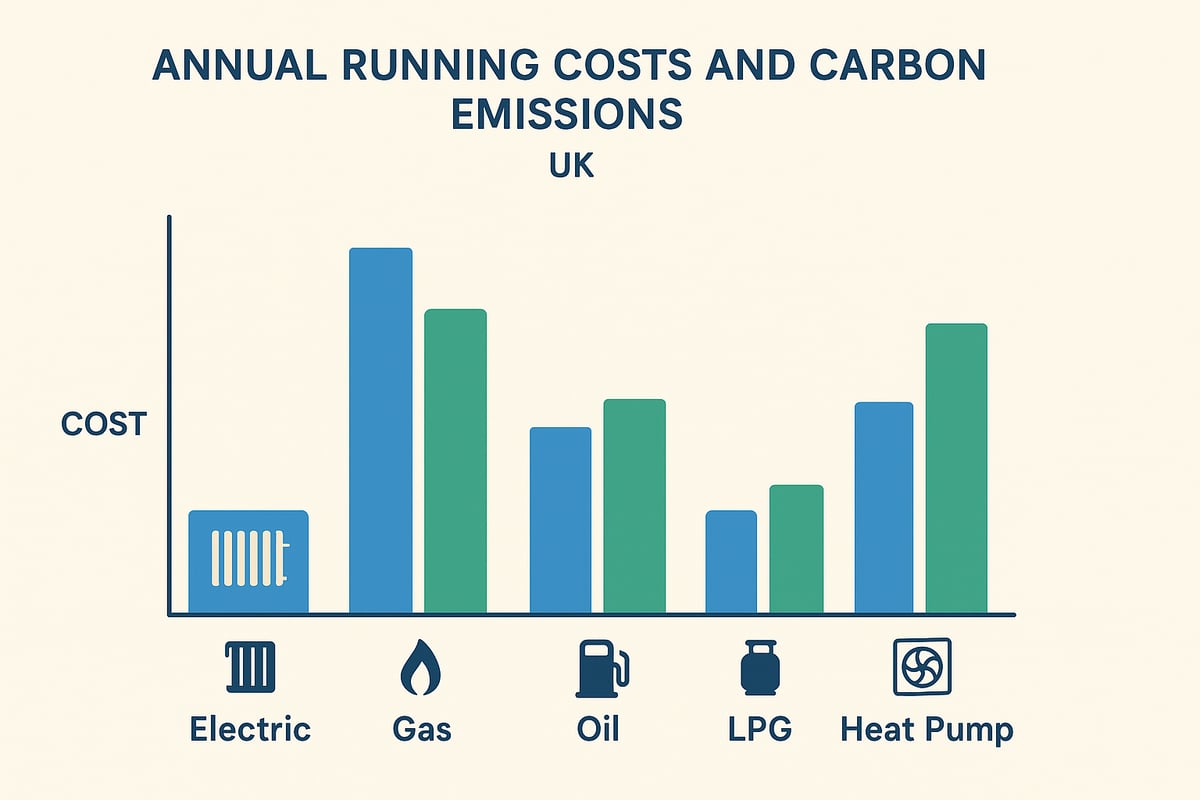
When comparing the electric heating cost to gas, oil, or LPG, upfront and annual expenses differ significantly. In 2026, the average gas boiler installation is projected at £2,500–£3,000, with annual running costs for a standard home around £1,300. Oil boilers cost more to install, averaging £3,500, and yearly bills can reach £1,800, especially in rural areas. LPG sits between, with higher fuel costs and similar installation prices.
| System | Upfront Cost | Annual Cost (2026) |
|---|---|---|
| Gas Boiler | £2,500–£3,000 | £1,300 |
| Oil Boiler | £3,500 | £1,800 |
| LPG Boiler | £2,500–£3,500 | £1,600 |
| Electric | £1,500–£4,000 | £1,200–£2,000 |
Regional fuel availability and fluctuating fuel prices can drive bills even higher for oil and LPG users. For a detached home, the electric heating cost may now be on par with or slightly higher than gas, but it offers more predictable pricing.
Heat pumps are rapidly gaining traction as a key solution for lowering the electric heating cost over time. While the installation of an air source heat pump ranges from £7,000 to £13,000, these systems are highly efficient, delivering up to 4kWh of heat for every 1kWh of electricity used. This efficiency can cut annual running costs to £800–£1,200 for a well-insulated home, especially when paired with solar panels or battery storage.
For a detailed analysis of current and projected costs, the Air source heat pump costs UK page provides an in-depth breakdown. When comparing heat pumps to electric radiators in a new-build property, the long-term savings and carbon reduction can be substantial.
Environmental goals and legal regulations are reshaping the landscape of home heating. The UK’s net zero targets are driving the phase-out of new gas and oil boiler installations, with a ban on gas boilers in new homes set for 2025. Oil and LPG systems face similar restrictions soon after.
Electric heating cost is increasingly influenced by grid decarbonisation, as more renewable energy enters the mix. Electric systems align well with future regulations, ensuring compliance and long-term sustainability. The shift towards low-carbon heating technologies is accelerating as government incentives make upgrades more attractive.
Beyond price, homeowners are considering comfort and flexibility. Electric systems offer rapid response times, precise room-by-room control, and seamless integration with smart home platforms. Modern electric radiators and underfloor systems can be programmed remotely, giving families more control over their environment.
Switching from gas to electric can improve indoor air quality and safety, eliminating combustion by-products. For many, the electric heating cost is justified by the increased convenience, better zoning, and improved comfort levels, especially in homes with varying occupancy patterns.
Investing in an energy-efficient heating system has a direct impact on property value. Homes with modern electric heating often achieve higher Energy Performance Certificate (EPC) ratings, which are increasingly important to buyers in a decarbonising market. Many property seekers now prioritise sustainability and low running costs.
A house with a high EPC score and a low electric heating cost stands out in the market, especially as government policy continues to favour green technologies. Upgrading to electric or renewable systems can future-proof your home and enhance its appeal to eco-conscious buyers.
Managing your electric heating cost in 2026 does not have to be overwhelming. With energy prices fluctuating and new technologies emerging, knowing where to focus your efforts can make a substantial difference. Below, discover proven strategies to help you lower your bills, improve comfort, and support sustainability.
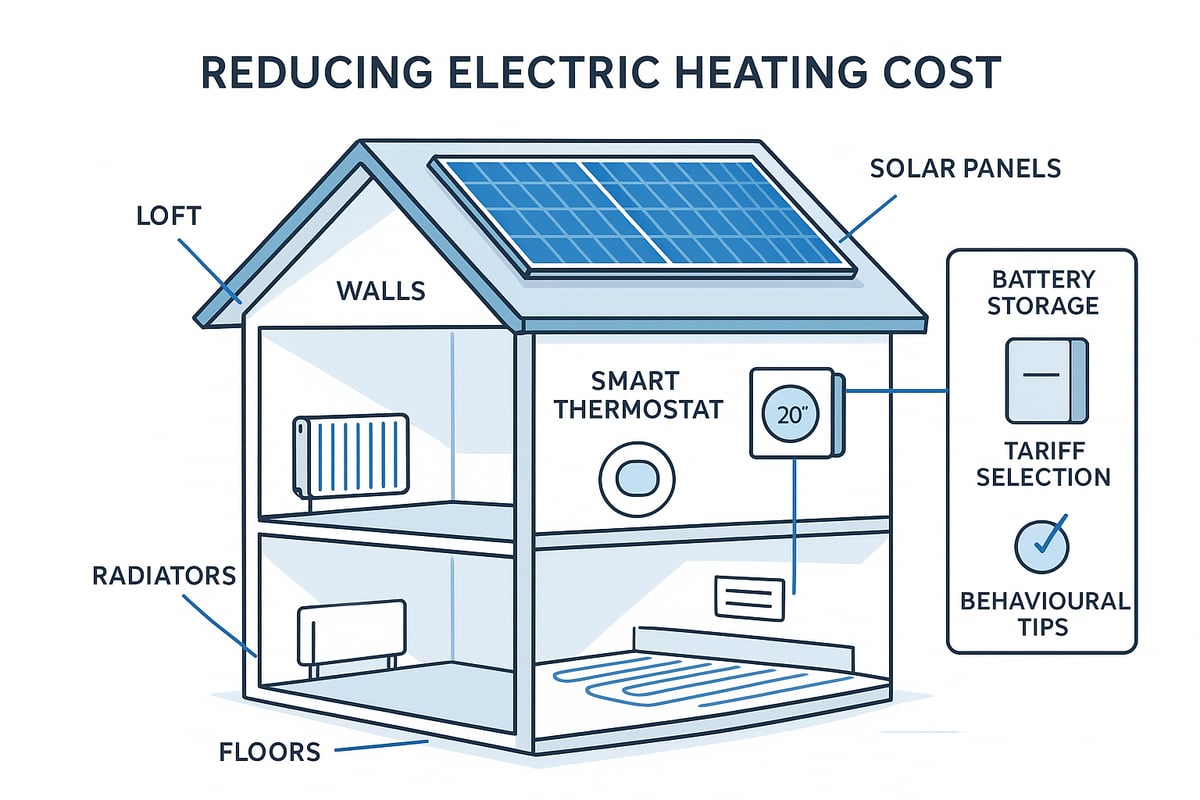
One of the most effective ways to cut your electric heating cost is by upgrading insulation. Walls, lofts, and floors are the biggest sources of heat loss in UK homes. By sealing these areas, you can prevent warm air from escaping, reducing the amount of energy needed to maintain a comfortable temperature.
Typical costs for insulation upgrades vary. Loft insulation might cost £400 to £600, while cavity wall insulation can range from £800 to £1,500. These investments often pay back within five years through reduced bills.
For example, upgrading a 1930s semi-detached home with modern insulation can save up to £400 a year. Programmes like the Energy Company Obligation scheme may offer support for eligible households, making these improvements even more accessible.
Upgrading to smart controls is a practical way to manage your electric heating cost. Programmable thermostats and smart radiator valves allow precise temperature control in each room. This means you only heat the spaces you use, when you need them.
Smart controls can be integrated with home automation platforms, enabling remote access via smartphone or voice assistants. Zoning and scheduling features help prevent energy waste, especially in larger homes.
A case study found that a household using smart controls achieved a 15% reduction in annual heating bills. Investing in these technologies not only saves money but also increases day-to-day comfort and convenience.
Selecting the optimal tariff can have a significant impact on your electric heating cost. Compare fixed, variable, and time-of-use tariffs to find the best fit for your usage pattern. Households with storage heaters or heat pumps may benefit from Economy 7 or similar tariffs, which offer cheaper rates during off-peak hours.
Switching suppliers is another effective way to save. Use reputable energy comparison tools to identify competitive rates and consider green energy tariffs for added environmental benefit.
For example, a typical household switching from a standard variable tariff to a time-of-use tariff can save up to £200 annually, especially if they shift heating to off-peak hours.
Regular maintenance is crucial for keeping your electric heating cost under control. Dust and debris can reduce system efficiency, leading to higher energy use. Schedule annual servicing for electric radiators, underfloor systems, and heat pumps.
Consider upgrading outdated heating equipment. Modern electric radiators and advanced heat pumps are far more efficient than older models. Grants and incentives are often available to offset upfront costs.
For instance, replacing old storage heaters with new high-efficiency units can pay for itself within five years through lower running costs and reduced maintenance needs.
Integrating renewables is a powerful way to offset your electric heating cost. Solar PV panels, solar thermal systems, and battery storage enable you to generate and store your own electricity, reducing reliance on the grid.
Pairing heat pumps with solar panels is particularly effective. According to Combining heat pumps and solar panels, some homes can generate up to 80% of their heating energy through this combination, dramatically lowering bills.
Government grants and incentives in 2026 are set to make renewables more affordable, further increasing their appeal for UK homeowners.
Simple behavioural changes can have a noticeable effect on your electric heating cost. Lowering the thermostat by just one degree can cut annual bills by around 10%. Only heat rooms in use and close doors to retain warmth.
Other tips include wearing warmer clothing indoors, using draught excluders, and ensuring windows and doors are well-sealed. These small adjustments, when added together, can lead to substantial annual savings.
A household that implements several of these changes often sees a 10% reduction in heating bills, demonstrating the value of mindful energy use.
The electric heating cost landscape is rapidly evolving as new technologies, policy shifts, and consumer preferences drive change. Understanding what lies ahead will help you navigate choices and manage costs effectively.
Innovation is reshaping electric heating systems across the UK. Technologies such as far-infrared panels, advanced heat pumps, and AI-powered controls are becoming mainstream. These solutions offer higher efficiency and improved comfort, directly impacting electric heating cost over time.
The Internet of Things (IoT) now enables homeowners to manage heating remotely, optimise energy use, and track spending in real time. Smart thermostats and zoning features allow for precise control, reducing unnecessary energy consumption.
Pilot projects show up to 20% efficiency gains when integrating smart controls with modern electric heating. As these advancements become more accessible, expect further reductions in electric heating cost and improved user experiences.
The UK’s commitment to net zero is transforming the electricity grid, making it cleaner and more resilient. As the grid incorporates more renewables, the environmental impact of electric heating cost will decrease. However, this transition can introduce price fluctuations due to changing infrastructure costs.
A key factor affecting future electric heating cost is the anticipated rise in network charges. For example, the TNUoS charges forecast predicts a 38% increase in transmission charges for 2026–27, which could influence household bills.
Despite these challenges, a greener grid means the carbon footprint of electric heating will continue to shrink. This shift supports more sustainable, long-term energy choices for UK homeowners.
Government policy will play a decisive role in shaping electric heating cost trends up to 2026 and beyond. Expect expanded incentives, evolving grant schemes, and improved access to low-interest financing for energy-efficient upgrades.
The UK’s roadmap for heat pump investment outlines ambitious targets and practical support for households switching to electric heating. According to the Heat pump investment roadmap, new incentives will help offset upfront expenses, making advanced systems more affordable for a broader range of homeowners.
These policy changes are designed to accelerate the adoption of low-carbon heating, helping to stabilise electric heating cost and enhance overall energy efficiency.
Looking ahead, the electric heating cost market is set for significant growth. Forecasts suggest a sharp rise in the number of UK homes using electric heating, driven by regulatory changes and growing environmental awareness.
Buyers are increasingly prioritising efficiency, sustainability, and smart features when selecting home heating. As more properties adopt modern electric heating, Energy Performance Certificate (EPC) scores are expected to improve, potentially boosting property values.
By 2026, industry estimates indicate a substantial proportion of new homes will rely on electric heating, reflecting changing consumer preferences and a clear shift towards low-carbon lifestyles.