
No products in the basket.

Skyrocketing energy prices and growing environmental concerns are making UK homeowners rethink how they heat their homes. If you are searching for practical ways to stay warm while keeping costs down, you are not alone.
This guide will help you navigate the world of cost effective heating in 2026. We will explore the latest technologies, government incentives, and everyday strategies that can make a real difference.
Discover how to lower your bills, choose the smartest upgrades, and embrace renewable energy. Get ready for a clear, step-by-step roadmap to future proof your home, save money, and enjoy greater comfort.
As we move into 2026, the cost effective heating landscape in the UK is shaped by rising energy prices, evolving regulations, and changing consumer priorities. Homeowners are increasingly focused on balancing comfort with affordability and sustainability.
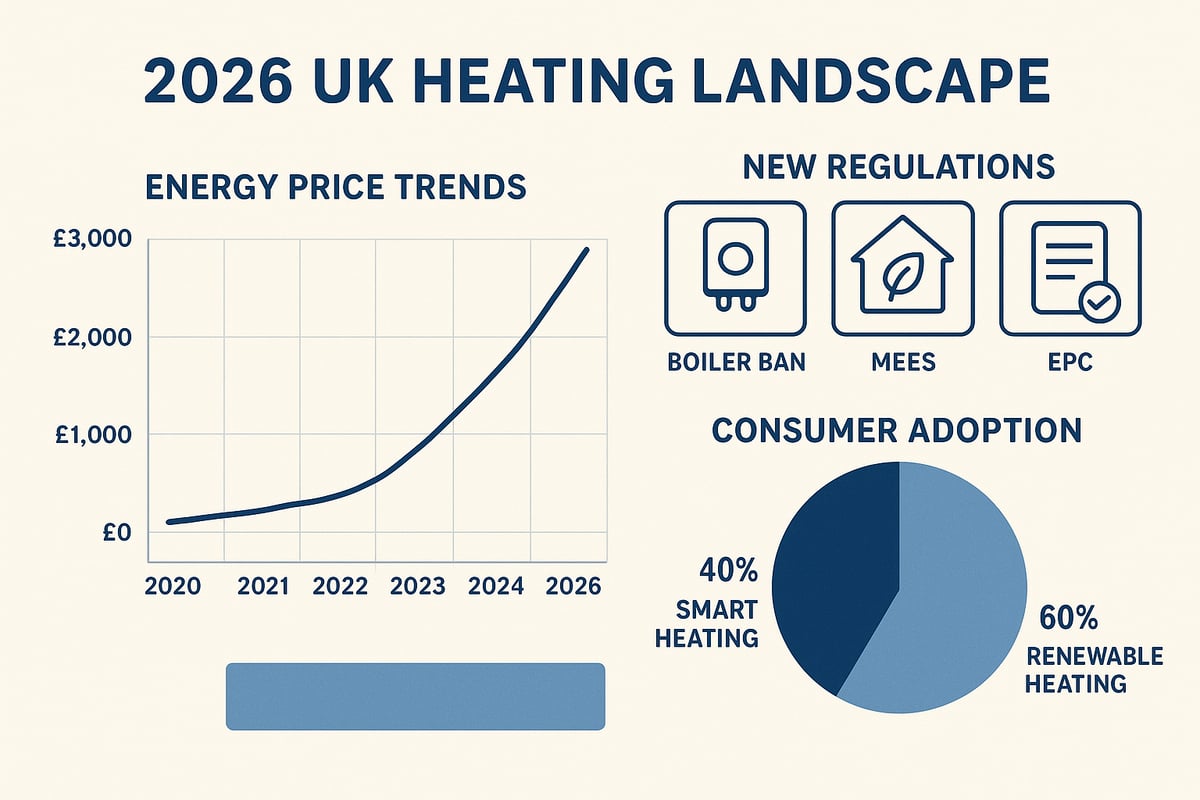
The past six years have seen a steady climb in UK energy prices, placing cost effective heating at the forefront of household concerns. From 2020 to 2026, Ofgem data shows that both electricity and gas bills have outpaced inflation, with global supply chain disruptions and geopolitical events driving volatility.
For January 2026, the UK energy price cap increase of 0.2% means households will feel further pressure on their budgets. Average annual heating costs now exceed £1,500 for a typical semi-detached home, though this varies by region. For example, households in Scotland and the North East generally pay less than those in London or the South East due to property types and weather.
| Year | Average Gas Price (p/kWh) | Average Electricity Price (p/kWh) | Avg. Heating Bill (£/year) |
|---|---|---|---|
| 2020 | 3.5 | 17.0 | 1,050 |
| 2023 | 10.3 | 34.0 | 1,380 |
| 2026 | 11.0 | 36.0 | 1,520 |
Rising costs make it essential to consider cost effective heating strategies now. Regional variations highlight the importance of tailored approaches, as urban and rural areas face different challenges.
UK government policy is driving a shift toward more efficient, sustainable heating systems. The phase-out of older, inefficient boilers is underway, with new installations needing to meet strict performance criteria. The Future Homes Standard, due by December 2027, will require all new builds to use low-carbon heating solutions.
Minimum Energy Efficiency Standards (MEES) for rental properties are also tightening. Landlords must now ensure properties meet higher EPC ratings, or risk financial penalties and lower property values. These reforms make cost effective heating not just a personal concern, but a regulatory requirement.
Key regulations shaping the landscape:
Investing in efficiency now helps future-proof homes, enhance value, and reduce long-term costs.
Homeowners are responding to these changes by seeking cost effective heating solutions that fit their lifestyles and budgets. Recent surveys indicate that over 60% of UK households are considering upgrades to their heating systems within the next two years, reflecting a growing appetite for sustainable options.
Smart home adoption is on the rise, with nearly half of households using smart thermostats or energy monitors to reduce waste. Many are also embracing energy-saving habits, such as lowering thermostat settings, closing curtains at night, and upgrading insulation.
Key behavioural trends include:
These shifts underpin a broader move toward cost effective heating, as consumers balance the need for comfort, affordability, and environmental responsibility.
Understanding your home’s heating requirements is the foundation of any cost effective heating strategy. By examining your current system, addressing insulation, and calculating precise heat demand, you can make informed decisions that reduce waste and lower bills. Let’s break down the steps to optimise your heating for maximum efficiency.
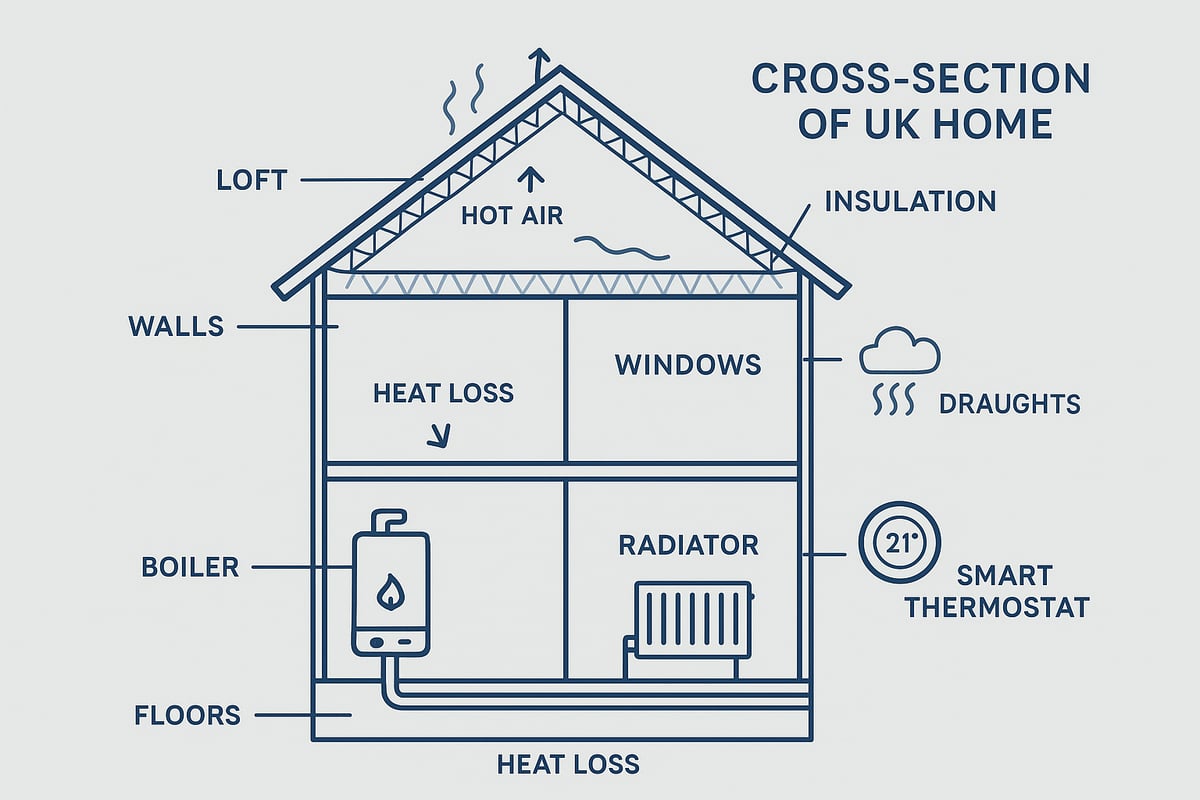
Begin by evaluating how well your existing heating system delivers warmth throughout your home. Look for common signs of inefficiency, such as:
If you notice any of these issues, your system may not be operating efficiently, which can undermine cost effective heating. Smart thermostats and monitoring devices are valuable tools for diagnostics, offering real-time data on temperature fluctuations and usage patterns. These insights can help pinpoint areas for improvement and inform your upgrade decisions.
For homeowners considering upgrades, exploring solutions like heat pumps can offer significant savings. To understand how these systems can contribute to cost effective heating, review the energy saving with heat pumps guide for real-world examples and performance data.
Next, assess your home for heat loss, as even the most advanced system cannot deliver cost effective heating if warmth is escaping. Detect draughts by checking around windows, doors, and floorboards for noticeable chills or moving air. Use thermal imaging or a simple hand test to identify cold spots.
Prioritise insulation improvements in key areas:
According to the Energy Saving Trust, upgrading loft insulation alone can save an average detached home up to £400 per year. This step is essential for maximising the benefits of any cost effective heating technology you choose.
Finally, determine your home’s specific heat demand, measured in kilowatt-hours per square metre (kWh/m2). This calculation factors in property age, size, window types, and insulation quality. A well-insulated, modern home will require less energy to maintain comfortable temperatures, supporting cost effective heating.
To estimate your needs, use reputable online calculators or arrange a professional survey. Input details about your home’s construction and current insulation to receive tailored recommendations. This approach ensures you select the right system size and type, avoiding overspending and ensuring long-term savings.
By thoroughly evaluating these areas, you lay the groundwork for a truly cost effective heating upgrade that meets your needs and budget.
Modernising your home’s heating system can deliver significant improvements in comfort and savings. In 2026, a wide range of smart technologies and renewable solutions are available to help UK homeowners achieve cost effective heating. This section explores the most impactful upgrades, from high-efficiency installations to future-proof modular systems.
Upgrading to a modern condensing boiler or an air source heat pump is a strategic move for cost effective heating. Condensing boilers capture more heat from exhaust gases, making them up to 90% efficient compared to older models. Air source and ground source heat pumps extract renewable energy from the air or ground, reducing reliance on fossil fuels and lowering running costs.
A typical UK household can save up to 50% on annual heating bills by switching to a heat pump, according to the Energy Saving Trust. Government grants of up to £7,500 are available, making installation more accessible. For a detailed breakdown of installation and running costs, see the Air source heat pump costs UK guide. Choosing the right system depends on property size, insulation, and existing infrastructure.
Smart thermostats are essential for anyone aiming to achieve cost effective heating. These devices learn your schedule, respond to weather changes, and allow you to control your heating remotely via smartphone apps. By heating only occupied rooms and adjusting temperatures automatically, they can reduce energy use by an average of 10-15%.
Zoning systems take this further by dividing your home into separate heating areas. This means you can warm bedrooms at night and living spaces during the day, avoiding waste. The result is lower bills and greater comfort, especially in larger or multi-storey homes.
Renewable technologies offer long-term, sustainable pathways to cost effective heating. Solar thermal systems use roof panels to heat water directly, reducing demand on your boiler. Biomass boilers and pellet stoves burn renewable organic material, which can be especially cost-effective in rural areas with access to affordable fuel.
Hybrid systems combine renewables with traditional heating, switching automatically for maximum efficiency. While upfront costs can be higher, ongoing savings and reduced carbon emissions make these options increasingly attractive as energy prices rise.
Integrating battery storage with your heating system is a forward-thinking approach to cost effective heating. Batteries can store excess electricity generated by solar panels or purchased during off-peak hours. This stored energy can then be used for heating when demand and costs are higher, increasing your independence from the grid.
Energy storage also supports the use of heat pumps and electric heating, ensuring you make the most of renewable generation. As battery prices continue to fall, this solution is becoming more accessible for UK households.
Modular heating systems allow you to adapt and expand your setup as your needs change. This is a smart strategy for cost effective heating, as you can start with a core system and add components such as extra radiators, underfloor heating, or new smart controls over time.
Integration with home automation and IoT devices enables advanced scheduling, remote diagnostics, and real-time energy monitoring. Investing in modular upgrades ensures your heating remains efficient and compatible with future technologies.
U and I Renewables makes cost effective heating a reality for thousands of UK homeowners. Their certified engineers install air source heat pumps, solar PV, and battery storage tailored to your property. Homeowners can access grants up to £7,500 and save as much as 50% on heating bills.
The company provides tailored advice, finance options, and full support for grant applications. With 24/7 emergency support and ongoing maintenance, U and I Renewables delivers peace of mind and measurable savings. Serving Yorkshire and the wider UK, they are a trusted partner in the transition to affordable, sustainable home heating.
Upgrading to a cost effective heating system in 2026 can feel overwhelming, but breaking the process into manageable steps makes it achievable. Here is your practical roadmap to a warmer, more efficient, and affordable home.
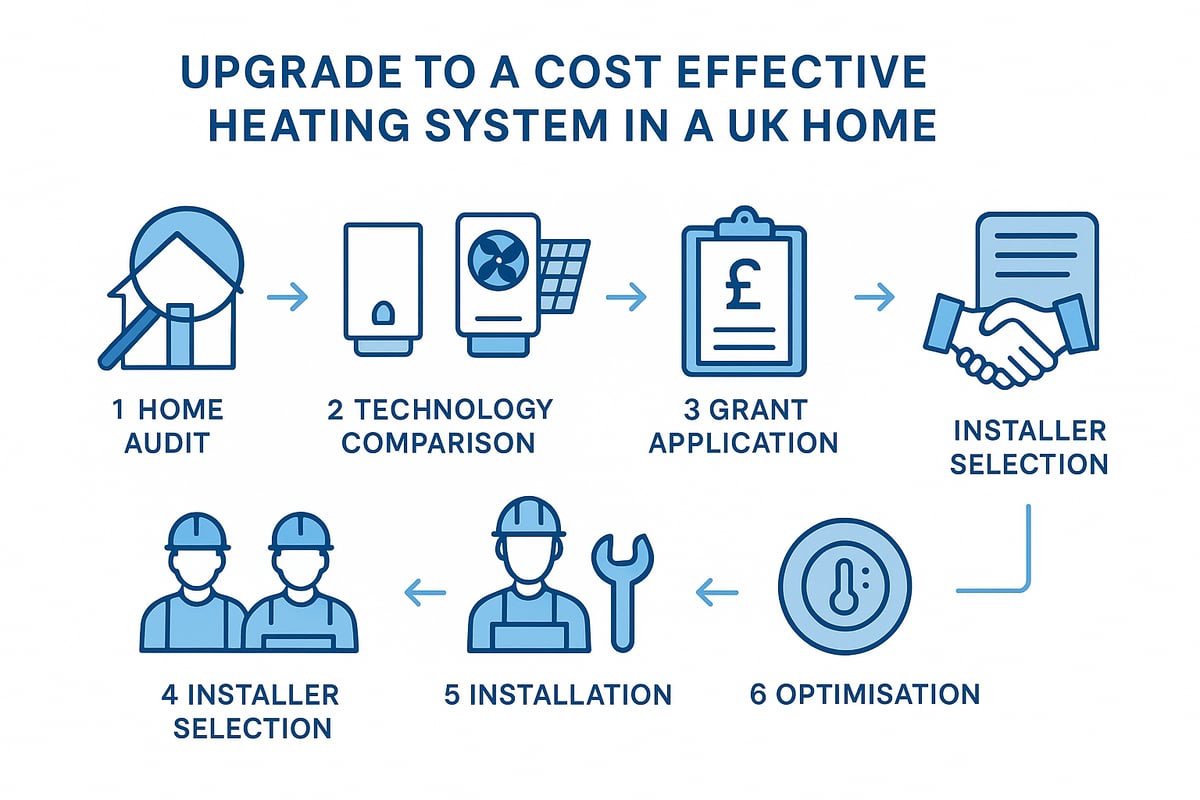
Begin your journey to cost effective heating by understanding your home's current performance. Conduct a thorough audit, either DIY or with a professional, to assess where energy is lost and how efficiently your system operates.
Walk through each room and note any cold spots or fluctuating temperatures. Check radiators for cold patches, inspect pipework for leaks, and test the responsiveness of your controls. Review your energy bills for signs of excessive consumption.
Use this checklist as a starting point:
Document your findings to identify priority areas for improvement. This audit will form the foundation for your cost effective heating upgrade.
Next, explore the best options for cost effective heating tailored to your property. Investigate modern condensing boilers, air or ground source heat pumps, and hybrid systems. Consider renewable sources like solar thermal or photovoltaic panels, especially if your home receives good sunlight.
When comparing technologies, weigh up:
If you are interested in integrating renewables, the Heating with solar panels guide provides practical advice on using solar panels for home heating, including how they can reduce your bills and carbon footprint.
Take your time to gather information and read case studies. An informed choice ensures your investment in cost effective heating delivers long-term value.
Securing financial support is key to achieving cost effective heating. The UK government offers grants like the Boiler Upgrade Scheme and ECO4, which can cover a significant portion of installation costs for heat pumps, insulation, and renewables.
Before applying, check:
Many providers also offer finance plans to help spread costs. Review the terms carefully to make sure the repayments align with your expected energy savings. Taking advantage of grants and incentives can make cost effective heating upgrades affordable for more households.
Selecting the right installer is crucial for a successful cost effective heating upgrade. Always choose companies with MCS certification, which ensures compliance with quality and safety standards.
Request detailed quotes from at least three installers. Compare not just price, but also the scope of work, warranty periods, and aftercare services. Ask for references or case studies to gauge customer satisfaction.
Check credentials with industry bodies such as TrustMark or Gas Safe Register. Reliable installers will provide clear timelines, transparent pricing, and guidance on grant applications, helping you achieve cost effective heating with confidence.
Proper planning minimises disruption during your cost effective heating upgrade. Work closely with your chosen installer to schedule work at a convenient time and understand the steps involved.
Prepare your home by:
Discuss the expected duration and any safety measures required. Good communication ensures you know what to expect and can manage any temporary inconvenience. A smooth installation process is vital for a stress-free transition to cost effective heating.
Once your cost effective heating system is in place, optimise it for peak performance. Set up smart thermostats with tailored schedules and make use of zoning features to heat only occupied rooms.
Regular maintenance is essential:
Monitor your energy use with smart controls and adjust settings as needed. If issues arise, consult your installer or refer to the system manual. With ongoing care, your cost effective heating investment will continue to deliver comfort and savings for years to come.
Heating your home efficiently in 2026 relies on more than just modern technology. Adopting smart daily habits and leveraging practical solutions can deliver significant savings. Here, we break down the most effective steps for cost effective heating, ensuring your home stays warm and your bills stay low.
Setting your thermostat correctly is a cornerstone of cost effective heating. Aim for the lowest comfortable temperature, typically around 18–21°C, and use programmable or smart thermostats to match your routine. Smart controls can learn your habits, automatically lowering heat when rooms are empty.
Zoning allows you to heat only the spaces you use, avoiding wasted energy. Combining these with green energy storage options can further reduce costs by storing excess or off-peak energy for use when prices are higher.
Small adjustments, like lowering the thermostat by 1°C, can save up to 10% on heating bills.
Good insulation is vital for cost effective heating, as it keeps warmth inside and reduces demand on your system. Start by checking for draughts around windows, doors, and floors. Simple DIY fixes like draught excluders, foam strips, or silicone sealant can make a noticeable difference.
Upgrade loft, wall, and floor insulation where possible. Even basic improvements, such as adding thermal curtains or installing radiator reflectors, can boost efficiency. According to the Energy Saving Trust, upgrading insulation can save hundreds of pounds annually.
These measures not only cut costs but may also help improve your home's Energy Performance Certificate rating, making your property more attractive and compliant.
Changing daily habits is one of the simplest ways to achieve cost effective heating. Encourage everyone in your household to close doors between rooms and wear warm clothing indoors. Shorter, timed showers can also reduce hot water use.
Make energy saving a family routine:
Even minor changes can add up, with behaviour shifts alone potentially saving up to 10% on annual energy bills. Over time, these habits become second nature, supporting both your wallet and the environment.
Regular system maintenance is crucial for cost effective heating. Bleed radiators at the start of the heating season to remove trapped air and ensure even warmth. Schedule annual boiler servicing and clean or replace filters as recommended.
A simple checklist can help:
Consider additional upgrades if your system is ageing or showing signs of inefficiency. Keeping your heating system in top condition not only maximises efficiency but also prolongs its lifespan, securing ongoing savings.
The world of cost effective heating is evolving rapidly, offering UK homeowners fresh opportunities to save money and reduce their environmental impact. As we look to the future, several exciting trends are set to transform how we heat our homes, from novel fuels to smarter technology and new regulations.
Hydrogen is emerging as a promising alternative to natural gas, with hydrogen-ready boilers being piloted in various parts of the UK. These boilers are designed to run on both natural gas and hydrogen, making them a flexible option for cost effective heating as the national gas grid evolves. Biogas and other low-carbon fuels are also being explored, offering additional pathways to lower emissions. While widespread adoption is still a few years away, keeping an eye on these developments can help homeowners future-proof their heating choices and stay ahead of regulatory changes.
Smart grid technology is revolutionising cost effective heating by allowing homes to interact intelligently with the wider energy network. With time-of-use tariffs and automated controls, heating systems can be programmed to run when electricity is cheapest or greenest. Demand response solutions, such as smart thermostats and connected heat pumps, help balance supply and demand on the grid. These innovations not only reduce costs but also lower carbon footprints, making them a win-win for both your wallet and the environment.
The next generation of cost effective heating solutions is already taking shape. Advanced heat pumps are becoming more efficient and affordable, while infrared heating panels provide targeted warmth with minimal energy use. Artificial intelligence is being integrated into home controls, learning your routines and optimising energy consumption in real time. As these technologies mature, expect prices to drop and mainstream adoption to accelerate, making high-performance heating accessible to more households than ever before.
Achieving the UK's Net Zero 2050 target will require significant changes in how homes are heated. Staying informed about new standards, such as the Future Homes Standard timeline, will help you make smarter investments in cost effective heating. Homeowners can also benefit from government incentives and upcoming Energy Performance Certificate reforms, which aim to drive up efficiency standards. Taking proactive steps now ensures your property remains compliant, valuable, and ready for a low-carbon future.