No products in the basket.
With energy bills continuing to rise and eco-friendly living at the forefront, more UK homeowners are exploring heat pump systems as a solution for 2025. The government is also increasing support for renewables, making now an ideal time to consider your options.
Understanding heat pump system price is essential for anyone planning a new installation. This guide will help you navigate the costs, benefits, and savings so you can make the best choice for your home.
Discover the latest price breakdowns, what influences costs, available grants, expected running expenses, and more. Read on to unlock expert advice and prepare for a smart investment in your home's future.
Heat pump systems are transforming the way UK homes are heated and cooled. By extracting heat from the air, ground, or water, these systems provide efficient year-round comfort. As more homeowners explore options ahead of 2025, understanding how heat pumps work is essential for evaluating the true heat pump system price and its value over time.
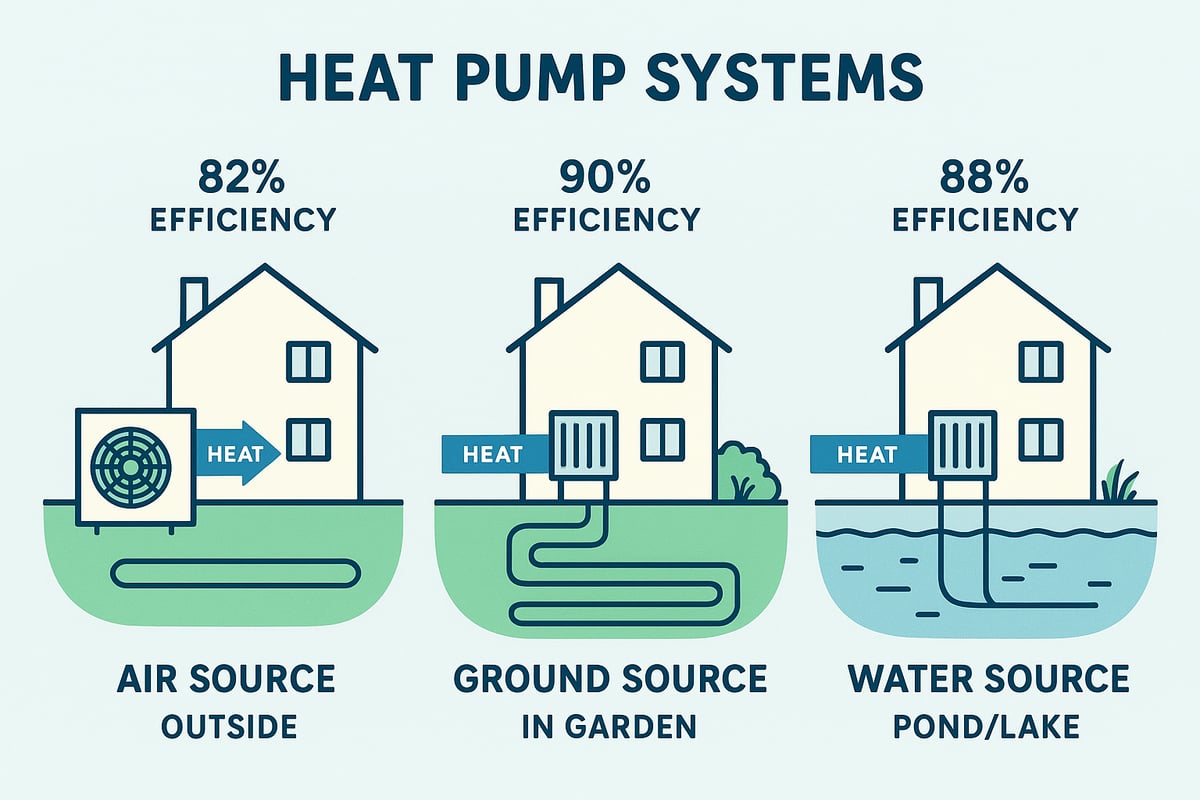
There are three main types of heat pump systems found in UK homes:
| Type | Source | Typical Use | Installation Complexity | Efficiency (COP) |
|---|---|---|---|---|
| Air Source | Outside Air | Most properties | Low | 3.0 – 4.0 |
| Ground Source | Soil/Earth | Detached homes | High | 3.5 – 4.5 |
| Water Source | Water Bodies | Rare/specialist | Medium to High | 4.0+ |
Air source heat pumps are the most popular choice in the UK, thanks to simpler installation and lower upfront costs. These systems are suitable for a wide range of property types, making them a common solution for those seeking a competitive heat pump system price. Ground source heat pumps require outdoor space for buried pipework but offer higher efficiency, while water source heat pumps are less common, needing access to ponds or lakes.
Heat pumps operate by transferring thermal energy from an external source into your home, using a refrigeration cycle similar to an air conditioner but in reverse. This process allows them to deliver more heat energy than the electrical energy they consume. The efficiency of a heat pump is measured by its Coefficient of Performance (COP). Modern air source heat pumps can achieve a COP between 3 and 4, meaning for every unit of electricity used, three to four units of heat are produced.
When assessing heat pump system price, it is important to factor in the efficiency differences between types. Air source models are generally less expensive to install, while ground source systems, although pricier, may provide greater long-term savings due to higher efficiency.
For a detailed breakdown of installation and running costs specific to air source systems, you can consult the Air Source Heat Pump Costs UK 2025 resource.
A typical heat pump system has a lifespan of 15 to 25 years with regular maintenance. Routine servicing, usually once a year, helps maintain efficiency and reliability. Compared to traditional gas boilers or electric heaters, heat pumps require less frequent replacement and can reduce ongoing maintenance costs.
In terms of running costs and carbon emissions, heat pump systems outperform standard gas or oil heating. They use electricity more efficiently, especially when combined with renewable tariffs or on-site solar generation, further improving the overall heat pump system price value proposition.
Heat pump systems play a key role in reducing household carbon emissions. By moving heat rather than generating it from burning fuel, these systems can cut CO2 output by up to 60 percent compared to gas or oil boilers. For homeowners focused on sustainability and long-term savings, understanding the environmental and economic impact is just as crucial as knowing the upfront heat pump system price.
Understanding the heat pump system price landscape is essential for homeowners planning an upgrade in 2025. As the UK continues to push towards greener heating solutions, prices for heat pump systems are evolving, influenced by both market demand and government policy.
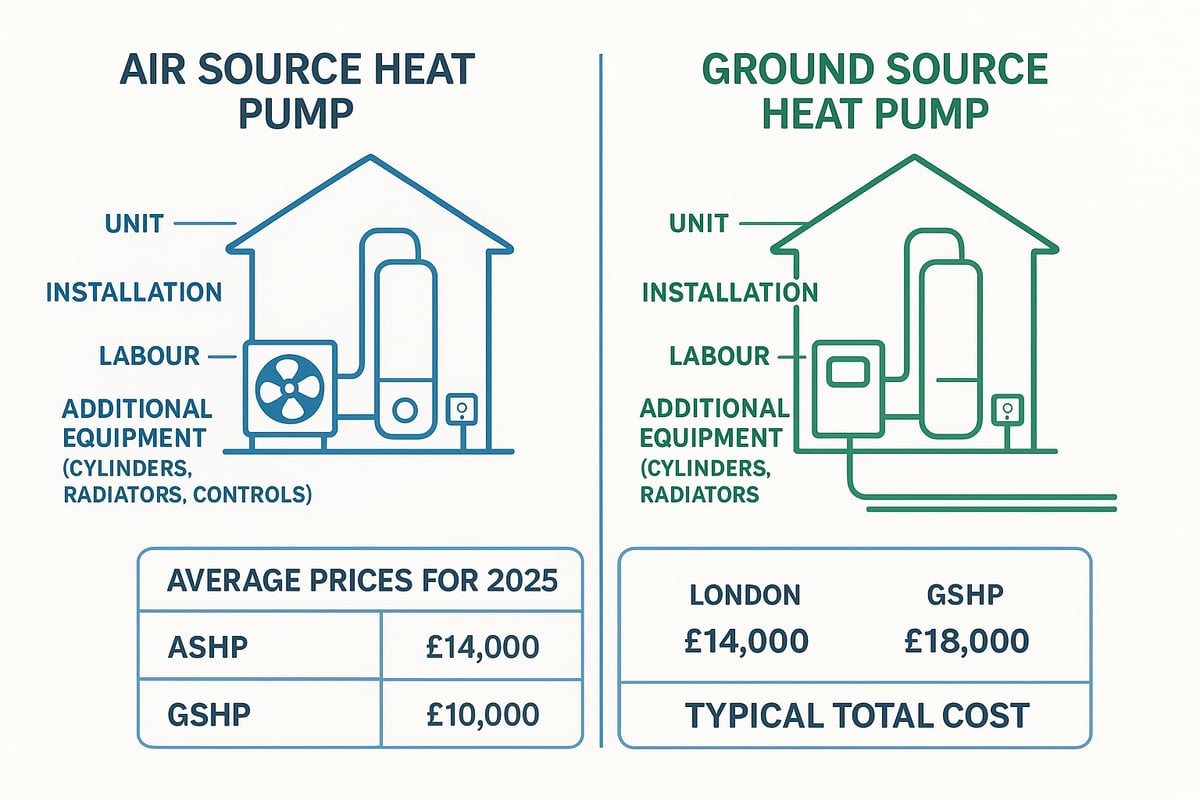
The current average heat pump system price in the UK varies by type. For air source heat pumps, homeowners in 2024 can expect to pay between £7,000 and £14,000, including installation. Ground source heat pumps are more expensive, typically ranging from £15,000 to £30,000.
Looking ahead to 2025, industry analysts predict a slight decrease in overall heat pump system price, especially for air source models, as competition grows and supply chains stabilise. According to Heat Pump Costs UK 2025, average prices could fall by 5-10 percent, making these systems more accessible.
| System Type | Average Price Range (2025) |
|---|---|
| Air Source | £6,500 – £13,000 |
| Ground Source | £14,000 – £28,000 |
These figures include standard installation but may vary depending on your property and specific requirements.
The total heat pump system price includes more than just the unit itself. Homeowners should be aware of several cost components:
The heat pump system price can differ significantly across the UK. For example, installation costs in London are often 10-20 percent higher than in Northern England due to higher labour rates and property access challenges.
| Location | Air Source (2025) | Ground Source (2025) |
|---|---|---|
| London | £8,500 – £13,000 | £18,000 – £28,000 |
| Northern England | £6,500 – £11,000 | £14,000 – £24,000 |
This table illustrates how location impacts the overall heat pump system price, so it’s worth obtaining local quotes.
Several factors affect the final heat pump system price for your home:
When budgeting for your heat pump system price, factor in the cost of removing old heating systems and any necessary upgrades. After installation, warranty and aftercare services are vital for peace of mind. Many installers offer packages for ongoing maintenance, typically costing £150-£300 per year.
Consider a typical three-bedroom semi-detached property in the Midlands. The homeowner opted for an air source heat pump with a new hot water cylinder and upgraded radiators. The total heat pump system price was £10,500, including all equipment and labour. After applying a government grant, the out-of-pocket cost dropped to just over £3,000.
Leading UK heat pump installers offer a range of prices, with some including extras such as smart controls or extended warranties. Comparing quotes can reveal differences of up to £2,000 for the same specification. Always check what each quote includes before making a decision.
The heat pump system price in 2025 is trending downwards, making this an opportune time for homeowners to invest in energy-efficient heating. By understanding the components of the total cost, regional variations, and available grants, you can make an informed decision that delivers long-term value.
Navigating grants and incentives is essential for any homeowner aiming to reduce their heat pump system price. With the right support, the upfront cost can drop significantly, making heat pumps an accessible and attractive investment for 2025.
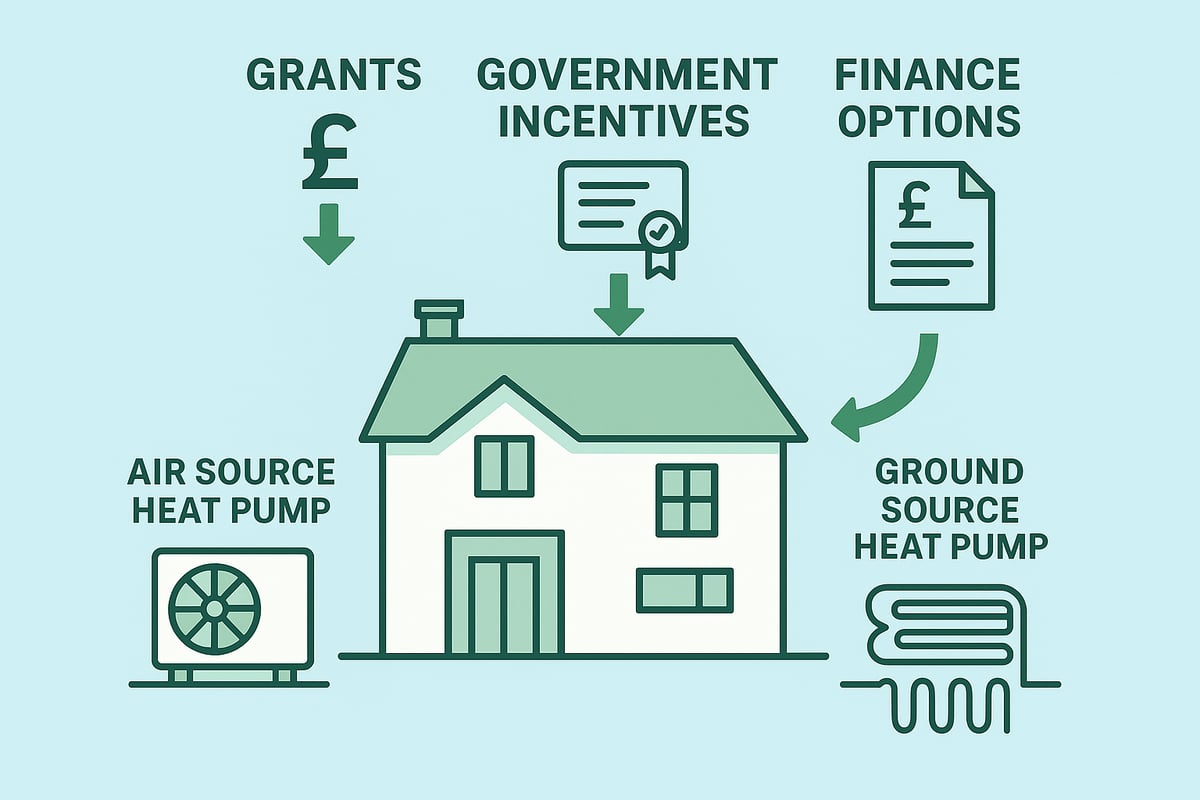
The UK government’s Boiler Upgrade Scheme (BUS) remains the most significant grant for reducing heat pump system price. Homeowners can receive up to £7,500 towards the installation of an air source heat pump, which can dramatically lower the initial investment.
To qualify, your property must be in England or Wales and meet minimum insulation standards. The system must replace a fossil fuel boiler, and installation must be completed by a certified installer. The BUS grant is paid directly to your installer, reducing your upfront bill.
Recent statistics show strong uptake of this scheme, with thousands of homes benefiting in 2024. Homeowners typically see their heat pump system price reduced by 30–40% after the grant is applied.
For more details on eligibility and the application process, see the Air Source Heat Pump Grants page, which covers the latest grant updates and how they impact the heat pump system price.
Beyond national grants, some local authorities and energy suppliers offer further incentives. These might include top-up grants, council tax rebates, or discounts on installation, each of which can lower the heat pump system price in specific regions.
For example, certain councils in Scotland and Wales have run pilot schemes offering extra financial support, while some energy companies provide cashback or low-interest loans for renewable heating upgrades.
It is worth researching what is available in your area, as these regional incentives can stack with the BUS grant for greater savings on your heat pump system price.
Even with grants, many homeowners choose to spread their heat pump system price over time using finance options. The most common choices include green energy loans, pay monthly plans, and low-interest credit arranged through certified installers.
Typical monthly payments start from as little as £20 per week, depending on system size and overall heat pump system price after grants. Some providers offer 0% finance for the first year, making the switch to renewable heating even more accessible.
A simple table summarises common financing options:
| Finance Option | Typical Terms | Effect on Heat Pump System Price |
|---|---|---|
| Green Energy Loan | 2–10 years, low APR | Spreads cost, no upfront lump sum |
| Pay Monthly Plan | As low as £20/week | Immediate access, manageable cost |
| Installer Credit | 0% for first 12 months | Reduces short-term financial strain |
Another way to reduce your heat pump system price is by taking advantage of tax incentives. As of 2025, VAT on heat pump installations remains at 0% for most residential projects, saving homeowners up to 20% compared to standard rates.
Some regions may also offer council tax incentives for homes that switch to renewable heating, further lowering the total cost.
To access grants and incentives, you must use an installer accredited by the Microgeneration Certification Scheme (MCS). Choosing a certified installer is vital, as it ensures your heat pump system price reflects all available support and you remain eligible for grants.
Always request proof of certification and check the installer’s track record before proceeding.
Comparing all available options is the best way to reduce your heat pump system price. Combining national grants, regional incentives, and affordable finance can bring renewable heating within reach for most UK homeowners.
Take the time to research, compare quotes, and consult with certified professionals to ensure you access the maximum support for your project.
Understanding the running costs and long-term value is essential for anyone considering the heat pump system price in 2025. Heat pumps are recognised for their efficiency, but what does this mean for your energy bills and household savings over time?
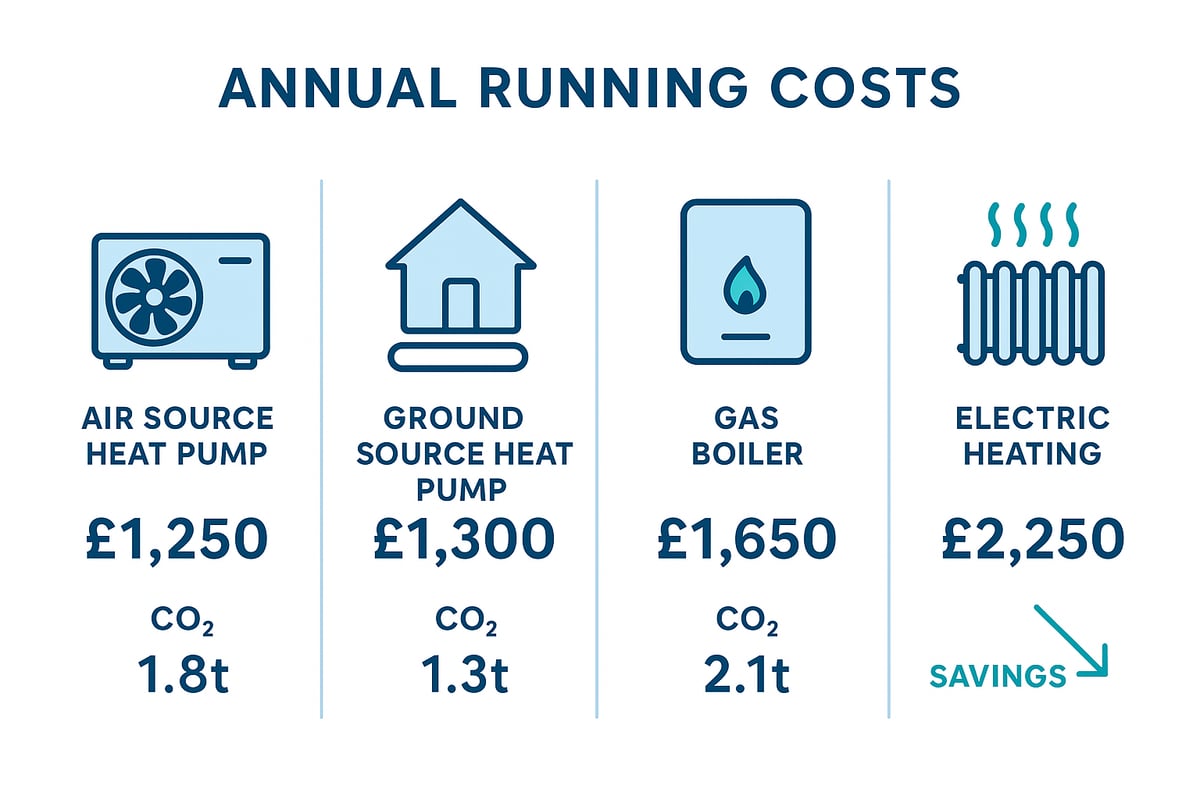
For a standard three-bedroom UK home, annual running costs for an air source heat pump typically range from £700 to £1,200. Ground source heat pumps, thanks to their higher efficiency, often cost between £600 and £1,000 each year to run. These figures depend on your chosen electricity tariff, system size, and how well your home is insulated.
Let’s compare average yearly costs:
| System Type | Average Annual Cost (£) | Average CO2 Emissions (kg) |
|---|---|---|
| Air Source Heat Pump | 700 – 1,200 | 1,000 – 1,500 |
| Ground Source Heat Pump | 600 – 1,000 | 800 – 1,200 |
| Gas Boiler | 1,200 – 1,800 | 2,900 – 3,500 |
| Oil Boiler | 1,300 – 2,000 | 3,200 – 4,000 |
| Electric Heating | 1,800 – 2,500 | 3,500 – 4,800 |
This table highlights how the heat pump system price translates into tangible savings over time, especially when compared to traditional systems.
Several factors influence the running costs associated with your heat pump system price:
Homes with solar PV or battery storage can further offset electricity costs, making the heat pump system price even more competitive in the long run.
A well-installed heat pump can save the average UK household £500 to £1,000 each year compared to a gas or oil boiler. Over a typical lifespan of 15-20 years, these annual savings can add up to £10,000 or more. The payback period for the initial heat pump system price investment is usually 7-12 years, depending on grants received and energy prices.
Smart controls and integrating your heat pump with solar panels can reduce running costs further. Some households achieve up to 90% self-sufficiency, significantly lowering their reliance on the grid.
Ongoing maintenance is crucial for maximising the value of your heat pump investment. Annual servicing costs typically range from £150 to £300. For details on what’s involved, see Service and Maintenance for Heat Pumps. Regular checks ensure efficiency, extend system lifespan, and keep warranty conditions valid.
Heat pumps also deliver substantial environmental benefits. By switching from gas or oil, the average home can cut CO2 emissions by 1.5 to 2.5 tonnes each year. This reduction supports the UK’s net zero targets and helps future-proof your property against upcoming regulations.
Investing in a heat pump is not just about the immediate heat pump system price. It’s about securing long-term energy savings, reducing your carbon footprint, and increasing your property’s value. As regulations tighten and fossil fuel systems are phased out, homes with efficient, renewable heating will be more attractive to future buyers.
In summary, while the heat pump system price represents a significant upfront investment, the combination of lower running costs, government incentives, environmental savings, and long-term value make it a compelling choice for UK homeowners in 2025.
Navigating the heat pump installation process is vital for understanding the true heat pump system price. Each stage influences both cost and comfort, so knowing what to expect can help you plan with confidence.
1. Initial Property Survey and Suitability Assessment
The process begins with a thorough survey of your property. Installers assess insulation, existing heating, and space for the new system. This step is crucial, as it determines if your home is suitable and what system will best match your needs. Factors like property size, layout, and current energy efficiency all affect the heat pump system price. For those interested in technical specifics, the Air Source Heat Pump Overview provides useful background on how these systems operate.
2. Detailed Quote and System Design
After the survey, you receive a bespoke quote. This outlines equipment, labour, any upgrades needed, and the projected heat pump system price. The installer will design a system tailored to your home's heat demand, ensuring efficiency and compliance with UK standards. At this stage, you will also discuss options such as integrating smart controls or solar PV, which can impact both installation and long-term savings.
3. Pre-Installation Preparations
Prior to installation, any necessary upgrades are arranged. This may include improving insulation, updating radiators, or upgrading your electrical system. These preparations are essential for getting the best performance and value from your heat pump system price. Addressing these requirements upfront avoids delays and unexpected costs during installation.
4. Step-by-Step Installation Timeline
The actual installation typically takes 2 to 5 days for an air source heat pump, depending on property size and complexity. Installers will fit the outdoor and indoor units, connect pipework, and integrate controls. During this period, expect some disruption, but professional teams minimise inconvenience by working efficiently and keeping you informed.
A typical timeline:
| Day | Activity |
|---|---|
| 1 | Delivery, preparation, initial works |
| 2 | Main unit installation |
| 3 | System integration, testing |
| 4-5 | Final checks, tidy-up, handover |
Timing may vary for ground source systems due to extra groundwork, which also affects the overall heat pump system price.
5. Commissioning, Testing, and Handover
Once installed, the system undergoes commissioning and rigorous testing. Engineers demonstrate how to use the controls and optimise settings for your comfort. You receive documentation on system performance, warranty, and maintenance. Proper commissioning ensures your investment in the heat pump system price delivers maximum efficiency.
6. Paperwork, Certifications, and Warranty Registration
Installers handle paperwork, including Building Regulations compliance, MCS certification, and warranty registration. These documents are vital for validating your installation and accessing government grants or incentives. Always keep copies for your records.
7. Real-World Example: Homeowner Experience
Consider a recent case: a three-bedroom semi in Manchester underwent a full installation. The survey identified the need for extra insulation, adding £800 to the heat pump system price. The process, from survey to commissioning, took four days, with the homeowner praising clear communication and minimal disruption.
8. Post-Installation Support and Maintenance
After installation, reputable companies provide ongoing support. This includes maintenance schedules, troubleshooting, and 24/7 helplines. Regular servicing ensures your system runs efficiently, protecting your initial heat pump system price investment and extending the system’s lifespan.
Understanding each step in the installation process helps you budget accurately and avoid surprises. By working with certified professionals and staying informed, you can ensure the heat pump system price reflects long-term value, comfort, and peace of mind.
The heat pump system price landscape in the UK is set for significant change as we approach 2025. With government policy driving demand and innovation, homeowners are increasingly considering heat pump systems as a future-proof investment. Industry forecasts suggest that installation costs are likely to stabilise or even fall, thanks to economies of scale and a maturing supply chain. According to recent UK Heat Pump Market Statistics 2025, adoption rates are climbing, placing upward pressure on demand but also encouraging competition among installers. This combination is expected to make the heat pump system price more accessible over the next few years.
Technological advancements are also influencing the heat pump system price. Next-generation models are becoming more efficient, quieter, and easier to install. Features such as smart controls and weather compensation are now standard in many systems, allowing homeowners to fine-tune their heating for maximum comfort and savings. Manufacturers are investing in research to reduce noise levels and improve performance in colder climates, which will further enhance the value proposition for UK households. As these innovations enter the mainstream, the heat pump system price is expected to reflect both improved performance and better long-term value.
Integration with other renewable technologies is another trend shaping the future of heat pump system price. Combining heat pumps with solar PV and battery storage is becoming increasingly popular, enabling households to generate and store their own electricity to power their heating. This approach not only reduces reliance on the grid but also leads to dramatic savings on energy bills. For those interested in maximising efficiency, resources like Heat Pump and Solar Panels provide insights into how combined systems can further lower overall costs. As technology evolves, expect more “all-in-one” solutions designed for seamless integration.
Regulatory and policy changes remain a key factor in the trajectory of heat pump system price. The UK government has signalled its intent to phase out fossil fuel heating in new builds and is increasing support for low-carbon technologies. New regulations are likely to mandate higher energy efficiency standards, making heat pumps an attractive option for both new and existing homes. These policy shifts, along with ongoing financial incentives, are expected to drive further reductions in heat pump system price as uptake accelerates.
Looking ahead, consumer awareness and adoption rates are set to rise as homeowners prioritise sustainability and long-term savings. Expert predictions suggest that as more properties switch to heat pumps, the market will mature and costs will continue to decrease. With the heat pump system price becoming more competitive, and ongoing improvements in technology and support, UK households are well positioned to benefit from both immediate and future gains. Staying informed about trends, incentives, and technological advancements will be crucial for anyone considering a switch in 2025 and beyond.