
No products in the basket.

As the world shifts rapidly towards net zero, solar energy stands at the forefront of the clean energy revolution for both homes and businesses. The demand to renew solar solutions has never been greater, with homeowners and companies eager to boost efficiency, cut costs, and secure long-term energy independence.
This expert-led guide is designed to help you make informed decisions as you renew solar solutions for 2026 and beyond. Discover actionable strategies and professional insights to ensure your investment delivers maximum value.
In this guide, you will explore:
Future-proof your solar investment with the knowledge and steps you need to achieve lasting sustainability and savings.
The solar industry is undergoing rapid change as we approach 2026. Homeowners and businesses seeking to renew solar solutions are met with an increasingly dynamic market. From technological leaps to shifting policies and a stronger focus on sustainability, understanding the evolving landscape is essential for making informed investment choices.
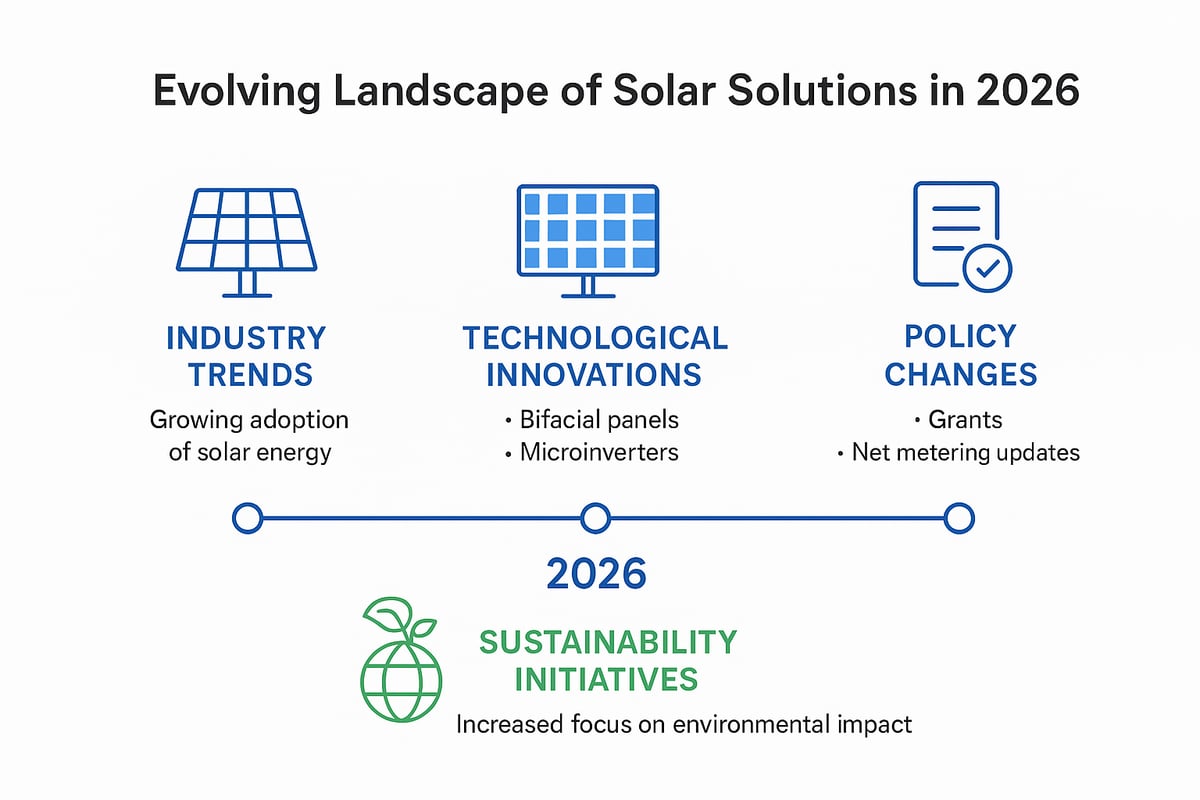
In 2026, the drive to renew solar solutions is powered by remarkable industry growth. Global solar capacity is projected to exceed 2,000 GW, fuelled by declining costs, robust government incentives, and a widespread desire for energy independence. The market is shifting from developer-centric to consumer-focused models, with greater demand for integrated solar, battery, and smart home packages.
A standout example is Tennessee’s expanding solar market, reflecting broader global trends. According to recent reports, US solar installations surged by 49% in Q3 2025, highlighting this rapid expansion (US solar installations surge 49% in Q3 2025). Over 75% of residential energy use now occurs outside peak solar hours, increasing the demand for storage and smarter systems. Industry experts predict double-digit growth rates to continue, making this a pivotal time to renew solar solutions.
The push to renew solar solutions is tightly linked to ongoing technological innovation. New developments, such as bifacial solar panels and high-efficiency modules, are delivering higher yields and reliability. Microinverter technology, like Enphase systems, allows each panel to operate independently, reducing the risk of total system failure and boosting energy output.
Lithium iron phosphate batteries are replacing older chemistries, offering improved safety and longevity. Advanced monitoring tools and EMP shields are becoming standard, giving users more control and resilience. For example, bifacial panels can increase production by up to 30% compared to traditional modules. Staying current with these innovations is vital for anyone looking to renew solar solutions and maximise long-term returns.
Policy changes play a significant role for those aiming to renew solar solutions. Updates to net metering and sell-back programmes are shaping the way solar owners interact with the grid, with some regions limiting these benefits. Government grants and incentives, such as those in the UK and US, are making solar and battery storage more accessible.
Tariffs and supply chain adjustments continue to impact panel prices. New building regulations increasingly require renewable energy integration. For instance, UK homeowners can access grants up to £7,500 for solar and heat pump installations. Keeping up with policy developments is essential, as they can influence both the return on investment and the project timeline for those looking to renew solar solutions.
A renewed focus on sustainability is redefining how people approach solar investments. Choosing to renew solar solutions is now about more than just cost savings; it’s a commitment to reducing carbon emissions and supporting broader climate goals. Consumers and businesses alike are demanding ethical, transparent practices from providers.
Companies with clear sustainability targets, such as ReNew Solar Solutions, are gaining a competitive edge. Solar PV systems can cut household emissions by up to 1.5 tonnes of CO2 each year. Aligning your solar choices with environmental stewardship not only differentiates you in the market but also enhances the long-term value of your investment when you renew solar solutions.
Renew solar solutions is a structured process that ensures your solar investment delivers maximum value, efficiency, and longevity. Whether you are looking to expand capacity, upgrade technology, or simply extend the lifespan of your current system, following a step-by-step approach is crucial. Let us break down each essential step to help you future-proof your solar setup for 2026.
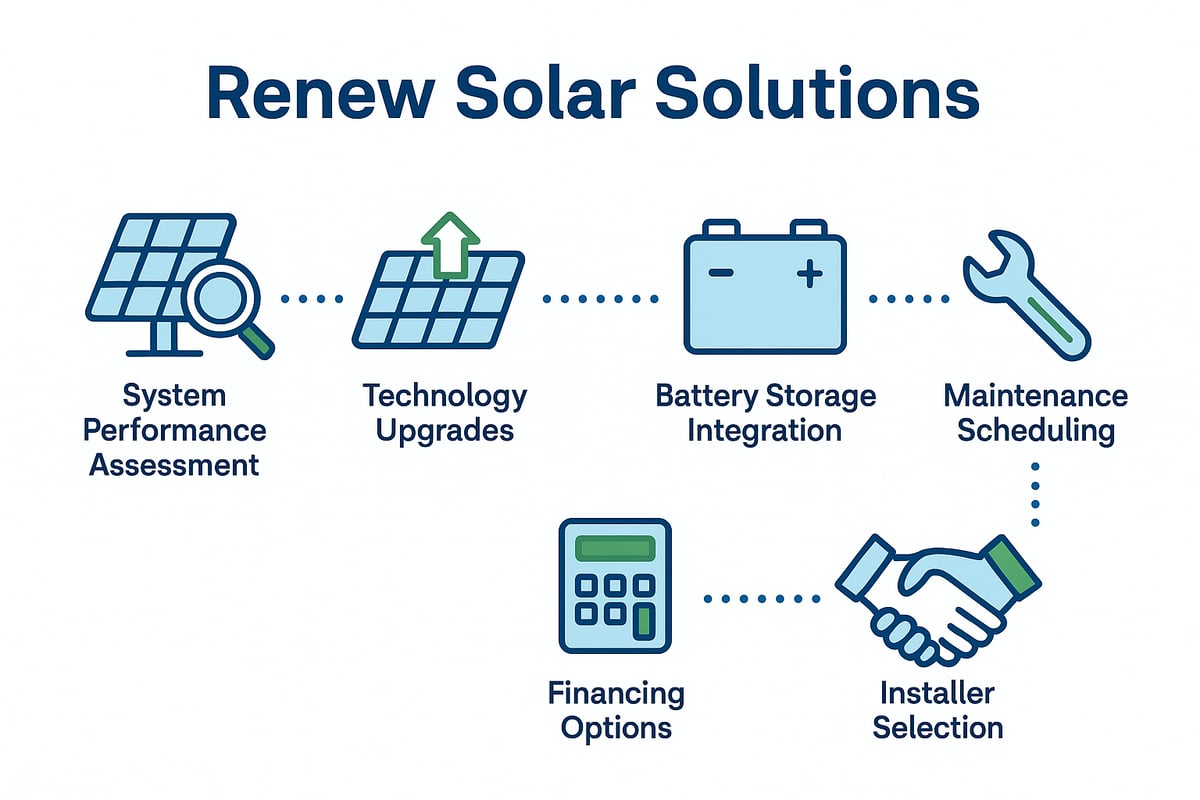
Start by evaluating how your current solar system performs day to day. Use energy monitoring tools to track generation, spot inefficiencies, and compare output with your original forecasts. Over time, your energy consumption patterns may have shifted, especially with lifestyle changes or business growth.
For many, renew solar solutions becomes necessary when an older system—typically 8 to 10 years old—shows signs of underperformance. Homeowners using SPAN panels or similar devices benefit from detailed insights into both usage and generation. Accurate assessment is the cornerstone of any successful upgrade, ensuring you make informed decisions based on real data.
Consider these points:
A thorough assessment sets the stage to renew solar solutions in a way that aligns with your current and future requirements.
Technology evolves rapidly, and staying updated is essential if you want to renew solar solutions effectively. Modern panels such as Solaria and bifacial models offer efficiency rates up to 22 percent, a substantial improvement over older modules.
Microinverters, like those from Enphase, provide greater reliability and individual panel optimisation. Smart home integration options enable precise control over energy flows, enhancing both convenience and cost savings. For those considering upgrades, Solar PV system upgrades offer tailored solutions to maximise system performance and value.
Key advancements include:
By embracing these innovations, you renew solar solutions to deliver higher output and longer system life.
Integrating battery storage is a strategic move when you renew solar solutions, especially if your utility offers limited net metering. Assess your daily usage patterns and consider the reliability of your local grid. The latest lithium iron phosphate batteries are safer and longer lasting than traditional lithium-ion options.
Benefits of battery storage:
For example, battery storage can push self-consumption rates above 90 percent. A focus on smart, durable batteries is key to achieving true energy independence as you renew solar solutions for the future.
Ongoing care is fundamental when you renew solar solutions. Schedule annual inspections and cleaning to keep your panels and inverters operating at peak efficiency. Review your warranties—comprehensive coverage up to 30 years is increasingly common with top manufacturers.
Address wear and tear proactively:
Data shows that regular maintenance can extend a system’s lifespan by five years or more. Strong warranty terms and diligent care protect your investment every time you renew solar solutions.
Affordability is a major factor in the decision to renew solar solutions. Research government grants—such as the UK’s £7,500 incentive for solar and heat pump installations—to reduce upfront costs. Explore financing options like solar loans, leasing, or power purchase agreements, each with its own pros and cons.
Quick facts:
Understanding all available incentives ensures you renew solar solutions in a way that fits your budget and maximises returns.
Selecting the right partner is the final, but perhaps most critical, step when you renew solar solutions. Look for certified installers with a proven track record, outstanding customer reviews, and robust warranty offerings. In-house installation teams often provide higher quality and accountability compared to subcontractors.
Checklist for choosing an installer:
Data indicates that installers with advanced certifications achieve higher satisfaction rates. Prioritising quality ensures your renew solar solutions journey is smooth, secure, and future-ready.
Solar technology is evolving rapidly, offering homeowners and businesses more options than ever to renew solar solutions for maximum value. The integration of new panels, storage, and smart systems is fundamentally changing how solar energy is generated, stored, and managed.
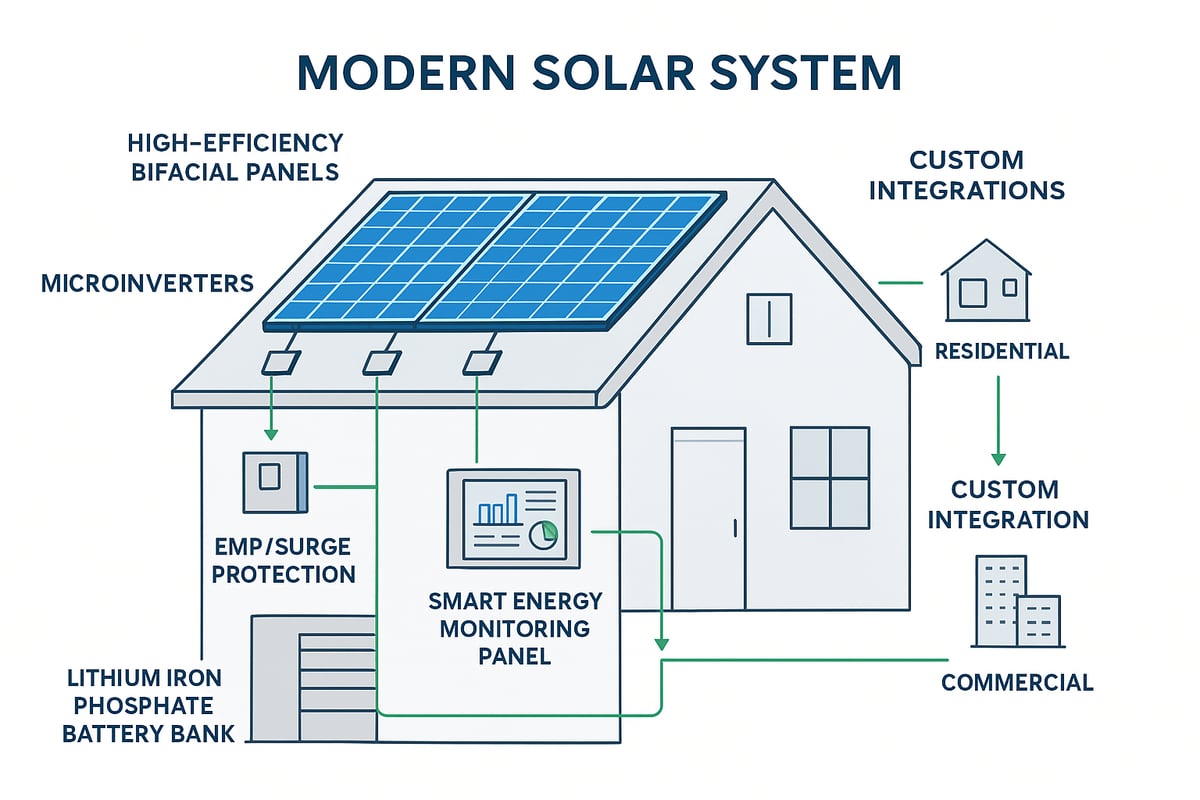
Recent advances in solar panel technology are transforming the way we renew solar solutions. High-efficiency panels, such as Solaria modules, now offer up to 22 percent efficiency, while bifacial designs capture sunlight from both sides, boosting energy yields by as much as 30 percent.
Key features include:
A system built with these innovations delivers more energy, higher financial returns, and greater reliability over its lifetime. Upgrading panels and inverters is a strategic move for anyone looking to future-proof their solar investment.
Battery storage is now central to efforts to renew solar solutions, especially as more energy is used after sunset and net metering becomes less available. Lithium iron phosphate batteries are replacing older lithium-ion models due to their superior safety, longevity, and performance.
Considerations for battery storage:
For those seeking greater independence, Solar battery storage options can increase self-consumption to over 90 percent and provide backup during outages. Investing in the right storage solution ensures your system meets both current and future needs.
Smart technology is reshaping how we renew solar solutions by making energy management more dynamic and efficient. Advanced monitoring systems, such as SPAN panels, give real-time insight into consumption, helping identify savings and optimise performance.
Integration benefits include:
Devices like Ecostella can further reduce power use by up to 40 percent for HVAC systems. With these smart tools, users can make more informed decisions and maximise the value of their solar installation.
Protecting your investment is a crucial aspect of how we renew solar solutions. Power surges and electromagnetic pulses (EMPs) can cause costly damage to solar systems, especially as severe weather events become more common.
Key protection strategies:
Installers like ReNew Solar Solutions now include EMP shields as standard, helping clients avoid unexpected downtime and repairs. Proactive protection is essential for maintaining system reliability and long-term returns.
Every property is unique, and the best way to renew solar solutions is through tailored system design. Custom installations address specific site conditions, energy goals, and future expansion plans for both homes and businesses.
Customisation highlights:
A bespoke approach ensures that the system delivers optimal performance, aligns with broader sustainability objectives, and remains adaptable as technology evolves. This strategic customisation sets the foundation for lasting value.
Every year, homeowners and businesses look to renew solar solutions, but even the most diligent can fall prey to common mistakes. In this section, we share expert advice to help you steer clear of hidden pitfalls and make the most of your investment.
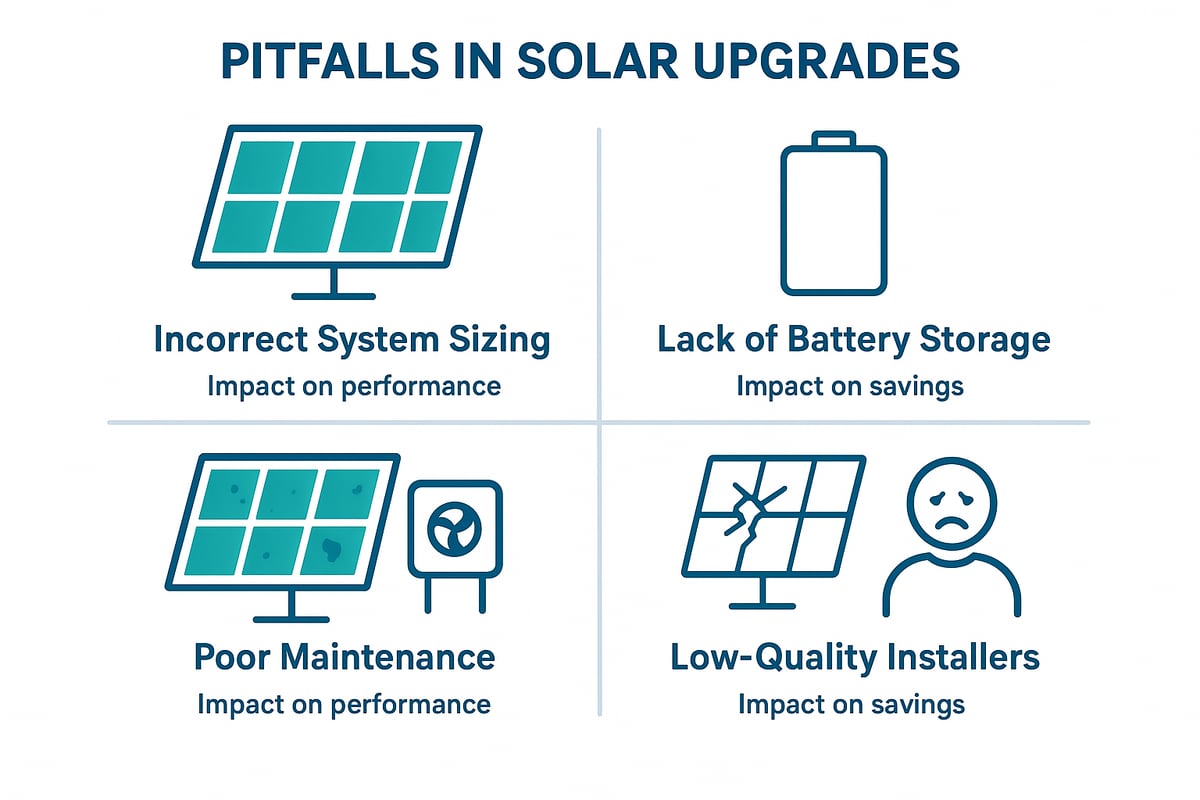
Getting the size and design right when you renew solar solutions is essential for long-term efficiency and savings. Many installations underperform because they do not account for actual site conditions or future changes in energy demand.
For example, overlooking roof orientation, shading from trees, or new appliances like electric vehicles can mean your system is either too small or oversized. This can reduce your system’s efficiency by up to 20 percent.
A professional assessment prevents costly errors. Always use accurate data on past and projected energy use, and consider potential lifestyle or business changes. Customised solutions ensure your system works optimally from day one.
As you renew solar solutions, it is easy to focus on panels and forget about storage. However, battery storage is increasingly vital, especially in areas with limited net metering or grid export restrictions.
Without proper storage, you may not maximise the value of your solar investment. Data shows that up to 75 percent of residential energy use happens after the sun sets. Integrating batteries allows you to store and use more of your own energy, improving self-consumption and resilience.
For more insights on choosing and upgrading batteries, see Batteries for home solar systems. Assess your local grid policies and plan for storage to unlock full benefits.
A common pitfall when people renew solar solutions is neglecting regular maintenance or choosing installers with limited warranties. Skipping annual inspections and cleaning can lead to panel degradation, inverter failures, and costly repairs.
Short-term warranties may seem attractive but often leave owners exposed to unexpected expenses. Systems with robust, long-term coverage deliver higher satisfaction and better ROI.
Proactive care and strong warranties protect your investment value. Always review terms in detail and prioritise providers who offer comprehensive support for the life of your system.
When you renew solar solutions, choosing the lowest-cost provider can be tempting. However, this often means sacrificing quality, reliability, and long-term support.
Low prices may indicate inferior panels, poor installation practices, or lack of aftercare. Studies show that 20 percent of solar customers experience issues with budget installers, leading to frustration and added costs.
Prioritise value over price. Seek out certified professionals with proven track records, strong customer reviews, and clear warranty terms. Investing in quality ensures your system delivers performance and peace of mind for years to come.
Smart financial planning is essential for anyone aiming to maximise returns from renew solar solutions. As technology and policy evolve, understanding your investment’s financial landscape helps secure both immediate savings and long-term value. Let’s break down the most important financial considerations for 2026.
When evaluating renew solar solutions, start by calculating your expected payback period and total lifetime savings. Factors such as system size, panel efficiency, household or business energy usage, and available incentives all play a role.
| Factor | Impact on ROI |
|---|---|
| System size | Larger systems increase savings but cost more upfront |
| Panel efficiency | Higher efficiency means greater output and faster payback |
| Incentives | Grants and tax credits reduce initial costs |
| Usage patterns | More self-consumption boosts savings |
For most homeowners, renew solar solutions can deliver a payback period between 7 and 10 years. Accurate calculations ensure you make well-informed decisions and unlock the full benefits of your investment.
Maximising the value of renew solar solutions requires tapping into grants, incentives, and flexible finance. In the UK, grants up to £7,500 are available for solar and battery systems, and solar loans or leasing can further reduce upfront costs.
Consider these key steps:
For those aiming for energy independence, exploring off-grid solar power solutions could be a strategic choice, especially as part of a long-term financial plan. Combining incentives with smart financing makes renew solar solutions more accessible and cost-effective.
The solar landscape is shaped by evolving policies and market conditions, making it vital to future-proof renew solar solutions. Monitor trends in net metering, export tariffs, and government incentives, as these factors can affect your return on investment by up to 20 percent.
Choose technologies with long warranties and modular upgrade options to adapt to future changes. For example, recent discussions like the Senate proposes phasing out solar tax credits by 2028 highlight the importance of staying informed about policy shifts. Flexibility in your solar system design ensures your investment remains resilient and profitable.
Financial gains are only one part of the equation for renew solar solutions. Solar investments also deliver significant environmental and social benefits, such as reducing household CO2 emissions by up to 1.5 tonnes per year and supporting national sustainability targets.
For businesses, renew solar solutions can help achieve ESG (Environmental, Social, and Governance) goals, boost corporate reputation, and attract eco-conscious clients. Homeowners gain energy independence and peace of mind, knowing their choices contribute to a cleaner future. These non-financial benefits add meaningful value to every solar investment.
The landscape for renew solar solutions is rapidly evolving, driven by bold innovation and shifting market dynamics. As technology advances, solar is set to play a pivotal role in shaping a cleaner, more resilient energy system. Here, we explore the trends and predictions likely to define solar adoption beyond 2026.
The next era of renew solar solutions will be defined by cutting-edge breakthroughs. Perovskite and tandem solar cells are making headlines for their remarkable efficiency and potential to lower costs. AI-driven energy management and predictive maintenance promise to optimise system performance and reduce downtime. For instance, Trina Solar achieves 25.44% module efficiency, signalling the leap in panel technology that could soon become mainstream.
Early adoption of AI-based monitoring is already transforming commercial solar operations, enabling faster fault detection and smarter energy use. As next-generation panels approach and even surpass 25 percent efficiency, staying informed about the innovation pipeline will be critical for those looking to renew solar solutions and maintain a competitive edge.
Grid integration is set to become a cornerstone of future renew solar solutions. The rise of microgrids and peer-to-peer energy trading models empowers communities to generate, share, and store power locally. Community solar and virtual power plants are no longer aspirational, but viable pathways for grid resilience and energy autonomy.
The role of solar in supporting and stabilising national grids is expanding rapidly. According to the EIA forecasts solar to lead U.S. electricity growth, new solar installations are expected to dominate electricity generation growth in the coming years. Decentralised networks can boost grid resilience by up to 30 percent, making integration a vital consideration for anyone looking to renew solar solutions for the future.
The regulatory landscape for renew solar solutions is continuously shifting. Anticipated changes in national and regional solar policies, such as updates to net metering, export tariffs, and mandatory renewable integration for new builds, will shape project viability and investment returns. Carbon pricing and ambitious renewable energy targets are also influencing market behaviour, encouraging broader adoption across sectors.
Global solar capacity is projected to double by 2030, driven by supportive policy frameworks and market incentives. Policy literacy is essential—those who monitor and adapt to changing regulations will be best positioned to renew solar solutions and maximise long-term returns in an evolving market.
Sustainability is emerging as a defining feature of next-generation renew solar solutions. The industry is prioritising the circular economy, with advances in solar panel recycling and the use of eco-friendly materials. Take-back schemes and manufacturer-led recycling programmes are being developed to manage end-of-life panels responsibly.
The EU, for example, has set an ambitious target of achieving an 85 percent recycling rate for PV modules by 2030. Manufacturers offering closed-loop solutions are likely to stand out as industry leaders. By aligning with these sustainability trends, those investing in renew solar solutions can ensure their projects remain valuable, ethical, and future-ready.